
Does Car Insurance Cover Flood Damage?

Car insurance may cover flood damage—but only if you have comprehensive coverage. This protection helps pay for repairs when your car is damaged by natural disasters like floods, hurricanes, or heavy storms. Without it, you’ll likely foot the bill yourself.
Key Takeaways
- Comprehensive coverage is key: Flood damage is typically covered under comprehensive insurance, not liability or collision.
- Liability-only policies don’t help: If you only carry state-minimum liability insurance, flood damage won’t be covered.
- Act fast after a flood: Document damage immediately and avoid starting a flooded engine to prevent further harm.
- Filing a claim takes time: Expect a thorough inspection and possible delays, especially during widespread flooding events.
- Prevention matters: Park on higher ground during storms and consider flood-resistant garages or covers.
- Check your policy details: Coverage limits, deductibles, and exclusions vary—review your plan annually.
- Rental reimbursement helps: Some policies include rental car coverage while your vehicle is being repaired.
📑 Table of Contents
- Does Car Insurance Cover Flood Damage?
- Understanding Auto Insurance Coverage Types
- How Comprehensive Coverage Handles Flood Damage
- Steps to Take Immediately After Flood Damage
- Filing a Flood Damage Claim: What to Expect
- Preventing Flood Damage to Your Vehicle
- Special Considerations for Leased or Financed Vehicles
- State and Regional Flood Risks
- Conclusion
Does Car Insurance Cover Flood Damage?
Imagine this: You wake up after a heavy rainstorm, only to find your car submerged in several inches of water. Your heart sinks. Is your car ruined? Will insurance help? The answer isn’t always straightforward—but understanding your policy can make all the difference.
Flood damage is one of the most common natural disasters affecting vehicles, especially in low-lying areas or regions prone to hurricanes and flash floods. While many drivers assume their car insurance will cover any kind of damage, the reality is more nuanced. Most standard auto insurance policies—especially those that only include liability coverage—do not protect against flood damage. However, if you’ve added comprehensive coverage to your plan, you’re likely in luck.
This guide will walk you through everything you need to know about car insurance and flood damage: what’s covered, what’s not, how to file a claim, and how to protect your vehicle from future water-related disasters. Whether you’re a new driver or a seasoned car owner, knowing your coverage can save you thousands in unexpected repair costs.
Understanding Auto Insurance Coverage Types
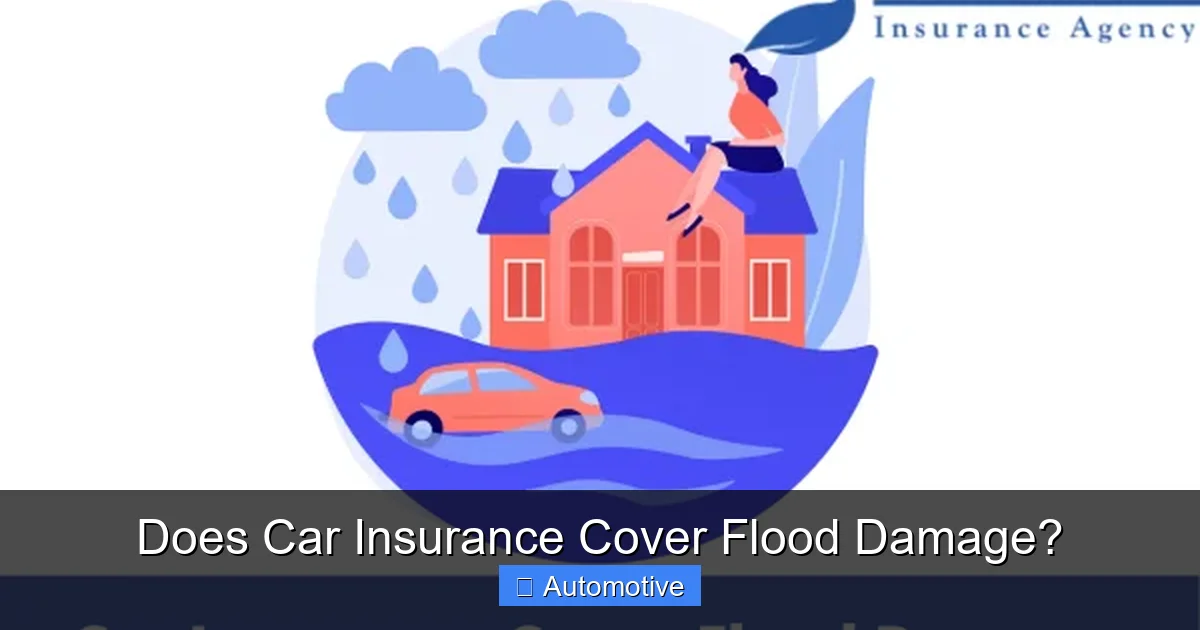
Visual guide about Does Car Insurance Cover Flood Damage?
Image source: pelican-insurance.com
Before diving into flood damage specifics, it’s important to understand the different types of car insurance coverage available. Most drivers are familiar with liability insurance—it’s required in nearly every state and covers damage or injuries you cause to others in an accident. But liability only protects other people, not your own vehicle.
That’s where comprehensive and collision coverage come in. These are optional add-ons that protect your car from a wide range of risks.
Comprehensive Coverage: Your Best Friend in a Flood
Comprehensive insurance covers damage to your vehicle caused by events outside of collisions. This includes theft, vandalism, falling objects, fire, and—most importantly—natural disasters like floods, hurricanes, hailstorms, and even animal strikes.
If your car is damaged by rising floodwaters, a fallen tree during a storm, or a burst water main, comprehensive coverage typically steps in to pay for repairs or replacement, minus your deductible.
For example, if a flash flood submerges your parked car and ruins the engine, electronics, and interior, comprehensive insurance would likely cover the cost of repairs up to the car’s actual cash value. Without this coverage, you’d be responsible for the full bill.
Collision Coverage: For Accidents, Not Acts of Nature
Collision insurance pays for damage to your car when you hit another vehicle or object—like a guardrail, pole, or another car. It also covers rollover accidents. However, it does not cover damage from natural disasters like floods.
So, if you drive into a flooded road and your car stalls or gets washed away, collision insurance won’t help unless you physically collided with something. In that case, the damage from the impact might be covered, but not the water damage itself.
Liability Coverage: Protects Others, Not You
Liability insurance is the bare minimum required by law in most states. It covers bodily injury and property damage you cause to others in an accident. It does not cover any damage to your own vehicle—whether from a collision, theft, or flood.
If you only carry liability insurance, you’re essentially self-insuring your car. That means any damage—including flood damage—comes out of your pocket.
Uninsured/Underinsured Motorist Coverage
This type of coverage protects you if you’re hit by a driver who doesn’t have insurance or doesn’t have enough to cover your damages. While helpful in accidents, it does not apply to flood damage or other non-collision events.
How Comprehensive Coverage Handles Flood Damage
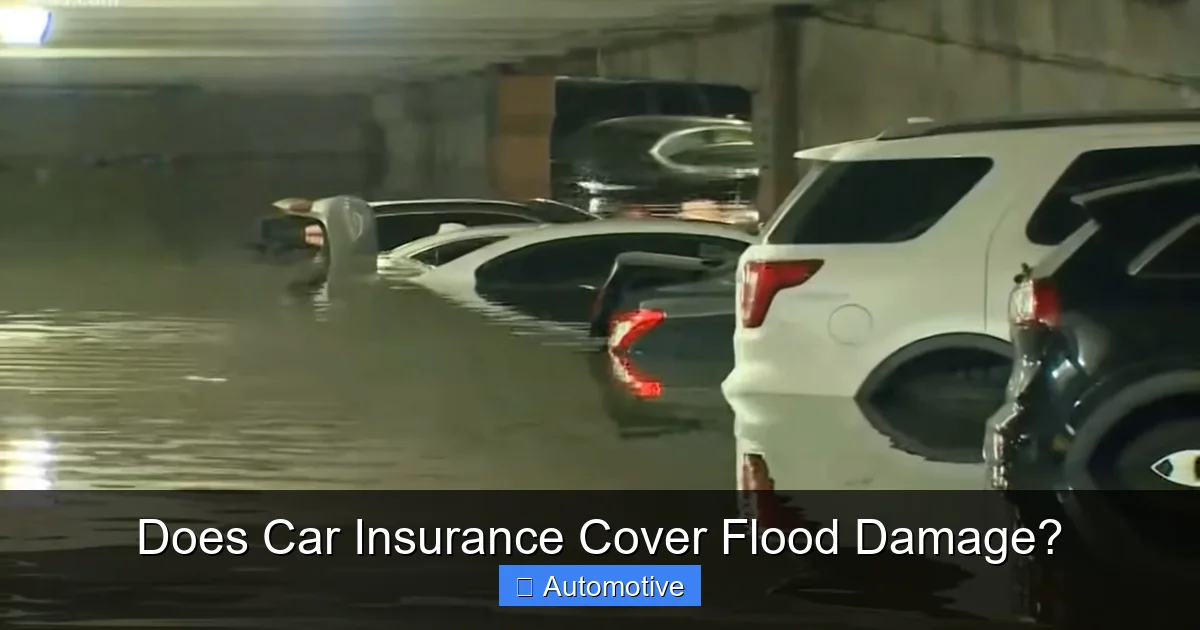
Visual guide about Does Car Insurance Cover Flood Damage?
Image source: floodriskamerica.com
Now that you know comprehensive coverage is the key to flood protection, let’s dig deeper into how it works in real-world scenarios.
What’s Covered Under Comprehensive for Floods?
Comprehensive insurance typically covers:
– Water damage from flooding, heavy rain, or storm surges
– Damage from rising water that enters the engine, cabin, or trunk
– Electrical system failures caused by moisture
– Mold or mildew growth due to prolonged exposure to water
– Interior damage (seats, carpets, dashboard) from soaked materials
– Towing and labor costs related to flood recovery
For instance, if your car is parked in a garage that floods during a hurricane, and the water ruins the engine, seats, and onboard computer systems, comprehensive coverage would likely pay for repairs or a total loss settlement.
What’s Not Covered?
While comprehensive coverage is broad, it’s not unlimited. Exclusions may include:
– Damage from neglect or lack of maintenance (e.g., driving through deep water despite warnings)
– Wear and tear or mechanical breakdowns unrelated to the flood
– Personal belongings inside the car (those are usually covered under homeowners or renters insurance)
– Damage if the car was used in a flood intentionally (e.g., joyriding through flooded areas)
Also, if your policy has a high deductible—say $1,000—and the repair cost is only $1,200, you might end up paying most of it yourself.
Total Loss vs. Repairable Damage
After a flood, insurers assess whether your car is repairable or a total loss. If the cost to repair exceeds a certain percentage of the car’s value (usually 70–80%), the insurer will declare it a total loss and pay you the actual cash value (ACV) minus your deductible.
For example, if your 5-year-old sedan is worth $8,000 and flood damage repairs cost $7,000, the insurer may total the car and send you a check for $8,000 minus your deductible. You can then use that money to buy a replacement vehicle.
Steps to Take Immediately After Flood Damage
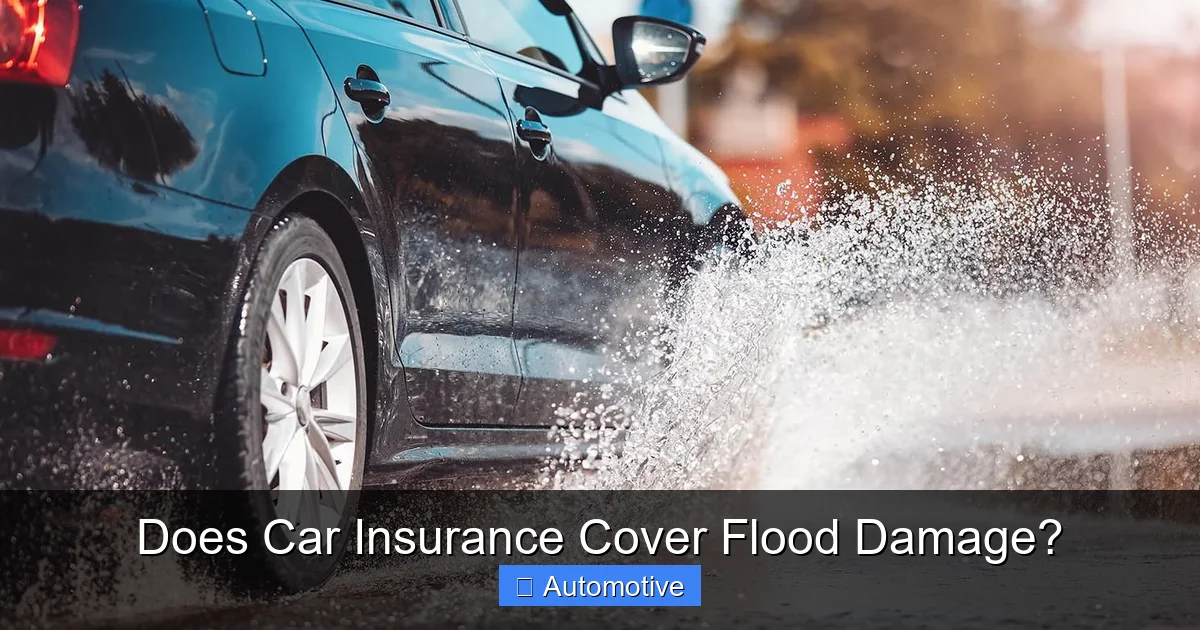
Visual guide about Does Car Insurance Cover Flood Damage?
Image source: edge.sitecorecloud.io
If your car has been damaged by floodwater, acting quickly and correctly can help protect your health, your vehicle, and your insurance claim.
1. Do Not Start the Engine
This is critical. Starting a flooded engine can cause severe internal damage, known as “hydrolocking,” where water enters the cylinders and bends pistons or cracks the engine block. Even if the car seems dry, moisture may have seeped into critical components.
Instead, have the car towed to a safe, dry location. Most comprehensive policies include towing coverage, so check your plan.
2. Document the Damage
Take clear photos and videos of the car from multiple angles, both inside and out. Capture water levels, mud stains, soaked seats, and any visible damage. Note the date, time, and location of the flood.
If possible, get a statement from a witness or local authority confirming the flood event. This can strengthen your claim.
3. Contact Your Insurance Company
Report the damage as soon as possible. Most insurers have 24/7 claims hotlines. Provide your policy number, a description of the incident, and the documentation you’ve gathered.
Be honest and thorough. Misrepresenting the situation can lead to claim denial.
4. Avoid Making Repairs Before Inspection
Let the insurance adjuster inspect the vehicle before you begin any repairs. They need to assess the damage and determine coverage. If you fix things prematurely, it may complicate the claim process.
However, you can take temporary steps to prevent further damage—like removing wet carpets or using fans to dry the interior—but avoid major repairs.
5. Keep Records of All Expenses
Save receipts for towing, temporary storage, rental cars, and any emergency measures you take. Some of these costs may be reimbursable under your policy.
Filing a Flood Damage Claim: What to Expect
Filing a claim for flood damage is similar to other comprehensive claims, but there are some unique considerations due to the nature of water damage.
The Claims Process Step-by-Step
1. **Report the claim:** Call your insurer or file online. Provide details about the flood and damage.
2. **Schedule an inspection:** An adjuster will inspect your vehicle, either in person or via photos/video.
3. **Get a repair estimate:** The adjuster will determine if the car is repairable or a total loss.
4. **Approval and payment:** If approved, you’ll receive a settlement offer. You can accept it or negotiate.
5. **Repairs or replacement:** Use the funds to fix the car or buy a new one.
Common Challenges with Flood Claims
– **High volume of claims:** During widespread flooding, insurers may be overwhelmed, leading to delays.
– **Disputes over cause:** Insurers may argue that damage was due to wear and tear, not the flood. Clear documentation helps counter this.
– **Hidden damage:** Water can cause corrosion or electrical issues that appear weeks later. Some policies offer limited coverage for latent damage.
Tips for a Smooth Claim
– Be proactive and responsive.
– Keep detailed records.
– Ask questions if you don’t understand the process.
– Consider getting a second opinion from a trusted mechanic if the settlement seems low.
Preventing Flood Damage to Your Vehicle
While insurance can help after the fact, prevention is always better than repair. Here are practical steps to protect your car from flood damage.
1. Park on Higher Ground
During storms or flood warnings, avoid parking in basements, low-lying areas, or near rivers and streams. Choose elevated parking lots or hillsides when possible.
2. Use Flood-Resistant Garages or Covers
If you live in a flood-prone area, consider installing a garage with flood barriers or using a waterproof car cover designed for heavy rain.
3. Monitor Weather Alerts
Use weather apps or local news to stay informed about flood risks. If a flash flood warning is issued, move your car immediately.
4. Avoid Driving Through Flooded Roads
Just 6 inches of moving water can knock you off your feet, and 12 inches can float most cars. Never attempt to drive through flooded streets—even if others are doing it.
5. Consider Comprehensive Coverage if You Don’t Have It
If you’re in a high-risk area, adding comprehensive coverage is a smart investment. The average cost is around $150–$300 per year, but it can save you thousands in flood repairs.
Special Considerations for Leased or Financed Vehicles
If you’re leasing or financing your car, comprehensive coverage is often required by the lender or leasing company. This protects their financial interest in the vehicle.
Gap Insurance and Flood Damage
If your car is totaled in a flood and you owe more on the loan than the car is worth, gap insurance can cover the difference. This is especially important for new cars, which depreciate quickly.
For example, if you owe $25,000 on a car worth $20,000 after a flood, gap insurance would pay the $5,000 difference.
Lease Agreements and Flood Damage
Leasing companies typically require comprehensive and collision coverage. If your leased car is damaged by a flood, you’re still responsible for the lease payments, even if the car is unusable. Comprehensive coverage helps cover the cost of repairs or replacement, but you’ll need to work with the leasing company to resolve the situation.
State and Regional Flood Risks
Flood risks vary widely by location. Coastal areas, river valleys, and regions with poor drainage are especially vulnerable.
High-Risk Areas in the U.S.
– Gulf Coast (Texas, Louisiana, Mississippi, Alabama, Florida)
– Atlantic Coast (North Carolina, South Carolina, Virginia)
– Midwest river basins (Missouri, Mississippi, Ohio Rivers)
– Urban areas with aging infrastructure (e.g., parts of New York, Chicago)
If you live in or frequently travel through these areas, comprehensive coverage is highly recommended.
Climate Change and Increasing Flood Risks
With rising sea levels and more intense storms, flood risks are increasing across the country. Even areas not traditionally prone to flooding are experiencing more frequent water events. This makes comprehensive coverage more valuable than ever.
Conclusion
So, does car insurance cover flood damage? The short answer is: yes—but only if you have comprehensive coverage. This optional add-on protects your vehicle from a wide range of non-collision events, including floods, hurricanes, hail, and more. Without it, you’re left paying out of pocket for costly repairs or replacements.
Flood damage can be devastating, both emotionally and financially. But with the right insurance and smart prevention strategies, you can protect yourself and your vehicle. Take the time to review your policy, understand your coverage limits, and consider adding comprehensive insurance if you haven’t already.
Remember: a little preparation today can save you from a major headache tomorrow. Stay informed, stay safe, and keep your car—and your peace of mind—protected.
Frequently Asked Questions
Does liability insurance cover flood damage?
No, liability insurance only covers damage you cause to others. It does not cover any damage to your own vehicle, including flood damage.
Will my insurance cover mold from flood damage?
Yes, if you have comprehensive coverage, mold or mildew caused by floodwater is typically covered as part of the water damage claim.
Can I file a flood damage claim if my car was parked?
Yes, comprehensive coverage applies whether your car was parked or in motion, as long as the damage was caused by a covered event like a flood.
What if my car was flooded but I didn’t have comprehensive coverage?
Unfortunately, you’ll have to pay for repairs or replacement out of pocket. Consider adding comprehensive coverage in the future, especially if you live in a flood-prone area.
How long do I have to file a flood damage claim?
Most insurers require you to report damage “promptly,” usually within a few days. Check your policy for specific time limits.
Does flood damage affect my car’s resale value?
Yes, flood-damaged cars often have lower resale values and may be harder to sell. A clean title and thorough repairs can help, but some buyers may still be wary.
