
How Much Does a Pilot Car Driver Make?

Pilot car drivers typically earn between $40,000 and $70,000 per year, with top earners making over $80,000. Pay depends on location, experience, and the type of loads escorted. With growing demand for oversized transport, this career offers solid income potential and flexibility.
Key Takeaways
- Annual earnings range from $40,000 to $70,000: Most pilot car drivers earn within this range, with variations based on experience and location.
- Hourly rates typically fall between $20 and $35: Independent contractors often charge per mile or per trip, which translates to competitive hourly pay.
- Experience and certifications boost income: Drivers with advanced training or specialized skills can command higher rates and secure more jobs.
- Geographic location impacts pay: States with high construction and infrastructure activity, like Texas and California, offer higher wages.
- Overtime and long-haul trips increase earnings: Drivers who take on longer or more complex escorts often earn significantly more.
- Self-employment offers flexibility and higher profit potential: While it comes with added responsibilities, being your own boss can lead to greater financial rewards.
- Job growth is steady due to infrastructure demands: As more oversized and overweight loads move across the country, the need for pilot car drivers continues to rise.
📑 Table of Contents
How Much Does a Pilot Car Driver Make?
Have you ever watched a massive wind turbine blade or a towering construction crane being transported down the highway and wondered who’s leading the way? That’s the job of a pilot car driver — a professional responsible for safely escorting oversized or overweight vehicles and cargo. These drivers play a critical role in ensuring that large loads move smoothly through traffic, around tight turns, and under low bridges without causing delays or accidents.
But beyond the excitement of the open road and the satisfaction of a vital job, many people are curious about the financial side: How much does a pilot car driver make? The answer isn’t one-size-fits-all. Earnings vary widely based on factors like experience, location, type of cargo, and whether the driver is employed by a company or works independently. On average, pilot car drivers earn between $40,000 and $70,000 per year, with some top earners pulling in over $80,000 annually. Hourly rates typically range from $20 to $35, especially for those working on a contract basis.
This article dives deep into the world of pilot car driving — from how pay is calculated to what influences income, and how you can maximize your earnings in this growing field. Whether you’re considering a career change or just curious about the logistics behind oversized transport, you’ll find practical insights and real-world examples to guide your understanding.
What Is a Pilot Car Driver?
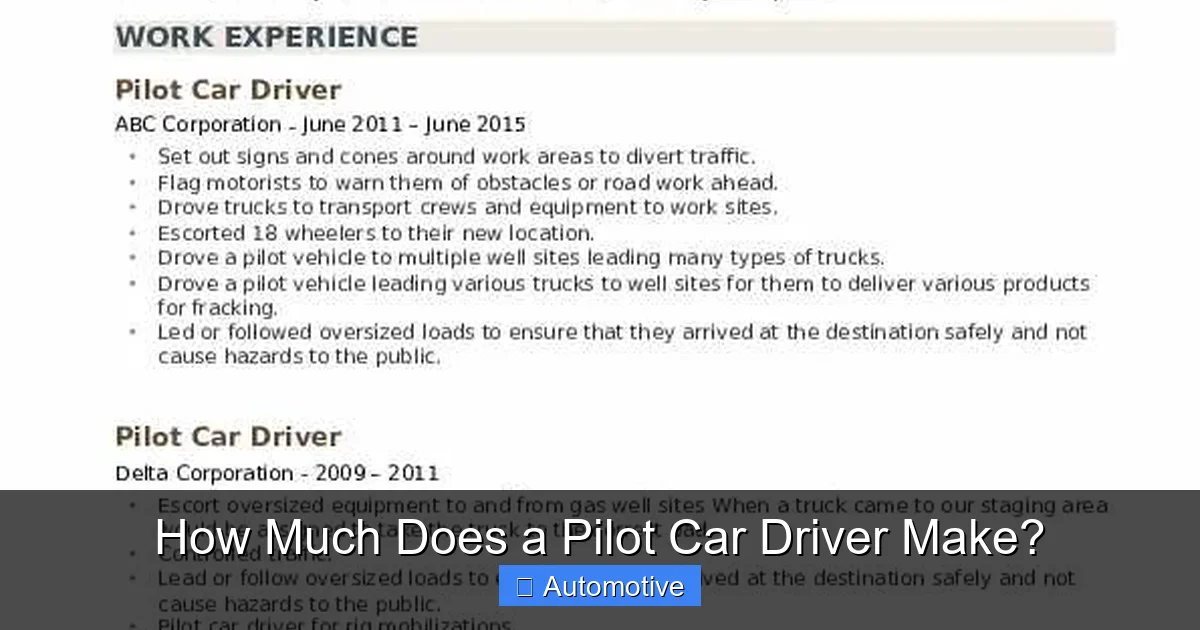
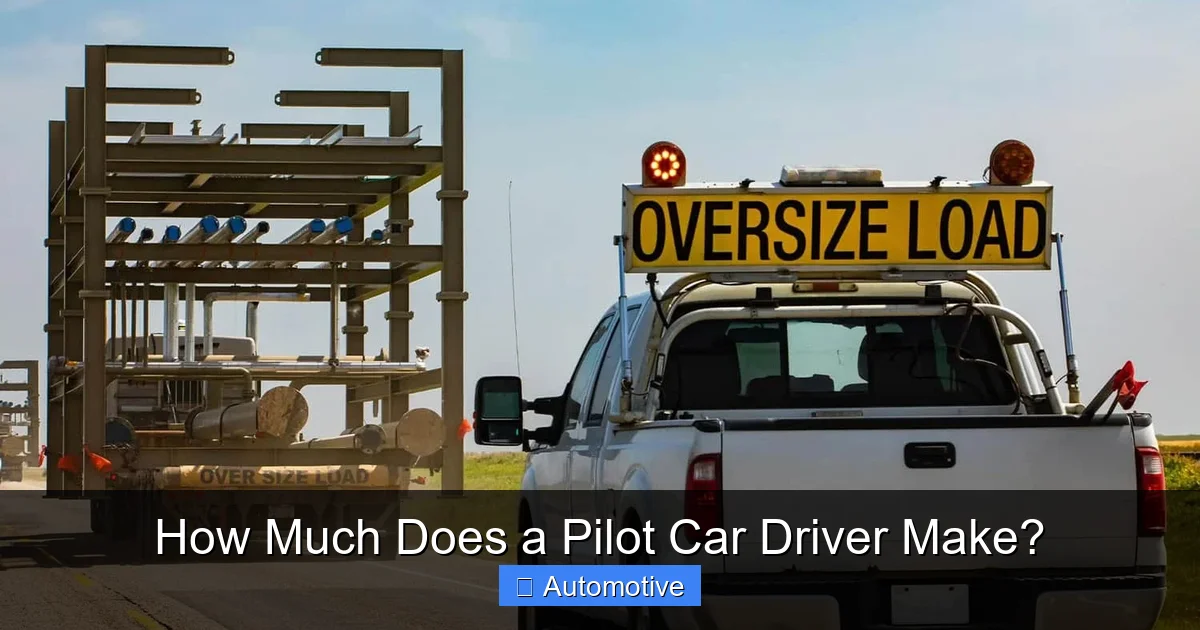
Before we get into the numbers, let’s clarify what a pilot car driver actually does. Also known as escort vehicle operators, these professionals drive ahead of or alongside oversized loads to ensure safe passage. Their vehicles are equipped with flashing lights, signage, and communication tools to alert other drivers and coordinate with the transport truck.
Primary Responsibilities
Pilot car drivers have several key duties. They scout the route in advance to identify potential hazards like low bridges, narrow roads, or construction zones. During transport, they maintain constant communication with the truck driver and may lead the way, follow behind, or flank the load depending on local regulations. They also help coordinate traffic stops, guide the truck through tight spaces, and respond to emergencies.
Visual guide about How Much Does a Pilot Car Driver Make?
Image source: resumethatworks.com
Types of Loads Escorted
These drivers escort a wide variety of oversized cargo, including wind turbine blades, industrial equipment, modular homes, and military vehicles. Some loads are so large they require multiple pilot cars — one in front, one in back, and sometimes even side escorts. The complexity of the load directly affects how much a pilot car driver makes, as more challenging jobs often pay higher rates.
Legal and Safety Requirements
In most states, pilot car drivers must follow strict regulations. This includes using approved vehicles with specific lighting and signage, carrying proper permits, and sometimes obtaining certification through state-approved training programs. Safety is paramount, and drivers are trained to handle high-pressure situations while keeping the public and cargo safe.
Factors That Influence Pilot Car Driver Pay
Now that we understand the role, let’s explore what determines how much a pilot car driver makes. Several key factors influence earnings, and understanding them can help you make informed decisions about your career path.
Experience and Skill Level
Like most professions, experience plays a major role in income. Entry-level drivers might start at the lower end of the pay scale, earning around $20 per hour or $40,000 annually. However, as drivers gain experience, build a strong safety record, and develop expertise in handling complex loads, they can command higher rates. Seasoned professionals with 5–10 years of experience often earn $60,000 to $80,000 or more.

Visual guide about How Much Does a Pilot Car Driver Make?
Image source: truckdriverssalary.com
Type of Load and Trip Complexity
Not all pilot car jobs are created equal. Escorting a 100-foot wind turbine blade through mountainous terrain is far more demanding than guiding a wide-load trailer on a straight highway. High-complexity trips often pay more due to the increased risk, planning, and time involved. For example, a driver escorting a load from Texas to Montana might earn $1,500 for a three-day trip, while a local job might pay $300 for a single day.
Geographic Location
Where you work has a big impact on pay. States with high infrastructure development, such as Texas, California, Florida, and North Dakota, tend to have more oversized transport activity and higher wages. In these regions, pilot car drivers can earn 20–30% more than the national average. Rural areas may offer fewer opportunities but sometimes pay more per job due to the difficulty of access.
Employment Type: Company vs. Independent Contractor
Many pilot car drivers work as independent contractors, which allows them to set their own rates and choose their jobs. While this offers flexibility, it also means handling expenses like fuel, vehicle maintenance, insurance, and taxes. Company-employed drivers may earn a steadier paycheck with benefits, but often have less control over their schedule and pay. Independent contractors who manage their business well can outearn salaried drivers, especially during peak seasons.
Seasonal Demand and Market Conditions
The pilot car industry is seasonal in many regions. For example, construction and energy projects ramp up in spring and summer, leading to higher demand and better pay. Winter months may see fewer jobs, especially in northern states. Drivers who plan ahead and take on long-haul or cross-country trips during off-seasons can maintain steady income year-round.
Certifications and Specialized Training
Drivers with additional certifications — such as OSHA safety training, defensive driving courses, or state-specific pilot car licensing — often qualify for higher-paying jobs. Some companies prefer or require certified drivers, especially for high-risk or government contracts. Investing in training can pay off quickly by opening doors to better opportunities.
Average Salaries and Earnings Breakdown
Let’s get into the numbers. While individual earnings vary, industry data and driver reports provide a clear picture of what to expect.
National Average Salary
According to job market data and driver surveys, the average annual salary for a pilot car driver in the U.S. is approximately $55,000. This includes both full-time employees and independent contractors. Hourly rates typically range from $20 to $35, with some high-demand jobs paying $40 or more per hour.
Visual guide about How Much Does a Pilot Car Driver Make?
Image source: truckdriverssalary.com
Entry-Level vs. Experienced Drivers
New drivers with less than two years of experience usually earn between $40,000 and $50,000 per year. They often start with local or less complex jobs and work their way up. After three to five years, drivers can expect to earn $55,000 to $70,000. Top earners — those with 10+ years of experience, specialized skills, or who run their own pilot car businesses — can make $80,000 to $100,000 or more annually.
Independent Contractor Earnings
Independent contractors often charge per mile or per trip. Rates vary by state and job type, but common pricing includes $2 to $4 per mile or $300 to $800 per day. A driver completing three long-haul trips per month at $1,500 each could earn $4,500 monthly — or $54,000 annually — before expenses. After accounting for fuel, maintenance, and insurance, net income might be around $40,000 to $45,000. However, during peak seasons, some contractors double or triple their income.
Regional Pay Differences
Here’s a look at average earnings by region:
- Texas: $60,000–$75,000 — High demand due to oil, gas, and wind energy projects.
- California: $65,000–$80,000 — Strict regulations and high infrastructure spending drive pay up.
- Florida: $55,000–$70,000 — Active in construction and transportation of oversized loads.
- North Dakota: $50,000–$65,000 — Seasonal spikes during summer construction.
- Midwest (e.g., Ohio, Illinois): $45,000–$60,000 — Steady demand but lower peak pay.
These figures reflect both company wages and contractor net income.
Overtime and Bonus Opportunities
Many pilot car jobs involve long hours, especially during multi-day escorts. Overtime pay is common, with drivers earning time-and-a-half or double time for hours beyond 40 per week. Some companies also offer bonuses for completing difficult trips safely or for taking on last-minute assignments. These extras can add $5,000 to $15,000 to annual income.
How to Increase Your Earnings as a Pilot Car Driver
If you’re already in the field or planning to start, there are several strategies to boost how much a pilot car driver makes.
Get Certified and Trained
Investing in professional training can set you apart. Look for state-approved pilot car courses that cover safety, regulations, and route planning. Certifications from organizations like the Escort Vehicle Operators of America (EVOA) or the Specialized Carriers & Rigging Association (SC&RA) can increase your credibility and access to higher-paying jobs.
Specialize in High-Demand Loads
Wind energy is one of the fastest-growing sectors for pilot car drivers. Wind turbine blades can be over 200 feet long and require expert handling. Drivers who specialize in wind loads often earn 20–30% more than average. Other high-paying niches include military transport, oversized machinery, and emergency response escorts.
Work as an Independent Contractor
While it comes with added responsibilities, going independent gives you control over your income. You can choose higher-paying jobs, work with multiple companies, and scale your business. Successful contractors often use social media, online job boards, and networking to find clients. Some even hire additional drivers and manage a small fleet.
Take on Long-Haul and Cross-Country Trips
Local jobs are convenient, but long-haul trips typically pay more. A driver escorting a load from Georgia to Washington might earn $2,000 for a week-long trip — far more than several local jobs combined. These trips also build experience and reputation, leading to more opportunities.
Maintain a Strong Safety Record
Companies and shippers prefer drivers with clean records. Avoiding accidents, traffic violations, and delays makes you a valuable asset. A strong reputation can lead to repeat business, referrals, and higher pay rates. Consider using dash cams and GPS tracking to document your performance.
Network and Build Relationships
The pilot car industry thrives on relationships. Attend industry events, join online forums, and connect with trucking companies and logistics managers. Many high-paying jobs are filled through word-of-mouth. Building a solid network can lead to steady work and premium assignments.
Use Technology to Your Advantage
Modern tools can improve efficiency and safety. GPS systems with route optimization help avoid low bridges and narrow roads. Communication apps keep you connected with the transport team. Some drivers use apps like TruckMap or Pilot Car Jobs to find work and track expenses. Staying tech-savvy can save time and money, boosting your net income.
Job Outlook and Industry Trends
The future looks bright for pilot car drivers. As infrastructure ages and renewable energy expands, the need for oversized transport is growing.
Growing Demand for Oversized Loads
The U.S. is investing heavily in roads, bridges, and energy projects. Wind and solar farms require massive components that must be transported by road. Additionally, the manufacturing and construction industries rely on oversized equipment. This trend is expected to continue, creating steady demand for pilot car services.
Impact of Regulations
Stricter safety regulations are being implemented in many states, which means more oversight and higher standards for pilot car drivers. While this may increase training requirements, it also raises the value of certified professionals. Drivers who stay compliant and up-to-date with regulations will have a competitive edge.
Technological Advancements
Technology is changing the industry. Some companies are testing automated escort systems and drone support, but human drivers remain essential for decision-making and communication. In the near future, pilot car drivers may use augmented reality (AR) glasses or advanced sensors to enhance safety, but the core role will remain human-driven.
Remote Work and Virtual Escorts
In some cases, virtual pilot car services are being used for monitoring via cameras and GPS. However, physical escorts are still required in most states for high-risk loads. The hybrid model — combining remote monitoring with on-ground drivers — may become more common, offering new opportunities for tech-savvy professionals.
Challenges and Considerations
While the pay is attractive, pilot car driving isn’t without its challenges.
Irregular Hours and Time Away from Home
Many jobs require long hours and overnight stays. Drivers may be away from home for days or weeks at a time, especially on cross-country trips. This can be tough on personal relationships and work-life balance.
Physical and Mental Demands
The job requires constant alertness, quick decision-making, and the ability to handle stress. Weather, traffic, and unexpected delays can make even simple trips challenging. Drivers must be in good physical condition and mentally prepared for high-pressure situations.
Vehicle and Equipment Costs
Independent contractors must invest in a suitable vehicle — typically a pickup truck or SUV — with proper lighting, signage, and communication equipment. Initial setup can cost $5,000 to $15,000. Ongoing expenses include fuel, insurance, maintenance, and permits.
Liability and Insurance
Pilot car drivers face liability risks. If an accident occurs during an escort, the driver could be held responsible. Comprehensive insurance is essential, and premiums can be high. Some companies provide coverage, but independent drivers must secure their own policies.
Seasonal Fluctuations
In colder regions, work may slow down in winter. Drivers need to plan for slower months by saving during peak seasons or finding alternative work. Diversifying into related fields — like traffic control or logistics — can provide stability.
Conclusion
So, how much does a pilot car driver make? The answer is: it depends — but the potential is strong. With average earnings between $40,000 and $70,000, and top earners exceeding $80,000, this career offers a solid income, especially for those willing to gain experience, specialize, and work independently. Factors like location, load type, and employment model all influence pay, but smart choices can significantly boost your bottom line.
The role of a pilot car driver is more than just driving — it’s about safety, precision, and responsibility. As infrastructure projects grow and renewable energy expands, demand for skilled escorts will continue to rise. Whether you’re starting out or looking to advance, investing in training, building a strong reputation, and embracing new opportunities can lead to a rewarding and profitable career.
If you enjoy the open road, thrive under pressure, and want a job that makes a real difference, pilot car driving might be the perfect fit. With the right approach, you can earn a great living while playing a vital role in keeping America moving.
Frequently Asked Questions
What is the average salary for a pilot car driver?
The average annual salary for a pilot car driver in the U.S. is around $55,000. Most drivers earn between $40,000 and $70,000, with experienced professionals making $80,000 or more.
Do pilot car drivers get paid hourly or per trip?
Pay varies by employer. Some drivers are paid hourly, typically $20 to $35, while independent contractors often charge per mile ($2–$4) or per trip ($300–$800 per day).
Can you make a living as a pilot car driver?
Yes, many drivers earn a full-time income, especially in high-demand areas. With experience and smart business decisions, it’s possible to earn $60,000 to $100,000 annually.
Do pilot car drivers need a special license?
No special driver’s license is required, but many states require certification or training. Some jobs also require a clean driving record and specific vehicle equipment.
Is pilot car driving a dangerous job?
Like any driving job, there are risks, but proper training and safety practices minimize danger. Most drivers report feeling confident and well-prepared after certification.
How do I become a pilot car driver?
Start by researching state requirements, completing a training course, and investing in a suitable vehicle with proper lighting and signage. Networking with trucking companies can help you find your first job.
