
How Much Is Car Insurance in Australia?

Car insurance in Australia varies widely based on location, age, vehicle type, and driving history. On average, drivers pay between $600 and $1,200 annually, but smart choices can help reduce costs. Understanding your options ensures you get the right coverage without overpaying.
Key Takeaways
- Average cost: Most Australians pay between $600 and $1,200 per year for comprehensive car insurance.
- Location matters: Urban areas like Sydney and Melbourne often have higher premiums due to traffic density and theft rates.
- Age and experience: Young drivers under 25 typically face the highest premiums due to higher risk profiles.
- Vehicle type: High-performance or luxury cars cost more to insure than standard sedans or small hatchbacks.
- No-claims bonus: Maintaining a clean driving record can significantly reduce your premium over time.
- Policy type: Third party, third party fire and theft, and comprehensive insurance offer different levels of coverage and pricing.
- Comparison tools: Using online comparison sites can help you find the best deal tailored to your needs.
📑 Table of Contents
How Much Is Car Insurance in Australia?
If you’re driving in Australia, having car insurance isn’t just a good idea—it’s a legal requirement. Whether you’re a new driver or have been on the road for years, understanding how much car insurance costs can help you budget wisely and avoid surprises. The truth is, there’s no one-size-fits-all answer. Car insurance prices vary depending on a range of personal and vehicle-related factors.
On average, Australian drivers pay between $600 and $1,200 per year for comprehensive car insurance. But that’s just the starting point. Some people pay less than $500, while others—especially young drivers or those with high-value vehicles—might pay well over $2,000. The key is knowing what influences these costs and how you can manage them.
In this guide, we’ll break down the real cost of car insurance in Australia, explore the factors that affect your premium, compare different policy types, and share practical tips to help you save money. Whether you’re shopping for your first policy or looking to switch providers, this article will give you the knowledge you need to make an informed decision.
What Determines Your Car Insurance Premium?
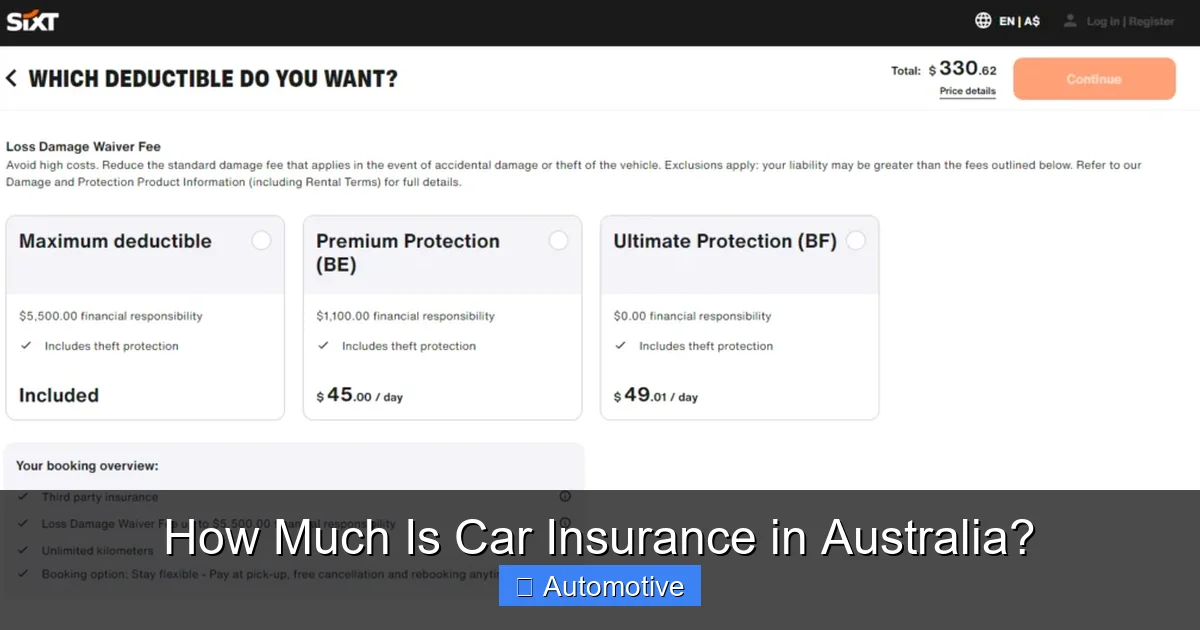
Visual guide about How Much Is Car Insurance in Australia?
Image source: carinsurent.com
Your car insurance premium isn’t set randomly. Insurers use a detailed risk assessment model to calculate how likely you are to make a claim. The higher the risk, the higher your premium. While each insurer has its own formula, several common factors influence pricing across the board.
Your Age and Driving Experience
Age is one of the biggest factors in determining your car insurance cost. Young drivers, especially those under 25, are statistically more likely to be involved in accidents. As a result, they often face the highest premiums. For example, a 19-year-old male driver in Sydney might pay over $2,000 annually for comprehensive cover, while a 45-year-old with 20 years of accident-free driving could pay less than $800 for the same policy.
Experience also plays a role. New drivers, even if they’re older, may still face higher rates until they build up a no-claims history. On the flip side, experienced drivers with a clean record often benefit from significant discounts.
Where You Live
Location is another major factor. Insurers consider the risk of theft, vandalism, accidents, and natural disasters in your area. Urban centres like Sydney, Melbourne, and Brisbane tend to have higher premiums due to traffic congestion, higher crime rates, and greater population density.
For instance, a driver in inner-city Melbourne might pay 20–30% more than someone in a regional town like Wagga Wagga or Dubbo. Even within cities, postcodes matter. A car parked on a busy street in Surry Hills may cost more to insure than one kept in a secure garage in a quieter suburb.
The Type of Vehicle You Drive
Your car’s make, model, age, and value all affect your premium. High-performance vehicles, luxury cars, and models with high repair costs typically attract higher insurance rates. For example, insuring a Toyota Corolla will generally be cheaper than insuring a BMW 3 Series or a Ford Mustang.
Insurers also look at safety features. Cars with advanced driver assistance systems (ADAS), such as autonomous emergency braking, lane departure warnings, and adaptive cruise control, may qualify for discounts. Older cars without these features could cost more to insure, especially if they’re more prone to theft or have higher repair costs.
Your Driving History and No-Claims Bonus
A clean driving record is one of the best ways to keep your premiums low. Most insurers offer a no-claims bonus (also called a no-claims discount), which increases each year you don’t make a claim. After five claim-free years, you could save up to 50% on your premium.
On the other hand, accidents, traffic fines, and licence suspensions can increase your risk profile and lead to higher costs. Even a single at-fault accident can raise your premium by 20–40%, depending on the insurer.
How You Use Your Car
Your annual mileage and how you use your vehicle also matter. If you drive long distances for work or frequently use your car for business, you may face higher premiums due to increased exposure to risk.
Conversely, if you only use your car for occasional weekend trips or school drop-offs, you might qualify for a lower rate. Some insurers offer “low usage” discounts for drivers who travel under 10,000 kilometres per year.
Types of Car Insurance in Australia
Visual guide about How Much Is Car Insurance in Australia?
Image source: ascentlawyers.com.au
Not all car insurance policies are created equal. In Australia, there are three main types of car insurance, each offering different levels of coverage and pricing. Understanding the differences can help you choose the right policy for your needs and budget.
Third Party Property Damage
This is the most basic and cheapest form of car insurance. It covers damage your car causes to someone else’s property—like another vehicle, fence, or building—but does not cover damage to your own car.
It’s a legal minimum in most states, but it offers very limited protection. If you’re at fault in an accident, you’ll have to pay for your own repairs out of pocket. This type of insurance is best suited for older, low-value vehicles where the cost of comprehensive cover outweighs the car’s worth.
Third Party Fire and Theft
This policy includes everything in third party property damage, plus coverage if your car is stolen or damaged by fire. It’s a step up from basic third party insurance and offers more peace of mind, especially in high-theft areas.
For example, if your car is stolen from your driveway or damaged in a house fire, this policy will help cover the cost of a replacement or repairs. However, it still won’t cover damage from accidents you cause.
Comprehensive Car Insurance
Comprehensive insurance is the most complete coverage available. It covers damage to your own vehicle, as well as damage to others’ property, theft, fire, storms, floods, and even vandalism. It also often includes extras like hire car coverage, windscreen repair, and emergency roadside assistance.
This is the most popular choice among Australian drivers, especially for newer or higher-value vehicles. While it’s more expensive than other options, it offers the best protection and can save you thousands in the event of a major incident.
Average Car Insurance Costs by State and Territory
Visual guide about How Much Is Car Insurance in Australia?
Image source: static.wixstatic.com
Car insurance costs vary significantly across Australia’s states and territories. These differences are driven by local factors like population density, weather patterns, crime rates, and state-based regulations.
New South Wales (NSW)
NSW, particularly Sydney, has some of the highest car insurance premiums in the country. The average comprehensive policy costs around $1,100 per year. High traffic volumes, congestion, and theft rates in metropolitan areas contribute to these elevated costs.
Regional areas like the Central Coast or Hunter Valley tend to be slightly cheaper, but still above the national average.
Victoria (VIC)
Melbourne drivers also face high premiums, with an average of $1,050 per year. The city’s growing population and urban sprawl increase the risk of accidents and theft. However, some suburbs offer more affordable rates, especially if you park your car in a secure garage.
Queensland (QLD)
Queensland has a mix of urban and regional pricing. Brisbane averages around $950 annually, while areas like the Gold Coast and Sunshine Coast are slightly higher due to tourism and traffic. Northern and remote regions can be cheaper, but may have limited insurer options.
Western Australia (WA)
Perth drivers pay an average of $900 per year. While not as high as Sydney or Melbourne, WA still faces challenges like long distances, extreme weather, and vehicle theft. Regional areas like Broome or Kalgoorlie may have higher premiums due to limited repair services and higher risk of damage.
South Australia (SA)
Adelaide has some of the most affordable premiums in the country, averaging around $800 per year. Lower population density and fewer traffic incidents contribute to these lower costs. However, rural areas may see higher rates due to longer travel distances and limited access to services.
Tasmania, ACT, and Northern Territory
Tasmania and the ACT offer relatively low premiums, with averages of $750 and $820 respectively. The Northern Territory is an outlier, with higher costs due to remote locations, extreme weather, and limited infrastructure.
How to Reduce Your Car Insurance Costs
While car insurance is a necessary expense, there are several smart strategies to help you save money without sacrificing coverage.
Shop Around and Compare Quotes
One of the easiest ways to save is by comparing quotes from multiple insurers. Prices can vary by hundreds of dollars for the same coverage. Use online comparison tools like Compare the Market, Canstar, or InfoChoice to get side-by-side quotes in minutes.
Don’t just look at the premium—check what’s included. Some policies may seem cheaper but have high excess fees or limited benefits.
Increase Your Excess
The excess is the amount you pay out of pocket when making a claim. By choosing a higher excess, you can reduce your premium. For example, increasing your excess from $500 to $1,000 could save you $100–$200 per year.
Just make sure you can afford to pay the excess if you need to make a claim.
Bundle Your Policies
Many insurers offer discounts if you bundle your car insurance with home, contents, or motorcycle insurance. Bundling can save you 10–20% on your total premium.
Pay Annually Instead of Monthly
Paying your premium in one lump sum often avoids monthly administration fees, which can add up to $50–$100 per year. If you can afford it, annual payments are usually cheaper.
Maintain a Good Driving Record
Avoiding accidents and traffic fines is one of the most effective ways to keep your premiums low. Over time, a clean record builds your no-claims bonus and qualifies you for loyalty discounts.
Choose the Right Car
Before buying a car, check its insurance group rating. Some models are cheaper to insure due to lower repair costs, better safety ratings, or lower theft rates.
Common Mistakes to Avoid
Even experienced drivers can make costly mistakes when it comes to car insurance. Avoid these common pitfalls to protect yourself and your wallet.
Underinsuring Your Vehicle
Choosing the cheapest policy might save you money upfront, but it could leave you underinsured. If your car is written off, a third party policy won’t cover its replacement value. Always assess your needs and choose coverage that matches your vehicle’s worth.
Not Updating Your Details
Failing to notify your insurer about changes—like a new address, job, or vehicle modification—can void your policy or lead to claim denials. Keep your information up to date to avoid complications.
Ignoring the Fine Print
Every policy has exclusions and conditions. For example, some insurers won’t cover damage from driving under the influence or using your car for ridesharing without notification. Read your policy documents carefully.
Auto-Renewing Without Reviewing
Many drivers auto-renew their policies without checking for better deals. Insurers often increase prices for loyal customers. Make it a habit to review your policy annually and compare alternatives.
Conclusion
So, how much is car insurance in Australia? The answer depends on you—your age, location, vehicle, and driving habits all play a role. While the average cost ranges from $600 to $1,200 per year, smart choices can help you pay less without compromising on protection.
Start by understanding the factors that affect your premium, then compare policies to find the best value. Whether you opt for third party, third party fire and theft, or comprehensive cover, make sure it aligns with your needs and budget.
Remember, the cheapest policy isn’t always the best. Look for a balance of affordability, coverage, and customer service. And don’t forget to review your policy each year—your circumstances may change, and so should your insurance.
With the right approach, you can drive with confidence, knowing you’re protected and getting a fair deal.
Frequently Asked Questions
What is the average cost of car insurance in Australia?
The average cost of comprehensive car insurance in Australia ranges from $600 to $1,200 per year. However, prices can vary significantly based on factors like age, location, and vehicle type.
Why is car insurance so expensive for young drivers?
Young drivers, especially those under 25, face higher premiums because they are statistically more likely to be involved in accidents. Lack of experience and higher risk-taking behaviour contribute to these increased costs.
Can I reduce my car insurance premium?
Yes, you can reduce your premium by increasing your excess, maintaining a clean driving record, bundling policies, shopping around, and choosing a car with lower insurance costs.
Is third party insurance enough?
Third party insurance covers damage you cause to others but not your own vehicle. It’s the cheapest option but offers limited protection. For most drivers, comprehensive insurance provides better value and peace of mind.
Do I need car insurance if I don’t drive often?
Yes, if your car is registered, you must have at least third party insurance. Even if you drive infrequently, your vehicle is still at risk of theft, fire, or accidental damage.
How often should I review my car insurance policy?
It’s recommended to review your car insurance policy at least once a year, especially before renewal. This ensures you’re still getting the best deal and that your coverage meets your current needs.
