
How Long Can a Car Sit in Cold Weather?

Leaving your car parked in cold weather for too long can lead to serious issues like dead batteries, frozen fluids, and engine damage. While modern vehicles are built to handle winter conditions, prolonged exposure—especially below freezing—requires precautions. With proper care, your car can sit safely for weeks, even months, in cold climates.
Key Takeaways
- Battery life drops significantly in cold weather: A car battery can lose up to 60% of its power in freezing temperatures, making it harder to start.
- Fluids can thicken or freeze: Engine oil, coolant, and windshield washer fluid may become sluggish or solid, risking engine damage.
- Tires can develop flat spots: Sitting for weeks without movement can cause tires to lose their shape, especially in extreme cold.
- Fuel can degrade over time: Gasoline breaks down after 30–60 days, leading to poor engine performance or starting issues.
- Moisture buildup leads to rust and mold: Condensation inside the car or fuel system can cause corrosion and unpleasant odors.
- Regular maintenance extends cold-weather storage life: Using a battery tender, fuel stabilizer, and proper covers helps protect your vehicle.
- Idling isn’t enough to warm up the engine: Short drives or frequent idling may not fully warm the engine or recharge the battery effectively.
📑 Table of Contents
How Long Can a Car Sit in Cold Weather?
Winter brings snow, ice, and freezing temperatures—conditions that can be tough on your vehicle. Whether you’re storing a classic car for the season, traveling for weeks, or simply not driving due to harsh weather, you might wonder: how long can a car sit in cold weather before problems start? The truth is, modern cars are engineered to handle cold climates, but they’re not invincible. Without proper care, even a well-maintained vehicle can suffer from battery failure, frozen fluids, or mechanical damage after just a few weeks of inactivity.
The answer isn’t one-size-fits-all. How long your car can safely sit in the cold depends on several factors: the temperature outside, how well the car was prepared, the age of the battery, and whether it’s parked indoors or exposed to the elements. In mild winter conditions (above 20°F or -6°C), a car might sit for 2–4 weeks without major issues—especially if it’s started and driven occasionally. But in subzero temperatures, that window shrinks dramatically. A car left unattended in -10°F (-23°C) weather could face serious problems in as little as 7–10 days.
This guide will walk you through everything you need to know about cold-weather car storage, from understanding how cold affects different parts of your vehicle to practical tips for keeping it in good shape. Whether you’re storing a car for the winter or just taking a long trip, these insights will help you avoid costly repairs and ensure your vehicle starts reliably when you need it.
Why Cold Weather Is Hard on Your Car
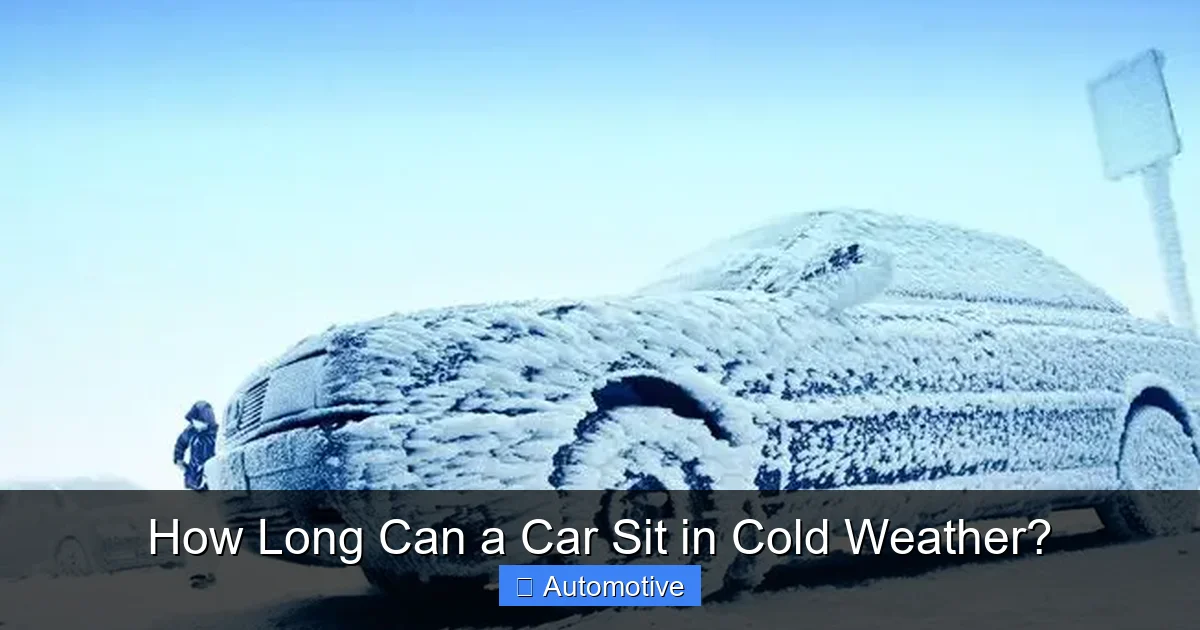
Visual guide about How Long Can a Car Sit in Cold Weather?
Image source: whatincar.com
Cold weather isn’t just uncomfortable for people—it’s tough on vehicles too. When temperatures drop, several key systems in your car react in ways that can compromise performance and longevity. Understanding these effects is the first step to protecting your car during long periods of inactivity.
How Cold Affects the Battery
Your car battery is one of the most vulnerable components in cold weather. Chemical reactions inside the battery slow down as temperatures fall, reducing its ability to produce power. In fact, a battery can lose up to 60% of its cranking power at 0°F (-18°C). That means even a fully charged battery might struggle to turn over the engine.
Worse, if your car sits for days or weeks without being driven, the battery slowly drains due to small electrical loads—like the clock, security system, or onboard computers. This is called parasitic drain. Combine that with cold temperatures, and you’ve got a recipe for a dead battery. Many drivers discover this the hard way on a frigid morning when the engine won’t start.
Fluids Thicken and Freeze
Engine oil, transmission fluid, brake fluid, and coolant all behave differently in the cold. Most engine oils thicken in low temperatures, making it harder for them to flow through the engine. This increases wear during startup because oil takes longer to reach critical components like bearings and camshafts.
Coolant (antifreeze) is designed to resist freezing, but only if it’s properly mixed. A 50/50 mix of antifreeze and water typically protects down to -34°F (-37°C). But if your coolant is old or diluted, it could freeze, expanding and potentially cracking the radiator, engine block, or hoses. Windshield washer fluid is another common victim—many standard formulas freeze at around 32°F (0°C), so using a winter-grade fluid is essential.
Tires Lose Air and Shape
Cold air causes tire pressure to drop—about 1 PSI for every 10°F drop in temperature. If your tires were properly inflated when it was 50°F (10°C), they could be dangerously underinflated when it hits 20°F (-6°C). Low tire pressure increases rolling resistance, reduces fuel efficiency, and can lead to uneven wear.
Even more concerning is the risk of flat spots. When a car sits in one position for weeks, especially in cold weather, the weight of the vehicle presses down on the tires. The rubber becomes stiff in the cold and loses elasticity, making it more prone to developing flat spots. These are areas where the tire flattens slightly, causing a bumpy ride and vibration when you finally drive again. While some flat spots may disappear after driving for a while, severe ones can require tire replacement.
Fuel Degrades Over Time
Gasoline doesn’t last forever. Most fuel begins to degrade after 30 to 60 days, losing volatility and forming gum and varnish deposits. In cold weather, this process can accelerate slightly due to condensation in the fuel tank. Water vapor from the air can enter the tank as temperatures fluctuate, leading to water contamination. Since water doesn’t burn, it can cause engine misfires, rough idling, or even prevent the engine from starting.
Diesel engines face an even bigger challenge. Diesel fuel can “gel” in cold weather, turning into a waxy substance that clogs fuel filters and lines. This typically happens below 15°F (-9°C), depending on the fuel blend. If your diesel car sits in cold weather without winterized fuel, you could be stuck until temperatures rise or the fuel is treated.
Moisture and Corrosion Risks
Cold weather often brings snow, ice, and moisture—conditions that can lead to rust and mold inside your car. If your vehicle is parked outside, snow can melt and seep into door seals, floor mats, or the trunk. Over time, this moisture can cause mold growth, musty odors, and corrosion on metal parts.
Even parked indoors, condensation can form inside the car if there’s a big temperature difference between day and night. This is especially true if the car was recently driven and still warm when parked. Moisture can also accumulate in the fuel system, leading to rust in the fuel tank or injectors.
How Long Can a Car Safely Sit in Cold Weather?
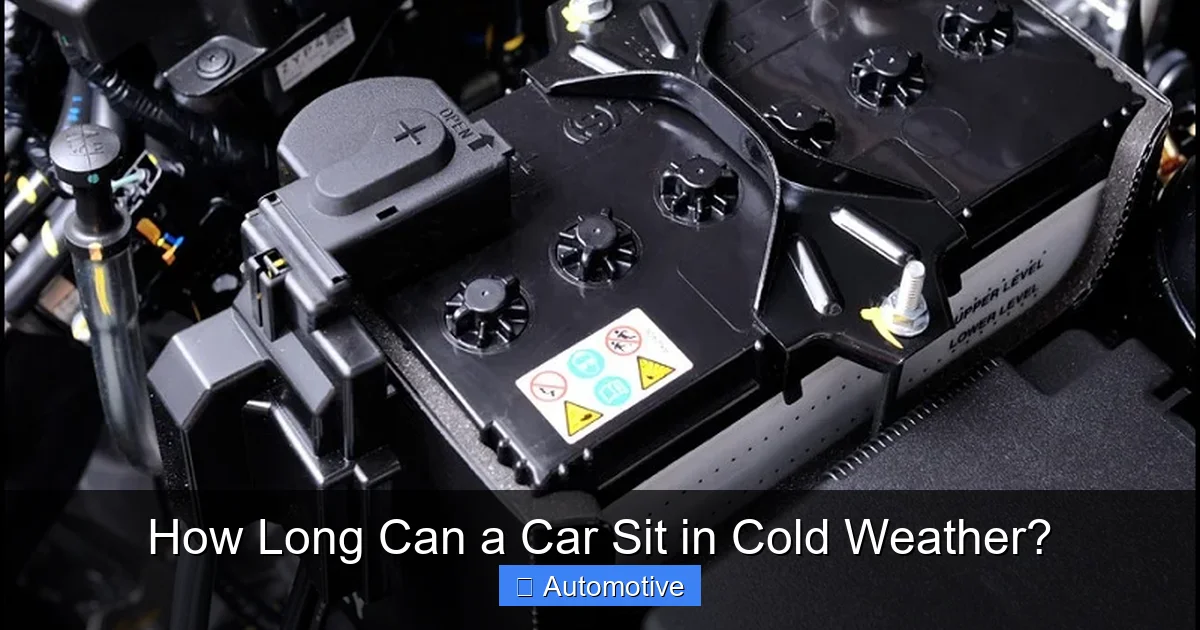
Visual guide about How Long Can a Car Sit in Cold Weather?
Image source: autolovins.com
Now that you know how cold weather affects your car, the big question remains: how long can it sit before problems arise? The answer depends on several variables, including temperature, vehicle age, and preparation.
General Guidelines by Temperature
In mild winter conditions (above 32°F or 0°C), a well-maintained car can typically sit for 2–4 weeks without major issues—especially if it’s started and driven for at least 15–20 minutes every week. This allows the battery to recharge and fluids to circulate.
Between 20°F and 32°F (-6°C to 0°C), the risk increases. Batteries drain faster, fluids thicken, and tire pressure drops. At this point, you should aim to start the car at least once a week and let it run for 20–30 minutes to warm up the engine and recharge the battery.
Below 20°F (-6°C), especially in subzero temperatures, the safe window shrinks to 7–14 days. In extreme cold (below 0°F or -18°C), a car may only be safe for 5–7 days without attention. After that, the battery is likely dead, fluids may be sluggish, and tires could develop flat spots.
Factors That Extend or Shorten Safe Storage Time
Several factors influence how long your car can sit in the cold:
– **Battery age and condition:** A new battery (less than 3 years old) will last longer than an older one. A weak or aging battery may die in just a few days.
– **Garage vs. outdoor parking:** A car parked in a heated or insulated garage will fare much better than one left outside in the snow and wind.
– **Vehicle type:** Older cars with carburetors or less efficient electrical systems may struggle more in the cold than modern fuel-injected vehicles.
– **Preparation:** Using a battery tender, fuel stabilizer, and tire covers can significantly extend safe storage time.
– **Humidity and snow exposure:** Cars exposed to snow and ice are more prone to moisture damage and corrosion.
For example, a 2020 sedan with a new battery, parked in a heated garage and started weekly, could safely sit for 6–8 weeks in cold weather. In contrast, a 2005 SUV with an old battery, parked outside in -10°F (-23°C) weather, might not start after just 10 days.
Real-World Examples
Let’s look at a few scenarios:
– **Scenario 1:** You’re going on a 3-week winter vacation. Your car is parked in an unheated garage at 25°F (-4°C). You start it once a week and let it run for 20 minutes. With a good battery and proper fluids, it should start fine when you return.
– **Scenario 2:** You leave your classic car in a snow-covered driveway for 6 weeks at -5°F (-20°C). You didn’t use a battery tender or fuel stabilizer. When you return, the battery is dead, the fuel has degraded, and the tires have flat spots.
– **Scenario 3:** You store your winter beater in a heated garage at 50°F (10°C) for 2 months. You use a trickle charger and add fuel stabilizer. The car starts immediately and runs smoothly.
These examples show how preparation and environment make a huge difference.
How to Prepare Your Car for Cold-Weather Storage
Visual guide about How Long Can a Car Sit in Cold Weather?
Image source: procarreviews.com
If you know your car will be sitting for a while, proper preparation is key to avoiding problems. A little effort upfront can save you hundreds in repairs and ensure your vehicle is ready to go when you are.
Charge and Maintain the Battery
The battery is the heart of your car’s electrical system, and it needs special attention in cold weather. Start by testing the battery’s charge and health. Most auto parts stores offer free battery testing. If it’s weak or more than 4 years old, consider replacing it before storage.
To prevent discharge, disconnect the negative terminal or use a battery maintainer (also called a trickle charger or tender). These devices keep the battery at full charge without overcharging it. They’re especially useful for long-term storage and cost as little as $30–$50.
Use Fuel Stabilizer and Fill the Tank
Fuel degradation is a real issue during storage. To slow it down, add a fuel stabilizer to your gas tank. These products prevent oxidation and gum formation. Follow the instructions on the bottle—usually, one ounce per 2.5 gallons of fuel.
Also, fill the tank to about 95% full. This reduces the amount of air (and moisture) in the tank, minimizing condensation. For diesel vehicles, use a winter-blend fuel or add an anti-gel additive to prevent fuel from gelling.
Check and Top Off All Fluids
Make sure all fluids are at the correct level and in good condition:
– **Engine oil:** Use a synthetic oil rated for cold weather (like 5W-30 or 0W-20). Change it if it’s due.
– **Coolant:** Ensure it’s a 50/50 mix and rated for your climate. Test it with a coolant hydrometer if needed.
– **Brake fluid:** Check the level and condition. Moisture in brake fluid can freeze and damage the system.
– **Windshield washer fluid:** Use a winter formula that won’t freeze.
– **Transmission and differential fluid:** Top off if low, especially in older vehicles.
Inflate Tires and Prevent Flat Spots
Inflate your tires to the manufacturer’s recommended pressure—usually found on a sticker inside the driver’s door. Add a few extra PSI (about 5–10 above normal) to compensate for pressure loss in cold weather.
To prevent flat spots, consider using tire cradles or jack stands to lift the car off the ground. If that’s not possible, move the car slightly every few weeks to shift the weight on the tires.
Protect the Exterior and Interior
Wash and wax the car before storage to remove salt, dirt, and grime that can cause rust. Cover it with a breathable car cover if parked outside. For indoor storage, a simple dust cover is fine.
Inside, remove food, drinks, and trash to prevent pests and odors. Use moisture absorbers like silica gel packs or a dehumidifier to reduce condensation. Crack a window slightly (if safe) to improve airflow.
Consider a Block Heater
If you live in an extremely cold climate, a block heater can be a game-changer. These devices plug into an outlet and warm the engine block and oil, making cold starts much easier. They’re especially helpful for diesel engines or cars parked outside.
What to Do If Your Car Has Been Sitting in the Cold
So your car has been sitting for a while in the cold—now what? Don’t panic. With the right steps, you can often get it running again safely.
Check the Battery First
The most common issue is a dead battery. Before trying to start the car, check the battery voltage with a multimeter. A healthy battery should read 12.6 volts or higher. If it’s below 12 volts, it’s likely discharged.
Try jump-starting the car using jumper cables and another vehicle. Let it run for at least 20–30 minutes to recharge the battery. If it won’t hold a charge, the battery may need replacement.
Inspect Fluids and Tires
Check all fluid levels and look for signs of leaks or contamination. If the coolant looks cloudy or the oil is milky, there may be a more serious issue.
Inspect the tires for flat spots, cracks, or low pressure. Inflate them to the correct level and drive slowly at first to see if the ride smooths out.
Warm Up the Engine Gradually
Don’t rev the engine immediately after a cold start. Let it idle for a few minutes to allow oil to circulate. Then take a short, gentle drive to warm up the transmission and other components.
If the car runs rough or stalls, it could be due to old fuel or a clogged fuel filter. In that case, consider adding fuel system cleaner or having the fuel system inspected.
Look for Signs of Damage
Check under the car for rust, leaks, or animal nests. Mice and squirrels love to chew on wires and nest in warm engine bays. Look for gnawed cables or nesting materials.
Also, inspect the interior for mold, mildew, or water damage. If you notice a musty smell, use a dehumidifier and clean affected areas with a mildew remover.
Long-Term Cold Weather Storage Tips
If you’re planning to store your car for several months—like over the winter—extra precautions are needed.
Use a Climate-Controlled Garage
The best place to store a car long-term is a climate-controlled garage. These spaces maintain a stable temperature and humidity level, protecting your vehicle from extreme cold, moisture, and pests.
If that’s not an option, a well-insulated garage or even a carport with a heavy-duty cover can help.
Install a Battery Tender and Fuel Stabilizer
For storage longer than 30 days, a battery tender is essential. It keeps the battery charged without overcharging. Combine it with a fuel stabilizer to protect the fuel system.
Change the Oil Before Storage
Old oil contains acids and contaminants that can corrode engine parts over time. Change the oil and filter before storing the car to ensure clean, fresh oil is in the engine.
Disconnect the Battery (Optional)
If you’re not using a battery tender, disconnect the negative terminal to prevent parasitic drain. Just remember to reconnect it before starting the car.
Start the Car Monthly (If Possible)
Even with a battery tender, it’s a good idea to start the car once a month and let it run for 20–30 minutes. This circulates fluids, recharges the battery, and prevents seals from drying out.
Conclusion
So, how long can a car sit in cold weather? The short answer: it depends. In mild conditions, a few weeks might be fine. In extreme cold, even a week can be risky. But with proper preparation—like using a battery tender, fuel stabilizer, and tire care—you can safely store your car for months.
Cold weather doesn’t have to be a death sentence for your vehicle. By understanding how low temperatures affect batteries, fluids, tires, and fuel, you can take proactive steps to protect your car. Whether you’re storing a classic, taking a winter trip, or just dealing with a snowy season, these tips will help keep your vehicle in top shape.
Remember: a little maintenance goes a long way. Invest in the right tools, follow best practices, and your car will thank you with reliable starts and smooth performance—no matter how cold it gets outside.
Frequently Asked Questions
How long can a car sit in freezing weather without starting?
A car can typically sit in freezing weather (32°F or 0°C) for 2–4 weeks without major issues if it’s started weekly. In subzero temperatures, that drops to 7–10 days. Beyond that, the battery may die and fluids can thicken.
Will my car battery die if it sits in the cold?
Yes, cold weather reduces battery power and increases discharge rate. A weak or old battery can die in just a few days when parked in freezing temperatures, especially if the car isn’t started regularly.
Can I leave my car outside in winter for a month?
You can, but it’s not ideal. Outdoor exposure increases risks of battery drain, flat spots, and moisture damage. Use a battery tender, fuel stabilizer, and car cover to improve safety.
Should I start my car every day in cold weather?
No, daily idling isn’t necessary and can waste fuel. Starting it once a week for 20–30 minutes is usually enough to maintain the battery and circulate fluids.
What happens if my car sits in the cold too long?
Problems include dead battery, frozen or thickened fluids, flat-spotted tires, degraded fuel, and moisture damage. In severe cases, the engine may not start or could suffer internal damage.
Can I use a regular car cover in winter?
Yes, but choose a breathable, waterproof cover designed for winter use. Avoid plastic covers, which can trap moisture and cause rust or mold.