
How to Keep the Inside of Your Car Cool

Keeping the inside of your car cool isn’t just about comfort—it’s about safety, health, and protecting your vehicle’s interior. With a few simple strategies like using sunshades, parking smart, and improving ventilation, you can drastically reduce cabin temperature and enjoy a more pleasant drive, even on the hottest days.
Key Takeaways
- Use a windshield sunshade: A reflective sunshade can reduce interior temperatures by up to 40°F (22°C) by blocking direct sunlight.
- Park in the shade or use a car cover: Shaded parking or a breathable car cover prevents heat buildup and protects your dashboard and seats.
- Crack your windows slightly: Allowing a small gap for airflow helps hot air escape and reduces the greenhouse effect inside the car.
- Upgrade to tinted windows: High-quality window tint blocks UV rays and infrared heat, keeping the cabin cooler and protecting your skin.
- Use a portable car cooler or fan: Battery-powered fans or evaporative coolers can provide instant relief when the AC isn’t enough.
- Pre-cool your car with remote start: Starting your car remotely 5–10 minutes before driving lets the AC cool the interior before you get in.
- Maintain your AC system: Regular servicing ensures your air conditioning works efficiently, especially during peak summer months.
📑 Table of Contents
- Why Keeping Your Car Cool Matters
- Use a Windshield Sunshade: Your First Line of Defense
- Park Smart: Shade, Orientation, and Timing
- Improve Ventilation: Crack Windows and Use Fans
- Upgrade Your Windows: Tinting and UV Protection
- Leverage Technology: Remote Start and Smart Cooling
- Maintain Your AC System for Peak Performance
- Bonus Tips for Extreme Heat
- Conclusion
Why Keeping Your Car Cool Matters
On a scorching summer day, the inside of your parked car can become an oven—literally. Studies show that even with outside temperatures in the 70s or 80s (°F), the interior can soar to over 120°F (49°C) within an hour. That’s hot enough to cause heatstroke, damage electronics, and warp or crack your dashboard and seats.
But it’s not just about avoiding discomfort. Extreme heat inside your car can pose serious health risks, especially for children, pets, and older adults. Prolonged exposure to high temperatures can lead to dehydration, dizziness, and even life-threatening conditions. Beyond health, excessive heat accelerates the wear and tear on your car’s interior materials, fades upholstery, and can damage sensitive electronics like your stereo or navigation system. That’s why learning how to keep the inside of your car cool is essential—not just for comfort, but for safety and longevity.
Thankfully, you don’t need expensive gadgets or major modifications to beat the heat. With a mix of smart habits, affordable accessories, and a little planning, you can keep your car’s cabin refreshingly cool, even during the hottest months of the year. Whether you’re commuting to work, running errands, or taking a road trip, these tips will help you stay cool, safe, and in control.
Use a Windshield Sunshade: Your First Line of Defense
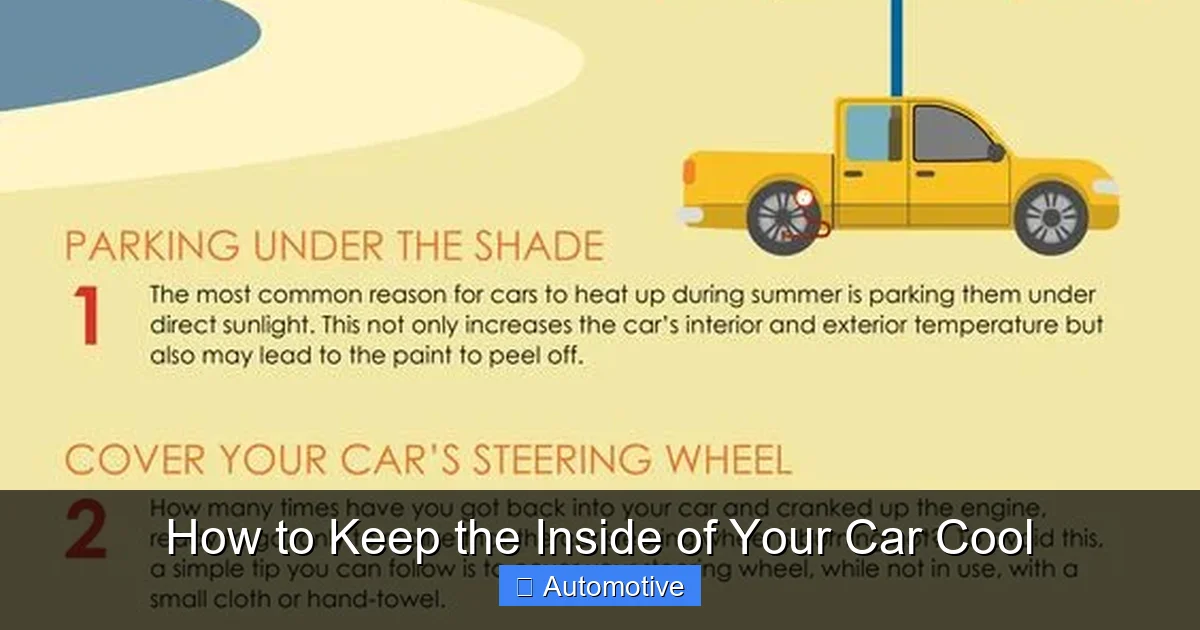
One of the simplest and most effective ways to keep your car cool is by using a windshield sunshade. Think of it as sunscreen for your vehicle. When sunlight hits your windshield, it enters the cabin and gets trapped, creating a greenhouse effect. A sunshade blocks this direct sunlight, significantly reducing heat buildup.
Visual guide about How to Keep the Inside of Your Car Cool
Image source: i.pinimg.com
How Sunshades Work
Most sunshades are made from reflective materials like Mylar or aluminum-coated fabric. They’re designed to reflect up to 99% of solar radiation, preventing it from heating up your dashboard, steering wheel, and seats. Some models are custom-fit for specific car models, while others are universal and foldable for easy storage.
Types of Sunshades
- Reflective foldable shades: These are the most common and affordable. They pop open like a bubble and fit snugly against the windshield. Great for daily use and easy to store in the glove box or back seat.
- Custom-fit shades: Designed for specific makes and models, these offer a perfect fit and often come with suction cups or clips for added stability.
- Magnetic or static cling shades: These attach directly to the glass using magnets or static, eliminating the need to unfold and position them each time.
- Roller shades: Similar to window blinds, these roll down from the top of the windshield and are ideal for drivers who want quick, one-handed operation.
Tips for Maximum Effectiveness
To get the best results, always use your sunshade when parking for more than 15 minutes. Combine it with side window shades for even better coverage. And don’t forget the rear windshield—some cars have large rear windows that let in a lot of heat. If your car has a rear defroster, make sure your sunshade doesn’t block it.
Pro tip: Keep a sunshade in both the front and back of your car so you’re always prepared. And if you’re really serious about cooling, consider a double-layer sunshade with insulation in the middle for extra heat-blocking power.
Park Smart: Shade, Orientation, and Timing
Where and how you park can make a huge difference in how hot your car gets. A few smart choices can keep your cabin significantly cooler without any extra gadgets.
Visual guide about How to Keep the Inside of Your Car Cool
Image source: livinglavidaholoka.com
Seek Out Shade
The easiest way to keep your car cool is to park in the shade. Look for trees, buildings, or parking garages that block direct sunlight. Even partial shade can reduce interior temperatures by 10–20°F (5–11°C). If you’re at a store or restaurant, scout ahead for shaded spots—your future self will thank you.
Use a Car Cover
If shade isn’t available, a breathable car cover can be a lifesaver. Unlike plastic tarps, which trap heat and moisture, quality car covers are made from UV-resistant, breathable fabrics that reflect sunlight while allowing air circulation. They’re especially useful for long-term parking or if you live in a hot, sunny climate.
Mind the Direction You Park
The angle of your car relative to the sun matters. In the morning, the sun rises in the east, so parking with your front end facing west minimizes early heat exposure. In the afternoon, the sun is in the west, so turning your car to face east can help. While this might seem minor, over time it adds up—especially if you park in the same spot daily.
Timing Is Everything
If possible, avoid parking during peak sun hours (10 a.m. to 4 p.m.). If you know you’ll be returning to your car in the evening, try to park in a spot that will be shaded by then. Planning ahead can save you from stepping into a sauna.
Use a Reflective Car Tarp or Canopy
For frequent parkers or those with outdoor parking, consider investing in a portable car canopy or reflective tarp. These pop-up structures provide full shade and can be set up in minutes. Some even come with anchoring systems for windy conditions.
Improve Ventilation: Crack Windows and Use Fans
Even with shade and sunshades, heat can still build up inside your car. That’s where ventilation comes in. Allowing hot air to escape is one of the most underrated ways to keep your car cool.

Visual guide about How to Keep the Inside of Your Car Cool
Image source: tvcrazy.net
Crack Your Windows Slightly
Leaving your windows open just a quarter to half an inch creates a small gap for hot air to escape. This simple trick can reduce interior temperatures by up to 10°F (5.5°C). Just make sure the gap is too small for rain or intruders—most cars have a “vent” position on the window controls that allows this safely.
Use the “Vent Mode” on Your AC
When you first get into a hot car, don’t blast the AC right away. Instead, roll down all the windows and turn the AC to “fresh air” mode for a minute or two. This pushes out the superheated air before switching to recirculation mode, which cools the cabin faster and more efficiently.
Install Portable Fans
Battery-powered or USB-powered fans can make a big difference, especially if your car’s AC is weak or slow. Clip-on fans attach to headrests or seatbacks and blow cool air directly on you. Some models even have misting features for extra relief.
Try an Evaporative Cooler
Also known as swamp coolers, these devices use water evaporation to cool the air. They’re lightweight, portable, and perfect for dry climates. Simply fill the reservoir, turn it on, and enjoy a stream of cool, moist air. Just remember they work best in low-humidity areas.
Use Solar-Powered Ventilation Fans
These clever devices attach to your window or sunroof and use solar energy to run a small fan that pulls hot air out of the car. They’re eco-friendly, require no batteries, and run automatically when the sun is out. Great for long parking sessions.
Upgrade Your Windows: Tinting and UV Protection
Your car’s windows are the main entry point for heat and harmful UV rays. Upgrading them can dramatically improve your cooling efforts.
Install Window Tint
High-quality window tint does more than just look cool—it blocks infrared and ultraviolet rays that cause heat and fading. Look for ceramic or carbon-based tints, which offer superior heat rejection without interfering with electronic signals like GPS or cell phones.
Most states have laws regulating how dark you can tint your windows, so check local regulations before installation. Front side windows usually have stricter limits than rear windows and the back windshield.
Use UV-Blocking Window Films
If full tint isn’t an option, consider a clear UV-blocking film. These nearly invisible layers block up to 99% of UV rays while allowing full visibility. They’re ideal for drivers who want protection without changing their car’s appearance.
Consider Infrared-Rejecting Glass
Some newer cars come with infrared-rejecting (IR) glass, which blocks heat-causing infrared rays while letting in visible light. If you’re buying a new car or replacing windows, this is a premium option worth considering.
Use Side Window Shades
For extra protection, especially on long drives, use removable side window shades. These clip or suction onto the windows and can be folded or rolled up when not in use. Great for passengers, kids, and pets.
Leverage Technology: Remote Start and Smart Cooling
Modern technology offers powerful tools to keep your car cool before you even get in.
Use Remote Start
If your car has remote start, use it! Start your engine 5–10 minutes before you plan to leave. This gives the AC time to cool the cabin and circulate fresh air. Many systems even let you set a schedule or activate via a smartphone app.
Install a Smart Climate Controller
Aftermarket devices like the Automatic Pro or Viper SmartStart let you control your car’s climate remotely. You can start the engine, lock/unlock doors, and monitor cabin temperature—all from your phone.
Use a Car Cooling Seat Cushion
These cushions plug into your car’s 12V outlet and use fans or gel packs to keep your seat cool. Some even have heating options for winter. Perfect for long drives or hot climates.
Invest in a Portable AC Unit
For extreme heat, consider a 12V portable car air conditioner. These compact units plug into your cigarette lighter and can drop cabin temperature by 20–30°F (11–17°C). They’re more expensive but ideal for frequent travelers or people with health conditions sensitive to heat.
Maintain Your AC System for Peak Performance
No matter how many tricks you use, your car’s air conditioning is still the backbone of cabin cooling. Keeping it in top shape ensures it works when you need it most.
Service Your AC Regularly
Have your AC system inspected at least once a year, preferably before summer. A professional can check refrigerant levels, clean the condenser, and replace the cabin air filter. Low refrigerant is a common cause of weak cooling.
Replace the Cabin Air Filter
A dirty cabin air filter restricts airflow, making your AC work harder and cool less effectively. Most manufacturers recommend replacing it every 12,000 to 15,000 miles, or once a year.
Clean the Condenser
The condenser, located in front of the radiator, can get clogged with dirt and debris. Use a garden hose to gently rinse it clean. Avoid high-pressure washers, which can damage the fins.
Check for Leaks
If your AC blows warm air or takes a long time to cool, you might have a refrigerant leak. Have it checked by a mechanic—ignoring it can damage the compressor.
Use Recirculation Mode Wisely
Once your car is cool, switch to recirculation mode to keep cool air inside. But don’t use it for too long—fresh air is needed to prevent CO₂ buildup and drowsiness.
Bonus Tips for Extreme Heat
When temperatures soar above 100°F (38°C), every little bit helps. Here are some extra strategies to stay cool:
- Wet a towel and place it on your head or neck: Evaporation provides instant cooling.
- Use a cooling gel steering wheel cover: These stay cool to the touch and prevent burns.
- Keep a spray bottle of water in the car: A quick mist on your face and arms can lower body temperature.
- Wear light, breathable clothing: Natural fabrics like cotton help your body stay cool.
- Stay hydrated: Drink water before and during your drive to prevent dehydration.
- Never leave children or pets in the car: Even with windows cracked, temperatures can rise to dangerous levels in minutes.
Conclusion
Keeping the inside of your car cool doesn’t have to be a struggle. With a combination of smart habits, affordable accessories, and regular maintenance, you can transform your vehicle into a cool, comfortable sanctuary—even on the hottest days. From using a simple sunshade to upgrading your windows and leveraging modern technology, every step counts.
Remember, it’s not just about comfort. It’s about protecting your health, preserving your car’s interior, and ensuring a safer, more enjoyable driving experience. So the next time you park under the blazing sun, you’ll know exactly what to do. Stay cool, stay safe, and enjoy the ride.
Frequently Asked Questions
How hot can a car get inside on a sunny day?
Even with outside temperatures in the 80s (°F), the interior of a parked car can reach over 120°F (49°C) within an hour. Dark-colored cars and vehicles parked in direct sunlight heat up the fastest.
Do sunshades really make a difference?
Yes! A quality windshield sunshade can reduce interior temperatures by up to 40°F (22°C) by blocking direct sunlight and preventing the greenhouse effect inside the cabin.
Can I leave my windows cracked for ventilation?
Yes, cracking your windows slightly (about a quarter to half an inch) allows hot air to escape and can lower cabin temperature. Just ensure the gap is too small for rain or intruders.
Is window tint legal in all states?
Window tint laws vary by state and vehicle type. Most states allow some tint on rear windows and the back windshield, but front side windows often have stricter limits. Always check local regulations before tinting.
How often should I service my car’s AC system?
It’s recommended to have your AC system inspected at least once a year, preferably before summer. Regular maintenance ensures optimal performance and prevents costly repairs.
Can I use a portable fan in my car?
Absolutely! Battery-powered or USB-powered fans are safe and effective for personal cooling. Clip them to headrests or seatbacks for targeted airflow, especially when the AC is slow to cool.