
How to Remove Spray Paint from Car Glass

Removing spray paint from car glass doesn’t have to be stressful. With the right tools and techniques—like razor blades, rubbing alcohol, or commercial cleaners—you can restore your windshield and windows to crystal-clear condition. This guide walks you through safe, step-by-step methods that protect your glass and save you time and money.
Key Takeaways
- Act quickly: The sooner you address spray paint on car glass, the easier it is to remove without damaging the surface.
- Use the right tools: A plastic or metal razor blade, microfiber cloths, and non-abrasive cleaners are essential for safe removal.
- Avoid harsh chemicals: Ammonia-based or abrasive cleaners can scratch glass or harm window seals and tint.
- Test first: Always test your cleaning solution on a small, inconspicuous area to ensure it won’t cause damage.
- Protect surrounding areas: Tape off rubber seals, paint, and trim to prevent accidental damage during cleaning.
- Consider professional help: For large or stubborn paint jobs, a professional detailer may offer the safest solution.
- Prevent future incidents: Park in secure areas and consider protective films to reduce the risk of vandalism.
📑 Table of Contents
- Introduction: Why Spray Paint on Car Glass Is a Common Problem
- Understanding the Nature of Spray Paint on Glass
- Essential Tools and Supplies for Safe Removal
- Step-by-Step Guide to Removing Spray Paint from Car Glass
- Alternative Methods for Tough or Cured Paint
- Tips to Avoid Damaging Your Car Glass
- When to Call a Professional
- Preventing Future Spray Paint Incidents
- Conclusion: Restoring Clarity with Confidence
Introduction: Why Spray Paint on Car Glass Is a Common Problem
Finding spray paint on your car’s windshield or side windows can be frustrating—and even alarming. Whether it’s the result of an accidental overspray during a DIY project, a prank, or vandalism, spray paint on car glass is more common than you might think. Unlike paint on metal body panels, spray paint on glass presents a unique challenge: glass is non-porous and smooth, which means the paint doesn’t soak in but instead forms a thin, stubborn layer that can be tricky to remove without scratching or clouding the surface.
The good news? Car glass is durable, and with the right approach, you can remove spray paint safely and effectively. The key is knowing which tools and techniques work best and understanding how to avoid common pitfalls. Many people panic and reach for harsh chemicals or abrasive scrubbers, only to end up with micro-scratches or damaged window seals. But by following a careful, methodical process, you can restore your glass to its original clarity—often in under an hour.
Understanding the Nature of Spray Paint on Glass
Visual guide about How to Remove Spray Paint from Car Glass
Image source: evergreencleans.com
Before jumping into removal methods, it helps to understand why spray paint behaves the way it does on glass. Spray paint is typically made of pigments suspended in a solvent-based or water-based carrier. When sprayed, it dries quickly, forming a hard, glossy film. On porous surfaces like wood or metal, the paint can penetrate slightly, but on non-porous glass, it sits on top, creating a thin but tenacious layer.
This surface-level adhesion is both a blessing and a curse. On one hand, it means the paint hasn’t bonded deeply, so it’s easier to lift off. On the other hand, if the paint has fully cured—especially after several days—it becomes much harder to remove. That’s why timing matters. Fresh spray paint (within 24–48 hours) is significantly easier to remove than paint that’s had time to harden.
Another factor to consider is the type of spray paint. Enamel-based paints (common in automotive and craft sprays) are more durable and resistant to solvents, while latex or water-based paints may dissolve more easily with water or mild cleaners. Knowing the paint type can help you choose the best removal method, though in most cases, you’ll need a combination of mechanical and chemical approaches.
Essential Tools and Supplies for Safe Removal
Visual guide about How to Remove Spray Paint from Car Glass
Image source: paintpurity.com
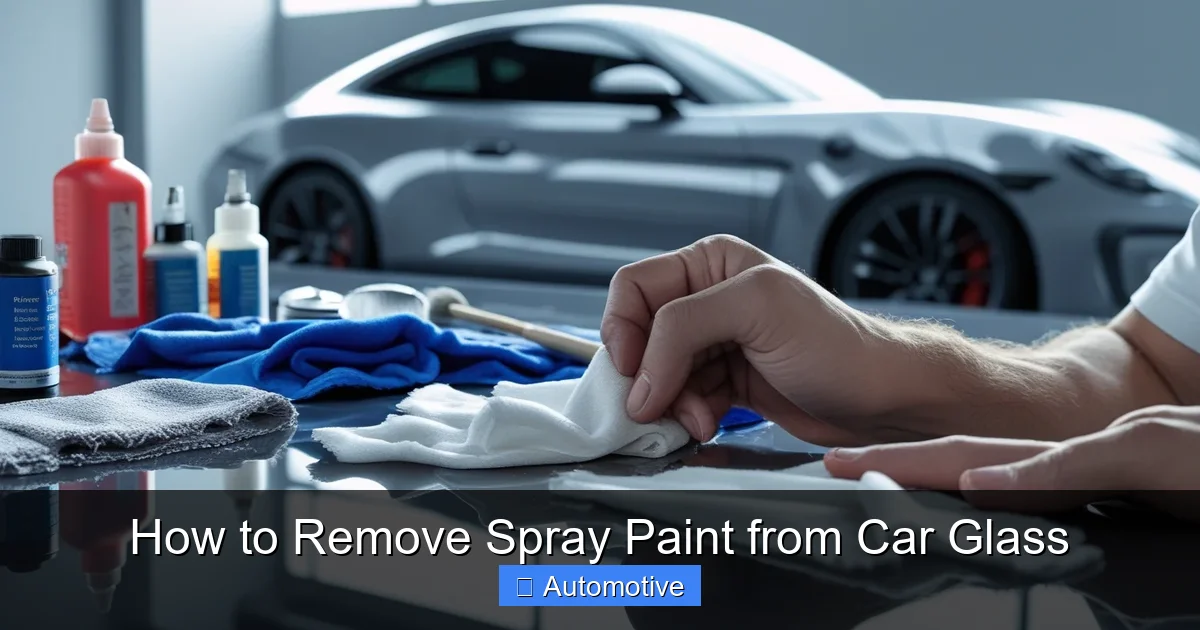
Having the right tools on hand makes all the difference when removing spray paint from car glass. You don’t need expensive equipment—just a few key items that are often already in your garage or kitchen.
Razor Blades (Glass-Safe)
A high-quality razor blade is one of the most effective tools for removing spray paint from glass. Glass is harder than steel, so a sharp blade can scrape off paint without scratching the surface—provided you use it correctly. Opt for a single-edge razor blade or a dedicated glass scraper with a replaceable blade. Avoid using dull blades, as they require more pressure and increase the risk of slipping or scratching.
Microfiber Cloths
Microfiber cloths are essential for wiping away residue and buffing the glass to a shine. They’re soft, lint-free, and highly absorbent, making them ideal for both cleaning and drying. Keep several on hand—one for applying cleaner, one for scraping, and one for final polishing.
Isopropyl Alcohol or Rubbing Alcohol
Isopropyl alcohol (70% or higher) is a gentle solvent that breaks down many types of spray paint without damaging glass. It’s especially effective on water-based or partially cured paint. Apply it with a cloth or spray bottle, let it sit for a minute, then wipe or scrape away the softened paint.
Commercial Glass Cleaners or Paint Removers
Products like Goo Gone, WD-40, or dedicated automotive glass cleaners can help dissolve paint. Look for non-ammonia formulas, as ammonia can degrade rubber seals and window tint over time. Always check the label to ensure the product is safe for automotive glass.
Plastic Razor Blades (Optional)
If you’re nervous about using a metal blade—especially on tinted windows or curved glass—plastic razor blades are a safer alternative. They’re less likely to scratch but may require more passes to remove tough paint.
Protective Gear
Don’t forget safety! Wear gloves to protect your hands from chemicals and sharp edges, and consider safety glasses if you’re using a scraper near your face.
Step-by-Step Guide to Removing Spray Paint from Car Glass
Visual guide about How to Remove Spray Paint from Car Glass
Image source: rxmechanic.com
Now that you have your tools ready, it’s time to get to work. Follow these steps carefully to remove spray paint safely and effectively.
Step 1: Assess the Situation
Start by examining the affected area. How much paint is there? Is it fresh or dried? Is it on the windshield, side windows, or rear glass? Check for any nearby damage to paint, trim, or seals. If the paint has spread onto the car’s body, you’ll want to protect those areas with painter’s tape before proceeding.
Step 2: Test a Small Area
Before applying any cleaner or scraper to the entire spot, test your method on a small, inconspicuous area—like the edge of the windshield near the molding. This ensures the cleaner won’t discolor the glass or damage any tint or seals.
Step 3: Apply a Solvent
Spray or dab a small amount of isopropyl alcohol, Goo Gone, or your chosen cleaner onto the painted area. Let it sit for 1–2 minutes to soften the paint. Avoid letting the cleaner drip onto the car’s paint or interior surfaces, as some solvents can cause damage.
Step 4: Scrape Gently with a Razor Blade
Hold the razor blade at a 30- to 45-degree angle to the glass. Use light, even pressure and scrape in one direction—don’t go back and forth like you’re shaving. Work in small sections, reapplying solvent as needed. The paint should begin to lift off in flakes or strips.
Step 5: Wipe Away Residue
As you scrape, use a microfiber cloth to wipe away the loosened paint and cleaner. This prevents smearing and helps you see your progress. If residue remains, apply more solvent and repeat the scraping process.
Step 6: Clean and Polish the Glass
Once all the paint is removed, clean the entire window with a high-quality glass cleaner and a fresh microfiber cloth. This removes any leftover solvent, oils, or fine particles. For extra shine, follow up with a glass polish or vinegar-water solution (50/50 mix).
Step 7: Inspect and Repeat if Necessary
Hold the glass up to the light and check for any remaining paint or scratches. If you spot stubborn spots, repeat the process. Be patient—rushing can lead to mistakes.
Alternative Methods for Tough or Cured Paint
Sometimes, spray paint has been on the glass for days or even weeks, making it much harder to remove. In these cases, you may need to try alternative methods.
Using WD-40
WD-40 is a versatile lubricant and solvent that can break down dried paint. Spray it directly onto the painted area, let it sit for 5–10 minutes, then wipe with a cloth. For tougher spots, use a plastic scraper or an old credit card to gently lift the paint. WD-40 is safe for glass and won’t damage most seals, but be sure to wipe it off thoroughly afterward to avoid leaving a greasy film.
Baking Soda and Water Paste
For a natural, non-toxic option, mix baking soda with a little water to form a thick paste. Apply it to the paint and let it sit for 10–15 minutes. Then, use a soft cloth or plastic scraper to gently rub the area. The mild abrasiveness of baking soda helps lift the paint without scratching the glass. This method works best on light overspray or water-based paints.
Commercial Paint Removers
For enamel or heavily cured paint, consider a commercial paint remover designed for glass. Products like 3M Adhesive Remover or Klean-Strip are effective but require caution. Always follow the manufacturer’s instructions, work in a well-ventilated area, and wear gloves and eye protection. These products can be harsh, so use them sparingly and rinse thoroughly.
Steam Cleaning
If you have access to a handheld steam cleaner, it can be a powerful tool for loosening dried paint. The heat and moisture soften the paint, making it easier to wipe away. Hold the steamer a few inches from the glass and move it slowly over the affected area. Follow up with a scraper or cloth. Be careful not to overheat one spot, as rapid temperature changes can crack glass.
Tips to Avoid Damaging Your Car Glass
While removing spray paint, it’s easy to accidentally cause more harm than good. Here are some essential tips to keep your glass in top condition.
Never Use Abrasive Pads or Steel Wool
Steel wool, Scotch-Brite pads, or harsh scrubbers may remove paint, but they’ll also scratch the glass. Even fine-grit sandpaper can leave micro-scratches that scatter light and reduce visibility. Stick to soft cloths and razor blades.
Avoid Ammonia-Based Cleaners on Tinted Windows
If your car has tinted windows, avoid cleaners containing ammonia, such as Windex. Ammonia can degrade the tint film over time, causing it to bubble, peel, or discolor. Use ammonia-free glass cleaners instead.
Protect Rubber Seals and Trim
Rubber window seals and plastic trim can be damaged by solvents or scraping. Use painter’s tape to cover these areas before you start. If cleaner gets on the seals, wipe it off immediately.
Work in the Shade
Cleaning glass in direct sunlight can cause cleaners to dry too quickly, leaving streaks or making the paint harder to remove. Choose a cool, shaded area—like a garage or under a tree.
Don’t Rush
Patience is key. Applying too much pressure or using excessive force can lead to scratches or cracks. Take your time, work in small sections, and reapply solvent as needed.
When to Call a Professional
While most spray paint incidents can be handled at home, there are times when it’s best to call in a professional.
If the paint covers a large area—like an entire windshield—or if it’s been there for weeks and won’t budge, a professional detailer or auto glass specialist may have stronger tools and techniques. They often use industrial-grade solvents, steam cleaners, or specialized scrapers that are safer and more effective.
Additionally, if your car has advanced features like rain sensors, lane departure cameras, or heated windshields, DIY cleaning could interfere with their function. Professionals know how to work around these components without causing damage.
Finally, if you’re unsure about the type of paint or the condition of your glass, it’s better to be safe than sorry. A quick consultation with a detailer can save you from costly mistakes.
Preventing Future Spray Paint Incidents
Once your glass is clean, take steps to reduce the risk of this happening again.
Park in well-lit, secure areas whenever possible. If you’re working on a DIY project that involves spray paint, cover your car with a tarp or park it far away. Consider installing a dash cam with motion detection to deter vandals.
For added protection, some car owners apply a clear protective film to their windshields and windows. These films absorb minor scratches and can be replaced if damaged, saving your actual glass from harm.
Conclusion: Restoring Clarity with Confidence
Removing spray paint from car glass might seem daunting at first, but with the right knowledge and tools, it’s a manageable task. By acting quickly, using gentle solvents, and scraping carefully with a razor blade, you can restore your windshield and windows to their original clarity. Remember to protect surrounding areas, avoid harsh chemicals, and test your method first.
Whether you’re dealing with a small overspray or a full-on graffiti incident, this guide gives you the confidence to handle it like a pro. And if the job feels too big, don’t hesitate to seek professional help. Your car’s glass is too important to risk with guesswork.
With a little patience and the right approach, you’ll be back to clear, unobstructed views in no time.
Frequently Asked Questions
Can I use Windex to remove spray paint from car glass?
Windex contains ammonia, which can damage window tint and degrade rubber seals over time. It’s better to use ammonia-free glass cleaners or isopropyl alcohol for spray paint removal.
Will a razor blade scratch my windshield?
A sharp razor blade used at the correct angle and with light pressure will not scratch glass. Always use a fresh blade and avoid pressing too hard.
How long should I let the solvent sit before scraping?
Most solvents need 1–2 minutes to soften the paint. For dried or cured paint, you may need to wait 5–10 minutes or reapply the solvent.
Can I remove spray paint from tinted windows?
Yes, but avoid ammonia-based cleaners and use plastic scrapers to prevent damaging the tint film. Test your method on a small area first.
What if the paint won’t come off after several attempts?
If home methods fail, consider using a commercial paint remover or consulting a professional detailer who has specialized tools and experience.
Is it safe to use vinegar to clean spray paint off glass?
Vinegar is safe for glass and can help remove light residue, but it’s not strong enough for most spray paint. Use it as a final cleaner, not a primary remover.
