
Can You Sleep in Your Car in California?

Sleeping in your car in California is legal in many places but heavily regulated. While some cities ban overnight parking or require permits, others allow it in designated areas like rest stops, campgrounds, or Walmart lots. Knowing the rules can help you stay safe and avoid fines.
Key Takeaways
- Legality varies by city and county: California state law doesn’t ban sleeping in cars, but local ordinances often do—check city rules before parking overnight.
- Rest stops allow limited overnight stays: Most California Highway Patrol (CHP) rest areas permit up to 8 hours of rest, but no camping gear or long-term stays.
- Walmart and big-box stores may allow it: Many Walmart locations allow overnight parking, but always ask permission first and be discreet.
- BLM and national forest lands are great options: Bureau of Land Management (BLM) areas and national forests often allow dispersed camping, including in your vehicle, for up to 14 days.
- Safety and discretion matter: Park in well-lit, populated areas, lock doors, and avoid drawing attention to reduce risks.
- Homelessness laws are changing: Recent court rulings limit cities from enforcing anti-camping laws when shelter space is unavailable—know your rights if you’re unhoused.
- Use apps and resources: Tools like iOverlander, FreeRoam, and Parkopedia help find safe, legal spots to sleep in your car across California.
📑 Table of Contents
Can You Sleep in Your Car in California?
If you’re road-tripping through California or facing temporary housing challenges, you might wonder: Can you sleep in your car in California? The short answer is yes—but with important caveats. While the Golden State doesn’t have a statewide ban on sleeping in vehicles, local laws, city ordinances, and safety concerns make it a complex issue. Whether you’re a traveler, van lifer, or someone experiencing homelessness, understanding where and how you can legally and safely sleep in your car is crucial.
California’s diverse landscape—from bustling cities like Los Angeles and San Francisco to remote deserts and national forests—means the rules can change dramatically from one area to the next. Some cities strictly prohibit overnight parking in residential zones, while others turn a blind eye if you’re discreet. Meanwhile, public lands and private businesses offer more lenient options. The key is knowing where you can park without getting a ticket, towed, or worse.
This guide will walk you through everything you need to know about sleeping in your car in California. We’ll cover the legal landscape, safe places to park, tips for staying comfortable and secure, and resources to help you plan your stay. Whether you’re planning a weekend adventure or navigating a tough situation, this information will help you make smart, informed decisions.
Understanding California’s Laws on Sleeping in Your Car
Visual guide about Can You Sleep in Your Car in California?
Image source: i.pinimg.com
State Law vs. Local Ordinances
At the state level, California does not have a law that explicitly bans sleeping in your car. However, the California Vehicle Code (CVC) includes regulations that indirectly affect where and how you can park overnight. For example, CVC Section 22507 allows local authorities to restrict parking on public streets, including overnight parking. This means cities and counties can—and often do—create their own rules.
Many California cities have enacted ordinances that prohibit sleeping in vehicles on public streets or in public parking areas. These laws are often justified on grounds of public safety, neighborhood quality, and sanitation. For instance, cities like San Francisco, Los Angeles, and San Diego have strict anti-camping and vehicle habitation laws. Violating these can result in fines, towing, or even misdemeanor charges.
Recent Legal Developments
In recent years, court rulings have begun to shift the landscape. The landmark 2018 case Martin v. Boise ruled that cities cannot criminally punish people for sleeping in public spaces if there are no available shelter beds. While this case originated in Idaho, it has influenced policies across the U.S., including California.
As a result, some California cities have paused or revised enforcement of anti-camping laws when shelter space is insufficient. However, this doesn’t mean sleeping in your car is fully legal—it just means enforcement may be limited under certain conditions. If you’re unhoused, it’s important to know your rights and connect with local advocacy groups.
Enforcement and Penalties
Enforcement varies widely. In tourist-heavy areas like Santa Monica or Venice Beach, police may be more active in moving people along. In contrast, rural counties might not patrol as frequently. Common penalties include:
– Parking citations ($50–$200)
– Vehicle towing (costing $200–$500+ to retrieve)
– Criminal charges in repeat or aggravated cases
Always check local municipal codes before parking overnight. Many city websites list parking restrictions, including time limits and overnight bans.
Safe and Legal Places to Sleep in Your Car
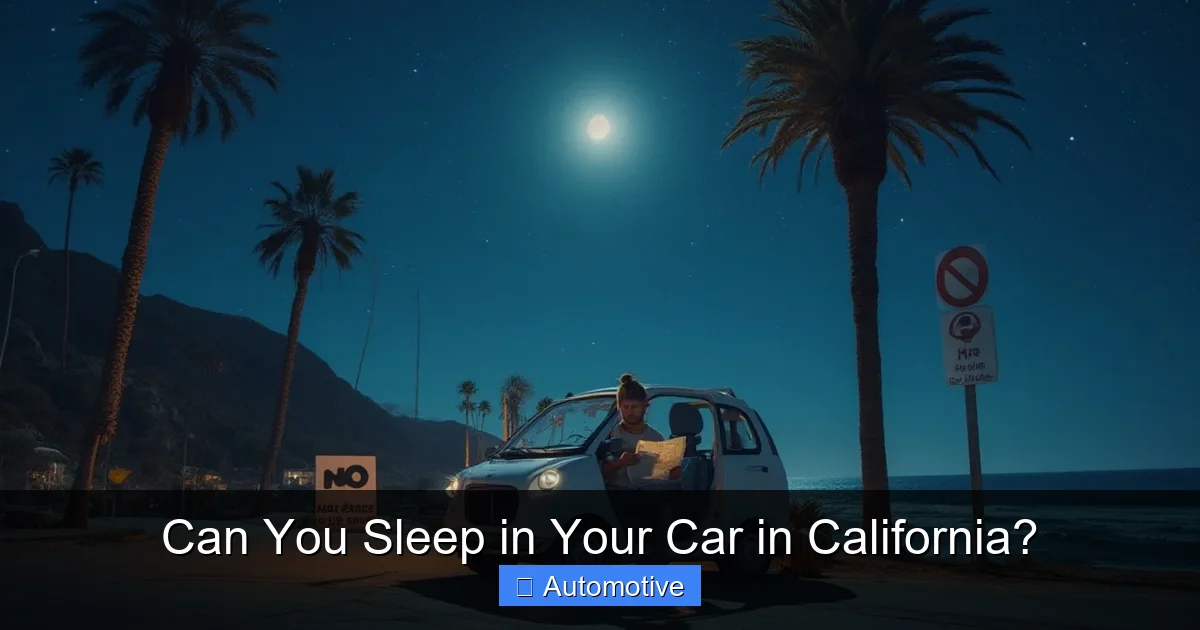
Visual guide about Can You Sleep in Your Car in California?
Image source: roadtripmotorhomes.co.uk
Rest Stops and Highway Pullouts
California has over 100 rest areas operated by the California Department of Transportation (Caltrans). These are among the safest and most legal places to sleep in your car—especially for short stays.
Most rest stops allow overnight parking for up to 8 hours. However, there are rules:
– No camping gear (tents, grills, etc.)
– No long-term stays (typically limited to one night)
– No open containers or alcohol
– No loud music or disturbances
Popular rest stops include those along Highway 101, I-5, and Highway 1. They’re well-lit, monitored by CHP, and often have restrooms and vending machines. Avoid isolated or poorly lit areas, especially at night.
Walmart and Big-Box Stores
Many Walmart locations across California allow overnight parking. This is a common practice for RVers, truckers, and travelers. However, it’s not guaranteed—some stores prohibit it due to local laws or store policy.
Tips for parking at Walmart:
– Always ask the store manager for permission.
– Park in the back or side of the lot, away from entrances.
– Be quiet, clean, and respectful.
– Don’t stay longer than one or two nights.
Other stores like Target, Home Depot, and Costco may also allow overnight parking, but policies vary. Always check first.
Bureau of Land Management (BLM) and National Forests
If you’re willing to drive a bit off the beaten path, BLM lands and national forests offer some of the best opportunities for legal car camping.
BLM areas in California—such as those in the Mojave Desert, the Eastern Sierra, or near Redding—often allow dispersed camping. This means you can park and sleep in your car for free, usually for up to 14 days in a 28-day period.
National forests like the Angeles, Sequoia, or Tahoe National Forest also permit dispersed camping in many areas. Just make sure you’re not on private land or in a designated campground that requires a fee.
Always follow Leave No Trace principles: pack out trash, avoid damaging vegetation, and use existing fire rings if you build a fire.
Designated Overnight Parking Programs
Some California cities have launched pilot programs to allow safe overnight parking for people experiencing homelessness. For example:
– **San Diego’s “Safe Parking” program** offers designated lots with security, restrooms, and access to services.
– **Santa Clara County** has similar initiatives in partnership with nonprofits.
These programs are often limited in capacity and require registration. Check with local homeless service providers for availability.
Campgrounds and RV Parks
If you’re looking for a more comfortable option, consider staying at a campground or RV park. Many allow car camping, especially if your vehicle is equipped for it.
State parks like Big Sur, Joshua Tree, or Lake Tahoe offer campsites with amenities like showers, fire pits, and picnic tables. Fees range from $15 to $50 per night.
Private RV parks may charge more but often provide full hookups, Wi-Fi, and security. Apps like Campendium or The Dyrt can help you find nearby options.
Safety Tips for Sleeping in Your Car
Visual guide about Can You Sleep in Your Car in California?
Image source: thedailyautomotive.com
Choose the Right Location
Safety starts with where you park. Avoid isolated areas, dark alleys, or industrial zones with little foot traffic. Instead, opt for:
– Well-lit parking lots (Walmart, grocery stores)
– Rest stops with CHP presence
– Designated camping areas
– Residential streets with active homes (if allowed)
If you’re in a city, park near other vehicles and avoid drawing attention. Don’t leave valuables in sight.
Stay Discreet and Respectful
The less attention you draw, the safer you’ll be. Avoid:
– Setting up a tent or awning
– Cooking with open flames
– Playing loud music
– Leaving trash or signs of habitation
Use window shades or curtains to maintain privacy. If you’re staying more than one night, consider moving your car slightly each day to avoid suspicion.
Prepare for Comfort and Security
Sleeping in a car can be uncomfortable, but a few upgrades can help:
– Use a foam mattress or sleeping pad
– Bring warm blankets (nights can get cold, even in Southern California)
– Use a battery-powered fan or heater (never run your car engine indoors)
– Keep a flashlight, phone charger, and first-aid kit handy
For security, always lock your doors and keep windows slightly cracked for ventilation. Consider a steering wheel lock or motion sensor alarm for added peace of mind.
Know Emergency Resources
Keep a list of local emergency numbers, including non-emergency police lines and homeless outreach services. Apps like SafeTrek or bSafe can send alerts to trusted contacts if you feel unsafe.
If you’re in a rural area, let someone know your location and expected return time. Cell service can be spotty, so consider a satellite communicator like a Garmin inReach.
Challenges and Considerations
Weather and Climate
California’s climate varies widely. Coastal areas like San Francisco can be foggy and chilly, while inland valleys like the Central Valley can soar above 100°F in summer. Deserts like Death Valley are extremely hot during the day and cold at night.
Always check the weather forecast and prepare accordingly. In winter, mountain passes may close due to snow. In summer, heatstroke is a real risk—never sleep in a closed car without ventilation.
Access to Amenities
One of the biggest challenges of car camping is access to basic needs:
– **Restrooms:** Rest stops, gas stations, and fast-food chains (like McDonald’s) often have public restrooms. Some cities have 24-hour facilities.
– **Water:** Fill up at gas stations, rest stops, or campgrounds. Carry a reusable water bottle.
– **Food:** Pack non-perishable snacks and meals. Some grocery stores allow you to use their parking lots and restrooms.
Consider investing in a portable camping stove or electric cooler for more meal options.
Privacy and Social Stigma
Sleeping in your car can attract unwanted attention. Some people may assume you’re homeless or up to no good. While this isn’t always fair, it’s a reality you may face.
To reduce stigma:
– Keep your car clean and organized
– Avoid loitering or panhandling
– Be friendly but not overly visible
If you’re traveling for leisure, consider calling your trip “car camping” or “van life” to reframe the experience positively.
Resources and Tools for Car Campers
Apps and Websites
Several apps can help you find safe, legal places to sleep in your car:
– **iOverlander:** Crowdsourced database of campsites, rest stops, and parking areas. Free and widely used by overlanders.
– **FreeRoam:** Focuses on free and low-cost camping spots, including BLM and national forest areas.
– **Parkopedia:** Shows parking availability and restrictions in cities.
– **Google Maps:** Search for “rest areas,” “Walmart,” or “BLM land” to find potential spots.
Always verify information with local sources, as conditions can change.
Community and Support Groups
If you’re experiencing homelessness, connect with local organizations:
– **LA Family Housing (Los Angeles)**
– **Hamilton Families (San Francisco)**
– **PATH (People Assisting the Homeless) – statewide**
These groups offer shelter referrals, hygiene kits, and legal advocacy.
For travelers, online communities like Reddit’s r/vanlife or Facebook groups for overlanders can provide tips and support.
Conclusion
So, can you sleep in your car in California? The answer is yes—but it depends on where you are, why you’re doing it, and how prepared you are. While the state doesn’t ban car sleeping outright, local laws, safety concerns, and practical challenges mean you need to plan carefully.
From rest stops and Walmart lots to BLM lands and campgrounds, there are legal and safe options across California. The key is to stay informed, be respectful, and prioritize your safety. Whether you’re on a spontaneous road trip or navigating a difficult life situation, knowing your rights and resources can make all the difference.
Remember: sleeping in your car doesn’t have to be a last resort. With the right preparation, it can be a practical, even adventurous, way to explore the Golden State. Just do your research, pack smart, and always have a backup plan.
Frequently Asked Questions
Is it illegal to sleep in your car in California?
No, it’s not illegal under California state law, but many cities and counties have local ordinances that prohibit sleeping in vehicles on public streets or in certain areas. Always check local rules before parking overnight.
Can I sleep in my car at a California rest stop?
Yes, most Caltrans rest stops allow overnight parking for up to 8 hours. However, camping gear, long-term stays, and alcohol are not permitted. Avoid isolated or poorly lit areas for safety.
Does Walmart allow overnight parking in California?
Many Walmart locations in California allow overnight parking, but it’s not guaranteed. Always ask the store manager for permission and park discreetly in the back of the lot.
Where can I legally sleep in my car for free in California?
Free options include BLM lands, national forests (for dispersed camping), and some rest stops. Always follow local rules and practice Leave No Trace principles to avoid fines.
What should I do if I’m homeless and sleeping in my car in California?
Connect with local homeless service organizations for shelter referrals, hygiene kits, and legal support. Know your rights under the Martin v. Boise ruling, which limits enforcement when shelter space is unavailable.
How can I stay safe while sleeping in my car?
Park in well-lit, populated areas, lock your doors, and avoid drawing attention. Use window shades for privacy, keep emergency supplies handy, and let someone know your location if you’re in a remote area.
