
Does Car Insurance Cover Tornado Damage?

Yes, car insurance typically covers tornado damage—but only if you have comprehensive coverage. This protection pays for repairs or replacement when your vehicle is damaged by falling trees, hail, flying debris, or flooding caused by a tornado. Without comprehensive coverage, you’ll likely foot the bill yourself.
If you’ve ever watched dark clouds roll in, heard the sirens wail, or seen a funnel cloud touch down, you know how terrifying tornadoes can be. These violent storms can flatten homes, uproot trees, and turn everyday objects into dangerous projectiles. But what happens when your car—parked in the driveway, garage, or even on the street—gets caught in the path of destruction? Does your car insurance actually cover tornado damage?
The short answer? Yes—but only if you have the right kind of coverage. Most drivers assume their standard auto policy will protect them from any kind of damage, but that’s not always true. While liability insurance (which is required in nearly every state) covers damage you cause to others, it doesn’t protect your own vehicle. That’s where comprehensive coverage comes in. It’s the unsung hero of auto insurance when Mother Nature strikes.
In this guide, we’ll walk you through everything you need to know about car insurance and tornado damage. We’ll explain what comprehensive coverage is, how it applies to tornadoes, what types of damage are covered, and what steps you should take if your car is hit by a storm. We’ll also share real-life examples, practical tips, and answers to common questions so you can feel confident and prepared—no matter what the weather brings.
Key Takeaways
- Comprehensive coverage is essential: It’s the only auto insurance policy that covers tornado-related damage, including hail, wind, and flooding.
- Liability-only policies won’t help: If you only carry state-minimum liability insurance, tornado damage to your own car won’t be covered.
- Filing a claim promptly matters: Report damage quickly and document everything with photos and police reports to speed up the process.
- Deductibles still apply: You’ll pay your deductible before insurance kicks in, so factor that into your financial planning.
- Rental reimbursement can help: If your policy includes rental car coverage, you may get a temporary vehicle while yours is repaired.
- Acts of God are covered: Tornadoes are considered “acts of God,” but comprehensive insurance still applies—don’t assume they’re excluded.
- Review your policy annually: Make sure your coverage limits and deductibles still meet your needs, especially if you live in a tornado-prone area.
📑 Table of Contents
What Is Comprehensive Car Insurance?
Comprehensive coverage is one of the two main types of physical damage protection in an auto insurance policy (the other being collision coverage). While collision covers damage from accidents—like hitting another car or a guardrail—comprehensive covers everything else. Think of it as your “non-collision” protection.
This includes damage from natural disasters like tornadoes, hurricanes, earthquakes, and wildfires. It also covers theft, vandalism, falling objects (like tree branches), and even hitting an animal on the road. In short, if something damages your car that isn’t another vehicle or a crash, comprehensive is usually the one that steps in.
For example, imagine a tornado rips through your neighborhood. A large oak tree in your yard is uprooted and crashes onto your parked car, crushing the roof and shattering the windows. Without comprehensive coverage, you’d have to pay for repairs or a replacement out of pocket. But with it, your insurance company will cover the cost—minus your deductible.
It’s important to note that comprehensive coverage is optional in most states. If you finance or lease your car, your lender will likely require it. But if you own your vehicle outright, you might be tempted to skip it to save money. That’s a risky move, especially if you live in an area prone to severe weather.
How Comprehensive Coverage Works
When you purchase comprehensive coverage, you choose a deductible—the amount you’ll pay out of pocket before insurance covers the rest. Common deductibles range from $250 to $1,000. The higher your deductible, the lower your premium, but the more you’ll pay if you file a claim.
Let’s say your car is damaged by a tornado and the repair estimate is $5,000. If your deductible is $500, your insurance will pay $4,500, and you’ll pay the remaining $500. If the damage exceeds your car’s actual cash value (ACV), the insurer will declare it a total loss and pay you the ACV minus your deductible.
Comprehensive coverage also has limits. Most policies cap payouts at the car’s ACV at the time of the incident. So if your car is worth $10,000 and the damage is $12,000, you’ll only get $10,000 (minus your deductible).
Why It’s Worth the Extra Cost
Some drivers wonder if comprehensive coverage is worth the added expense. The average cost is around $150–$300 per year, depending on your vehicle, location, and driving history. But consider this: a single hailstorm or tornado can cause thousands of dollars in damage.
In 2023, a tornado in Oklahoma caused over $100 million in insured losses, including thousands of damaged vehicles. Many of those drivers were grateful they had comprehensive coverage. Without it, they’d be facing massive repair bills or even having to replace their cars entirely.
Even if you live in a low-risk area, severe weather is becoming more unpredictable due to climate change. Tornadoes are no longer confined to “Tornado Alley”—they’ve been reported in every state, including places like Massachusetts and California. So even if you’ve never seen a tornado before, it’s smart to be prepared.
What Types of Tornado Damage Are Covered?
Visual guide about Does Car Insurance Cover Tornado Damage?
Image source: sr22texas.org
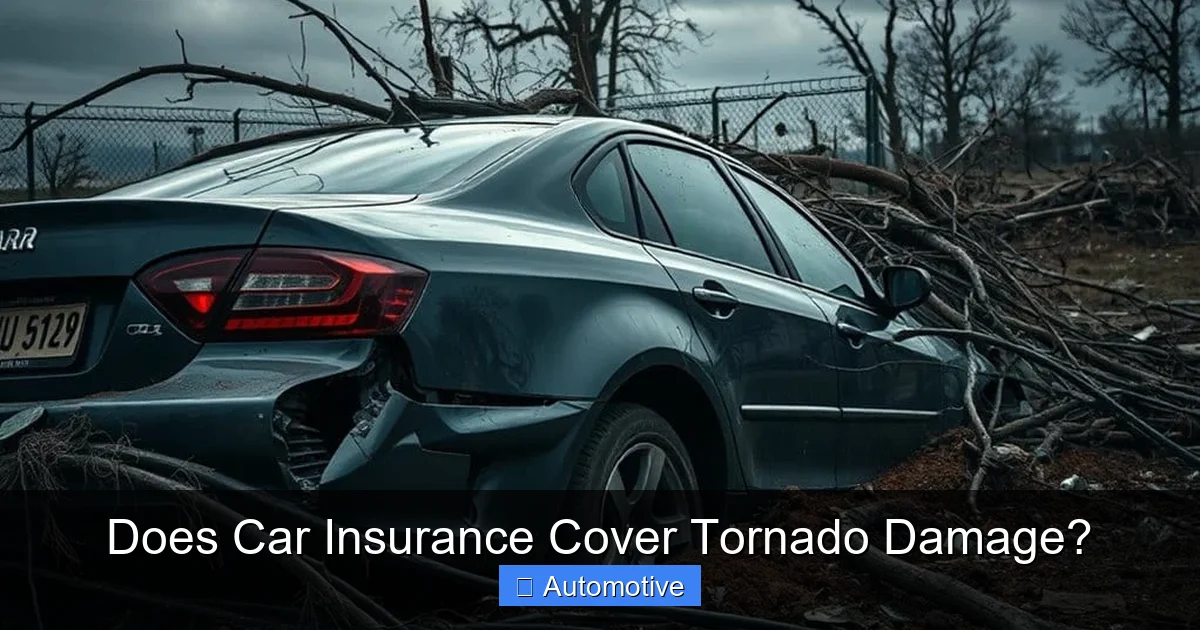
Tornadoes can cause a wide range of damage to vehicles, and comprehensive insurance typically covers all of it—as long as it’s not excluded in your policy. Here are the most common types of tornado-related damage and how insurance handles them.
Hail Damage
Hail is one of the most frequent causes of vehicle damage during tornadoes and severe thunderstorms. Golf ball-sized or larger hail can dent hoods, break windshields, and crack sunroofs. Comprehensive coverage will pay for repairs or replacement of damaged parts.
For example, if a hailstorm leaves your car with dozens of dents and a shattered windshield, your insurer will cover the cost of paintless dent repair and glass replacement—minus your deductible. Some insurers even offer “hail damage forgiveness” programs that waive your deductible if you’re a long-term customer.
Falling Trees and Debris
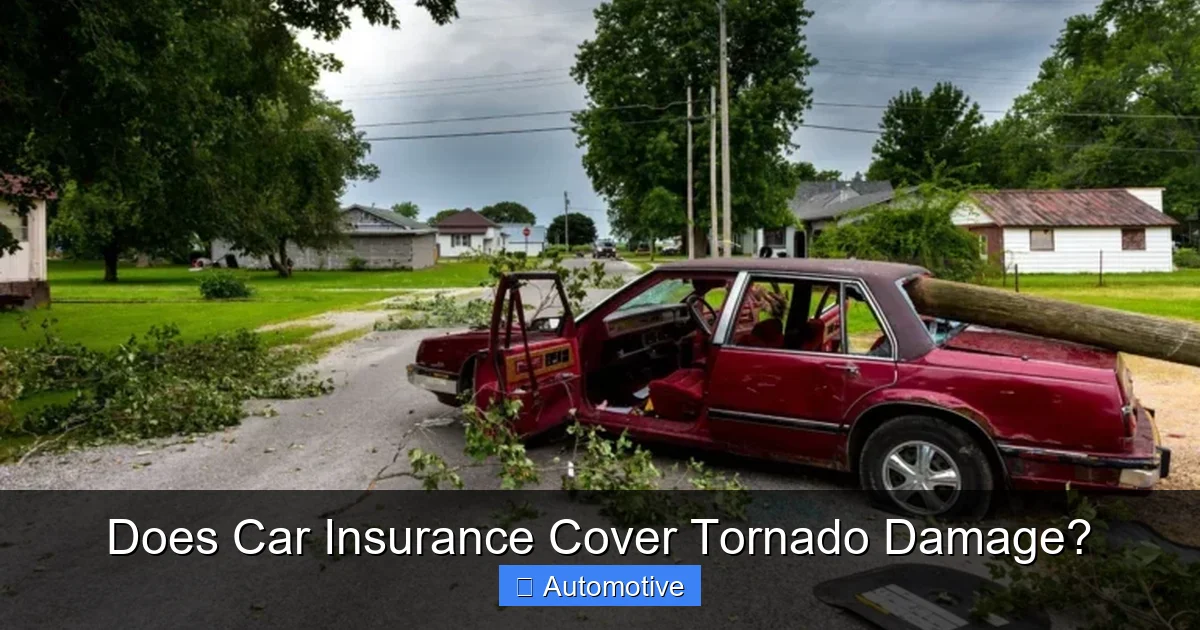
Tornadoes can uproot trees, tear off roofs, and send signs, fences, and even entire buildings flying. If any of this debris lands on your car, comprehensive coverage will pay for the damage.
Say a neighbor’s shed is ripped from its foundation and crashes into your parked car, crushing the trunk and damaging the rear window. Your insurance will cover the repairs, even though the damage wasn’t caused by a collision.
Flood and Water Damage
Tornadoes are often accompanied by heavy rain and flooding. If your car is submerged in water—even partially—comprehensive coverage will typically pay for damage to the engine, electronics, interior, and more.
However, there’s a catch: if your car was already damaged and then flooded, insurers may argue that the water damage was a secondary issue. That’s why it’s crucial to document the timeline of events and report the claim as soon as possible.
Wind Damage
While wind itself doesn’t usually damage cars directly, it can cause indirect damage. For instance, strong winds might blow your car into a fence or cause it to roll if it’s not properly parked. In most cases, this type of damage is still covered under comprehensive, as long as it wasn’t due to negligence (like leaving your car in neutral on a hill).
Fire Damage
Tornadoes can knock down power lines or damage gas lines, leading to fires. If your car is damaged by fire during or after a tornado, comprehensive coverage will apply.
It’s worth noting that some policies may exclude certain types of damage, such as mechanical breakdowns caused by water intrusion. Always read your policy carefully or ask your agent for clarification.
What’s Not Covered?
Visual guide about Does Car Insurance Cover Tornado Damage?
Image source: trybeem.com
While comprehensive coverage is broad, it’s not all-encompassing. There are some situations where your claim might be denied—or only partially paid.
Negligence or Lack of Maintenance
If your car is damaged because you failed to maintain it properly, your claim could be denied. For example, if your car floods because you ignored a known leak in the door seals, the insurer might argue that the damage was preventable.
Similarly, if you park your car in a known flood zone during a tornado warning and it gets submerged, the insurer might reduce your payout or deny the claim altogether.
Wear and Tear
Comprehensive coverage doesn’t pay for normal wear and tear. If your car’s paint is already faded or the interior is worn, the insurer won’t cover those issues—even if they’re worsened by storm damage.
Mechanical Breakdowns
If your car’s engine fails because water got into the air intake during flooding, some insurers may classify this as a mechanical issue rather than storm damage. In such cases, you might need additional coverage like mechanical breakdown insurance (MBI) to be fully protected.
Unreported or Delayed Claims
Filing a claim too late can hurt your chances of getting paid. Most insurers require you to report damage within a certain timeframe—usually 30 days. If you wait too long, they may question the cause of the damage or assume it wasn’t storm-related.
How to File a Claim After Tornado Damage
Visual guide about Does Car Insurance Cover Tornado Damage?
Image source: cheapinsurance.com
If your car is damaged in a tornado, acting quickly can make a big difference in how smoothly your claim goes. Here’s a step-by-step guide to help you through the process.
Step 1: Ensure Safety First
Before you assess the damage, make sure you and your passengers are safe. Tornadoes can leave behind downed power lines, gas leaks, and unstable structures. Don’t approach your car if it’s in a dangerous area.
Step 2: Document the Damage
Take clear photos and videos of your car from multiple angles. Capture close-ups of dents, broken glass, water damage, and any debris that caused the damage. If possible, take pictures of the surrounding area to show the extent of the storm.
Step 3: Contact Your Insurance Company
Call your insurer as soon as possible—many have 24/7 claim lines. Provide your policy number, describe what happened, and share the photos you took. They’ll assign you a claims adjuster who will guide you through the next steps.
Step 4: Get a Repair Estimate
Your insurer may ask you to get an estimate from a certified repair shop. Some companies have preferred shops, but you’re usually free to choose your own. Make sure the estimate includes all damage, including hidden issues like water in the electrical system.
Step 5: Work with the Adjuster
The claims adjuster will inspect your car and review the estimate. They may accept it, suggest a lower amount, or request a second opinion. Be honest and cooperative, but don’t be afraid to ask questions if something doesn’t make sense.
Step 6: Get Your Car Repaired or Replaced
Once the claim is approved, you can move forward with repairs. If your car is totaled, the insurer will send you a check for the ACV minus your deductible. You can use that money to buy a new vehicle.
Step 7: Keep Records
Save all paperwork related to the claim, including the estimate, repair receipts, and correspondence with your insurer. This can be helpful if you need to file another claim in the future or sell your car.
Tips to Protect Your Car During Tornado Season
While you can’t stop a tornado, you can take steps to reduce the risk of damage to your vehicle.
Park in a Garage
If you have a garage, use it. Even a small attached or detached garage can protect your car from hail, wind, and flying debris. If you don’t have a garage, consider a carport or covered parking.
Use a Car Cover
A heavy-duty, weather-resistant car cover can provide an extra layer of protection against hail and debris. Look for one with padding and a secure fit.
Stay Informed
Sign up for weather alerts on your phone or through local news. If a tornado warning is issued, move your car to a safer location if possible—like a parking garage or underground structure.
Review Your Policy Annually
Make sure your comprehensive coverage is up to date and that your deductible is affordable. If you’ve moved to a tornado-prone area, consider increasing your coverage limits.
Consider Rental Reimbursement
If your car is in the shop for repairs, rental reimbursement coverage can pay for a temporary vehicle. This is especially helpful if repairs take weeks.
Real-Life Example: A Tornado Survivor’s Story
Sarah, a teacher from Kansas, had comprehensive coverage on her 2018 Honda CR-V. One spring evening, a tornado touched down just two miles from her home. She rushed to the basement with her family, but her car was parked in the driveway.
The next morning, she found her car buried under a fallen tree branch, with shattered windows and a dented roof. The repair estimate came to $8,500. Thanks to her comprehensive policy with a $500 deductible, she only paid $500 out of pocket. Her insurer also covered a rental car for two weeks while her vehicle was being repaired.
“I used to think comprehensive was a waste of money,” Sarah said. “But after that storm, I’m so glad I had it. It saved me from financial disaster.”
Conclusion
Tornadoes are unpredictable and destructive, but your car insurance can offer peace of mind—if you have the right coverage. Comprehensive insurance is the only type that covers tornado damage, including hail, wind, flooding, and falling debris. Without it, you could be left with a hefty repair bill or even the cost of a new car.
While comprehensive coverage isn’t required by law, it’s a smart investment, especially if you live in an area prone to severe weather. The cost is relatively low compared to the potential damage, and it can save you thousands in the long run.
Remember to review your policy regularly, keep your deductible manageable, and file claims promptly after a storm. And if you’re unsure about your coverage, don’t hesitate to call your insurance agent. They can help you understand what’s included and make sure you’re fully protected.
When it comes to tornadoes, preparation is everything. With the right insurance and a little planning, you can weather the storm—and keep your car safe, too.
Frequently Asked Questions
Does liability insurance cover tornado damage?
No, liability insurance only covers damage you cause to other people’s property or injuries you cause in an accident. It does not cover damage to your own vehicle from tornadoes or other natural disasters.
Will my insurance go up if I file a tornado damage claim?
It depends on your insurer and policy. Some companies offer “claim forgiveness” for natural disasters, especially if you’re a long-term customer. However, filing multiple claims could lead to higher premiums over time.
What if my car is totaled in a tornado?
If your car is declared a total loss, your insurer will pay you the actual cash value (ACV) of the vehicle at the time of the damage, minus your deductible. You can use that money to buy a new car.
Can I add comprehensive coverage after a tornado?
Yes, you can usually add comprehensive coverage at any time by contacting your insurer. However, it won’t cover damage that already occurred—only future incidents.
Does comprehensive coverage include rental cars?
Not automatically. Rental reimbursement is a separate add-on that pays for a temporary vehicle while yours is being repaired. Check your policy or ask your agent if it’s included.
Are tornadoes considered “acts of God” that aren’t covered?
No, “acts of God” like tornadoes are typically covered under comprehensive insurance. The term refers to natural events beyond human control, not exclusions in your policy.