
How to Remove Fog from Car Glass in Winter

Foggy car windows in winter are more than just annoying—they’re a safety hazard. This guide walks you through proven methods to remove fog from car glass fast, using your vehicle’s climate system, household items, and smart prevention techniques.
Key Takeaways
- Use your car’s defroster correctly: Turn on the front and rear defrosters with heat and AC for maximum effectiveness.
- Crack a window slightly: This balances interior and exterior humidity, reducing condensation buildup.
- Clean your windows inside and out: Dirt and grime trap moisture; clean glass defogs faster.
- Avoid using cold air to defog: Cold air can’t remove moisture—only warm, dry air works efficiently.
- Use anti-fog products or DIY solutions: Commercial sprays or a vinegar-water mix can prevent fog from forming.
- Keep your cabin air filter clean: A dirty filter reduces airflow and heating efficiency, slowing defogging.
- Pre-warm your car when possible: Remote starters help reduce fog by warming the interior before you drive.
📑 Table of Contents
Why Does Car Glass Fog Up in Winter?
Fog on your car windows isn’t magic—it’s science. When warm, moist air inside your car meets the cold surface of the windshield or side windows, the moisture in the air condenses into tiny water droplets. This creates that annoying, blurry layer we call fog. It’s the same process that makes your bathroom mirror steam up after a hot shower.
In winter, this happens more often because the temperature difference between the inside and outside of your car is extreme. You’re breathing, wet clothes from snow gear, and melting snow on boots all add moisture to the cabin air. Meanwhile, the glass is icy cold. The result? Fog forms quickly, especially on the inside of the windshield.
Inside vs. Outside Fog: What’s the Difference?
It’s important to know whether the fog is on the inside or outside of your windows—because the solutions are different.
Inside fog is the most common issue in winter. It’s caused by high humidity inside the car. Your breath, wet clothes, and even damp floor mats release moisture into the air. When that warm, moist air hits the cold glass, condensation forms. This type of fog usually appears on the windshield and side windows and can make it hard to see, especially in the morning.
Outside fog (or frost) happens when the outside temperature drops below freezing and moisture in the air freezes directly onto the glass. This is more common on very cold, clear nights. While it’s less common than inside fog, it can be just as dangerous if not cleared before driving.
The Science Behind Condensation
Condensation occurs when air reaches its dew point—the temperature at which it can no longer hold all its moisture. In your car, the dew point is reached when the interior air is warm and humid, and the glass is cold. The warmer the air inside and the colder the glass, the faster fog forms.
For example, if you get into a car that’s been sitting overnight in 20°F weather, the glass might be at 25°F. If the air inside is 70°F and you’re breathing out warm, moist air, the moisture quickly condenses on the cold surface. This is why fog appears within seconds of starting your car on a cold morning.
Quick Fixes to Remove Fog from Car Glass
When you’re running late and your windshield is covered in fog, you need fast solutions. Here are the most effective ways to clear fog quickly and safely.
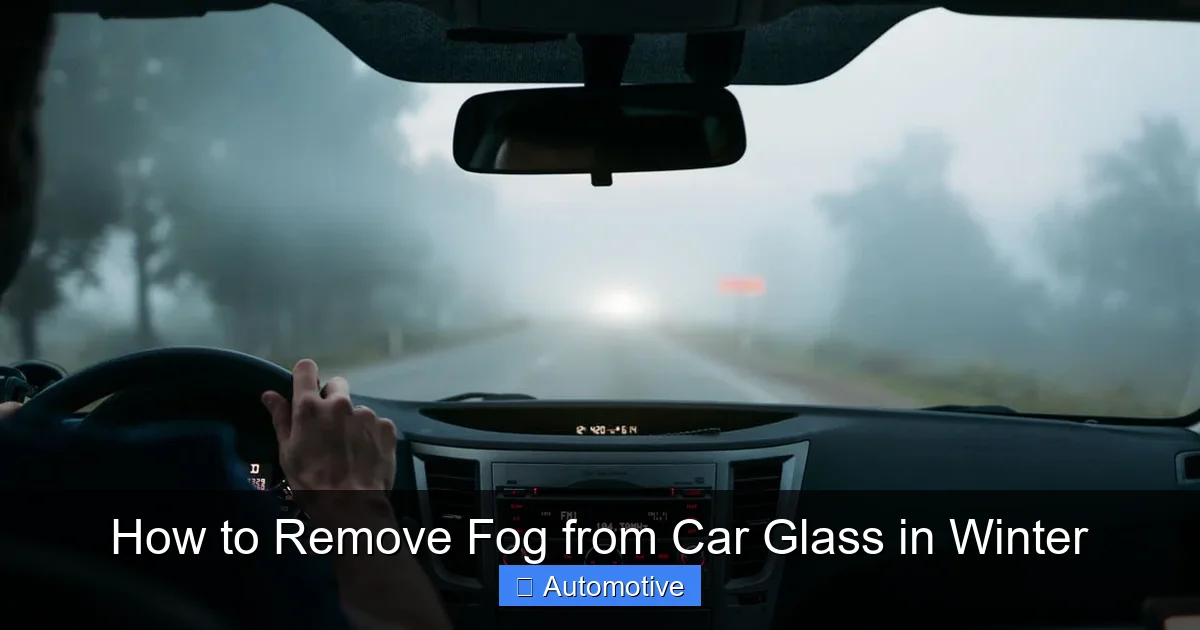
Visual guide about How to Remove Fog from Car Glass in Winter
Image source: d2hucwwplm5rxi.cloudfront.net
Turn On the Defroster and Heater
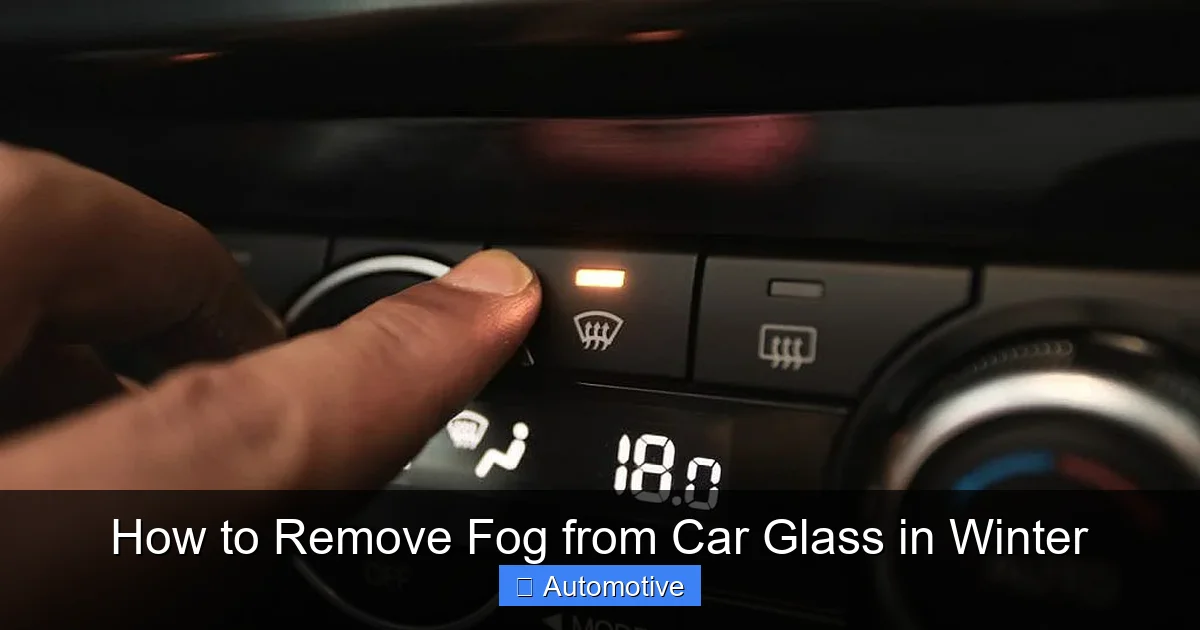
The fastest way to remove fog is to use your car’s built-in defroster. Most cars have a front defroster button (usually marked with a windshield icon) and a rear defroster (a grid-like symbol). Press both.
Set your climate control to the highest heat setting and direct the airflow to the windshield. This warms the glass and helps evaporate the moisture. For even better results, turn on the air conditioning (AC) at the same time. Yes, even in winter—AC removes humidity from the air, which is key to defogging.
Many drivers make the mistake of using only heat without AC. While heat warms the glass, it doesn’t remove moisture. AC acts like a dehumidifier, pulling water vapor out of the cabin air. Together, heat and AC are a powerful team.
Crack a Window Slightly
If your car still fogs up quickly, try cracking one or two windows just a bit. This allows humid air to escape and drier outside air to enter. It’s especially helpful if you’ve just gotten in with wet clothes or snow on your boots.
You don’t need to open the window wide—just a half-inch gap is enough. This small change can dramatically reduce interior humidity and speed up defogging. It’s a simple trick that works in most modern cars, even in light snow or rain.
Use the Recirculation Mode Wisely
Most cars have a recirculation button that controls whether outside air or cabin air is used. When defogging, avoid using recirculation mode. It traps moist air inside the car, making fog worse.
Instead, turn off recirculation so fresh, drier outside air can flow in. This helps balance the humidity levels and clears fog faster. Only use recirculation when driving in heavy traffic or polluted areas—otherwise, keep it off during winter mornings.
Wipe with a Microfiber Cloth
If you’re in a hurry and the fog is light, a quick wipe with a clean microfiber cloth can help. Keep one in your glove compartment for emergencies. Microfiber is soft and won’t scratch the glass, and it absorbs moisture well.
For best results, use a dry cloth and wipe in long, smooth strokes. Avoid paper towels or tissues—they can leave lint and sometimes scratch the glass. A dedicated car window cloth is ideal.
Long-Term Solutions to Prevent Fog
While quick fixes help in a pinch, preventing fog is better than constantly removing it. These long-term strategies reduce moisture buildup and keep your windows clear.
Visual guide about How to Remove Fog from Car Glass in Winter
Image source: d2hucwwplm5rxi.cloudfront.net
Keep Your Cabin Air Filter Clean
Your car’s cabin air filter cleans the air entering the cabin. Over time, it gets clogged with dust, pollen, and debris. A dirty filter reduces airflow and makes your heating and AC systems less efficient.
This means your defroster takes longer to work, and fog clears more slowly. Most manufacturers recommend replacing the cabin air filter every 12,000 to 15,000 miles, or once a year. Check your owner’s manual for specifics.
Replacing it is usually easy and inexpensive. You can often do it yourself in under 15 minutes. A clean filter improves air quality and helps your defroster work at full power.
Use Anti-Fog Sprays or Wipes
Anti-fog products are designed to prevent condensation from forming on glass. They work by creating a thin, invisible layer that reduces surface tension, so water spreads out instead of forming droplets.
You can find anti-fog sprays and wipes at auto stores, pharmacies, or online. Apply them to the inside of your windshield and side windows, then buff with a clean cloth. Most last for several days or even weeks.
Popular brands include Rain-X Anti-Fog, Invisible Glass Anti-Fog, and Foggy Window Fix. Follow the instructions carefully—some require reapplication after cleaning the windows.
Make a DIY Anti-Fog Solution
If you prefer a natural, budget-friendly option, try a homemade anti-fog spray. Mix equal parts white vinegar and water in a spray bottle. Spray it on the inside of your windows and wipe with a microfiber cloth.
Vinegar cuts through grease and residue that trap moisture. It also leaves a slight film that helps prevent fog. For extra effectiveness, add a few drops of dish soap to the mix. The soap reduces surface tension, helping water spread evenly.
Reapply every few days, especially after cleaning your windows. This solution is safe, eco-friendly, and costs just pennies per use.
Use a Car Cover or Windshield Sunshade
If you park outside, consider using a windshield cover or sunshade. These prevent frost and fog from forming overnight by insulating the glass.
Frost guards are plastic or fabric covers that snap or stick to the windshield. They keep snow and ice off the glass, so you don’t have to scrape or wait for it to melt. Some even have reflective coatings to reduce heat buildup in summer.
Sunshades are typically used in summer, but a reflective one can also help in winter by reducing temperature swings. Place it on the inside of the windshield at night to slow cooling and reduce condensation.
Advanced Tips for Extreme Conditions
In very cold or humid climates, standard methods might not be enough. Here are advanced strategies for stubborn fog and frost.
Visual guide about How to Remove Fog from Car Glass in Winter
Image source: d2hucwwplm5rxi.cloudfront.net
Pre-Warm Your Car with a Remote Starter
If your car has a remote start feature, use it. Start your car 5–10 minutes before you plan to leave. This allows the engine to warm up and the defroster to begin clearing the windows.
Remote starters are especially helpful in sub-zero temperatures. They reduce the time you spend scraping ice and waiting for fog to clear. Many newer cars come with this feature, or you can install an aftermarket system.
Just remember to never leave your car running unattended in a garage—carbon monoxide is a serious risk. Always start it in a well-ventilated area.
Use a Portable Dehumidifier or Moisture Absorber
For cars parked in garages or humid areas, a small dehumidifier can help. These devices absorb excess moisture from the air, reducing the chance of fog.
You can buy car-specific dehumidifiers that plug into the 12V outlet or use silica gel packs. Place them on the dashboard or under the seats. Rechargeable versions can be dried in the oven and reused.
Silica gel packs are often found in shoe boxes or electronics packaging. Collect them and place them in breathable fabric bags around the car. They’re cheap, effective, and eco-friendly.
Upgrade to Heated Windshields or Mirrors
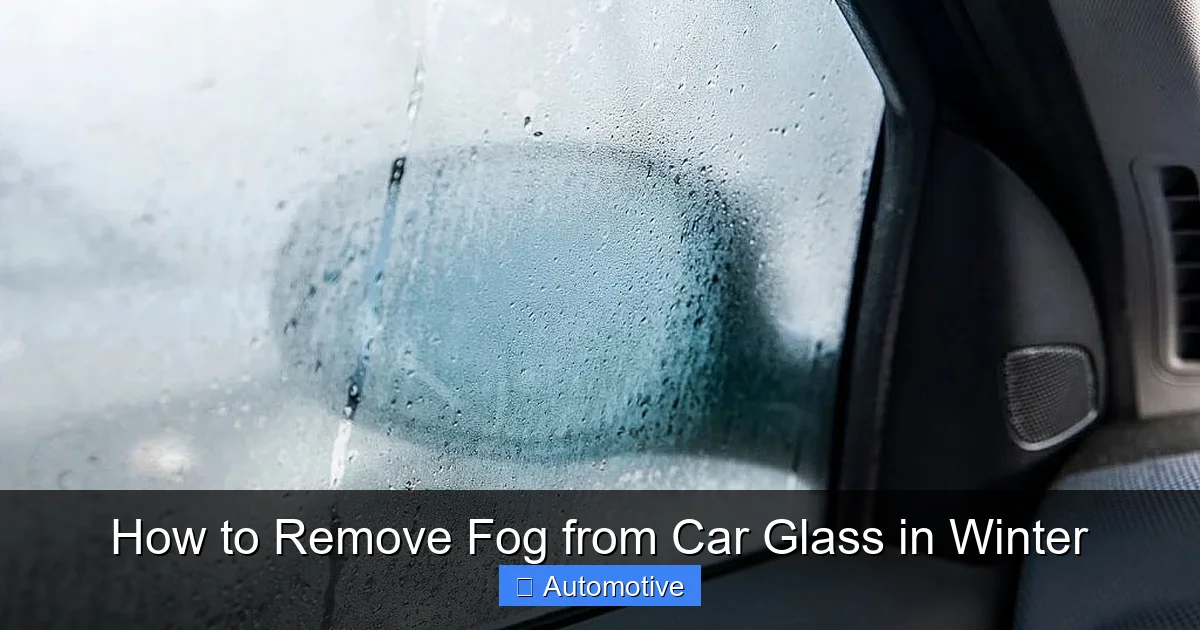
Some high-end cars come with heated windshields or side mirrors. These use thin wires or conductive layers to warm the glass, preventing frost and fog.
If your car doesn’t have this feature, you can install aftermarket heated mirror kits. They’re relatively easy to install and make a big difference in icy conditions.
Heated windshields are more complex and expensive, but they’re worth considering if you live in a very cold climate. They clear fog and ice in minutes without scraping.
Common Mistakes to Avoid
Even experienced drivers make mistakes when trying to remove fog. Avoid these common errors to save time and stay safe.
Using Cold Air to Defog
Some people think blowing cold air on the windshield will clear fog. It won’t. Cold air can’t remove moisture—it can only make the glass colder, which may worsen condensation.
Always use heat when defogging. Warm air holds more moisture and helps evaporate the fog. Combine it with AC for best results.
Wiping Fog with Your Sleeve or Glove
It’s tempting to wipe the windshield with your sleeve, but this spreads grease and leaves streaks. It also doesn’t remove the root cause—moisture in the air.
Use a proper microfiber cloth instead. Keep one in your car at all times. If you don’t have one, a clean, dry cotton T-shirt can work in a pinch.
Leaving Wet Items in the Car
Wet boots, snow pants, or umbrellas add moisture to the cabin. Always remove wet items and dry them outside the car if possible.
If you must leave them in, place them in a sealed plastic bag or on a waterproof mat. This reduces evaporation and keeps the air drier.
Ignoring the Rear Window
Many drivers focus only on the front windshield and forget the rear window. Fog on the back glass can block your view when reversing.
Always activate the rear defroster and check it’s working. If your car has a rear wiper, use it to clear slush or snow that can trap moisture.
When to Call a Professional
Most fog issues can be solved at home, but sometimes there’s an underlying problem. If your windows fog up even when the car is off, or if the defroster isn’t working at all, it could be a sign of a leak or mechanical issue.
A clogged drain tube, damaged weather stripping, or a faulty heater core can allow moisture to enter the cabin. These problems require professional diagnosis and repair.
If you notice a sweet smell, fog that won’t clear, or coolant leaks, see a mechanic immediately. These could indicate a heater core leak, which is dangerous and expensive to ignore.
Conclusion
Foggy car windows in winter are frustrating, but they don’t have to ruin your morning. With the right techniques, you can remove fog quickly and prevent it from coming back. Use your defroster with heat and AC, crack a window, and keep your cabin air filter clean.
For long-term prevention, try anti-fog sprays, DIY solutions, or moisture absorbers. In extreme cold, consider a remote starter or heated accessories. Avoid common mistakes like using cold air or wiping with your sleeve.
Clear windows mean safer driving. Take a few minutes each morning to defog properly, and you’ll enjoy better visibility, less stress, and a smoother ride all winter long.
Frequently Asked Questions
Why does my car fog up even when it’s not raining?
Fog forms due to humidity inside the car, not just rain. Your breath, wet clothes, and melting snow add moisture to the air. When that warm, moist air hits cold glass, condensation occurs—even on dry days.
Can I use shaving cream to prevent fog?
Yes, some people use shaving cream as a DIY anti-fog solution. Apply a small amount to the inside of the windshield, then buff it off with a dry cloth. It leaves a thin film that reduces fog, but it may need frequent reapplication.
Is it safe to drive with slightly foggy windows?
No. Even light fog can reduce visibility and increase accident risk. Always clear your windows completely before driving. If fog returns quickly, address the source of moisture inside the car.
How long should I run the defroster before driving?
Run the defroster for at least 5–10 minutes before driving, especially in very cold weather. This gives the glass time to warm up and the AC time to remove humidity. In extreme cold, 15 minutes may be needed.
Does parking in a garage prevent fog?
Parking in a garage can help, but not always. Garages are often more humid than outside air, especially if they’re attached to the house. However, they do protect the car from snow and ice, reducing outside frost.
Can a dirty windshield cause more fog?
Yes. Dirt, oil, and residue on the glass trap moisture and make fog worse. Clean your windshield regularly with glass cleaner and a microfiber cloth to improve clarity and reduce fogging.
