
Can a Soft Top Jeep Go Through a Car Wash?

Yes, a soft top Jeep can go through a car wash—but with caution. While automatic car washes are generally safe, high-pressure settings and harsh chemicals can damage the fabric, seals, and zippers. Hand washing or touchless washes are often the safest options to preserve your soft top’s longevity and appearance.
Key Takeaways
- Soft top Jeeps can go through car washes, but not all types are safe. Touchless and automatic brushless washes are usually okay, but high-pressure sprays and abrasive brushes can cause damage.
- Always inspect the soft top before washing. Check for loose seams, worn fabric, or damaged seals—these weak spots are more vulnerable during automated cleaning.
- Remove or secure loose items on the soft top. Things like straps, bungee cords, or aftermarket accessories can get caught or damaged in the wash.
- Use mild, non-abrasive cleaning products. Harsh detergents can break down the waterproof coating and fade the fabric over time.
- Hand washing is the safest method. A gentle hand wash with a soft brush and soapy water gives you full control and minimizes risk.
- Dry thoroughly after washing. Moisture trapped under the top or in seams can lead to mold, mildew, or rust on metal components.
- Regular maintenance extends soft top life. Conditioning the fabric and reapplying water repellent every few months helps protect against wear and weather damage.
📑 Table of Contents
- Can a Soft Top Jeep Go Through a Car Wash?
- Understanding Your Soft Top: What Makes It Different?
- Types of Car Washes: Which Are Safe for Soft Tops?
- Risks of Washing a Soft Top Jeep in a Car Wash
- Best Practices for Washing a Soft Top Jeep
- Safer Alternatives: Hand Washing Your Soft Top Jeep
- Conclusion: Is It Worth the Risk?
Can a Soft Top Jeep Go Through a Car Wash?
So, you’ve got your rugged, open-air Jeep with that classic soft top flapping in the wind—perfect for weekend trails, beach trips, or just cruising with the top down. But when it comes time to clean it, you might be wondering: *Can a soft top Jeep go through a car wash?* It’s a fair question, especially since soft tops look delicate compared to hard tops or regular car roofs. After all, you don’t want to ruin that carefully maintained fabric just trying to get the mud off.
The short answer? Yes, a soft top Jeep *can* go through a car wash—but it’s not as simple as just driving in and hoping for the best. There are important factors to consider, from the type of car wash to the condition of your soft top. While modern automatic car washes are designed to be safe for most vehicles, soft tops require extra care. The fabric, seals, zippers, and stitching are more vulnerable to damage from high-pressure water, spinning brushes, and harsh chemicals. So, while it’s *possible*, it’s not always the *smartest* choice.
In this guide, we’ll walk you through everything you need to know about washing your soft top Jeep safely. Whether you’re a seasoned off-roader or a new Jeep owner, understanding the dos and don’ts will help you keep your ride looking sharp and your soft top in top condition for years to come. We’ll cover the types of car washes, potential risks, best practices, and even alternative cleaning methods that might be better suited for your Jeep’s unique setup.
Understanding Your Soft Top: What Makes It Different?
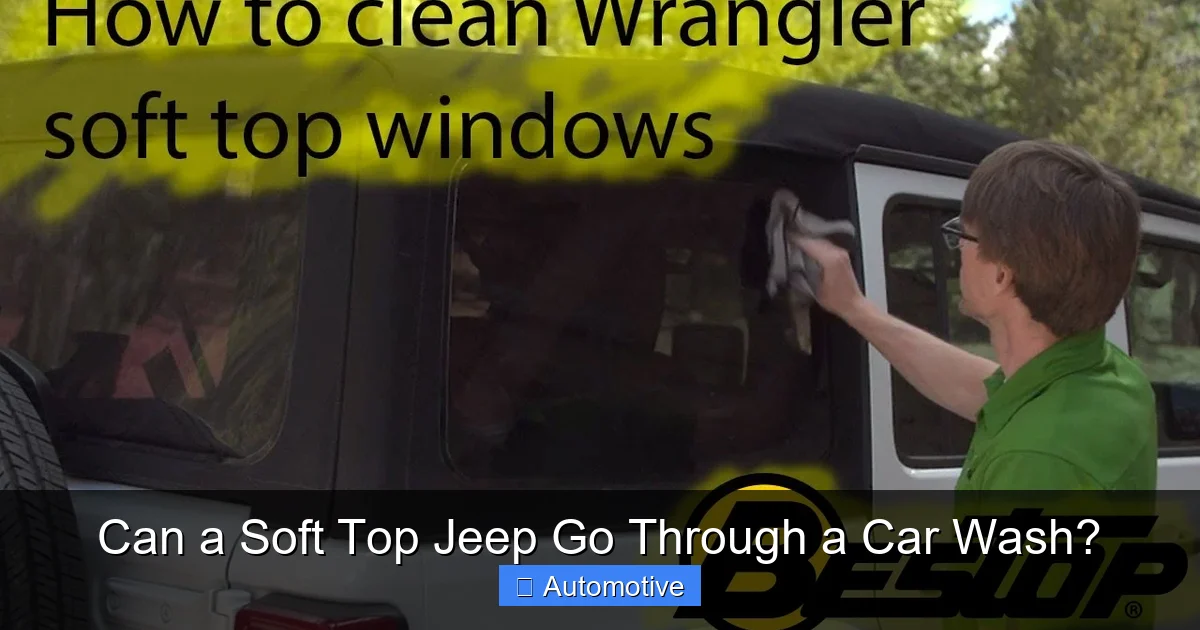
Visual guide about Can a Soft Top Jeep Go Through a Car Wash?
Image source: i.ytimg.com
Before we dive into car wash safety, it’s important to understand what makes a soft top Jeep different from other vehicles. Unlike a hard top or a standard car roof, a soft top is made from flexible fabric—typically a blend of vinyl, polyester, or canvas—that’s stretched over a frame and secured with zippers, snaps, or straps. This design gives Jeeps their iconic open-air feel, but it also means the roof is more exposed and delicate.
Materials and Construction
Most factory soft tops are made from a triple-layer fabric: an outer layer for UV protection, a middle layer for insulation, and an inner layer for comfort and durability. Over time, these materials can degrade due to sun exposure, dirt buildup, and moisture. The seams are stitched or heat-sealed, and the edges are often reinforced with rubber or plastic trim. Zippers and snaps allow the top to be removed or folded back, but they’re also points of potential weakness.
Because the soft top isn’t rigid, it can flap or shift during high-speed washing, especially if it’s not properly secured. This movement can cause stress on the fabric and hardware, leading to tears or misalignment. Additionally, the waterproof coating on the fabric can wear off over time, making it more susceptible to water intrusion and mold.
Common Weak Points
Some areas of the soft top are more vulnerable than others. The rear window panel, for example, is often made of clear vinyl and can scratch or cloud if hit with abrasive brushes. The side windows and door surrounds rely on tight seals to keep water out—these can be compromised if the top is jostled during a wash. Zippers and snaps can also get caught or damaged if the top isn’t fully closed or if debris gets lodged in them.
Even the frame itself can be a concern. While the roll bars and support bows are sturdy, repeated stress from automated washing can loosen bolts or misalign parts over time. That’s why it’s crucial to inspect your soft top before and after any wash—especially if you’re using an automatic system.
Types of Car Washes: Which Are Safe for Soft Tops?
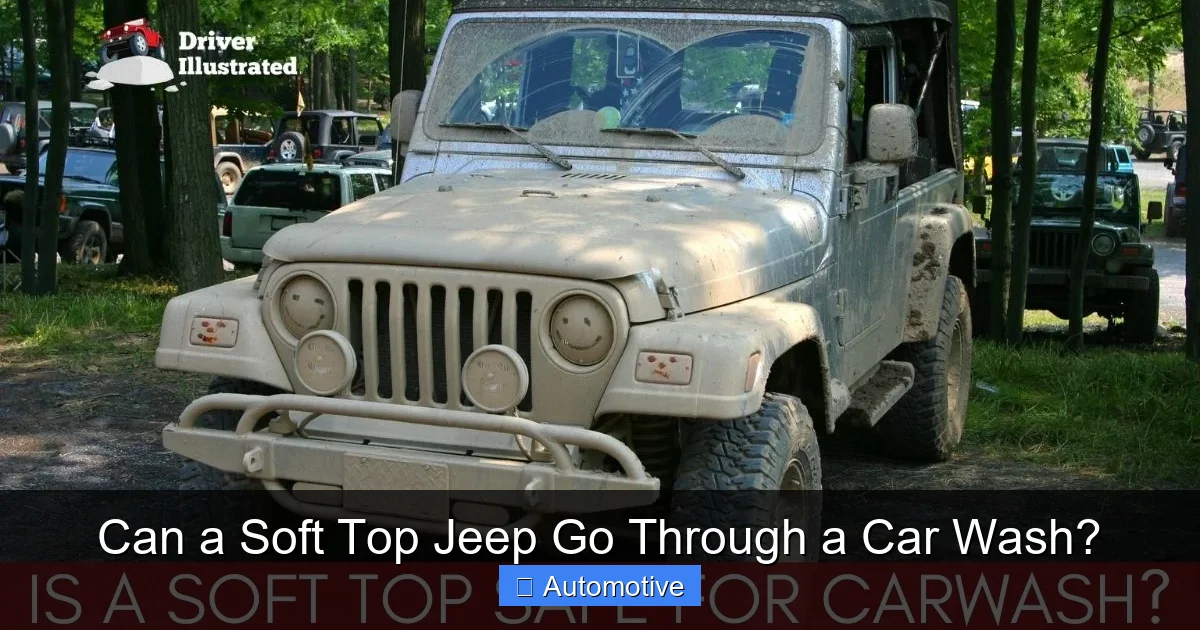
Visual guide about Can a Soft Top Jeep Go Through a Car Wash?
Image source: driverillustrated.com
Not all car washes are created equal, and some are definitely safer for soft top Jeeps than others. Let’s break down the most common types and what you need to know about each.
Automatic Brush Car Washes
These are the classic “drive-through” washes with spinning brushes that scrub your vehicle as it moves through. While convenient, they’re generally **not recommended** for soft top Jeeps. The brushes—especially the top-mounted ones—can snag, pull, or abrade the fabric. Even if the top looks secure, the force of the brushes can cause flapping or stress on the seams.
We’ve heard stories of soft tops getting torn or zippers breaking after a brush wash. One Jeep owner shared that their rear window ripped when a brush caught the edge during a wash. Another had the side snaps pop open, leaving the top partially detached. These aren’t isolated incidents—brush washes pose a real risk to soft tops.
If you *must* use a brush wash, choose one with soft, cloth-covered brushes and avoid the top brush if possible. Some newer models have adjustable or retractable top brushes—ask the attendant to disable it. But even then, proceed with caution.
Touchless (No-Touch) Car Washes
Touchless car washes use high-pressure water and specialized detergents to clean your vehicle without physical contact. These are **much safer** for soft tops because there are no brushes to snag the fabric. The water jets are powerful, but they don’t physically touch the vehicle, reducing the risk of damage.
That said, the high pressure can still be an issue—especially if your soft top has weak spots or loose seals. Water can be forced under the fabric or into seams, potentially causing leaks or mold. Also, some touchless washes use strong alkaline or acidic cleaners that can degrade the waterproof coating on your soft top over time.
To minimize risk, choose a touchless wash with adjustable pressure settings and mild detergents. Avoid “extra strength” or “bug removal” cycles, which often use harsher chemicals. And always rinse thoroughly to remove any residue.
Automatic Roller (Belt) Washes
These washes use a conveyor belt to move your vehicle through a series of sprayers and air dryers—no brushes involved. They’re similar to touchless washes in terms of safety, but the movement can still cause the soft top to shift if it’s not fully secured.
Make sure all windows are up, zippers are closed, and any loose straps are tucked away. If your Jeep has a rear window that rolls down, ensure it’s fully raised. Some roller washes have high-pressure side sprays that could push water under the top, so it’s best to go slow and watch for any signs of stress.
Self-Serve (DIY) Car Washes
Self-serve bays give you control over the pressure, nozzle, and cleaning products. This makes them a **great middle ground** between full automation and hand washing. You can use a low-pressure setting and avoid spraying directly at seams or zippers.
Just be careful not to use the high-pressure wand like a pressure washer—those settings can easily damage soft tops. Stick to the standard spray nozzle and keep the pressure moderate. And again, avoid harsh chemicals.
Risks of Washing a Soft Top Jeep in a Car Wash
Visual guide about Can a Soft Top Jeep Go Through a Car Wash?
Image source: fourwheeltrends.com
Even with the safest car wash, there are inherent risks when cleaning a soft top Jeep. Understanding these can help you make an informed decision and take preventive measures.
Fabric Damage
The most obvious risk is damage to the soft top fabric itself. High-pressure water can weaken the material, especially if it’s already worn. Repeated exposure to strong jets can cause fraying, tearing, or fading. If the top has any existing damage—like a small tear or loose seam—the pressure can make it worse.
We’ve seen cases where a soft top developed a hole after a car wash because a weak spot was hit with concentrated water. Once the fabric is compromised, water can seep in, leading to mold, mildew, or rust on the interior.
Seal and Zipper Failure
Soft tops rely on tight seals and functional zippers to keep water out. Car washes—especially those with high pressure—can force water under the seals or into zipper tracks. Over time, this can cause the seals to degrade or the zippers to corrode.
Even if no immediate damage occurs, repeated exposure can shorten the lifespan of these components. A zipper that gets clogged with soap or debris might stop working properly, making it hard to open or close the top.
Water Intrusion and Mold
One of the biggest concerns with washing a soft top Jeep is water getting trapped underneath. If water seeps under the fabric or into the cabin, it can lead to mold, mildew, or rust. This is especially true if the Jeep isn’t dried properly after the wash.
Mold not only smells bad—it can also damage the interior upholstery and metal parts. And once it takes hold, it’s hard to remove. That’s why thorough drying is essential, whether you’re using a car wash or washing by hand.
Frame and Hardware Stress
The soft top is attached to the Jeep’s frame with clips, bolts, and straps. Automated washing can put stress on these connections, especially if the top flaps or shifts during the process. Over time, this can loosen bolts or misalign the frame, leading to gaps or poor fit.
We’ve heard from Jeep owners who noticed their soft top started leaking after a car wash—only to find that a support bow had shifted slightly. While not common, it’s a risk worth considering.
Best Practices for Washing a Soft Top Jeep
If you decide to take your soft top Jeep through a car wash, follow these best practices to minimize risk and protect your investment.
Inspect Before You Wash
Before heading to the car wash, do a quick inspection of your soft top. Look for:
– Loose or frayed fabric
– Damaged or worn seals
– Stuck or broken zippers
– Loose straps or hardware
If you find any issues, it’s better to avoid the car wash and opt for a gentler method. Repair any damage first—small tears can be patched with a soft top repair kit, and loose snaps can be reattached.
Secure the Top and Remove Loose Items
Make sure the soft top is fully closed and secured. All zippers should be zipped, snaps snapped, and windows rolled up. Remove any loose items like bungee cords, straps, or aftermarket accessories that could get caught in the wash.
If your Jeep has a rear window that rolls down, ensure it’s fully raised. Some owners even use soft top straps to gently tighten the fabric and reduce flapping—just don’t over-tighten, as this can stress the material.
Choose the Right Wash Setting
If you’re using an automatic wash, select a gentle or “delicate” cycle if available. Avoid high-pressure settings, undercarriage sprays, and extra-strength detergents. If the wash has a top brush, ask the attendant to disable it.
For touchless washes, choose a mild detergent and avoid the “pre-soak” or “bug removal” options, which often use harsher chemicals.
Rinse Thoroughly and Dry Completely
After the wash, rinse your Jeep thoroughly to remove all soap residue. Pay special attention to seams, zippers, and under the soft top edges. Then, dry the vehicle completely—use a microfiber towel to wipe down the soft top and open the doors to air out the cabin.
If possible, park in the sun with the top down for a few hours to ensure everything dries fully. This helps prevent mold and mildew.
Reapply Water Repellent (If Needed)
After washing, consider reapplying a water repellent treatment to the soft top. Products like 303 Fabric Guard or RaggTopp Vinyl Protectant can restore the waterproof coating and protect against UV damage. Follow the manufacturer’s instructions and allow the top to dry completely before application.
Safer Alternatives: Hand Washing Your Soft Top Jeep
While car washes are convenient, hand washing is often the safest and most effective way to clean a soft top Jeep. It gives you full control over the process and allows you to clean gently without risking damage.
Gather Your Supplies
You’ll need:
– A bucket of warm water
– Mild car wash soap (avoid dish soap—it’s too harsh)
– A soft-bristle brush or sponge
– A microfiber towel
– A hose with a gentle spray nozzle
– Optional: soft top cleaner and protectant
Wash Gently
Start by rinsing the Jeep to remove loose dirt. Then, mix the soap with water and use the brush or sponge to gently scrub the soft top. Work in small sections, using light pressure. Avoid scrubbing too hard, especially around seams and zippers.
For the windows, use a separate sponge and a glass cleaner designed for vinyl or plastic. Avoid ammonia-based cleaners, which can cloud the material.
Rinse and Dry
Rinse thoroughly with the hose, making sure all soap is removed. Then, dry the soft top with a microfiber towel. Open the doors and let the interior air dry completely.
Maintain Regularly
Hand washing also gives you a chance to inspect the soft top up close. Look for signs of wear, clean the seals, and reapply protectant as needed. Regular maintenance can extend the life of your soft top by years.
Conclusion: Is It Worth the Risk?
So, can a soft top Jeep go through a car wash? The answer is yes—but with important caveats. While touchless and roller washes are generally safe, brush washes and high-pressure settings pose real risks to the fabric, seals, and hardware. If you do choose to use a car wash, take precautions: inspect the top, secure all parts, choose gentle settings, and dry thoroughly.
However, for most Jeep owners, hand washing is the best option. It’s safer, more thorough, and gives you the chance to care for your soft top properly. Plus, it’s a great way to bond with your vehicle and keep it in peak condition.
Remember, your soft top is more than just a roof—it’s part of what makes your Jeep unique. Treat it with care, and it’ll keep you covered (literally) for many adventures to come.
Frequently Asked Questions
Can I use a pressure washer on my soft top Jeep?
It’s not recommended. Pressure washers can damage the fabric, seals, and zippers, especially at high settings. If you must use one, keep the pressure low and avoid spraying directly at seams or windows.
How often should I wash my soft top Jeep?
Wash your soft top every 1-2 months, or more often if you drive off-road or in harsh conditions. Regular cleaning prevents dirt buildup and extends the life of the fabric.
Can I use regular car wash soap on a soft top?
Yes, but choose a mild, pH-balanced soap. Avoid harsh detergents or dish soap, which can strip the waterproof coating and fade the fabric.
What should I do if water gets under my soft top?
Remove the top if possible and let it dry completely. Check for mold or mildew and clean with a vinegar-water solution if needed. Ensure all seals are intact to prevent future leaks.
Can I wax my soft top?
No, wax can damage soft top fabric. Instead, use a dedicated soft top protectant or water repellent to maintain the material and prevent fading.
Is it safe to go through a car wash with the top down?
No, never go through a car wash with the soft top down. Water and soap can enter the cabin, and the open top offers no protection from high-pressure sprays or brushes.
