
Can a Transmission Cause a Car to Overheat

Yes, a transmission can cause a car to overheat—especially if it’s linked to the engine cooling system. Problems like low fluid, a failing cooler, or excessive friction generate heat that affects engine temperature. Early detection and maintenance are key to avoiding costly repairs.
Key Takeaways
- Transmission and engine cooling systems are often connected: Many vehicles use the radiator to cool transmission fluid, so a failure in one can impact the other.
- Low or degraded transmission fluid increases heat: Without proper lubrication, internal components generate excess friction and heat, which can transfer to the engine.
- A clogged transmission cooler restricts heat dissipation: This can cause both transmission and engine temperatures to rise, especially under heavy load.
- Slipping gears create extra heat: When the transmission struggles to shift, it generates heat that may overwhelm the cooling system.
- Towing or driving in extreme conditions stresses both systems: High workload increases heat production, making cooling efficiency critical.
- Regular maintenance prevents overheating: Checking fluid levels, replacing filters, and inspecting coolers can stop problems before they start.
- Ignoring warning signs leads to major damage: Overheating can warp engine components or destroy the transmission if not addressed quickly.
📑 Table of Contents
Can a Transmission Cause a Car to Overheat?
You’re cruising down the highway, enjoying the breeze through your open window, when suddenly the temperature gauge starts creeping into the red zone. Your first thought? “Is my engine overheating?” But what if the real culprit isn’t the engine at all—but the transmission?
It might sound surprising, but yes, a transmission can cause a car to overheat. While most people associate overheating with coolant leaks, radiator issues, or a faulty thermostat, the transmission plays a bigger role in your vehicle’s thermal balance than you might realize. In many modern cars, the engine and transmission cooling systems are closely linked. When one fails or underperforms, the other often pays the price.
Understanding this connection is crucial. Overheating doesn’t just mean your engine is too hot—it can signal deeper mechanical stress that affects multiple systems. And if your transmission is the source of the heat, ignoring it could lead to expensive repairs or even total transmission failure. The good news? Most transmission-related overheating issues are preventable with routine maintenance and early detection.
In this article, we’ll explore how the transmission contributes to engine overheating, what signs to watch for, and how to keep both systems running cool and efficient. Whether you’re a daily commuter, a weekend adventurer, or someone who tows heavy loads, this information could save you time, money, and a lot of frustration down the road.
How the Transmission and Engine Cooling Systems Are Connected
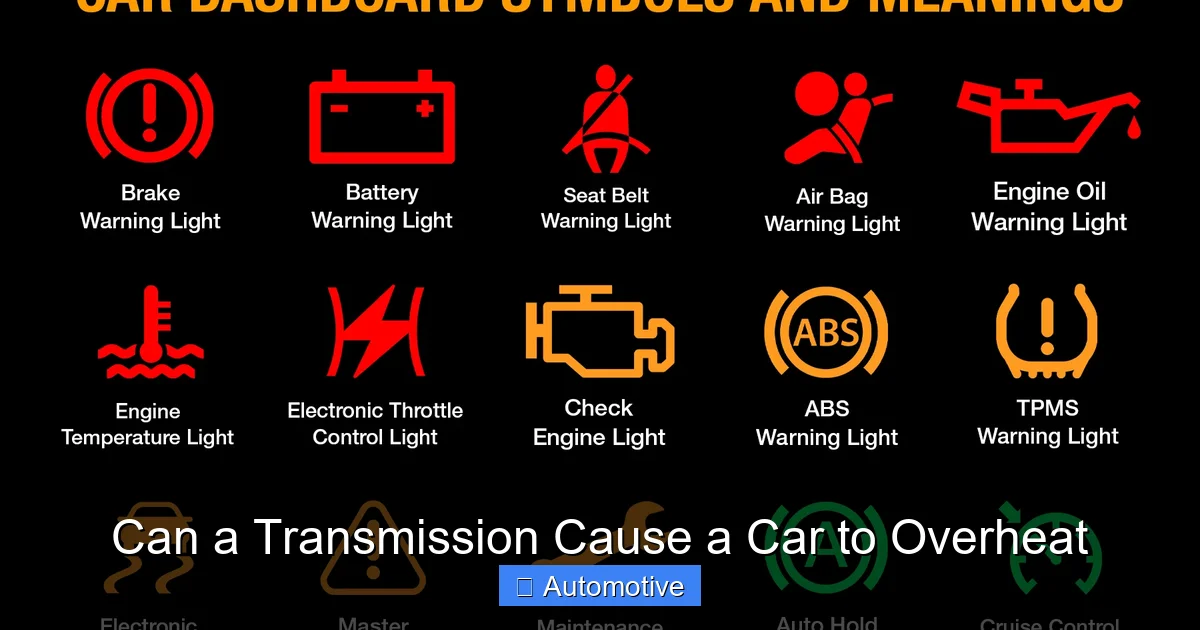
Visual guide about Can a Transmission Cause a Car to Overheat
Image source: obdadvisor.com
To understand how a transmission can cause a car to overheat, it helps to know how these two systems work together. In most vehicles, especially those with automatic transmissions, the engine and transmission share a common cooling pathway through the radiator.
The Role of the Radiator in Cooling Both Systems
The radiator is best known for cooling engine coolant, but it often houses a smaller, internal component called the transmission cooler. This cooler is essentially a mini-radiator within the main radiator. Transmission fluid flows through it, and as coolant circulates around it, heat from the fluid is transferred away. This process keeps the transmission operating within a safe temperature range.
This design is efficient—but it also means that if the transmission cooler fails, it can directly affect engine cooling. For example, if the cooler becomes clogged or develops a leak, it can restrict coolant flow or even mix transmission fluid with engine coolant. Either scenario can reduce the radiator’s ability to cool the engine, leading to overheating.
Heat Transfer Between Systems
Even without a direct fluid connection, heat can transfer between the transmission and engine. The transmission is mounted close to the engine, and under heavy use—like towing or driving in stop-and-go traffic—it generates significant heat. This heat radiates into the engine bay, raising ambient temperatures and making it harder for the engine cooling system to do its job.
Additionally, some vehicles use a shared cooling fan or electric fan system. If the transmission is overheating, the fan may run longer or more frequently, which can strain the electrical system and reduce overall cooling efficiency. In extreme cases, the engine may not get enough airflow to stay cool, especially at low speeds or idle.
Modern Vehicles and Integrated Cooling
Newer cars often feature more integrated cooling systems. Some use separate coolers for the transmission, mounted in front of the radiator or in the air intake path. Others rely on electronic controls that monitor both engine and transmission temperatures, adjusting fan speed and fluid flow accordingly.
While these systems are designed to improve efficiency, they also increase complexity. A sensor failure, software glitch, or blocked airflow can disrupt the balance, causing one system to overheat and drag the other down with it. This is why diagnosing overheating issues requires looking at the whole picture—not just the engine.
Common Transmission Problems That Lead to Overheating
Now that we know how the systems are connected, let’s look at the specific transmission issues that can cause your car to overheat. These problems often start small but can escalate quickly if ignored.
Low or Degraded Transmission Fluid
Transmission fluid does more than just lubricate moving parts—it also carries heat away from internal components. When fluid levels are low, there’s not enough to absorb and dissipate heat. This causes temperatures to rise rapidly inside the transmission.
Over time, transmission fluid breaks down due to heat and contamination. Old fluid loses its viscosity and cooling properties, becoming thick and sludgy. This sludge can clog passages and reduce flow, making it even harder to manage heat. The result? Increased friction, overheating, and potential damage to gears, clutches, and seals.
A real-world example: Imagine driving in heavy traffic with low transmission fluid. The transmission struggles to shift smoothly, generating extra heat. That heat radiates into the engine bay, and because the fluid can’t cool properly, the engine’s cooling system has to work harder. Eventually, the engine temperature climbs—even if the coolant level is fine.
Clogged or Failing Transmission Cooler
The transmission cooler is a critical component in managing heat. If it becomes clogged with debris, sludge, or internal corrosion, it can’t transfer heat effectively. This causes transmission fluid to overheat, which in turn raises temperatures in the radiator and engine.
Coolers can clog for several reasons. Over time, metal particles from worn components can accumulate in the fluid and settle in the cooler. Coolant leaks or cross-contamination can also cause blockages. In some cases, aftermarket coolers or improper installations can restrict flow.
Symptoms of a clogged cooler include slipping gears, delayed shifting, and a burning smell. But the most telling sign is overheating—especially when it occurs during highway driving or towing, when the transmission is under the most stress.
Slipping Gears and Excessive Friction
When a transmission slips—meaning it briefly loses power or shifts erratically—it’s often due to worn clutches or bands. This slipping creates friction, which generates heat. The more the transmission slips, the hotter it gets.
This heat doesn’t stay contained. It spreads through the transmission case and into the surrounding components, including the engine. In severe cases, the transmission can overheat to the point where it begins to smoke or emit a strong burning odor.
Slipping is often accompanied by other symptoms, such as a delay when shifting from park to drive, a high engine RPM without acceleration, or a check engine light. If you notice any of these, it’s important to have your transmission checked immediately.
Torque Converter Issues
The torque converter is a fluid coupling that transfers engine power to the transmission. When it malfunctions—due to worn bearings, lock-up clutch failure, or fluid contamination—it can cause excessive heat buildup.
A failing torque converter may cause shuddering during acceleration, poor fuel economy, or difficulty shifting. But it can also generate so much heat that it affects the entire cooling system. In some cases, the heat is so intense that it warps internal components or causes the transmission fluid to boil.
Overloading or Towing Beyond Capacity
Towing a heavy trailer or driving with a fully loaded vehicle puts extra strain on both the engine and transmission. The transmission has to work harder to maintain speed, especially on hills or in traffic. This increased workload generates more heat than usual.
If your vehicle isn’t equipped with an auxiliary transmission cooler, or if the existing cooler is undersized, the system may not be able to handle the extra heat. Over time, this can lead to chronic overheating, fluid breakdown, and premature wear.
Even if you’re not towing, driving in extreme conditions—like desert heat or mountainous terrain—can push your transmission to its limits. Always check your owner’s manual for towing capacity and recommended maintenance intervals.
Signs Your Transmission Is Causing Overheating
How can you tell if your transmission is the root cause of overheating? While some symptoms overlap with engine issues, there are key indicators that point specifically to transmission problems.
Rising Temperature Gauge During Normal Driving
If your engine temperature rises—especially during highway driving or light acceleration—it could be a sign that the transmission is overheating. Highway speeds generate consistent heat in the transmission, and if the cooler can’t keep up, the engine may feel the effects.
Pay attention to when the overheating occurs. If it happens most often when you’re driving steadily (rather than idling or in traffic), the transmission is a likely suspect.
Burning Smell from Under the Hood
A burning smell—often described as sweet or acrid—can indicate overheated transmission fluid. When fluid overheats, it breaks down and emits a distinct odor. This smell may be stronger near the transmission or radiator.
Don’t confuse this with engine coolant, which has a more syrupy, sweet smell. Transmission fluid typically smells more like burnt oil or chemicals.
Slipping, Delayed, or Rough Shifting
If your car hesitates when shifting gears, jerks during acceleration, or seems to “slip” out of gear, the transmission is under stress. These issues are often caused by overheating fluid or internal damage.
For example, a car that shifts fine in the morning but becomes jerky after 20 minutes of driving may be experiencing heat-related transmission problems.
Transmission Fluid Leaks or Discoloration
Check your transmission fluid regularly. Healthy fluid is usually bright red and translucent. If it’s dark brown, black, or has a burnt smell, it’s likely overheated and degraded.
Leaks around the transmission pan, cooler lines, or seals can also lead to low fluid levels and overheating. Even a small leak can cause big problems over time.
Check Engine or Transmission Warning Light
Modern vehicles are equipped with sensors that monitor transmission temperature. If the fluid gets too hot, the system may trigger a warning light on the dashboard.
Don’t ignore these warnings. A transmission temperature light or check engine light could indicate overheating before it becomes severe.
How to Prevent Transmission-Related Overheating
The best way to avoid transmission-related overheating is through proactive maintenance and smart driving habits. Here are practical steps you can take to keep both your engine and transmission cool.
Check and Maintain Transmission Fluid
Make it a habit to check your transmission fluid every month. Use the dipstick (if your vehicle has one) and ensure the fluid is at the correct level and in good condition.
Refer to your owner’s manual for the recommended fluid type and change interval. Most manufacturers suggest changing transmission fluid every 30,000 to 60,000 miles, but this can vary based on driving conditions.
If you frequently tow, drive in hot climates, or encounter stop-and-go traffic, consider changing the fluid more often.
Inspect and Clean the Transmission Cooler
If your vehicle has an external transmission cooler, inspect it regularly for dirt, debris, or damage. Use compressed air or a soft brush to clean the fins and ensure proper airflow.
If you suspect a clog, have a mechanic flush the cooler and inspect the lines. In some cases, replacing the cooler may be necessary.
Install an Auxiliary Transmission Cooler
If you tow regularly or live in a hot climate, consider installing an auxiliary transmission cooler. These aftermarket units mount in front of the radiator and provide extra cooling capacity.
They’re especially useful for trucks, SUVs, and RVs. Many come with thermostatic controls that activate only when needed, improving efficiency.
Avoid Overloading and Excessive Towing
Stay within your vehicle’s towing and payload limits. Overloading puts unnecessary stress on the transmission and can lead to overheating.
If you must tow, use a weight-distributing hitch and take frequent breaks to let the transmission cool down.
Monitor Driving Conditions
In extreme heat, avoid prolonged idling or aggressive driving. Use lower gears when climbing hills to reduce strain on the transmission.
If you notice the temperature gauge rising, pull over safely and let the engine idle with the heater on full blast. This can help draw heat away from the engine.
Schedule Regular Maintenance
Have your transmission inspected by a professional at least once a year. A technician can check fluid condition, cooler function, and overall system health.
Early detection of issues like slipping, leaks, or worn components can prevent overheating and extend the life of your transmission.
When to See a Mechanic
While some maintenance tasks can be done at home, certain transmission issues require professional attention. Don’t wait until your car breaks down—early intervention can save you thousands.
Persistent Overheating
If your engine continues to overheat despite checking coolant levels and the radiator, have a mechanic inspect the transmission cooler and fluid.
Transmission Slipping or Shuddering
These symptoms often indicate internal damage or fluid problems. A professional can perform a diagnostic scan and pressure test to identify the issue.
Fluid Leaks or Burning Smells
Leaks should be repaired immediately to prevent low fluid levels and overheating. A burning smell could mean the transmission is on the verge of failure.
Warning Lights
If the check engine or transmission light stays on, don’t ignore it. Use an OBD2 scanner to read the codes and consult a mechanic.
After a Major Repair or Fluid Change
If you’ve recently had transmission work done, monitor the system closely. Improper installation or the wrong fluid type can cause overheating.
Conclusion
So, can a transmission cause a car to overheat? Absolutely. While the engine cooling system is often the first suspect when temperatures rise, the transmission plays a vital—and often overlooked—role in your vehicle’s thermal management. From shared cooling pathways to heat-generating mechanical stress, transmission issues can directly impact engine temperature and performance.
The key to avoiding problems is awareness and maintenance. By understanding how these systems interact, recognizing the warning signs, and taking preventive steps, you can keep both your engine and transmission running smoothly. Whether you’re driving a compact sedan or a heavy-duty truck, regular care goes a long way in preventing overheating and costly repairs.
Remember: a healthy transmission means a cooler engine, better fuel economy, and a longer-lasting vehicle. Don’t wait for the temperature gauge to hit red—stay ahead of the heat and keep your car in top shape.
Frequently Asked Questions
Can a bad transmission cause engine overheating?
Yes, a bad transmission can cause engine overheating, especially if it shares a cooler with the radiator or generates excessive heat that affects the engine bay. Problems like low fluid or a clogged cooler can disrupt cooling efficiency.
How do I know if my transmission is overheating?
Signs include a burning smell, slipping gears, delayed shifting, dark or burnt transmission fluid, and a rising temperature gauge. Some vehicles also have a transmission temperature warning light.
Can I drive with an overheating transmission?
No, driving with an overheating transmission can cause severe damage, including warped components, seized gears, or total failure. Pull over safely and let the system cool before seeking repairs.
Does changing transmission fluid help prevent overheating?
Yes, fresh, clean transmission fluid improves lubrication and heat dissipation. Regular changes help prevent sludge buildup and maintain optimal operating temperatures.
Can towing cause transmission overheating?
Yes, towing increases the workload on the transmission, generating more heat. Without proper cooling, this can lead to overheating. Use an auxiliary cooler if you tow frequently.
Is it safe to add transmission fluid if it’s low?
Yes, but only if you use the correct type specified in your owner’s manual. Adding the wrong fluid can cause damage. Also, check for leaks that may have caused the low level.
