
Does Car Insurance Cover Hurricane Damage?

Yes, car insurance can cover hurricane damage—but only if you have the right coverage. Comprehensive insurance typically pays for flood, wind, and debris damage caused by hurricanes, while liability-only policies offer no protection. Understanding your policy details before a storm hits is key to avoiding costly surprises.
When hurricanes roar ashore, they bring more than just strong winds and heavy rain—they bring uncertainty. For car owners, one of the biggest questions is: “Will my insurance cover the damage?” The answer isn’t always straightforward, and misunderstanding your policy could leave you footing a massive repair bill after a storm. But here’s the good news: with the right coverage, you can protect your vehicle from the worst that Mother Nature has to offer.
Hurricanes can wreak havoc on vehicles in multiple ways. Floodwaters can submerge engines and electronics, flying debris can shatter windshields and dent body panels, and fallen trees can crush roofs and trunks. Without proper insurance, these damages can cost thousands—or even total your car. That’s why knowing what your policy covers before disaster strikes is one of the smartest moves you can make as a driver, especially if you live in a hurricane-prone area like Florida, Texas, or the Carolinas.
In this guide, we’ll walk you through exactly how car insurance handles hurricane damage, what types of coverage matter most, and how to file a claim when the storm clears. Whether you’re a longtime resident of the Gulf Coast or just visiting during hurricane season, this information could save you time, money, and stress when you need it most.
Key Takeaways
- Comprehensive coverage is essential: It’s the only auto insurance that typically covers hurricane-related damage like flooding, falling trees, and wind-driven debris.
- Liability and collision won’t help: These cover accidents or damage you cause to others—not weather-related destruction to your own vehicle.
- Flood damage is included under comprehensive: Even if your car is submerged, comprehensive insurance usually steps in to cover repairs or total loss.
- Check your deductible: You’ll still pay out-of-pocket up to your deductible amount, so choose wisely based on your financial comfort.
- Document everything after a storm: Take photos, file claims quickly, and keep records to speed up the process and avoid disputes.
- Act before the storm hits: Insurers often impose waiting periods or restrictions when hurricanes are forecasted, so don’t wait until it’s too late.
- Rental reimbursement helps: If your policy includes it, you may get a rental car while yours is being repaired after hurricane damage.
📑 Table of Contents
What Types of Car Insurance Cover Hurricane Damage?
Not all car insurance policies are created equal—especially when it comes to weather-related damage. The type of coverage you carry determines whether your insurer will pay for hurricane-related repairs or replacement. Let’s break down the main types of auto insurance and how they apply during a hurricane.
Comprehensive Coverage: Your Best Defense
Comprehensive coverage is the hero when it comes to hurricane damage. This optional part of your auto insurance policy protects your vehicle from non-collision events, including natural disasters like hurricanes, floods, hail, and wildfires. It also covers theft, vandalism, and animal collisions.
When a hurricane hits, comprehensive insurance typically covers:
– Water damage from flooding
– Wind-driven debris (like broken branches or signs)
– Falling objects (such as trees or power lines)
– Hail damage
– Fire caused by downed power lines
For example, if your car is parked in a garage and a tree crashes through the roof during a storm, comprehensive coverage would likely pay for the repairs—minus your deductible. Similarly, if rising floodwaters soak your engine and interior, your insurer should cover the damage as long as you have this coverage.
It’s important to note that comprehensive coverage doesn’t protect you from every scenario. For instance, if your car is damaged while you’re driving through a flooded road and the engine stalls, some insurers may argue that it was due to driver error—not the storm itself. However, most reputable companies will still honor the claim if it’s clear the flooding was caused by the hurricane.
Collision Coverage: Limited Help for Hurricanes
Collision coverage pays for damage to your car when it collides with another vehicle or object—like a guardrail, pole, or another car. While it might seem useful during a hurricane, it’s actually quite limited in these situations.
For example, if high winds push your car into a fence, collision coverage would apply. But if the same wind blows a tree onto your parked car, that’s considered “comprehensive” damage, not collision. So while collision can help in specific accident scenarios during a storm, it won’t cover the majority of hurricane-related issues.
Many drivers mistakenly believe that collision coverage includes weather damage, but that’s not the case. Only comprehensive coverage handles acts of nature. If you only have liability and collision, you’re leaving your vehicle exposed to significant financial risk during hurricane season.
Liability Coverage: No Protection for Your Vehicle
Liability insurance is required in almost every state and covers damage or injuries you cause to others in an accident. However, it does absolutely nothing to protect your own car—even if it’s destroyed by a hurricane.
If you’re involved in a crash during a storm and at fault, liability will pay for the other driver’s repairs and medical bills. But if your own vehicle is totaled by floodwaters or debris, you’re on your own unless you have comprehensive coverage.
This is why drivers in hurricane zones should never rely solely on liability insurance. It’s the bare minimum—and it leaves your most valuable asset completely unprotected from natural disasters.
Does Comprehensive Insurance Cover All Hurricane Damage?
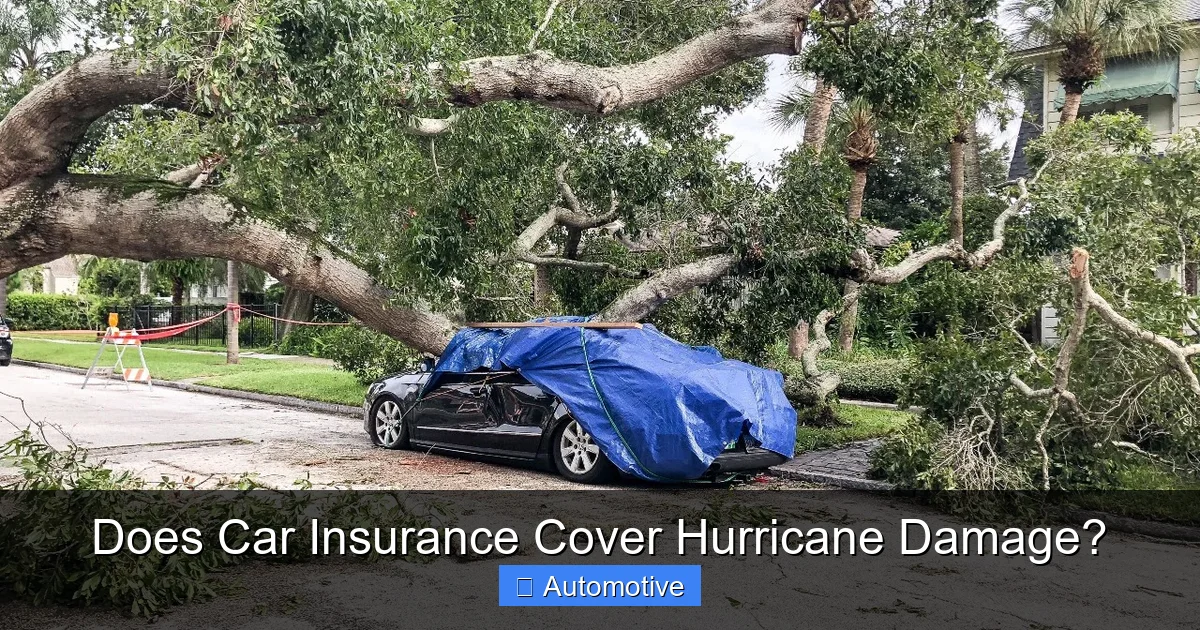
Visual guide about Does Car Insurance Cover Hurricane Damage?
Image source: insuranceclaimhq.com
While comprehensive coverage is your best bet for hurricane protection, it’s not a magic shield that covers every possible scenario. Understanding the nuances can help you avoid surprises when filing a claim.
Flood Damage: Yes, It’s Covered
One of the most common concerns during hurricanes is flooding. Rising waters can ruin engines, ruin electronics, and promote mold growth inside your car. The good news? Comprehensive insurance almost always covers flood damage—even if your car is completely submerged.
For instance, imagine your SUV is parked on a street that floods during a hurricane. Water rises above the dashboard, ruining the interior and short-circuiting the electrical system. With comprehensive coverage, your insurer should pay to repair or replace the vehicle, depending on the extent of the damage and your car’s value.
However, there are exceptions. If you drove into a flooded area despite official warnings (a practice known as “driving into standing water”), some insurers may deny the claim, arguing that the damage was avoidable. Always heed evacuation and road closure alerts to protect both your safety and your claim.
Wind and Debris Damage: Typically Covered
Hurricane-force winds can send signs, tree limbs, and even entire roofs flying through the air. If any of this debris damages your car—scratching the paint, denting the hood, or shattering the windshield—comprehensive coverage should step in.
Let’s say a neighbor’s shed collapses during the storm and lands on your parked car, crushing the roof and breaking the windows. As long as you have comprehensive insurance, the damage should be covered. The same goes for hail, which often accompanies hurricanes in certain regions.
Keep in mind that cosmetic damage—like minor dents or scratches—might not be worth claiming if your deductible is high. For example, if repairs cost $800 but your deductible is $1,000, you’d pay out of pocket anyway. Always weigh the cost of repairs against your deductible before filing.
What’s Not Covered? Common Exclusions
Even with comprehensive coverage, there are limits. Here are a few scenarios that might not be covered:
– **Mechanical breakdowns due to water ingestion:** If you drive through floodwater and your engine sucks in water, causing internal damage, some insurers may deny the claim, calling it “driver negligence.”
– **Pre-existing damage:** If your car already had a cracked windshield or rust damage before the storm, the insurer may refuse to pay for those specific issues.
– **Personal belongings inside the car:** Comprehensive covers the vehicle itself, but not items like laptops, phones, or luggage. For that, you’d need renters or homeowners insurance.
– **Wear and tear:** Normal deterioration isn’t covered, even if it worsens during a storm.
Always read your policy carefully or ask your agent about exclusions. Knowing what’s not covered can help you make better decisions during and after a hurricane.
How to File a Claim After Hurricane Damage

Visual guide about Does Car Insurance Cover Hurricane Damage?
Image source: carrigananderson.com
When the storm passes and the cleanup begins, filing an insurance claim quickly and correctly is crucial. A smooth process can mean faster repairs and less out-of-pocket expense.
Step 1: Ensure Safety First
Before assessing damage, make sure the area is safe. Avoid downed power lines, flooded roads, and unstable structures. If your car is in a dangerous location—like a flooded street or under a damaged tree—wait for authorities to declare it safe before approaching.
Step 2: Document the Damage
Take clear, wide-angle photos and close-ups of all damage. Include shots of the surrounding area to show the storm’s impact. If possible, note the time, date, and weather conditions. This documentation strengthens your claim and helps prevent disputes.
For example, if a tree fell on your car, take pictures of the tree, the damage to your vehicle, and any visible storm conditions. If your car is flooded, photograph the water line inside the cabin and any soaked upholstery.
Step 3: Contact Your Insurance Company
Call your insurer as soon as possible—most companies have 24/7 claims lines. Provide your policy number, describe the damage, and submit your photos. Many insurers now allow you to file claims online or through mobile apps, which can speed up the process.
Be honest and thorough in your description. Don’t exaggerate, but don’t downplay the damage either. Insurers appreciate transparency, and it helps them process your claim faster.
Step 4: Get a Repair Estimate
Your insurer will likely send an adjuster to inspect the damage. In busy post-storm periods, this may take a few days. Once the inspection is complete, you’ll receive an estimate for repairs.
You’re not required to use the insurer’s recommended repair shop. You can choose your own mechanic, but make sure they’re licensed and reputable. Some insurers may require pre-approval for certain repairs.
Step 5: Pay Your Deductible and Get Repairs
Once the claim is approved, you’ll pay your deductible—the amount you agreed to pay out of pocket when you set up your policy. The insurer will then cover the rest up to your car’s actual cash value.
If the damage exceeds your car’s value, the insurer will declare it a total loss and offer you a settlement based on market value. You can use that money to buy a new vehicle.
Tips to Protect Your Car Before a Hurricane
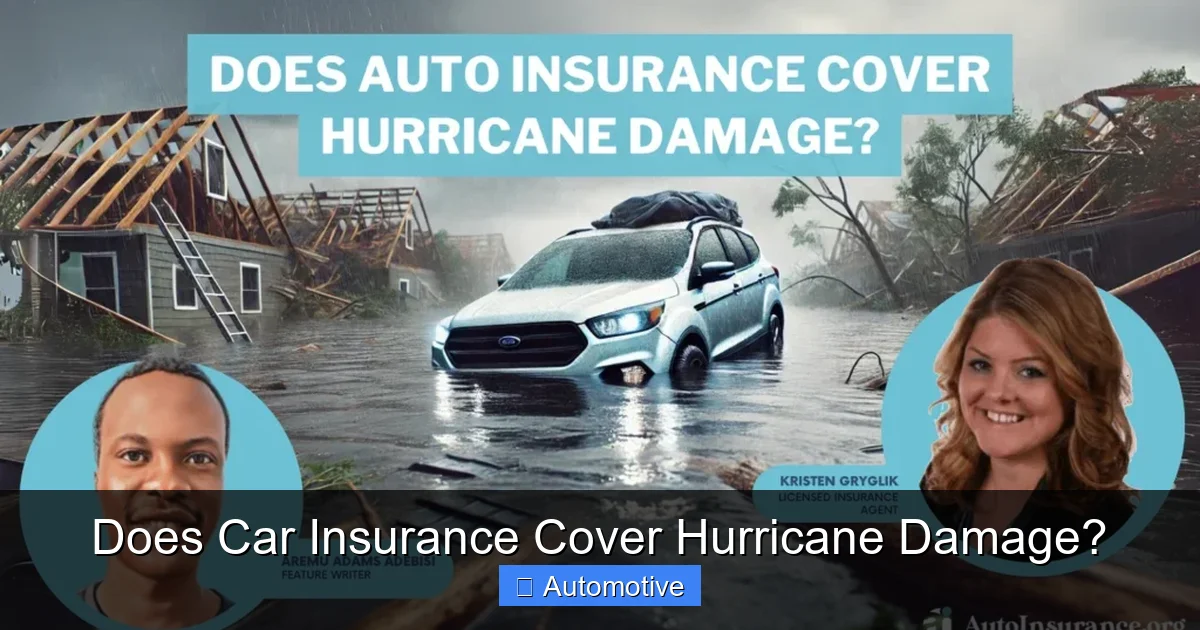
Visual guide about Does Car Insurance Cover Hurricane Damage?
Image source: autoinsurance.org
Prevention is just as important as insurance when it comes to hurricanes. Taking a few proactive steps can reduce damage and make the claims process easier.
Park in a Safe Location
If possible, park your car in a garage or on higher ground away from trees, power lines, and flood-prone areas. If you don’t have a garage, consider parking on a hill or near a sturdy building that can block wind and debris.
Avoid parking under bridges or in low-lying areas—these are prime spots for flooding.
Remove Valuables and Important Documents
Take laptops, phones, and other electronics out of your car. Store your registration, insurance card, and emergency kit in a waterproof bag at home or in a safe place.
If your car is damaged, you don’t want to lose personal items too.
Check Your Coverage Before Storm Season
Don’t wait until a hurricane is forecasted to review your policy. Insurers often impose waiting periods (usually 24–48 hours) before new comprehensive coverage takes effect. If you add it during a storm watch, it might not be active in time.
Review your deductible too. A lower deductible means less out-of-pocket cost after a claim, but it may increase your premium. Find a balance that works for your budget.
Consider Rental Reimbursement
If your car is in the shop for repairs after a hurricane, rental reimbursement coverage can pay for a temporary vehicle. This is especially helpful if you rely on your car for work or daily errands.
Check your policy—this feature is often added as an endorsement and may cost just a few extra dollars per month.
What If Your Claim Is Denied?
Even with comprehensive coverage, claims can be denied. Here’s what to do if your insurer says “no.”
Understand the Reason
Ask for a detailed explanation in writing. Common denial reasons include:
– Lack of comprehensive coverage
– Damage deemed “pre-existing”
– Policy exclusions (like driving into floodwater)
– Late reporting
If the reason seems unfair or unclear, request a review.
Appeal the Decision
Most insurers have an appeals process. Provide additional evidence—like weather reports, photos, or witness statements—to support your case.
You can also contact your state’s insurance department for help. They can mediate disputes and ensure your insurer follows regulations.
Consider Legal Help
If the damage is severe and the denial appears unjust, consult an attorney who specializes in insurance claims. They can help negotiate a fair settlement or take legal action if necessary.
Conclusion
Hurricanes are unpredictable, but your insurance coverage doesn’t have to be. By understanding how car insurance works during natural disasters, you can protect your vehicle and your wallet when storms strike.
The bottom line: **comprehensive coverage is your best defense against hurricane damage.** It covers flood, wind, debris, and more—giving you peace of mind when the skies turn dark. Don’t wait until the next storm warning to check your policy. Review your coverage, lower your deductible if needed, and make sure you’re prepared.
Remember, insurance isn’t just about accidents—it’s about being ready for anything. Whether you’re driving through a downpour or waiting out a Category 4 hurricane, the right policy can make all the difference. Stay safe, stay informed, and keep your car covered.
Frequently Asked Questions
Does liability insurance cover hurricane damage?
No, liability insurance only covers damage you cause to other people’s property or injuries in an accident. It does not protect your own vehicle from hurricane-related damage like flooding or wind.
Will my insurance cover a totaled car from a hurricane?
Yes, if you have comprehensive coverage. Your insurer will pay the actual cash value of your car minus your deductible, even if it’s declared a total loss due to flood or debris damage.
Can I add comprehensive coverage after a hurricane is forecasted?
It’s risky. Most insurers impose a 24–48 hour waiting period for new comprehensive policies. If a hurricane is already approaching, you may not be covered in time.
Does comprehensive insurance cover mold from flood damage?
Yes, most comprehensive policies cover mold remediation if it results from flood damage caused by a covered event like a hurricane. However, ongoing maintenance issues aren’t covered.
What if my car is damaged by a hurricane while I’m traveling?
Your comprehensive coverage still applies, even if you’re out of state. File a claim as usual and provide documentation of the storm and damage.
Do I need flood insurance for my car?
No separate flood policy is needed. Flood damage to your vehicle is covered under comprehensive auto insurance, unlike home flood insurance, which requires a separate policy.
