
Why Is Car Insurance So Expensive in Texas?

Car insurance in Texas is expensive due to high accident rates, severe weather, uninsured drivers, and urban congestion. Understanding these factors can help you find better coverage and lower costs.
Key Takeaways
- High accident rates in urban areas: Cities like Houston and Dallas have heavy traffic and frequent collisions, driving up claims and premiums.
- Severe weather increases risk: Hurricanes, hailstorms, and flooding cause extensive vehicle damage, leading to higher repair and insurance costs.
- Large number of uninsured drivers: Nearly 15% of Texas drivers are uninsured, forcing insured drivers to pay more for coverage.
- State-mandated coverage requirements: Texas requires higher liability limits than many states, increasing base premium costs.
- Litigation-friendly environment: Texas allows lawsuits for personal injury, leading to higher settlements and legal costs for insurers.
- Rapid population growth strains infrastructure: More cars on the road mean more accidents and wear on roads, increasing insurance risk.
- Tips to reduce premiums: Shop around, maintain a clean driving record, and consider usage-based insurance programs.
📑 Table of Contents
- Why Is Car Insurance So Expensive in Texas?
- High Accident Rates in Urban Areas
- Severe Weather and Natural Disasters
- High Percentage of Uninsured Drivers
- State-Mandated Coverage Requirements
- Litigation-Friendly Legal Environment
- Population Growth and Infrastructure Strain
- How to Lower Your Car Insurance Costs in Texas
- Conclusion
Why Is Car Insurance So Expensive in Texas?
If you’ve ever looked at your car insurance bill in Texas and thought, “Why is this so expensive?”—you’re not alone. Texas consistently ranks among the top five most expensive states for car insurance in the United States. In fact, according to recent data from the National Association of Insurance Commissioners (NAIC), the average annual premium in Texas hovers around $1,800—well above the national average of about $1,500.
But what’s behind these steep prices? It’s not just one thing. A combination of factors—ranging from weather patterns to population growth, legal environment, and driving behavior—all contribute to the high cost of auto insurance in the Lone Star State. Understanding these elements can help you make smarter decisions about your coverage and potentially save money.
In this article, we’ll break down the key reasons why car insurance is so expensive in Texas, explore how these factors impact your premiums, and offer practical tips to help you lower your costs without sacrificing protection.
High Accident Rates in Urban Areas
Visual guide about Why Is Car Insurance So Expensive in Texas?
Image source: bluehighways.net
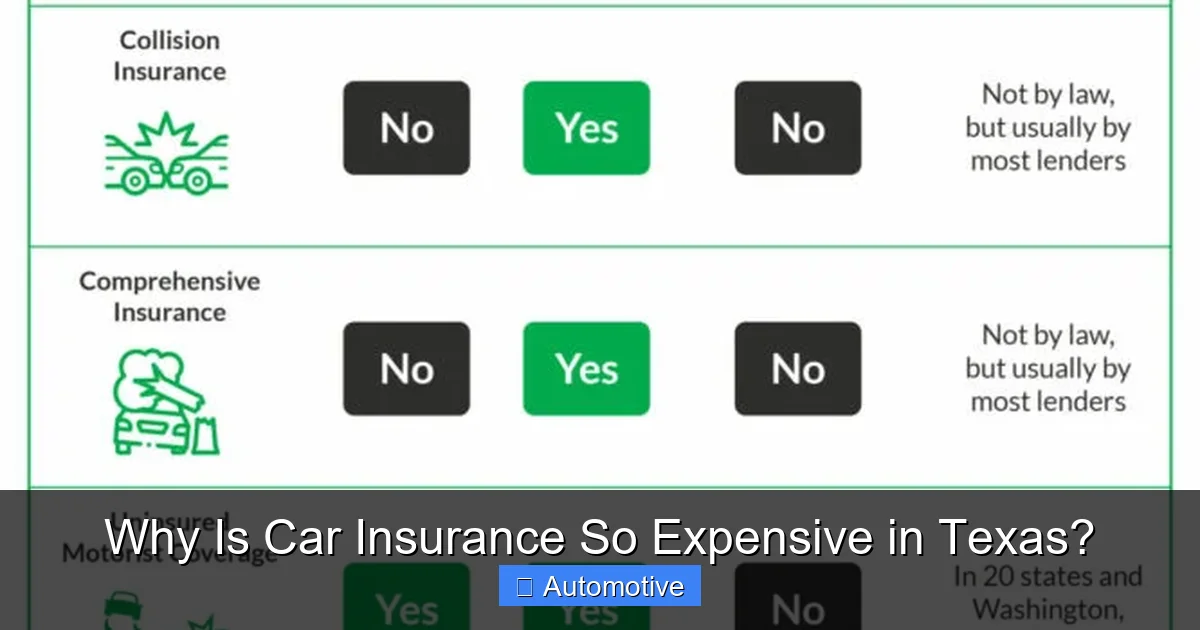
One of the biggest drivers of high car insurance premiums in Texas is the frequency of accidents, especially in major metropolitan areas. Cities like Houston, Dallas, San Antonio, and Austin are among the most congested in the country. With more cars on the road, the chances of collisions increase significantly.
Traffic Congestion and Commuter Culture
Texas cities are sprawling, and many residents face long commutes. Houston, for example, has some of the longest average commute times in the U.S.—over 30 minutes one way. More time on the road means more exposure to potential accidents. Rush hour traffic, distracted driving, and aggressive driving behaviors all contribute to higher accident rates.
According to the Texas Department of Transportation (TxDOT), there were over 250,000 reportable crashes in Texas in 2022 alone. Of those, nearly 10% resulted in serious injuries or fatalities. These numbers directly affect insurance companies’ risk assessments. When claims go up, so do premiums for everyone in the region.
Urban Density and Infrastructure Challenges
Even as cities grow, road infrastructure often struggles to keep up. Narrow lanes, outdated traffic signals, and poorly maintained roads can increase the likelihood of accidents. In addition, construction zones are common in fast-growing areas, creating temporary hazards for drivers.
For example, the I-35 corridor between Austin and Dallas is notorious for heavy traffic and frequent bottlenecks. Drivers navigating these areas face higher risks of rear-end collisions, lane-change accidents, and even pedestrian-related incidents.
Insurance companies factor in geographic risk when setting rates. If you live in a high-accident ZIP code, your premium will likely be higher than someone in a rural area with fewer crashes.
Distracted and Impaired Driving
Despite public awareness campaigns, distracted driving remains a major issue in Texas. Texting while driving is illegal, but enforcement can be inconsistent. Additionally, alcohol-related crashes continue to be a problem, especially during holidays and weekends.
The Texas A&M Transportation Institute reports that distracted driving contributes to nearly 1 in 5 crashes in the state. These incidents often result in costly claims, which insurers pass on to policyholders through higher premiums.
Severe Weather and Natural Disasters
Visual guide about Why Is Car Insurance So Expensive in Texas?
Image source: insurancepanda.com
Texas is no stranger to extreme weather. From hurricanes along the Gulf Coast to hailstorms in Central Texas and flash floods across the state, Mother Nature plays a significant role in driving up insurance costs.
Hurricanes and Coastal Damage
The Texas Gulf Coast, including cities like Galveston and Corpus Christi, is highly vulnerable to hurricanes. Hurricane Harvey in 2017 caused over $125 billion in damage, with tens of thousands of vehicles destroyed or severely damaged by flooding.
Even when hurricanes don’t make direct landfall, tropical storms and heavy rainfall can lead to widespread flooding. Water damage to engines, electrical systems, and interiors can total vehicles, resulting in massive insurance payouts.
Because insurers anticipate these risks, they charge higher premiums in coastal and flood-prone areas. Comprehensive coverage—which protects against non-collision events like storms—is especially expensive in these regions.
Hailstorms and Wind Damage
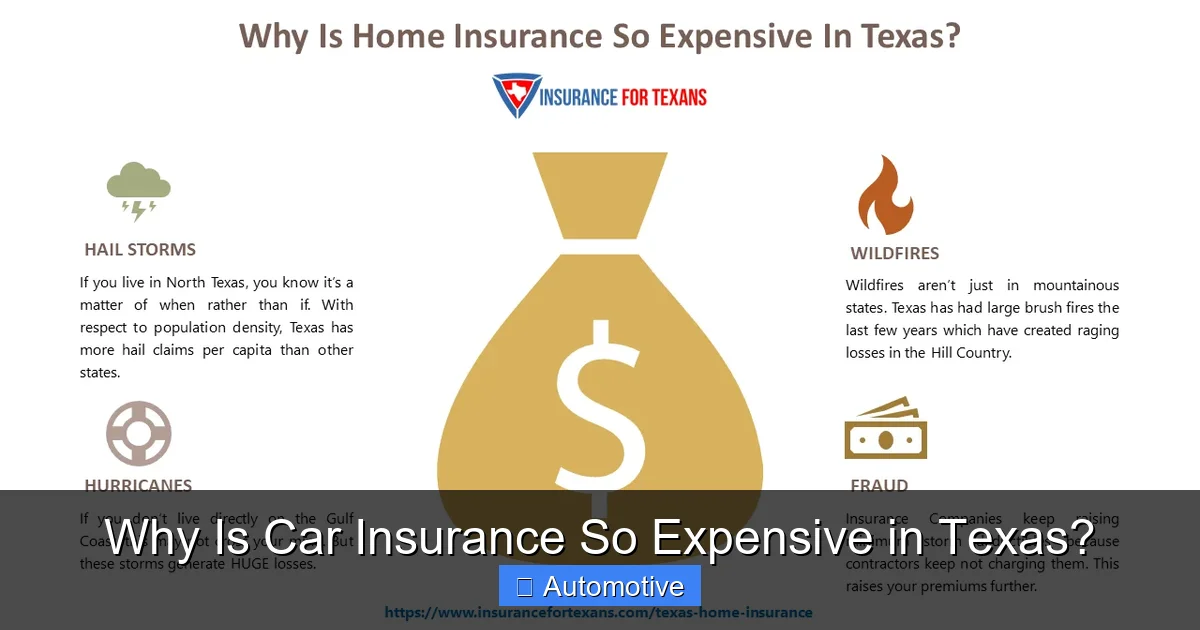
Central and North Texas are part of “Hail Alley,” a region known for frequent and severe hailstorms. Cities like Dallas, Fort Worth, and Amarillo regularly experience hail the size of golf balls—or larger—that can shatter windshields, dent roofs, and damage paint.
In 2021, a single hailstorm in the Dallas-Fort Worth area caused over $1 billion in vehicle damage. Insurance companies paid out thousands of claims in just a few days, leading to rate increases across the board.
Comprehensive claims for hail damage are among the most common in Texas. Because these events are predictable and widespread, insurers build the risk into their pricing models.
Flash Floods and Urban Runoff
Even inland cities aren’t safe from water damage. Flash floods can occur with little warning, especially during spring and summer storms. Urban areas with poor drainage systems are particularly vulnerable.
For example, in 2022, Austin experienced a series of intense thunderstorms that caused rivers to overflow and streets to become impassable. Hundreds of cars were submerged, leading to total losses.
These events increase the frequency of comprehensive claims, which insurers factor into regional premium calculations. If you live in a flood-prone area, your comprehensive coverage will likely cost more.
High Percentage of Uninsured Drivers
Visual guide about Why Is Car Insurance So Expensive in Texas?
Image source: insurancefortexans.com
One of the most surprising—and frustrating—reasons car insurance is expensive in Texas is the high number of uninsured drivers on the road.
Texas Ranks High in Uninsured Motorists
According to the Insurance Research Council, nearly 15% of Texas drivers are uninsured—one of the highest rates in the nation. That means about 1 in 7 drivers you share the road with may not have any insurance at all.
When an uninsured driver causes an accident, the injured party often has to rely on their own uninsured motorist (UM) coverage to pay for damages. This shifts the financial burden onto insured drivers and increases claim costs for insurance companies.
To protect themselves, insurers charge higher premiums for UM coverage, which is required in Texas. This coverage alone can add $100 or more to your annual premium.
Why Are So Many Drivers Uninsured?
There are several reasons why so many Texans drive without insurance. Some simply can’t afford it, especially in low-income areas. Others may not understand the legal requirements or believe they can get away with skipping coverage.
Unfortunately, driving uninsured is not only illegal—it’s risky. If you’re caught without insurance, you could face fines, license suspension, and even vehicle impoundment.
But the real cost is borne by responsible drivers. When insurers pay out more claims due to uninsured motorists, they raise rates for everyone to cover the shortfall.
The Ripple Effect on Premiums
The high rate of uninsured drivers creates a ripple effect across the entire insurance market. Insurers must collect enough in premiums to cover not only their own policyholders’ claims but also the costs of accidents caused by uninsured drivers.
This leads to higher base rates and more expensive add-ons like UM and underinsured motorist (UIM) coverage. Even if you’ve never been in an accident, you’re still paying for the risk posed by others.
State-Mandated Coverage Requirements
Texas law requires drivers to carry a minimum amount of liability insurance, and these requirements are higher than in many other states.
Minimum Liability Limits in Texas
In Texas, drivers must carry at least:
– $30,000 for bodily injury per person
– $60,000 for bodily injury per accident
– $25,000 for property damage
This is known as 30/60/25 coverage. While this may seem adequate, it’s often not enough to cover serious accidents—especially in a state with high medical costs and expensive vehicle repairs.
For comparison, some states have lower minimums, like 25/50/25 or even 15/30/10. Texas’s higher thresholds mean that even the cheapest legal policy is more expensive than in other states.
Why Higher Limits Increase Premiums
Liability insurance is the most expensive part of your policy because it covers injuries and damages you cause to others. The higher the limits, the more the insurer may have to pay out in a claim.
For example, if you cause an accident that results in $100,000 in medical bills, your 30/60 policy will only cover $60,000. The rest could come out of your pocket—or lead to a lawsuit.
Because of this risk, insurers charge more for higher liability limits. And since Texas requires relatively high minimums, even basic policies are costly.
The Case for Higher Coverage
While the state minimum may be legal, it’s often not enough. Medical bills, lost wages, and vehicle repairs can quickly exceed $60,000—especially in multi-vehicle accidents or those involving serious injuries.
Many financial advisors recommend carrying at least 100/300/100 coverage, which provides $100,000 per person, $300,000 per accident, and $100,000 for property damage. This extra protection can save you from financial ruin—but it will also increase your premium.
Litigation-Friendly Legal Environment
Texas is known for its plaintiff-friendly legal system, which can drive up insurance costs.
High Settlement and Jury Award Trends
Texas courts often award large settlements in personal injury cases. Juries in cities like Houston and Dallas have a reputation for being sympathetic to injured parties, sometimes awarding millions in damages.
For example, in 2021, a Dallas jury awarded $100 million to a plaintiff injured in a trucking accident. While such cases are rare, they set a precedent and increase the potential liability for insurers.
Even smaller claims can be costly when legal fees are added. Insurance companies must account for the possibility of high payouts when setting rates.
The Role of Lawsuits in Claims
In Texas, injured parties can sue for pain and suffering, lost income, and other non-economic damages. This encourages more lawsuits, even for minor accidents.
Insurers often settle out of court to avoid lengthy trials and unpredictable jury decisions. But settlements still cost money—and those costs are passed on to policyholders.
Additionally, Texas allows for “bad faith” lawsuits against insurance companies that deny or delay claims unfairly. This adds another layer of risk and expense for insurers.
Impact on Premiums
The legal environment in Texas makes it more expensive for insurers to operate. Higher legal costs, larger settlements, and the threat of lawsuits all contribute to elevated premiums.
Even if you’re a safe driver with no accidents, you’re still paying for the legal risks associated with the state’s tort system.
Population Growth and Infrastructure Strain
Texas is one of the fastest-growing states in the U.S., and this growth puts pressure on roads, traffic systems, and insurance markets.
Rapid Urban Expansion
Cities like Austin, Dallas, and Houston are adding thousands of new residents each year. This population boom leads to more cars on the road, increased traffic congestion, and higher accident rates.
For example, Austin’s population has grown by over 30% in the last decade. With more drivers competing for space, the risk of collisions rises.
Insurance companies adjust their rates based on population density and traffic patterns. As cities grow, premiums tend to follow.
Strained Road Infrastructure
While the population grows, road infrastructure often lags behind. Many highways and interstates were built decades ago and aren’t designed to handle today’s traffic volumes.
Potholes, uneven surfaces, and inadequate signage can contribute to accidents. Poorly timed traffic lights and lack of left-turn lanes also increase collision risks.
TxDOT reports that over 40% of major urban roads in Texas are in poor or mediocre condition. These conditions not only increase accident risks but also lead to more vehicle damage claims.
Impact on Insurance Costs
More cars, more accidents, and more damage claims mean higher costs for insurers. These costs are reflected in your premium.
Additionally, as more people move to Texas, the demand for insurance increases. With more policyholders and more claims, insurers must raise rates to maintain profitability.
How to Lower Your Car Insurance Costs in Texas
While many factors driving up insurance costs are out of your control, there are steps you can take to reduce your premiums.
Shop Around Annually
Insurance rates vary widely between companies. What’s cheap for one driver may be expensive for another. Use online comparison tools to get quotes from at least three different insurers each year.
For example, a 35-year-old driver in Houston might pay $1,600 with one company and $1,200 with another—for the same coverage.
Maintain a Clean Driving Record
Your driving history is one of the biggest factors in your premium. Avoid speeding tickets, accidents, and DUIs. Many insurers offer discounts for accident-free drivers.
Some companies even offer “forgiveness” programs that waive your first minor violation.
Take Advantage of Discounts
Most insurers offer a variety of discounts, such as:
– Safe driver discounts
– Multi-car discounts
– Good student discounts
– Low-mileage discounts
– Bundling home and auto insurance
Ask your agent about available discounts—you might be surprised how much you can save.
Consider Usage-Based Insurance
Programs like Progressive’s Snapshot or State Farm’s Drive Safe & Save monitor your driving habits through a mobile app or device. If you drive safely—avoiding hard braking, speeding, and late-night driving—you could earn significant discounts.
These programs are especially helpful for low-mileage drivers or those with clean records.
Raise Your Deductible
Increasing your deductible—the amount you pay out of pocket before insurance kicks in—can lower your premium. For example, raising your comprehensive deductible from $500 to $1,000 could save you $100 or more per year.
Just make sure you can afford the higher deductible if you need to file a claim.
Improve Your Credit Score
In Texas, insurers can use your credit-based insurance score to determine your premium. Drivers with higher credit scores typically pay less.
Pay bills on time, reduce debt, and check your credit report for errors to improve your score over time.
Drive a Safer, Less Expensive Car
Insurance costs vary by vehicle make and model. Sports cars and luxury vehicles are more expensive to insure due to higher repair costs and theft rates.
Choose a car with good safety ratings, anti-theft features, and lower repair costs to keep your premiums down.
Conclusion
Car insurance in Texas is expensive for a variety of reasons—high accident rates, severe weather, uninsured drivers, strict coverage requirements, a litigation-friendly legal system, and rapid population growth. These factors combine to create a high-risk environment for insurers, which translates into higher premiums for drivers.
While you can’t control the weather or the behavior of other drivers, you can take steps to reduce your own costs. Shopping around, maintaining a clean record, and taking advantage of discounts can make a big difference.
Understanding why car insurance is so expensive in Texas empowers you to make informed decisions about your coverage. With the right strategy, you can get the protection you need at a price you can afford.
Frequently Asked Questions
Why is car insurance so expensive in Texas compared to other states?
Texas has higher-than-average accident rates, severe weather risks, a large number of uninsured drivers, and state-mandated coverage requirements that drive up costs. These factors combine to make car insurance more expensive than in many other states.
Does living in a city make my car insurance more expensive in Texas?
Yes, urban areas like Houston, Dallas, and Austin have higher traffic density, more accidents, and greater risks of theft and vandalism, leading to higher premiums compared to rural areas.
How do uninsured drivers affect my insurance rates in Texas?
With nearly 15% of Texas drivers uninsured, insurers charge higher premiums for uninsured motorist coverage to protect against accidents caused by those without insurance, increasing overall costs for responsible drivers.
Can I lower my car insurance premium if I have a clean driving record?
Yes, maintaining a clean driving record can qualify you for safe driver discounts and lower risk assessments, potentially reducing your premium by 10% to 25% depending on the insurer.
Is comprehensive coverage worth it in Texas?
Yes, especially in areas prone to hail, flooding, or hurricanes. Comprehensive coverage protects against non-collision damage, which is common in Texas due to severe weather events.
Do insurance companies in Texas use credit scores to set rates?
Yes, most insurers in Texas use credit-based insurance scores as a factor in determining premiums. Drivers with higher credit scores typically receive lower rates.
