
Why Does My Car Temperature Go Up and Down?

If your car’s temperature gauge is constantly rising and falling, it’s a sign something’s off with your cooling system. This fluctuation can stem from low coolant, a faulty thermostat, air pockets, or a failing water pump—issues that, if ignored, may lead to engine damage. Understanding the root cause early helps prevent costly repairs and keeps your ride reliable.
Key Takeaways
- Low coolant levels are a top cause: Coolant circulates to absorb and release engine heat—without enough, temperatures spike and drop unpredictably.
- A stuck or failing thermostat disrupts flow: This small part controls coolant movement; if it’s stuck open or closed, your engine won’t maintain a steady temperature.
- Air pockets in the cooling system cause hot spots: Trapped air prevents proper coolant circulation, leading to erratic temperature readings.
- A worn water pump reduces circulation: The pump moves coolant through the engine and radiator—if it’s failing, flow slows and heat builds unevenly.
- Radiator issues block heat dissipation: Clogs, leaks, or damaged fins reduce the radiator’s ability to cool the fluid, causing temperature swings.
- Faulty temperature sensors give false readings: Even if the engine is fine, a bad sensor can make the gauge behave erratically.
- Ignoring fluctuations risks engine damage: Overheating can warp heads, blow gaskets, or seize the engine—address issues promptly.
📑 Table of Contents
Why Does My Car Temperature Go Up and Down?
You’re cruising down the highway, enjoying the breeze through your open window, when you glance at the dashboard. The temperature gauge—usually sitting calmly in the middle—suddenly creeps toward the red. You panic, turn on the heater, and within minutes, it drops back to normal. Then, a few miles later, it climbs again. Sound familiar?
This rollercoaster ride with your car’s temperature isn’t just annoying—it’s a warning sign. Your engine is designed to operate within a specific temperature range, typically between 195°F and 220°F (90°C to 104°C). When the temperature goes up and down unexpectedly, it means the cooling system isn’t doing its job properly. And while it might seem minor at first, ignoring these fluctuations can lead to serious—and expensive—engine damage.
So why does this happen? The answer lies in the complex interplay of components that keep your engine cool. From the coolant itself to the thermostat, water pump, radiator, and sensors, each part plays a vital role. When one fails or underperforms, the entire system suffers. The good news? Most causes of temperature fluctuations are fixable—if you catch them early.
In this guide, we’ll walk you through the most common reasons your car’s temperature gauge behaves erratically. We’ll explain how the cooling system works, what signs to watch for, and how to diagnose and fix the problem. Whether you’re a seasoned DIYer or just want to understand what your mechanic is talking about, this article will give you the knowledge to keep your engine running smoothly and safely.
How Your Car’s Cooling System Works
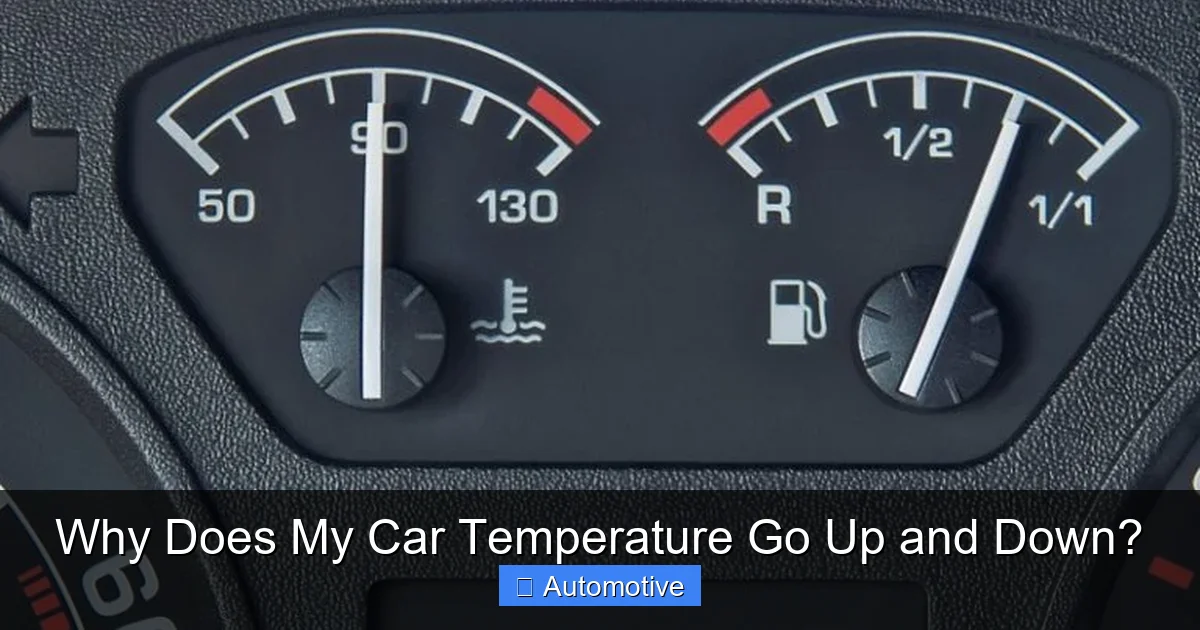
Visual guide about Why Does My Car Temperature Go Up and Down?
Image source: rxmechanic.com
Before diving into the causes of temperature fluctuations, it helps to understand how your car’s cooling system keeps the engine from overheating. Think of it like your body’s circulatory system—but instead of blood, it uses coolant to regulate temperature.
When your engine runs, it generates intense heat. Without proper cooling, metal parts would warp, seals would fail, and the engine could seize. That’s where the cooling system steps in. It circulates a mixture of antifreeze and water (coolant) through the engine block and cylinder head, absorbing heat. This hot coolant then flows to the radiator, where air passing through (either from driving or the radiator fan) cools it down. The cooled fluid returns to the engine, and the cycle repeats.
Several key components make this process possible:
– The water pump acts like the heart of the system, pushing coolant through the engine and radiator.
– The thermostat is a temperature-sensitive valve that opens and closes to regulate coolant flow. It stays closed when the engine is cold, allowing it to warm up quickly. Once the engine reaches operating temperature, the thermostat opens, letting coolant flow to the radiator.
– The radiator is a heat exchanger with thin fins and tubes that dissipate heat into the air.
– The cooling fan kicks in when the car is idling or moving slowly, helping pull air through the radiator.
– The coolant reservoir holds extra coolant and allows for expansion as the fluid heats up.
– Temperature sensors monitor engine heat and send data to the dashboard gauge and engine computer.
When all these parts work together, your engine stays at a steady, safe temperature. But if one component fails or malfunctions, the balance is disrupted—leading to the up-and-down temperature readings you’re experiencing.
Common Causes of Temperature Fluctuations

Visual guide about Why Does My Car Temperature Go Up and Down?
Image source: i.ytimg.com
Now that you know how the cooling system works, let’s look at the most common reasons your car’s temperature goes up and down. While each issue has its own symptoms and fixes, they all stem from a breakdown in the system’s ability to regulate heat.
Low Coolant Level
One of the simplest—and most common—causes of temperature swings is low coolant. Coolant is the lifeblood of your cooling system. Without enough of it, there’s not enough fluid to absorb and transfer heat away from the engine.
Coolant can drop for several reasons:
– Slow leaks from hoses, the radiator, water pump, or heater core.
– Evaporation over time, especially in older systems.
– Improper maintenance, like not topping off after a repair.
When coolant is low, the system can’t circulate enough fluid to keep the engine cool. This leads to hot spots—areas where heat builds up faster than it can be removed. As a result, the temperature gauge spikes. Then, when the remaining coolant finally reaches those hot zones, it cools them temporarily, causing the gauge to drop. This cycle repeats, creating the up-and-down pattern.
What to look for: Check the coolant reservoir when the engine is cold. The level should be between the “MIN” and “MAX” marks. If it’s low, top it off with the correct type of coolant (check your owner’s manual). But don’t stop there—low coolant often means there’s a leak. Inspect hoses, the radiator, and under the car for puddles or stains.
Pro tip: Never open the radiator cap when the engine is hot. The system is pressurized, and hot coolant can spray out, causing severe burns. Wait until the engine is completely cool.
Faulty Thermostat
The thermostat is a small but mighty component. Located between the engine and the radiator, it acts like a gatekeeper for coolant flow. When the engine is cold, the thermostat stays closed, allowing the engine to warm up quickly. Once it reaches the ideal temperature (usually around 195°F), the thermostat opens, letting coolant flow to the radiator to cool down.
But what happens if the thermostat gets stuck?
– If it’s stuck closed, coolant can’t reach the radiator. The engine overheats quickly, and the temperature gauge shoots up.
– If it’s stuck open, coolant flows continuously, even when the engine is cold. This prevents the engine from reaching optimal temperature, leading to poor fuel efficiency, increased emissions, and a sluggish feel. In some cases, the engine may run too cool, causing the temperature to drop below normal—then spike when demand increases (like climbing a hill).
A thermostat that’s intermittently sticking can cause the temperature to go up and down unpredictably. You might notice the gauge climbing during stop-and-go traffic, then dropping when you accelerate.
How to test it: Start your car cold and let it idle. Feel the upper radiator hose—it should stay cool for a few minutes as the engine warms up. If it warms up too quickly, the thermostat may be stuck open. If the engine overheats before the hose warms, it could be stuck closed.
Replacing a thermostat is relatively inexpensive and straightforward. Most cost between $20 and $50, and many DIYers can install one in under an hour.
Air Pockets in the Cooling System
Air pockets—also called air locks—are another common cause of temperature fluctuations. When air gets trapped in the cooling system, it blocks the flow of coolant. Since air doesn’t conduct heat as well as liquid, these pockets create hot spots in the engine.
Air can enter the system in several ways:
– During a coolant refill, if the system isn’t properly bled.
– After a repair, like replacing a radiator hose or water pump.
– From a leak that allows air to be sucked in.
When an air pocket forms, coolant can’t circulate evenly. The engine may overheat in one area while staying cool in another. This leads to erratic temperature readings—rising when the air pocket blocks flow, then dropping when coolant finally pushes through.
Signs of air pockets:
– Temperature gauge fluctuates, especially after adding coolant.
– Heater blows cold air even when the engine is warm.
– Gurgling or bubbling sounds from the dashboard or radiator.
How to fix it: You need to “bleed” the cooling system to remove trapped air. The process varies by vehicle, but generally involves:
1. Parking the car on a level surface.
2. Removing the radiator cap (when cool).
3. Starting the engine and letting it idle with the heater on full blast.
4. Adding coolant as needed while air escapes.
5. Replacing the cap once the system is full and bubbles stop.
Some cars have a bleed screw or require a specific procedure—check your service manual. If you’re unsure, a mechanic can do it safely.
Failing Water Pump
The water pump is the heart of the cooling system. It’s driven by a belt (usually the serpentine or timing belt) and spins an impeller to push coolant through the engine and radiator. If the pump fails, coolant doesn’t circulate properly—leading to overheating and temperature swings.
Common signs of a failing water pump:
– Coolant leaks from the weep hole (a small hole near the pump shaft).
– Whining or grinding noise from the front of the engine.
– Overheating, especially at idle or low speeds.
– Steam or sweet-smelling vapor from the radiator.
A worn impeller or damaged bearings can reduce pump efficiency. Instead of a steady flow, coolant moves in pulses or not at all. This causes the engine to heat up unevenly—spiking when flow is blocked, then cooling slightly when it resumes.
What to do: If you suspect a bad water pump, don’t wait. A complete failure can cause catastrophic engine damage. Replacement involves removing the belt, draining coolant, and installing a new pump. It’s a bit more involved than a thermostat swap, so many drivers opt for professional help.
Radiator Problems
The radiator is where hot coolant releases its heat into the air. If it’s clogged, damaged, or not getting enough airflow, it can’t cool the fluid effectively—leading to temperature fluctuations.
Common radiator issues:
– Internal clogs from rust, scale, or debris in the coolant.
– External blockages from dirt, bugs, or bent fins.
– Leaks from corrosion or physical damage.
– Faulty radiator fan that doesn’t turn on when needed.
A clogged radiator restricts coolant flow, causing heat to build up. The temperature may rise during city driving (when airflow is low) but drop on the highway (when air rushes through). A bad fan can cause overheating at idle, while leaks lead to low coolant and erratic readings.
How to check: Inspect the radiator for visible damage or leaks. Use a flashlight to look for debris blocking the fins. Test the fan by turning on the AC—it should kick on. If not, check the fuse, relay, or motor.
Cleaning the radiator externally is easy—use a soft brush and compressed air. Internal cleaning may require a flush. For leaks or fan issues, professional repair is often best.
Other Possible Causes
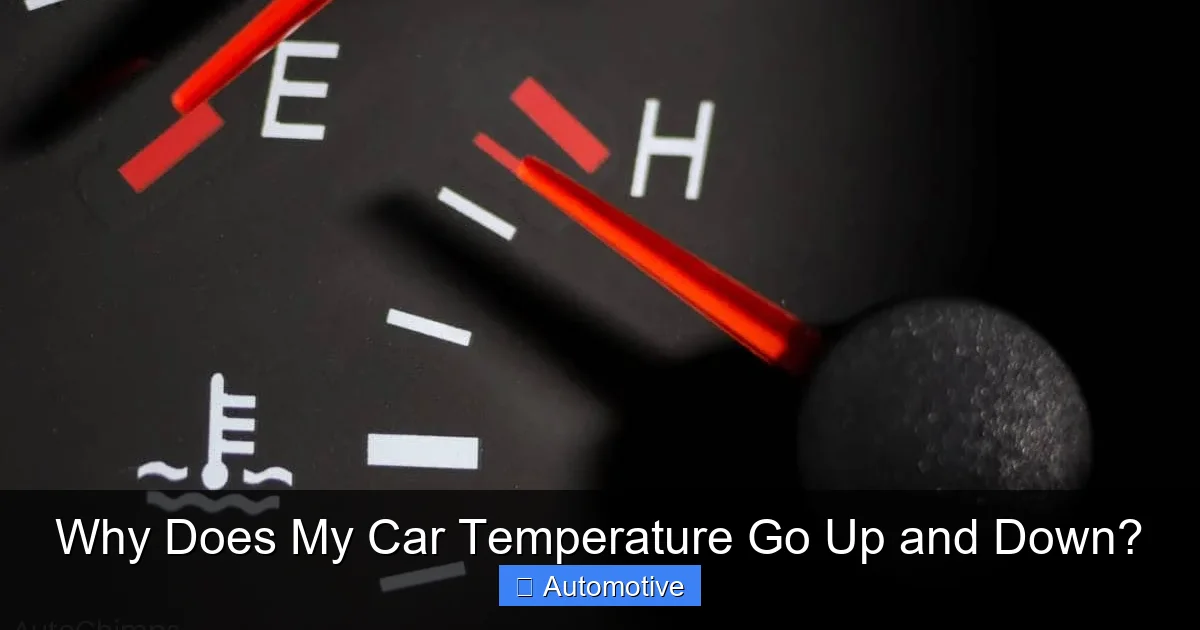
Visual guide about Why Does My Car Temperature Go Up and Down?
Image source: autochimps.com
While the above issues are the most common, a few other problems can cause your car’s temperature to go up and down.
Faulty Temperature Sensor or Gauge
Sometimes, the problem isn’t the engine—it’s the sensor telling you about it. The coolant temperature sensor (CTS) monitors engine heat and sends data to the dashboard gauge and engine computer. If it’s faulty, it can send incorrect signals, making the gauge behave erratically.
For example, a sensor that intermittently fails might report a sudden temperature spike, even when the engine is fine. Or it might read low when the engine is actually overheating.
How to test: Use an OBD2 scanner to check live data from the sensor. Compare it to the gauge reading. If they don’t match, the sensor may need replacement.
Head Gasket Issues
A blown head gasket is a serious problem that can cause temperature fluctuations. The head gasket seals the engine block and cylinder head. If it fails, combustion gases can leak into the cooling system, creating pressure and air pockets.
Symptoms include:
– White smoke from the exhaust.
– Coolant loss with no visible leak.
– Milky oil (from coolant mixing with oil).
– Overheating that comes and goes.
This is a complex repair that usually requires engine disassembly. If you suspect a head gasket issue, get it checked immediately.
Cooling System Blockages
Over time, rust, scale, and debris can build up in the cooling system, especially in older cars. These blockages restrict coolant flow, leading to hot spots and temperature swings.
A cooling system flush can help remove buildup. Use a quality flush solution and follow the manufacturer’s instructions. For severe blockages, professional cleaning may be needed.
When to See a Mechanic
While some cooling system issues are DIY-friendly, others require expert attention. Here’s when to call a mechanic:
– You see steam or smell burning coolant.
– The temperature gauge hits the red frequently.
– You notice coolant leaks under the car.
– The engine makes unusual noises.
– You’ve tried basic fixes (like topping off coolant) and the problem persists.
Ignoring temperature fluctuations can lead to warped cylinder heads, blown head gaskets, or a seized engine—repairs that can cost thousands. A quick diagnosis and repair now can save you big later.
Prevention Tips
The best way to avoid temperature problems is regular maintenance:
– Check coolant level monthly. Top off as needed with the correct type.
– Flush the cooling system every 30,000 to 50,000 miles. This removes rust and scale.
– Inspect hoses and belts annually. Replace cracked or worn parts.
– Use the right coolant mix. Most cars need a 50/50 mix of antifreeze and water.
– Listen for unusual noises. Squealing, grinding, or gurgling can signal trouble.
By staying proactive, you can keep your cooling system in top shape and avoid the stress of a temperature rollercoaster.
Conclusion
If your car’s temperature goes up and down, don’t ignore it. This fluctuation is your engine’s way of saying something’s wrong. Whether it’s low coolant, a faulty thermostat, air pockets, or a failing water pump, the cause is usually fixable—if you act quickly.
Understanding how your cooling system works empowers you to spot problems early. Regular maintenance, like checking coolant levels and inspecting hoses, can prevent many issues before they start. And when problems do arise, knowing the signs helps you decide whether to tackle it yourself or call a pro.
Remember: a healthy cooling system means a healthy engine. Keep it cool, keep it consistent, and your car will thank you with years of reliable performance.
Frequently Asked Questions
Why does my car overheat at idle but cool down when driving?
This often points to a faulty radiator fan or low coolant. At idle, airflow through the radiator is minimal, so the fan must kick in to cool the engine. If the fan isn’t working, temperatures rise. When you drive, natural airflow helps cool the system, so the temperature drops.
Can a bad thermostat cause the temperature to drop too low?
Yes. If the thermostat is stuck open, coolant flows continuously, preventing the engine from reaching optimal temperature. This can cause poor fuel economy, increased emissions, and a sluggish feel, especially in cold weather.
How often should I check my coolant level?
Check your coolant level at least once a month, especially before long trips. Always inspect it when the engine is cool to avoid burns from pressurized hot coolant.
Is it safe to drive with a fluctuating temperature gauge?
Not really. While short-term driving might be okay, continued temperature swings can lead to engine damage. It’s best to diagnose and fix the issue as soon as possible.
Can I use water instead of coolant in an emergency?
Yes, but only temporarily. Water can help in a pinch, but it lacks the anti-corrosion and antifreeze properties of proper coolant. Replace it with the correct mix as soon as possible.
Why does my heater blow cold air when the engine is warm?
This could be due to low coolant, air pockets in the system, or a clogged heater core. Since the heater relies on hot coolant, any disruption in flow can cause cold air output.
