
How to Recharge Car Ac on a Subaru Forester

Recharging your Subaru Forester’s AC system is a straightforward DIY task if done correctly. With the right tools and safety precautions, you can restore cool air in under an hour—no mechanic required.
Key Takeaways
- Safety first: Always wear safety goggles and gloves when handling refrigerants to protect against skin and eye exposure.
- Check for leaks: Low refrigerant levels often indicate a leak; recharging without fixing the leak will only provide temporary relief.
- Use the correct refrigerant: Subaru Foresters typically require R-134a (older models) or R-1234yf (newer models)—check your owner’s manual to confirm.
- Never overcharge: Overfilling the system can damage the compressor and reduce cooling efficiency.
- Use a quality recharge kit: Invest in a kit with a built-in pressure gauge for accurate readings and safe operation.
- Run the engine during recharge: The AC compressor only works when the engine is running and the AC is set to max cool with the fan on high.
- When to call a pro: If the system doesn’t hold pressure or cooling doesn’t improve, there may be a serious issue requiring professional diagnosis.
📑 Table of Contents
Why Your Subaru Forester’s AC Might Need a Recharge
If you’ve noticed that your Subaru Forester’s air conditioning isn’t blowing as cold as it used to—or worse, it’s blowing warm air—you’re not alone. Over time, even well-maintained vehicles can lose refrigerant due to minor leaks, seal degradation, or normal wear and tear. Unlike engine oil or brake fluid, refrigerant isn’t consumed during operation, so if your AC is low, it’s almost always due to a leak somewhere in the system.
The Subaru Forester, known for its reliability and all-weather capability, uses a standard automotive AC system that relies on pressurized refrigerant to absorb heat from the cabin and release it outside. When refrigerant levels drop below optimal levels, the system can’t effectively cool the air, leading to discomfort—especially during hot summer months or long drives. While some drivers assume a recharge is a quick fix, it’s important to understand that recharging is only part of the solution. Identifying and repairing the root cause of the leak is essential for long-term performance.
Recharging your Forester’s AC yourself can save you a trip to the mechanic and $100–$200 in labor costs. However, it’s not just about spraying in a can of refrigerant and hoping for the best. A proper recharge involves checking system pressure, ensuring the correct type of refrigerant is used, and verifying that the compressor is functioning. With the right tools and a bit of patience, this task is well within the reach of most DIYers.
Tools and Materials You’ll Need
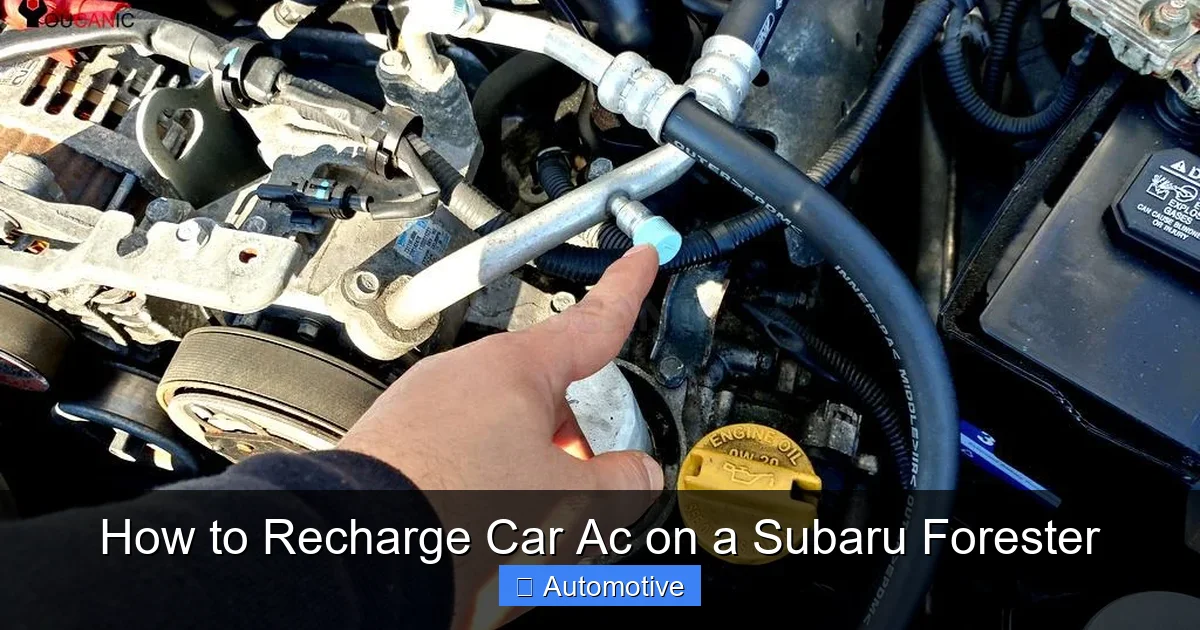
Visual guide about How to Recharge Car Ac on a Subaru Forester
Image source: youcanic.com
Before you begin, gather all the necessary tools and materials to ensure a smooth and safe recharge process. Having everything ready ahead of time prevents interruptions and reduces the risk of mistakes.
Essential Tools
- AC recharge kit: Look for a kit that includes a can of refrigerant (R-134a or R-1234yf), a hose with a pressure gauge, and a trigger dispenser. Popular brands like Interdynamics, A/C Pro, and Robinair offer reliable options.
- Safety goggles and gloves: Refrigerant can cause frostbite or eye injury if it comes into contact with skin or eyes. Always protect yourself.
- Owner’s manual: This will help you confirm the correct refrigerant type and locate service ports.
- Flashlight: You’ll need good visibility under the hood, especially near the AC components.
- Rag or cloth: Useful for wiping down connections and cleaning debris.
Optional but Helpful Tools
- UV leak detection kit: If you suspect a leak, adding UV dye to the system can help you locate it with a blacklight.
- Digital multimeter: Useful for checking electrical connections to the compressor clutch.
- Vacuum pump (for advanced users): If you’re doing a full system evacuation and recharge, a vacuum pump removes moisture and air, but this is typically done by professionals.
Choosing the Right Refrigerant
It’s critical to use the correct type of refrigerant for your Subaru Forester. Most models from 1994 to around 2013 use R-134a, while newer models (typically 2014 and later) may use the more environmentally friendly R-1234yf. Using the wrong type can damage the system and void warranties. Check your owner’s manual or look for a label under the hood near the AC components that specifies the refrigerant type.
For example, a 2010 Subaru Forester 2.5X will use R-134a, while a 2018 Forester Limited with advanced climate control likely uses R-1234yf. If you’re unsure, consult a Subaru dealership or a trusted mechanic. Never mix refrigerants—this can cause chemical reactions and system failure.
Step-by-Step Guide to Recharging Your Subaru Forester’s AC
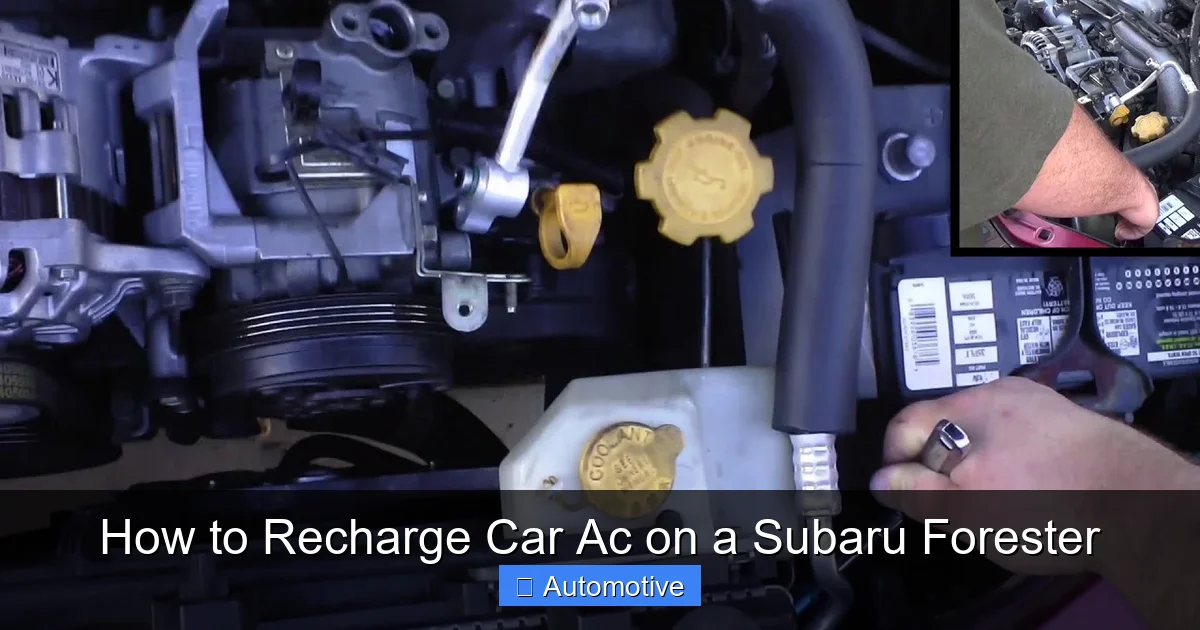
Visual guide about How to Recharge Car Ac on a Subaru Forester
Image source: i.ytimg.com
Now that you’re prepared, let’s walk through the actual process of recharging your Forester’s AC system. This step-by-step guide is designed for the average DIYer and assumes no major leaks or mechanical failures.
Step 1: Park and Prepare Your Vehicle
Start by parking your Forester on a level surface in a well-ventilated area—preferably outdoors or in a garage with the door open. Turn off the engine and allow the vehicle to cool down for at least 15–20 minutes. This ensures that the AC system is at ambient temperature and reduces pressure, making it safer to work on.
Open the hood and locate the low-pressure service port. On most Subaru Foresters, this port is on the passenger side of the engine bay, near the firewall. It’s usually a blue or black cap labeled “L” or “LOW.” The high-pressure port (red cap, labeled “H”) should not be used for recharging—only the low-side port is safe for DIY work.
Step 2: Inspect the System
Before connecting anything, visually inspect the AC components. Look for signs of oil stains, cracks, or loose connections around the compressor, hoses, and condenser. Oil residue often indicates a refrigerant leak. If you see significant damage or suspect a major leak, it’s best to consult a professional.
Also, check the serpentine belt that drives the AC compressor. It should be tight and free of cracks or fraying. A slipping or broken belt will prevent the compressor from engaging, even if refrigerant is present.
Step 3: Connect the Recharge Kit
Shake the refrigerant can well and attach it to the hose on your recharge kit. Make sure the valve on the can is closed before connecting. Remove the cap from the low-pressure port and wipe the area clean with a rag.
Screw the recharge hose onto the low-pressure port by hand—do not overtighten. Once connected, open the valve on the refrigerant can slowly. You should hear a slight hiss as refrigerant begins to flow into the system.
Step 4: Start the Engine and Turn On the AC
Start your Forester’s engine and turn the AC to the maximum cooling setting. Set the fan to high and make sure the recirculation mode is on (this pulls air from inside the cabin, making the system work harder and draw in refrigerant more effectively).
Let the engine run for a few minutes to allow the compressor to engage. You should hear a slight click when the compressor clutch engages—this means the system is ready to accept refrigerant.
Step 5: Monitor the Pressure Gauge
Watch the pressure gauge on your recharge kit closely. The ideal low-side pressure for most R-134a systems is between 25 and 45 psi when the ambient temperature is around 70–80°F. If it’s hotter outside, the pressure may read higher—up to 50–60 psi.
Slowly open the trigger on the recharge kit to allow refrigerant to flow into the system. Keep the can upright to prevent liquid refrigerant from entering the system, which can damage the compressor. If the can gets cold or frosty, pause and let it warm up slightly.
Step 6: Add Refrigerant Gradually
Add refrigerant in short bursts, allowing the system to stabilize between additions. Overcharging is a common mistake—once the pressure reaches the recommended range, stop adding refrigerant. Most recharge kits include 12–16 ounces of refrigerant, which is usually sufficient for a mild top-off.
If the pressure gauge reads too high (above 60 psi on the low side), stop immediately. High pressure can indicate a blockage, overcharge, or a malfunctioning compressor. In such cases, it’s safer to consult a technician.
Step 7: Check Cooling Performance
After recharging, let the engine run for 5–10 minutes with the AC on max. Feel the air coming from the vents—it should be noticeably colder. Use a thermometer to measure the outlet temperature if possible; ideally, it should be between 35°F and 45°F.
If the air is still warm, there may be a deeper issue such as a clogged expansion valve, faulty compressor, or significant leak. Recharging alone won’t fix these problems.
Step 8: Disconnect and Clean Up
Once satisfied with the cooling, close the valve on the refrigerant can and disconnect the hose from the low-pressure port. Replace the cap on the service port to prevent contamination.
Turn off the engine and store your tools. Dispose of the empty refrigerant can according to local regulations—many auto parts stores offer recycling programs.
Safety Precautions and Best Practices
Visual guide about How to Recharge Car Ac on a Subaru Forester
Image source: i.ytimg.com
Recharging your AC system involves handling pressurized chemicals, so safety should always be your top priority. Here are some essential precautions to follow.
Protect Yourself from Refrigerant Exposure
Refrigerant can cause frostbite on contact with skin and severe eye damage if sprayed directly. Always wear safety goggles and nitrile gloves. Work in a well-ventilated area to avoid inhaling fumes, which can be harmful in high concentrations.
Never puncture or incinerate refrigerant cans. They are under high pressure and can explode if mishandled.
Avoid Overcharging the System
Overcharging is one of the most common mistakes DIYers make. Too much refrigerant increases pressure, which can damage the compressor, hoses, and seals. It also reduces cooling efficiency because the system can’t circulate properly.
Always monitor the pressure gauge and stop when you reach the recommended range. If you accidentally overcharge, you’ll need a professional to safely remove the excess.
Don’t Recharge a System with a Major Leak
If your AC loses refrigerant quickly after a recharge, there’s likely a significant leak. Common leak points include O-rings, the compressor shaft seal, the condenser, or the evaporator core. Recharging without fixing the leak is a temporary fix and wastes refrigerant.
Consider using a UV dye kit to help locate small leaks. Add the dye to the system during recharge, run the AC for a day, then use a UV light to inspect components. Glowing areas indicate leaks.
Know When to Call a Professional
While recharging is a DIY-friendly task, some issues require specialized tools and expertise. If your system doesn’t hold pressure, the compressor won’t engage, or you suspect electrical problems, it’s time to visit a certified technician.
Professionals have access to electronic leak detectors, vacuum pumps, and recovery machines that ensure a thorough and safe recharge. They can also perform a full system diagnosis and repair any underlying issues.
Common Mistakes to Avoid
Even experienced DIYers can make mistakes when recharging an AC system. Here are some common pitfalls and how to avoid them.
Using the Wrong Refrigerant
As mentioned earlier, using R-134a in a system designed for R-1234yf (or vice versa) can cause irreversible damage. Always verify the correct type before purchasing refrigerant.
Recharging on the High-Pressure Side
The high-pressure port is not meant for recharging. Attempting to add refrigerant there can result in injury or system damage. Only use the low-pressure port, which is safer and designed for this purpose.
Ignoring the Compressor Clutch
If the compressor clutch doesn’t engage when you turn on the AC, the system won’t draw in refrigerant. This could be due to low pressure, a blown fuse, or a faulty clutch. Check the fuse box and ensure the clutch is receiving power.
Recharging a Hot Engine
Working on a hot engine increases the risk of burns and makes it harder to get accurate pressure readings. Always let the engine cool before starting.
Skipping the Recirculation Mode
Running the AC in fresh air mode reduces the system’s workload and may prevent it from drawing in refrigerant efficiently. Always use recirculation mode during recharge.
Maintaining Your Subaru Forester’s AC System
Recharging is just one part of AC maintenance. To keep your Forester’s air conditioning running smoothly, follow these best practices.
Run the AC Regularly
Even in winter, run your AC for 10–15 minutes every few weeks. This keeps the compressor lubricated and prevents seals from drying out.
Replace the Cabin Air Filter
A clogged cabin air filter restricts airflow and reduces cooling efficiency. Replace it every 12,000 to 15,000 miles or as recommended in your owner’s manual.
Inspect Belts and Hoses
Check the serpentine belt and AC hoses during routine maintenance. Look for cracks, wear, or loose connections.
Schedule Professional Inspections
Have your AC system inspected annually by a certified technician, especially before summer. They can check for leaks, test pressure levels, and ensure optimal performance.
Conclusion
Recharging the AC in your Subaru Forester is a practical and cost-effective way to restore cool, comfortable air inside your vehicle. With the right tools, safety precautions, and a clear understanding of the process, most drivers can complete this task in under an hour. Remember to use the correct refrigerant, monitor pressure carefully, and always prioritize safety.
However, recharging is not a cure-all. If your system continues to lose refrigerant or fails to cool properly after a recharge, there may be a more serious issue that requires professional attention. Regular maintenance and prompt repairs will keep your Forester’s AC running efficiently for years to come.
By following this guide, you’ll not only save money but also gain confidence in handling basic automotive repairs. Stay cool, drive safe, and enjoy the comfort of a properly functioning air conditioning system—no matter where the road takes you.
Frequently Asked Questions
Can I recharge my Subaru Forester’s AC myself?
Yes, you can recharge your Subaru Forester’s AC yourself if you follow proper safety procedures and use the correct tools. It’s a common DIY task that requires a recharge kit, safety gear, and attention to pressure readings.
How often should I recharge my car’s AC?
You shouldn’t need to recharge your AC regularly if the system is sealed properly. If you find yourself needing frequent recharges, it likely indicates a leak that should be repaired by a professional.
What type of refrigerant does a Subaru Forester use?
Most Subaru Foresters from 1994 to around 2013 use R-134a refrigerant. Newer models (2014 and later) may use R-1234yf. Always check your owner’s manual or the label under the hood to confirm.
Is it safe to use a recharge kit from an auto parts store?
Yes, as long as the kit is designed for your refrigerant type and includes a pressure gauge. Avoid cheap kits without gauges, as they increase the risk of overcharging.
Why is my AC still not cold after recharging?
If your AC still isn’t cold after recharging, possible causes include a clogged expansion valve, faulty compressor, electrical issue, or a significant leak. A professional diagnosis may be needed.
Can I drive my Forester if the AC isn’t working?
Yes, you can drive your Forester without working AC, but it may be uncomfortable in hot weather. However, if the compressor is damaged or there’s a refrigerant leak, continued driving could worsen the problem.
