
Does Car Insurance Cover Scratches and Dents

Car insurance may cover scratches and dents depending on your policy type and how the damage occurred. Comprehensive and collision coverage typically help pay for repairs, but liability-only plans won’t. Understanding your coverage limits and deductibles is key to making smart decisions after minor damage.
Key Takeaways
- Comprehensive coverage protects against non-collision damage like vandalism, weather, or hitting an animal—this often includes scratches and dents.
- Collision coverage pays for damage from accidents with other vehicles or objects, including dents and scratches from fender benders.
- Liability insurance does not cover your own vehicle’s damage—it only covers damage you cause to others.
- Small scratches and dents may not be worth claiming if repair costs are close to or less than your deductible.
- Filing too many claims can increase your premium, so weigh the cost of repairs against potential rate hikes.
- Document the damage with photos and reports, especially if it’s from vandalism or an unknown cause.
- Check your policy details before assuming coverage—terms vary by insurer and plan.
📑 Table of Contents
- Does Car Insurance Cover Scratches and Dents? A Complete Guide
- Understanding Your Car Insurance Policy
- When Does Insurance Cover Scratches and Dents?
- When Insurance Might NOT Cover Scratches and Dents
- Should You File a Claim for Scratches and Dents?
- Tips for Preventing and Handling Minor Car Damage
- Conclusion: Make Informed Decisions About Car Damage
Does Car Insurance Cover Scratches and Dents? A Complete Guide
So, you just noticed a fresh scratch along the side of your car—or maybe a dent from a runaway shopping cart in the parking lot. Your first thought? “Will my car insurance cover this?” It’s a common question, and the answer isn’t always straightforward. Whether your car insurance covers scratches and dents depends on several factors: the type of coverage you have, how the damage occurred, and the cost of repairs compared to your deductible.
Many drivers assume that any damage to their vehicle is automatically covered, but that’s not the case. Basic liability insurance, which is required in most states, only covers damage you cause to other people’s property—not your own car. So if you’re at fault in an accident that leaves your bumper dented, liability won’t help you fix it. That’s where optional coverages like collision and comprehensive come into play. These are designed to protect your vehicle from a wide range of incidents, including minor damage like scratches and dents.
Understanding the difference between these coverages—and knowing when it makes financial sense to file a claim—can save you money and stress. In this guide, we’ll break down exactly what types of damage are covered, how to decide whether to use your insurance, and tips for preventing and handling minor car damage. Whether you’re dealing with a door ding or a deep scratch from a keying incident, we’ve got you covered.
Understanding Your Car Insurance Policy
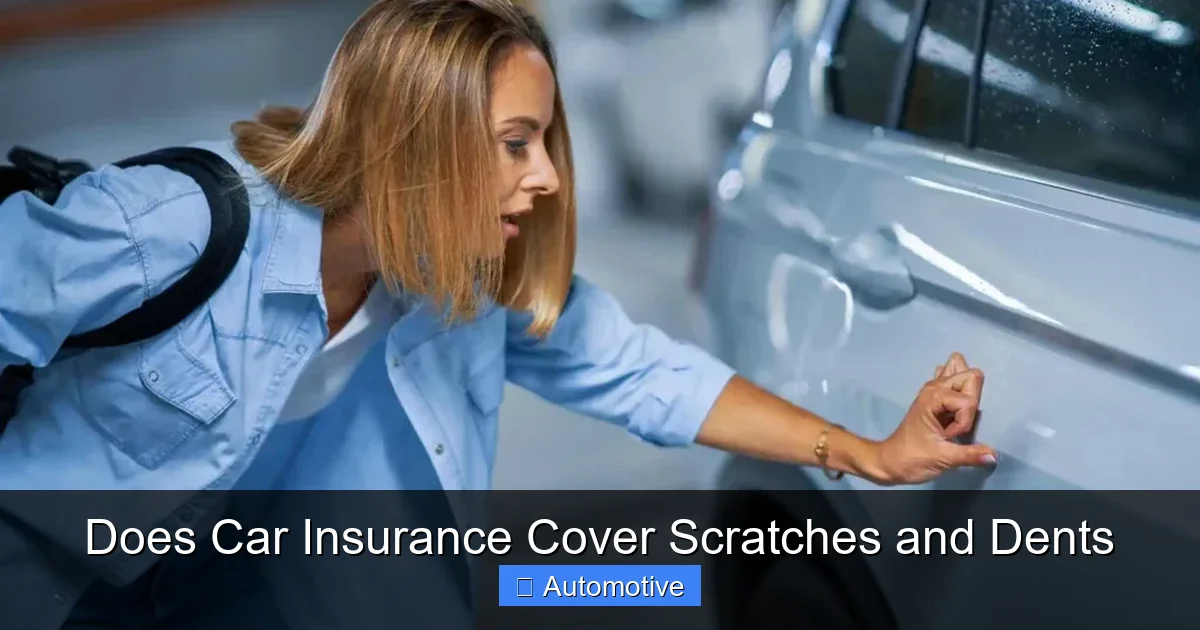
Visual guide about Does Car Insurance Cover Scratches and Dents
Image source: trybeem.com
Before you can determine whether your insurance will pay for scratches and dents, you need to understand what your policy actually includes. Most standard auto insurance policies are made up of several components, but not all of them protect your own vehicle. Let’s walk through the main types of coverage and how they relate to minor damage.
Liability Coverage: What It Does and Doesn’t Cover
Liability insurance is the foundation of most auto policies and is legally required in nearly every state. It comes in two parts: bodily injury liability and property damage liability. This coverage pays for injuries you cause to others and damage you do to someone else’s property—like their car, fence, or mailbox—if you’re at fault in an accident.
However, liability insurance does not cover any damage to your own vehicle. So if you rear-end another car and your front bumper gets scratched or dented, liability won’t help you repair it. That’s a common misconception. Many drivers assume that because they have “full coverage,” everything is taken care of—but “full coverage” is actually a term used by lenders and isn’t a formal insurance category. It usually means you have liability plus collision and comprehensive, but it’s not universal.
Collision Coverage: Protection for Accident-Related Damage
Collision coverage is designed to pay for damage to your car when you collide with another vehicle or object—like a pole, guardrail, or even a pothole. This includes dents, scratches, and more severe damage from accidents, whether you’re at fault or not. For example, if you accidentally scrape your door against a concrete pillar in a parking garage, collision coverage would typically cover the repair costs, minus your deductible.
One important note: collision coverage only applies when your vehicle is in motion or involved in a collision. It won’t cover damage from stationary incidents like vandalism or weather unless it’s part of a larger accident. But for everyday fender benders and parking mishaps, collision is your go-to protection.
Comprehensive Coverage: Non-Collision Protection
Comprehensive coverage protects your vehicle from damage that doesn’t involve a collision. This includes events like theft, vandalism, fire, falling objects, animal strikes, and severe weather. If someone keys your car, a tree branch falls on your hood, or a hailstorm leaves dents across your roof, comprehensive coverage is what steps in to help.
This is especially relevant for scratches and dents caused by non-accident events. For instance, if you return to your car and find a long scratch along the driver’s side with no note or witness, comprehensive may cover the repair—especially if you report it as vandalism. Similarly, if a shopping cart rolls into your door while you’re shopping, and you can’t find the responsible party, comprehensive could help pay for the dent repair.
Other Coverage Options That Might Help
While collision and comprehensive are the primary coverages for physical damage, a few other options might come into play:
– Uninsured/Underinsured Motorist Property Damage (UMPD): If another driver damages your car and they don’t have insurance (or enough insurance), UMPD may cover your repairs. This varies by state and isn’t available everywhere.
– Gap Insurance: This doesn’t cover scratches or dents directly, but if your car is totaled and you owe more than it’s worth, gap insurance covers the difference. It’s useful if minor damage leads to a total loss claim.
– Rental Reimbursement: If your car is in the shop for repairs due to covered damage, this add-on helps pay for a rental car.
Understanding these options helps you see the full picture of what your policy can—and can’t—do for you when it comes to minor damage.
When Does Insurance Cover Scratches and Dents?
Visual guide about Does Car Insurance Cover Scratches and Dents
Image source: b2343758.smushcdn.com
Now that you know the types of coverage available, let’s get specific: when will your insurance actually pay for scratches and dents? The answer depends on the cause of the damage and the coverage you have.
Damage from Accidents (Collision Coverage)
If your car gets scratched or dented in an accident—whether it’s a minor fender bender or a sideswipe in traffic—collision coverage is what you’ll rely on. This includes:
– Hitting another car
– Backing into a pole or wall
– Scraping your car against a curb or barrier
– Being hit by another driver (if they’re uninsured or underinsured, and you have UMPD)
For example, imagine you’re parallel parking and accidentally bump into the car next to you. Your door gets a deep scratch, and their bumper has a small dent. If you’re at fault, your collision coverage would pay to fix your door (minus your deductible), while your liability coverage would pay for their bumper repair.
Even if the other driver is at fault, you can still use your own collision coverage to get your car fixed quickly, then let your insurer seek reimbursement from the other party’s insurance (a process called subrogation).
Damage from Vandalism or Theft (Comprehensive Coverage)
Vandalism is a common cause of scratches and dents, especially in urban areas or poorly lit parking lots. Keying, graffiti, or intentional dents from someone kicking your door are all considered vandalism. Comprehensive coverage typically handles these incidents.
Let’s say you park your car overnight and wake up to find a long, deep scratch along the passenger side. There’s no note, no security camera footage, and no witnesses. You report it to the police and your insurer. As long as you have comprehensive coverage, your insurance will likely pay for the repair, minus your deductible.
Similarly, if your car is broken into and the thief damages the door frame or scratches the paint while trying to pry it open, comprehensive should cover those repairs.
Weather and Environmental Damage (Comprehensive Coverage)
Mother Nature can be tough on cars. Hailstorms, falling tree branches, flooding, and even bird droppings (in extreme cases) can cause scratches and dents. Comprehensive coverage is designed for these “acts of God” or environmental hazards.
For instance, a severe hailstorm might leave dozens of small dents across your hood, roof, and trunk. Without comprehensive coverage, you’d have to pay out of pocket for paintless dent repair or full panel replacement. But with comprehensive, your insurer will cover the cost after your deductible.
Even something as simple as a strong wind blowing a trash can into your car can cause a dent. If you can’t identify the source or it’s considered an “act of nature,” comprehensive may still apply.
Animal Strikes and Other Unexpected Events
Hitting a deer, raccoon, or even a large bird can cause significant damage—including scratches, dents, and broken headlights. These incidents fall under comprehensive coverage because they’re not collisions with another vehicle.
Imagine you’re driving at night and a deer jumps into the road. You swerve to avoid it, but it clips your front fender, leaving a deep scratch and a dent. Comprehensive coverage would pay for the repairs, helping you avoid a costly bill.
What About “Acts of God” Like Parking Lot Dings?
Here’s a tricky one: what if your car gets a small dent from a shopping cart or another car door in a parking lot, and no one takes responsibility? This is where comprehensive coverage can be a lifesaver.
Many insurers consider these “mysterious” dings and scratches as vandalism or accidental damage, especially if you can’t identify the cause. As long as you report it promptly and have comprehensive coverage, your insurer may approve the claim.
However, some insurers may push back, arguing that the damage is too minor or that it’s “wear and tear.” That’s why it’s important to document the damage with photos and, if possible, file a police report—especially if it’s clearly intentional.
When Insurance Might NOT Cover Scratches and Dents
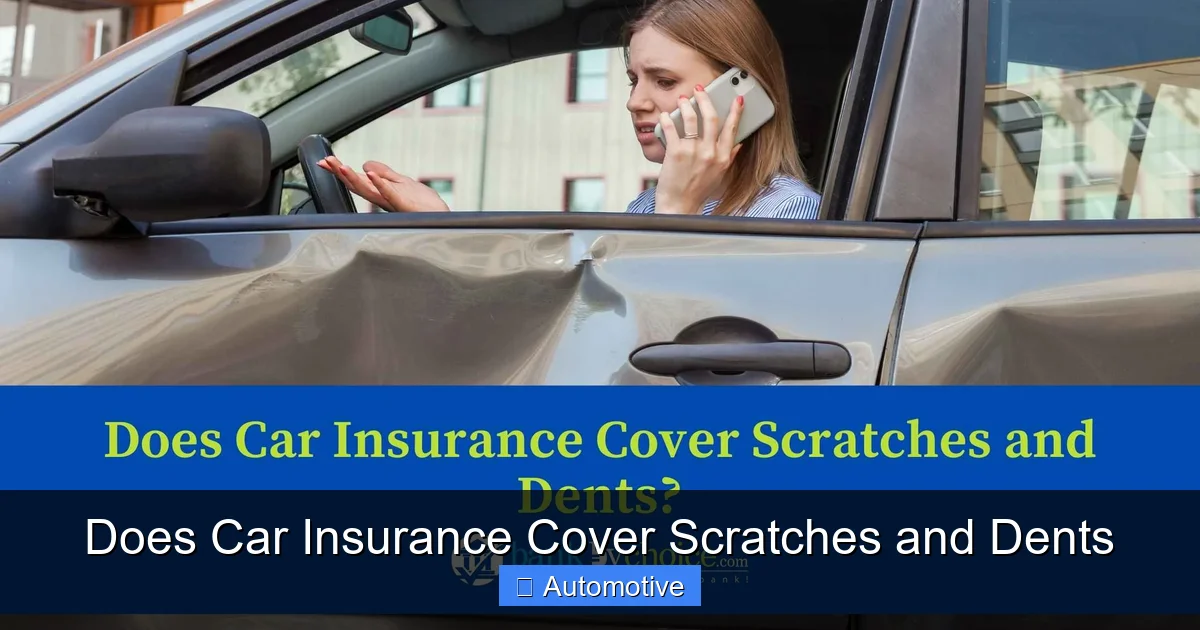
Visual guide about Does Car Insurance Cover Scratches and Dents
Image source: bankbychoice.com
While insurance can be a great safety net, it doesn’t cover everything. There are several situations where your claim might be denied or where it simply doesn’t make financial sense to file.
Wear and Tear vs. Sudden Damage
Insurance is designed to cover sudden, unexpected events—not gradual deterioration. If your car has a scratch that’s been there for months and you’re just now noticing it, your insurer will likely deny the claim, calling it “wear and tear” or “pre-existing damage.”
Similarly, rust, paint fading, or minor chips from road debris over time aren’t covered. Insurance doesn’t pay for maintenance or cosmetic aging.
Damage from Negligence or Misuse
If you cause damage through reckless behavior—like intentionally scratching your car or driving off-road in a vehicle not designed for it—your claim may be denied. Insurers expect you to use your car responsibly.
For example, if you park in a restricted area and your car gets damaged by a towing company, your insurer might argue that you assumed the risk by parking illegally.
No Coverage for Minor Repairs Under Deductible
Even if your damage is covered, you still have to pay your deductible—the amount you agree to pay out of pocket before insurance kicks in. If your deductible is $500 and the repair costs $400, it doesn’t make sense to file a claim. You’d pay the full $400 anyway, and you’d risk a premium increase.
Most experts recommend only filing a claim if the repair cost is significantly higher than your deductible—say, at least 1.5 to 2 times the amount.
Liability-Only Policies Offer No Protection
If you only have liability insurance, you’re not covered for any damage to your own vehicle—no matter how it happens. This is common among drivers of older cars who drop collision and comprehensive to save money. While it reduces premiums, it leaves you vulnerable to out-of-pocket repair costs.
For example, if you have a 15-year-old sedan worth $3,000 and only carry liability, a $1,200 repair for a dent and scratch would come entirely from your pocket.
Exclusions in Your Policy
Always read your policy carefully. Some insurers exclude certain types of damage—like cosmetic scratches without structural damage—or limit coverage for high-end repairs. Luxury car owners, for instance, might find that their policy doesn’t cover premium paint jobs or custom bodywork.
Should You File a Claim for Scratches and Dents?
Deciding whether to file a claim is about more than just coverage—it’s a financial calculation. Here’s how to make the smart choice.
Compare Repair Costs to Your Deductible
Start by getting a repair estimate from a trusted body shop. If the cost is less than your deductible, don’t file a claim. You’ll pay the full amount anyway, and you’ll have a claim on your record.
For example, if your deductible is $1,000 and the repair is $800, it’s better to pay out of pocket. But if the repair is $1,500, filing a claim saves you $500.
Consider the Impact on Your Premium
Filing a claim—especially for at-fault accidents—can increase your insurance premium. Even small claims can lead to rate hikes, particularly if you’ve had other claims in the past.
Insurance companies use your claims history to assess risk. Multiple claims, even for minor damage, can label you a “high-risk” driver, leading to higher rates or even non-renewal.
Ask your insurer about their “claim forgiveness” or “accident-free” discount policies. Some companies won’t raise your rate for your first claim, especially if it’s under a certain amount.
Weigh the Value of Your Car
If your car is older or has high mileage, the cost of repairs might exceed its actual cash value (ACV). In that case, the insurer may declare it a total loss—even for minor damage.
For example, if your 12-year-old car is worth $4,000 and the repair estimate is $3,500, the insurer might total it. You’d receive a check for $4,000 minus your deductible, but you’d lose the car.
In such cases, paying for a cheaper repair out of pocket might be smarter than filing a claim.
Document Everything Before Deciding
Whether you file a claim or not, document the damage. Take clear photos from multiple angles, note the date and location, and get a repair estimate. This protects you if the damage worsens or if you need to prove the incident later.
If the damage is from vandalism or an unknown cause, file a police report. Many insurers require this for comprehensive claims.
Tips for Preventing and Handling Minor Car Damage
While insurance can help, the best approach is prevention. Here are practical tips to reduce the risk of scratches and dents—and how to handle them when they happen.
Park Smart to Avoid Damage
Where you park matters. Choose well-lit, high-traffic areas with security cameras. Avoid tight spaces between large vehicles, and consider parking farther away to reduce exposure.
Use parking aids like sensors or cameras to help you avoid curbs and obstacles. If you drive a large SUV or truck, consider a front-end protector to guard against low-speed bumps.
Use Paint Protection and Dent Guards
Invest in protective measures:
– Paint protection film (PPF): A clear, durable layer that shields your paint from scratches and chips.
– Door edge guards: Prevent paint chipping when opening doors.
– Parking bumpers or wheel chocks: Help you stop at the right distance from walls.
These small investments can save you hundreds in repair costs.
Handle Repairs Promptly
Don’t ignore minor damage. Small scratches can lead to rust if the paint is compromised. Dents can worsen if left untreated, especially in cold weather when metal contracts.
Get estimates from at least two body shops. Some offer paintless dent repair (PDR) for small dents, which is faster and cheaper than traditional methods.
Know Your Rights and Options
If your claim is denied unfairly, you have options. Contact your insurer’s customer service, file a complaint with your state’s insurance department, or consult a consumer advocate.
You can also appeal the decision with additional evidence, like photos or expert opinions.
Conclusion: Make Informed Decisions About Car Damage
So, does car insurance cover scratches and dents? The short answer is: it depends. If you have collision or comprehensive coverage, and the damage results from a covered event—like an accident, vandalism, or weather—then yes, your insurance can help pay for repairs. But if you only have liability coverage, or the damage is due to wear and tear, you’re on your own.
The key is understanding your policy, knowing your deductible, and weighing the cost of repairs against the potential impact on your premium. For minor damage, paying out of pocket is often the smarter choice. For larger repairs or incidents beyond your control, filing a claim can provide much-needed financial relief.
Ultimately, protecting your car goes beyond insurance. Smart parking, protective accessories, and prompt repairs can keep your vehicle looking great and running smoothly. And when damage does occur, being informed helps you make the best decision for your wallet and your peace of mind.
Frequently Asked Questions
Does liability insurance cover scratches on my car?
No, liability insurance only covers damage you cause to other people’s property, not your own vehicle. It will not pay for scratches or dents on your car, even if you’re at fault in an accident.
Will my insurance cover a scratch from vandalism?
Yes, if you have comprehensive coverage. Vandalism, including keying or intentional scratches, is typically covered under comprehensive insurance, minus your deductible.
Can I claim a small dent from a shopping cart?
It depends. If you have comprehensive coverage and can’t identify the responsible party, your insurer may cover the repair. However, if the cost is less than your deductible, it’s usually not worth filing a claim.
Will filing a claim for a scratch increase my premium?
Possibly. Frequent claims, especially for at-fault incidents, can lead to higher premiums. Some insurers offer claim forgiveness for the first incident, so check your policy.
What if my car is old—should I still carry comprehensive coverage?
It depends on the car’s value. If repair costs exceed the car’s worth, comprehensive may not be cost-effective. Many drivers drop it on older vehicles to save money.
Can I repair a scratch myself instead of using insurance?
Yes, for minor scratches, DIY repair kits are available and affordable. However, deep scratches that expose metal should be professionally repaired to prevent rust and further damage.