
Can You Get Car Insurance Without a License?

You can get car insurance without a license, but it depends on your situation and the insurer’s policies. While most companies require a valid license, some allow non-licensed individuals to insure a vehicle—especially if someone else will be driving it regularly. Understanding your options and working with the right provider is key.
Key Takeaways
- Yes, it’s possible: Some insurers allow you to purchase car insurance without a license, particularly if you’re insuring a vehicle for someone else to drive.
- Named driver policies: You can often list a licensed driver as the primary operator while you remain the policyholder.
- Vehicle ownership matters: If you legally own the car, you may qualify for coverage even without a license.
- Limited coverage options: Policies for unlicensed individuals may exclude certain protections or come with higher premiums.
- State laws vary: Insurance requirements differ by state, so check local regulations before applying.
- Specialized insurers exist: Some companies specialize in high-risk or non-standard policies for unlicensed drivers or vehicle owners.
- Documentation is key: Be prepared to provide proof of ownership, ID, and details about the primary driver.
📑 Table of Contents
Can You Get Car Insurance Without a License?
Let’s face it—life doesn’t always go according to plan. Maybe you’re recovering from surgery and your license is suspended. Perhaps you’re a parent buying a car for your teen who hasn’t gotten their license yet. Or maybe you’ve recently moved to the U.S. and are waiting for your driver’s license to arrive. In any of these cases, you might be wondering: *Can I still get car insurance without a license?*
The short answer is: **yes, but it’s complicated.** Most traditional auto insurers require at least one licensed driver on the policy. However, there are exceptions—especially if you’re the legal owner of the vehicle and someone else will be driving it. Insurance companies care more about who’s behind the wheel than who holds the title. So while you may not be able to drive the car yourself, you can still protect your investment with the right policy.
This guide will walk you through everything you need to know about getting car insurance without a license. We’ll cover the scenarios where it’s possible, the types of policies available, what insurers look for, and how to navigate the process smoothly. Whether you’re insuring a classic car, managing a family vehicle, or simply need coverage while your license is pending, we’ve got you covered.
Why Would Someone Need Insurance Without a License?
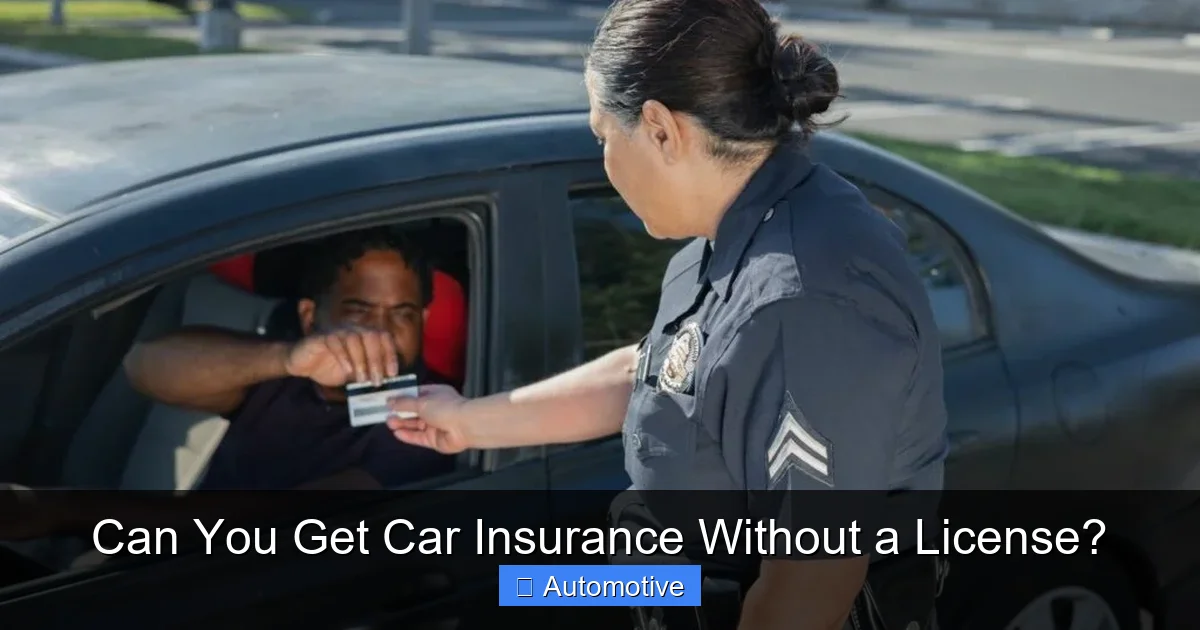
Visual guide about Can You Get Car Insurance Without a License?
Image source: trybeem.com
There are several legitimate reasons why a person might need car insurance even if they don’t have a driver’s license. Understanding these situations helps explain why some insurers are willing to work with unlicensed individuals.
You Own a Car But Can’t Drive
Imagine you’ve purchased a used car as an investment or for future use. Maybe it’s a vintage model you plan to restore, or a second vehicle you’ll drive once your license is reinstated. Even if you can’t drive it now, you still need insurance to protect against theft, vandalism, or damage from weather or accidents (like someone else crashing into it while parked).
In this case, you can often insure the vehicle under your name as the owner, with a licensed friend or family member listed as the primary driver. This is known as a “named driver” policy.
You’re Buying a Car for Someone Else
Parents frequently buy cars for their teenage children before they get their licenses. In many states, the parent must be listed as the policyholder because minors can’t legally enter into insurance contracts. Even if the teen isn’t licensed yet, the car still needs coverage—especially if it’s being used for school, work, or practice driving with a permit.
Similarly, spouses or partners may insure a vehicle for each other. If one partner doesn’t have a license (due to medical reasons, legal issues, or immigration status), the other can still secure coverage by naming themselves or another licensed individual as the primary driver.
Your License Is Suspended or Revoked
A suspended or revoked license doesn’t automatically disqualify you from getting insurance. In fact, some states require you to maintain coverage even during suspension—especially if you’re working toward reinstatement. For example, California requires an SR-22 form (proof of financial responsibility) for drivers with serious violations. You can still insure the vehicle during this time, though premiums may be higher.
You’re a Non-Driver Vehicle Owner
Some people own cars but don’t drive—think collectors, investors, or individuals with medical conditions that prevent driving. These owners still need liability and comprehensive coverage to protect their assets. While they won’t be listed as drivers, they can be the policyholder as long as a licensed operator is named.
You’re Waiting for a License
New residents, international students, or individuals going through the licensing process may need to insure a vehicle before receiving their official license. Some insurers allow temporary coverage during this period, especially if you have a learner’s permit or are enrolled in driving school.
How Does Car Insurance Work Without a License?
Now that we’ve covered the “why,” let’s talk about the “how.” Getting car insurance without a license isn’t the same as getting it with one. The process requires extra steps, and not all insurers will accommodate you. Here’s what you need to know.
The Role of the Policyholder vs. the Driver
In auto insurance, there’s an important distinction between the **policyholder** (the person who owns the policy and pays the premiums) and the **driver** (the person who operates the vehicle). You can be the policyholder without being a driver—and that’s the key to insuring a car without a license.
Most insurers allow you to list one or more licensed drivers on your policy. These individuals are considered the “primary operators” and will be evaluated for risk based on their driving history, age, and experience. As the unlicensed owner, you’re still responsible for the policy, but you won’t be rated as a driver.
Named Driver Policies
One of the most common ways to insure a car without a license is through a **named driver policy**. Here’s how it works:
– You (the unlicensed owner) are listed as the policyholder.
– A licensed individual (like a spouse, parent, or friend) is listed as the primary driver.
– The insurer evaluates the driver’s risk profile to determine premiums.
– You remain financially responsible for the policy.
For example, let’s say Maria buys a car for her son, Alex, who is 16 and hasn’t gotten his license yet. Maria can insure the car under her name, listing Alex as an occasional driver once he gets his permit. Even before he’s licensed, the car is protected against theft, fire, or damage.
Garaging and Usage Considerations
Insurers also care about where the car is stored and how it’s used. If the vehicle will be parked at your home and rarely driven, you may qualify for a **storage or classic car policy**. These are designed for vehicles that aren’t used daily and often have lower premiums.
However, if the car will be driven regularly—even by someone else—you’ll need a standard policy with liability, collision, and comprehensive coverage. The insurer will want to know who’s driving, how often, and for what purpose (commuting, pleasure, business, etc.).
Proof of Ownership and Identification
Even without a license, you’ll need to prove you’re the legal owner of the vehicle. This typically requires:
– A copy of the vehicle title or registration
– A government-issued ID (like a passport or state ID card)
– Proof of address (utility bill, lease agreement, etc.)
Some insurers may also ask for a letter explaining your situation—especially if you’re unlicensed due to medical or legal reasons.
Types of Insurance Policies for Unlicensed Owners
Not all insurance policies are created equal—especially when it comes to unlicensed owners. Here are the most common types you might consider.
Standard Auto Insurance with a Named Driver
This is the most straightforward option. You purchase a regular auto policy, list yourself as the owner, and name a licensed driver as the primary operator. The policy includes:
– Liability coverage (bodily injury and property damage)
– Collision and comprehensive coverage
– Uninsured/underinsured motorist protection
– Medical payments or personal injury protection (PIP), depending on your state
Premiums are based on the named driver’s record, not yours. So if your spouse has a clean driving history, your rates will be lower—even if you’re unlicensed.
Non-Owner Car Insurance
Wait—what if you don’t own the car? Can you still get insurance? Yes, through a **non-owner car insurance policy**. This type of coverage is designed for people who frequently drive vehicles they don’t own (like renting cars or borrowing a friend’s car).
However, non-owner policies typically require the driver to have a valid license. So if you’re unlicensed, this option usually isn’t available—unless you’re insuring a vehicle you own but don’t drive.
Classic or Collector Car Insurance
If you’re insuring a vintage, antique, or rarely driven vehicle, a **classic car policy** might be the best fit. These policies often:
– Allow storage coverage (no driving required)
– Offer agreed-value payouts (instead of depreciated value)
– Permit occasional use for shows or parades
– Have lower premiums due to limited mileage
Many classic car insurers don’t require the owner to have a license, as long as the vehicle isn’t used for daily driving.
Storage or Lay-Up Insurance
For cars that will be parked for long periods (like during winter or while you’re traveling), **storage insurance** provides basic protection. It typically includes:
– Comprehensive coverage (theft, fire, vandalism, weather)
– No liability or collision coverage (since the car isn’t being driven)
This is a cost-effective way to protect your vehicle without paying for full coverage. Just make sure to inform your insurer when you plan to start driving again—coverage may need to be updated.
High-Risk or Non-Standard Insurance
If you’re unlicensed due to a DUI, suspension, or other high-risk status, you may need to go through a **non-standard insurer**. These companies specialize in high-risk drivers and may offer policies to unlicensed owners under certain conditions.
Be prepared for higher premiums, stricter terms, and possible requirements like an SR-22 form. But for many, it’s the only way to keep their vehicle insured legally.
Challenges and Limitations
While it’s possible to get car insurance without a license, there are some hurdles to be aware of.
Not All Insurers Will Accept You
Most mainstream insurers (like State Farm, Geico, or Progressive) prefer to work with licensed drivers. They may reject your application outright if you don’t have a license—even if you’re the owner.
Your best bet is to contact **non-standard or specialty insurers** that cater to unique situations. Companies like The General, Dairyland, or National General often have more flexible policies.
Higher Premiums
Even if you find an insurer willing to cover you, expect to pay more. Why? Because unlicensed ownership is seen as a higher risk. The insurer can’t assess your driving behavior, so they rely on the named driver’s record—and may add a surcharge for the uncertainty.
Limited Coverage Options
Some policies for unlicensed owners exclude certain protections. For example, you might not be eligible for:
– Rental car reimbursement
– Roadside assistance
– Full coverage if the primary driver has a poor record
Always read the fine print and ask questions before signing up.
State-Specific Rules
Insurance laws vary by state. In some places, you must have a license to insure a vehicle—even as the owner. In others, you can insure a car as long as a licensed driver is listed.
For example:
– **California:** Allows unlicensed owners to insure vehicles with a named driver.
– **New York:** Requires at least one licensed operator on the policy.
– **Texas:** Permits unlicensed ownership but may require an SR-22 if the license is suspended.
Check with your state’s Department of Motor Vehicles (DMV) or insurance commissioner for specific rules.
Risk of Policy Cancellation
If the named driver causes an accident or lets their license expire, your policy could be canceled—even if you’re not the one driving. Make sure the primary operator maintains a clean record and keeps their license valid.
Tips for Getting Approved
Want to increase your chances of getting car insurance without a license? Follow these practical tips.
Choose the Right Insurer
Start by researching insurers that specialize in non-standard or high-risk policies. Call their customer service lines and ask:
– “Do you insure vehicles owned by unlicensed individuals?”
– “Can I be the policyholder if I don’t have a license?”
– “What documentation do you require?”
Don’t be afraid to shop around—some companies are more accommodating than others.
Be Honest About Your Situation
Don’t try to hide the fact that you’re unlicensed. Insurers will find out, and it could lead to claim denial or policy cancellation. Instead, explain your situation clearly:
– Why you don’t have a license (medical, legal, pending, etc.)
– Who will be driving the car
– How often it will be used
Transparency builds trust and helps the insurer assess risk accurately.
Provide Strong Documentation
Gather all necessary paperwork before applying:
– Vehicle title and registration
– Your government-issued ID
– Proof of address
– License details of the named driver
– Any court documents (if license is suspended)
The more organized you are, the smoother the process will be.
Consider Adding a Co-Signer
If you’re struggling to get approved, ask a licensed family member or friend to co-sign the policy. This person shares responsibility for premiums and claims, which may make insurers more comfortable.
Just make sure they understand the commitment—co-signing affects their credit and insurance history too.
Review and Update Regularly
Once you have a policy, don’t set it and forget it. Review your coverage annually, especially if:
– The named driver changes
– You get your license
– The vehicle is sold or stored long-term
Keeping your policy up to date ensures you’re always protected.
Conclusion
So, can you get car insurance without a license? **Yes—but it takes effort, research, and the right approach.** While most insurers prefer licensed drivers, many will work with unlicensed owners who can demonstrate responsible vehicle management and name a qualified driver.
Whether you’re insuring a family car, a classic vehicle, or a car for someone else, the key is to be proactive. Understand your state’s laws, choose the right type of policy, and work with an insurer that understands your needs.
Remember, insurance isn’t just about driving—it’s about protecting your investment, your assets, and your peace of mind. Even if you can’t get behind the wheel today, you can still take control of your vehicle’s future.
With the right information and a little persistence, you can find coverage that works for you—no license required.
Frequently Asked Questions
Can I insure a car if I don’t have a driver’s license?
Yes, you can insure a car without a license if you’re the legal owner and list a licensed driver as the primary operator. Many insurers allow unlicensed individuals to be policyholders as long as someone else will be driving the vehicle.
Will my insurance be more expensive if I don’t have a license?
Possibly. Insurers may charge higher premiums for unlicensed owners due to increased risk. However, rates are primarily based on the named driver’s record, so choosing a safe, experienced driver can help keep costs down.
What if my license is suspended? Can I still get insurance?
Yes, in many cases. Some states require you to maintain coverage even during suspension, especially if you need an SR-22 form. Non-standard insurers often provide policies for high-risk or suspended drivers.
Do I need to be the one driving the car to insure it?
No. You can be the policyholder and owner without ever driving the vehicle. As long as a licensed individual is listed as the primary driver, the car can be insured under your name.
Can I get full coverage without a license?
Yes, but it depends on the insurer and the named driver’s eligibility. Full coverage (liability, collision, comprehensive) is often available to unlicensed owners who list a qualified driver.
What documents do I need to insure a car without a license?
You’ll typically need proof of vehicle ownership (title or registration), a government-issued ID, proof of address, and details about the licensed driver who will operate the car. Some insurers may also require a written explanation of your situation.
