
Does Car Insurance Cover Battery Replacement?

Car insurance typically does not cover routine battery replacement unless it’s caused by a covered incident like an accident, theft, or vandalism. Comprehensive and collision coverage may help in specific cases, but normal wear and tear is your responsibility. Always check your policy details and consider roadside assistance add-ons for battery-related emergencies.
Key Takeaways
- Standard liability insurance does not cover battery replacement: It only pays for damage you cause to others, not your own vehicle.
- Comprehensive coverage may help if the battery was damaged by a covered event: This includes theft, vandalism, fire, or weather-related incidents.
- Collision coverage could apply if an accident damaged the battery: For example, a fender bender that impacts the engine bay.
- Normal battery failure due to age or wear is not covered: Most car batteries last 3–5 years and replacing them is considered routine maintenance.
- Roadside assistance add-ons often include jump-starts and battery delivery: Some plans even offer free battery replacement under certain conditions.
- Mechanical breakdown insurance (MBI) or extended warranties may cover batteries: These are separate from standard auto insurance and focus on repair costs.
- Always review your policy and contact your insurer: Coverage varies by provider and plan, so clarity prevents surprises.
📑 Table of Contents
Does Car Insurance Cover Battery Replacement?
Picture this: You’re running late for work, you hop in your car, turn the key—and nothing happens. The engine won’t start. You pop the hood and realize your car battery is dead. Again. Now you’re wondering: “Will my car insurance cover this?” It’s a common question, especially when unexpected car troubles hit your wallet hard.
The short answer? Most of the time, standard car insurance does not cover battery replacement—unless the damage was caused by a covered event. But don’t panic just yet. There are situations where your policy might step in, depending on the type of coverage you have and how the battery failed. Understanding the nuances can save you money and frustration down the road.
In this guide, we’ll break down exactly when car insurance might pay for a new battery, what types of coverage apply, and how to avoid being stuck with the bill. Whether you’re dealing with a sudden breakdown or planning ahead, knowing your options helps you make smarter decisions about your vehicle and your policy.
Understanding Car Insurance Coverage Types
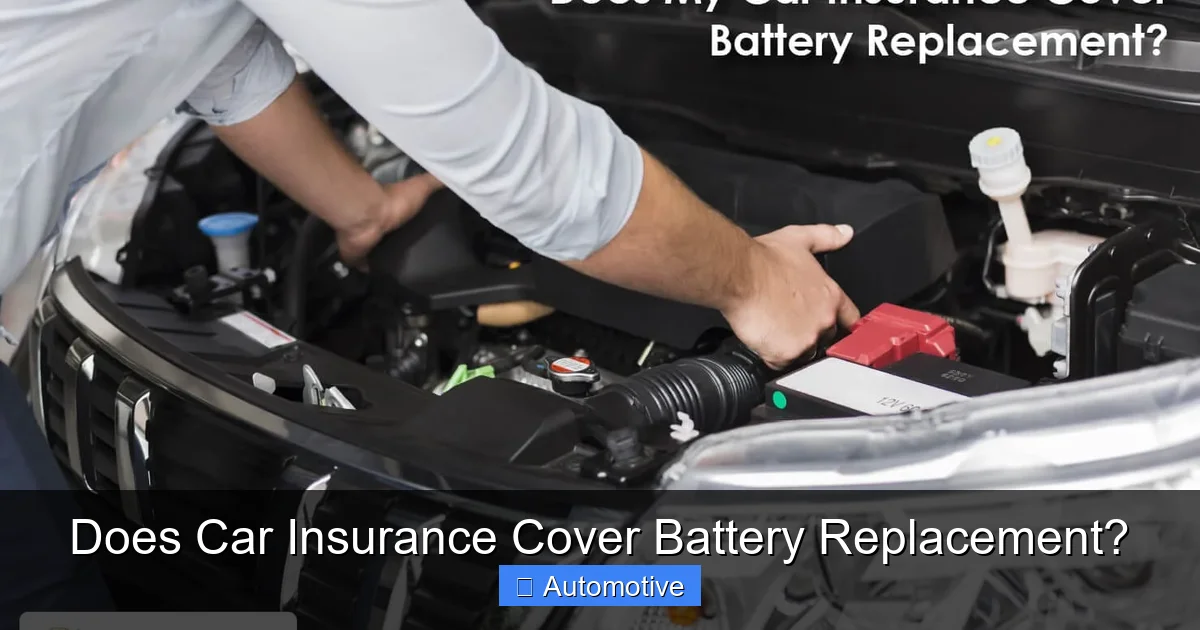
Visual guide about Does Car Insurance Cover Battery Replacement?
Image source: onealinsurance.com
Before we dive into whether your battery is covered, it’s important to understand the different types of car insurance and what they actually protect. Most drivers carry a combination of coverages, but not all are created equal—especially when it comes to mechanical parts like your battery.
Liability Insurance: The Bare Minimum
Liability insurance is required in almost every state and covers damage or injuries you cause to other people or their property. For example, if you rear-end another car, liability pays for their repairs and medical bills—not yours. This type of coverage does not pay for any damage to your own vehicle, including a dead or damaged battery. So if your battery fails because it’s old or worn out, liability won’t help you one bit.
Collision Coverage: For Accident-Related Damage
Collision coverage kicks in when your car is damaged in an accident—whether you hit another vehicle, a tree, or a guardrail. If the impact damages your battery (say, from a front-end collision that cracks the case or dislodges connections), your collision coverage may pay for the battery replacement, minus your deductible.
For instance, imagine you skid on ice and bump into a curb. The jolt causes your battery to short out or leak. In this case, your insurer might approve the claim because the damage resulted directly from a collision. However, if the battery simply dies days later with no visible damage, they’ll likely deny the claim, arguing it’s unrelated to the accident.
Comprehensive Coverage: Protection Beyond Collisions
Comprehensive coverage protects your vehicle from non-collision events like theft, vandalism, fire, falling objects, and severe weather. If a thief breaks into your car and damages the battery during the break-in, or if a hailstorm cracks your battery casing, comprehensive coverage could cover the replacement cost.
Another example: A tree branch falls on your parked car during a storm, crushing the hood and damaging the battery. Since this is a weather-related incident, comprehensive would likely apply. But again, if the battery fails due to age or lack of maintenance, it won’t be covered—even under comprehensive.
Uninsured/Underinsured Motorist Coverage
This coverage helps if you’re hit by a driver who doesn’t have insurance or enough coverage to pay for your damages. If that driver damages your battery in the crash, your uninsured motorist property damage (UMPD) coverage might help—depending on your state and policy. However, this is rare and usually only applies in specific accident scenarios.
Mechanical Breakdown Insurance and Extended Warranties
Standard auto insurance isn’t designed to cover mechanical failures. That’s where Mechanical Breakdown Insurance (MBI) or extended car warranties come in. These are optional add-ons or separate products that cover repairs due to mechanical issues, including battery failure—even if it’s just from old age.
Some automakers offer MBI as part of their certified pre-owned programs, while third-party providers sell extended warranties that include battery coverage. If you have one of these plans, you might get a free or discounted battery replacement when yours dies. Just be sure to read the fine print—many exclude batteries after a certain age or mileage.
When Does Car Insurance Cover Battery Replacement?
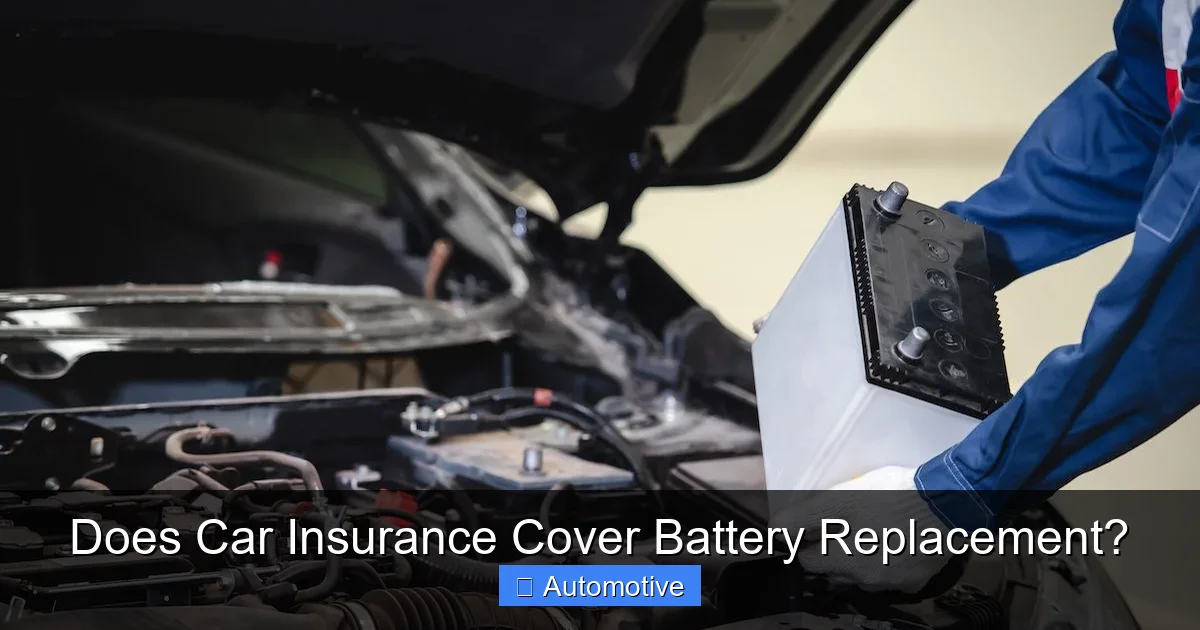
Visual guide about Does Car Insurance Cover Battery Replacement?
Image source: einsurance.com
Now that you know the types of coverage, let’s get specific: When will your insurer actually pay for a new battery?
After a Covered Accident or Incident
The most common scenario where insurance covers battery replacement is when the damage is directly tied to a covered event. For example:
– You’re in a minor fender bender, and the impact cracks your battery casing, causing a leak.
– A thief breaks your window and tampers with the electrical system, frying the battery.
– A lightning strike causes a power surge that damages your car’s electronics, including the battery.
In these cases, your collision or comprehensive coverage may approve the claim. The key is proving the battery damage was a direct result of the incident—not pre-existing wear.
When the Battery Is Stolen
Battery theft is on the rise, especially in older vehicles with easily accessible batteries. If your battery is stolen and you have comprehensive coverage, your insurer will likely replace it, minus your deductible. You’ll need to file a police report and provide evidence (like photos or witness statements) to support your claim.
Some insurers even offer anti-theft discounts or recommend battery lock kits to deter thieves. If you live in an area with high battery theft rates, it’s worth asking your agent about additional protections.
During a Covered Weather Event
Severe weather can wreak havoc on your vehicle. Flooding, for instance, can submerge your battery and cause irreversible damage. If your car is caught in a flood and the battery is ruined, comprehensive coverage should cover the replacement—provided you didn’t drive into standing water (which some policies consider negligence).
Similarly, extreme heat can cause batteries to swell or leak, while freezing temperatures can reduce their capacity. If a weather event directly damages the battery (e.g., a hailstorm dents the case and causes internal failure), you may have a valid claim.
As Part of a Larger Repair Claim
Sometimes, a battery replacement is included in a larger repair job. For example, if your car is damaged in an accident and the mechanic discovers the battery was also compromised, they may bundle the cost into your collision claim. Insurers often allow this if the damage is documented and related to the incident.
However, if the mechanic says the battery was already weak and just “gave out” during repairs, the insurer may deny that portion of the claim. Always ask for a detailed invoice that separates battery costs from other repairs.
When Car Insurance Won’t Cover Battery Replacement
Visual guide about Does Car Insurance Cover Battery Replacement?
Image source: experian.com
Unfortunately, most battery replacements fall into the “not covered” category. Here’s why:
Normal Wear and Tear
Car batteries typically last between 3 and 5 years, depending on climate, driving habits, and maintenance. Over time, the internal components degrade, and the battery loses its ability to hold a charge. This is considered normal wear and tear—and insurance does not cover routine maintenance.
Think of it like replacing brake pads or changing your oil. These are expected expenses of car ownership, not sudden losses covered by insurance. If your battery dies because it’s old, you’re on the hook for the replacement cost, which usually ranges from $100 to $300, depending on the vehicle and battery type.
Lack of Maintenance
If your battery fails because you neglected basic upkeep—like leaving lights on, not driving regularly, or ignoring corrosion on the terminals—your insurer will likely deny the claim. They view this as preventable damage, not an unexpected event.
For example, if you leave your headlights on overnight and the battery drains completely, that’s your responsibility. Even if the battery is relatively new, the insurer won’t pay because the failure was due to user error.
Manufacturer Defects (Without Warranty)
Sometimes, a battery fails prematurely due to a manufacturing defect. If your battery is still under warranty (usually 2–3 years), the manufacturer will replace it for free. But once the warranty expires, you’re out of luck—even if the defect caused the failure.
Insurance doesn’t cover defects because they’re not sudden or accidental. They’re considered product issues, not insurable events.
Electrical System Modifications
If you’ve installed aftermarket electronics—like a high-powered sound system, LED light bars, or a winch—and they overload the electrical system, causing the battery to fail, your insurer may deny the claim. Modifications can void coverage if they increase the risk of damage.
Always inform your insurer about major modifications. Some may require additional coverage or endorsements to stay protected.
How to Get Help with Battery Replacement Costs
Even if your insurance doesn’t cover the battery, there are still ways to reduce the financial burden.
Roadside Assistance Programs
Many auto insurers offer roadside assistance as an add-on or included benefit. These plans often provide free jump-starts, battery delivery, and even on-the-spot replacement in some cases.
For example, AAA and similar services will come to your location, test your battery, and install a new one—sometimes at no extra cost if you’re a member. Some insurers partner with these services, so check your policy or call your agent to see what’s included.
Manufacturer and Retailer Warranties
When you buy a new battery, it usually comes with a warranty that covers defects and premature failure. Some retailers, like AutoZone or O’Reilly, offer free testing and replacement within the warranty period—even if you didn’t buy the battery from them.
Always keep your receipt and register the warranty online if required. This can save you hundreds if the battery fails early.
Extended Warranties and MBI Plans
If you’re worried about future battery costs, consider adding Mechanical Breakdown Insurance or an extended warranty to your policy. These plans cover a range of repairs, including batteries, alternators, and starters—often with no deductible.
While they cost extra (typically $500–$1,500 over the life of the policy), they can pay for themselves if you face major repairs. Just make sure the battery is listed as a covered component.
Preventive Maintenance Tips
The best way to avoid unexpected battery replacement costs is to maintain your vehicle properly:
– Test your battery annually, especially before winter.
– Clean corrosion from terminals with a baking soda and water solution.
– Avoid short trips that don’t allow the battery to fully recharge.
– Turn off lights, radios, and accessories when the engine is off.
– Consider a battery maintainer if you don’t drive often.
Regular maintenance can extend your battery’s life and reduce the chance of sudden failure.
Filing a Claim for Battery Replacement: What to Do
If you believe your battery damage is covered, here’s how to file a claim:
Document the Incident
Take photos of the damage, the scene, and any related issues (like a broken window or collision marks). If it’s weather-related, note the date and type of storm. For theft, file a police report immediately.
Contact Your Insurance Company
Call your insurer as soon as possible. Explain what happened and provide details. They’ll tell you whether the claim is likely to be approved and what documentation they need.
Get a Professional Inspection
Most insurers require a mechanic or claims adjuster to inspect the vehicle. They’ll determine if the battery damage is related to the incident or due to wear and tear.
Submit Your Claim
Fill out the claim form, attach photos, receipts, and any reports. Be honest and thorough—omitting details can lead to denial.
Pay Your Deductible
If the claim is approved, you’ll pay your deductible (usually $250–$1,000), and the insurer will cover the rest. Keep all receipts for reimbursement.
Conclusion
So, does car insurance cover battery replacement? The answer is: It depends. Standard policies won’t pay for a battery that dies of old age or neglect. But if the damage results from a covered event—like an accident, theft, or storm—your comprehensive or collision coverage may step in.
The key is understanding your policy, maintaining your vehicle, and knowing when to file a claim. And if you’re worried about future costs, consider adding roadside assistance or Mechanical Breakdown Insurance for extra peace of mind.
Remember, your car battery is a vital part of your vehicle’s health. Treat it well, stay informed, and you’ll avoid unnecessary expenses—and those dreaded “no start” mornings.
Frequently Asked Questions
Will my car insurance pay for a dead battery?
No, standard car insurance does not cover a dead battery due to age or wear. It only pays if the battery was damaged in a covered event like an accident or theft.
Does comprehensive coverage include battery replacement?
Yes, if the battery was damaged by a covered event such as vandalism, fire, theft, or severe weather. Normal failure is not covered.
Can I claim a new battery after a car accident?
Possibly. If the accident directly damaged the battery, your collision coverage may pay for replacement, minus your deductible.
What if my battery was stolen?
If you have comprehensive coverage and file a police report, your insurer will likely replace the stolen battery, subject to your deductible.
Does roadside assistance cover battery replacement?
Many roadside assistance plans offer jump-starts and battery delivery. Some even provide free replacement under certain conditions—check your plan details.
Should I buy Mechanical Breakdown Insurance for battery coverage?
If you want coverage for mechanical failures like battery issues, MBI or an extended warranty can help. Compare costs and coverage before purchasing.
