
Does Car Insurance Cover Scratches and Dents?

Car insurance may cover scratches and dents, but it depends on your policy type and the cause of the damage. Comprehensive and collision coverage typically pay for repairs, while liability-only plans won’t. Always weigh repair costs against your deductible before filing a claim.
[FEATURED_IMAGE_PLACEOLDER]
Key Takeaways
- Comprehensive coverage pays for scratches and dents caused by non-collision events like vandalism, weather, or hitting an animal.
- Collision coverage covers damage from accidents with other vehicles or objects, including dents and paint scratches.
- Liability insurance does not cover your own vehicle’s scratches or dents—only damage you cause to others.
- Small repairs under your deductible may not be worth filing a claim, as it could raise your premiums.
- Acts of vandalism or hit-and-runs are often covered under comprehensive insurance, even if the culprit isn’t found.
- Document the damage with photos and a police report when possible to strengthen your claim.
- Regular maintenance and protective measures like paint protection film can reduce the need for insurance claims.
📑 Table of Contents
Does Car Insurance Cover Scratches and Dents?
We’ve all been there—walking out to your car after a long day only to find a fresh scratch along the driver’s side door or a mysterious dent on the rear bumper. Your first thought? “Will my car insurance cover this?” It’s a common concern, especially when the repair costs start adding up. The good news is that in many cases, yes—your car insurance can help pay for scratches and dents. But the real answer depends on several factors, including the type of coverage you have, how the damage occurred, and whether filing a claim makes financial sense.
Car insurance isn’t one-size-fits-all. Most drivers carry liability insurance, which is required by law in nearly every state. But liability only covers damage you cause to other people’s vehicles or property—not your own. So if you’re hoping your policy will pay for that new door ding, you might be out of luck unless you’ve added extra protection. That’s where comprehensive and collision coverage come into play. These optional add-ons are designed to protect your vehicle from a wide range of risks, including minor cosmetic damage like scratches and dents.
In this guide, we’ll break down exactly when car insurance covers scratches and dents, what types of damage are included, and how to decide whether filing a claim is worth it. Whether you’re dealing with a parking lot mishap, a hailstorm, or a run-in with a shopping cart, understanding your policy can save you time, money, and stress.
Understanding Your Car Insurance Policy
Visual guide about Does Car Insurance Cover Scratches and Dents?
Image source: tinygrab.com
Before you can determine whether your insurance will cover scratches and dents, it’s important to understand the different types of coverage available. Most auto insurance policies are made up of several components, each designed to protect you in specific situations. Let’s look at the most common types and how they relate to minor vehicle damage.
Liability Coverage: What It Covers (and What It Doesn’t)
Liability insurance is the foundation of most auto policies and is legally required in almost every state. It comes in two parts: bodily injury liability and property damage liability. This coverage pays for injuries you cause to others and damage you do to someone else’s property—like their car, fence, or mailbox. However, it does not cover any damage to your own vehicle. So if you back into a pole and dent your bumper, liability insurance won’t help you fix it. It only steps in when you’re at fault in an accident involving another party.
For example, imagine you’re pulling out of a parking spot and accidentally scrape the side of another car. Your liability coverage would pay for the other driver’s repairs, but you’d be on the hook for your own damage unless you have additional coverage. This is why many drivers choose to add collision and comprehensive protection—to ensure their own car is protected, too.
Collision Coverage: Protection from Accidents
Collision coverage is designed to pay for damage to your vehicle resulting from a collision with another car or object, regardless of who is at fault. This includes accidents like hitting a guardrail, crashing into a parked car, or skidding off the road and hitting a tree. Importantly, collision coverage also applies to dents and scratches that occur during these incidents.
Let’s say you’re driving in the rain, lose control, and sideswipe a concrete barrier. Your door is dented, and the paint is scraped. With collision coverage, your insurer would pay to repair the damage, minus your deductible. The same would apply if you accidentally hit another vehicle in a parking lot—your collision coverage would handle the repairs to your car.
One thing to keep in mind: collision coverage only applies to accidents. It won’t cover damage from non-collision events like theft, vandalism, or natural disasters. For those, you’ll need comprehensive coverage.
Comprehensive Coverage: Beyond Collisions
Comprehensive coverage protects your vehicle from a wide range of non-collision risks. This includes events like theft, vandalism, fire, falling objects, animal strikes, and severe weather such as hail or flooding. If a hailstorm leaves your car covered in dents, or someone keyes your door while it’s parked, comprehensive insurance can help cover the repair costs.
For instance, imagine you park your car overnight in a public lot and wake up to find deep scratches along the passenger side. If you have comprehensive coverage, you can file a claim to have the damage repaired—even if the person responsible is never found. The same applies if a tree branch falls on your roof during a storm, causing dents and paint damage.
Comprehensive coverage is especially valuable in areas prone to extreme weather or high crime rates. While it’s an optional add-on, it’s often worth the extra cost for the peace of mind it provides.
Uninsured/Underinsured Motorist Coverage
This type of coverage protects you if you’re involved in an accident with a driver who doesn’t have insurance or doesn’t have enough to cover the damage. In some cases, it can also apply to hit-and-run incidents. If another driver damages your car and flees the scene, uninsured motorist property damage coverage (available in some states) may help pay for repairs.
However, this coverage varies by state and isn’t available everywhere. It’s also typically limited to accidents, so it won’t cover random vandalism or weather-related dents unless they result from a collision with an uninsured driver.
Gap Insurance and Other Add-Ons
While not directly related to scratches and dents, gap insurance and other optional coverages can provide additional financial protection. Gap insurance covers the difference between what you owe on your car loan and the vehicle’s actual cash value if it’s totaled. Other add-ons like rental reimbursement or roadside assistance can help you manage the inconvenience of repairs.
Understanding your full policy—including deductibles, limits, and exclusions—is key to knowing what’s covered. Always review your declarations page and ask your agent if you’re unsure about any terms.
When Does Insurance Cover Scratches and Dents?
Visual guide about Does Car Insurance Cover Scratches and Dents?
Image source: einsurance.com
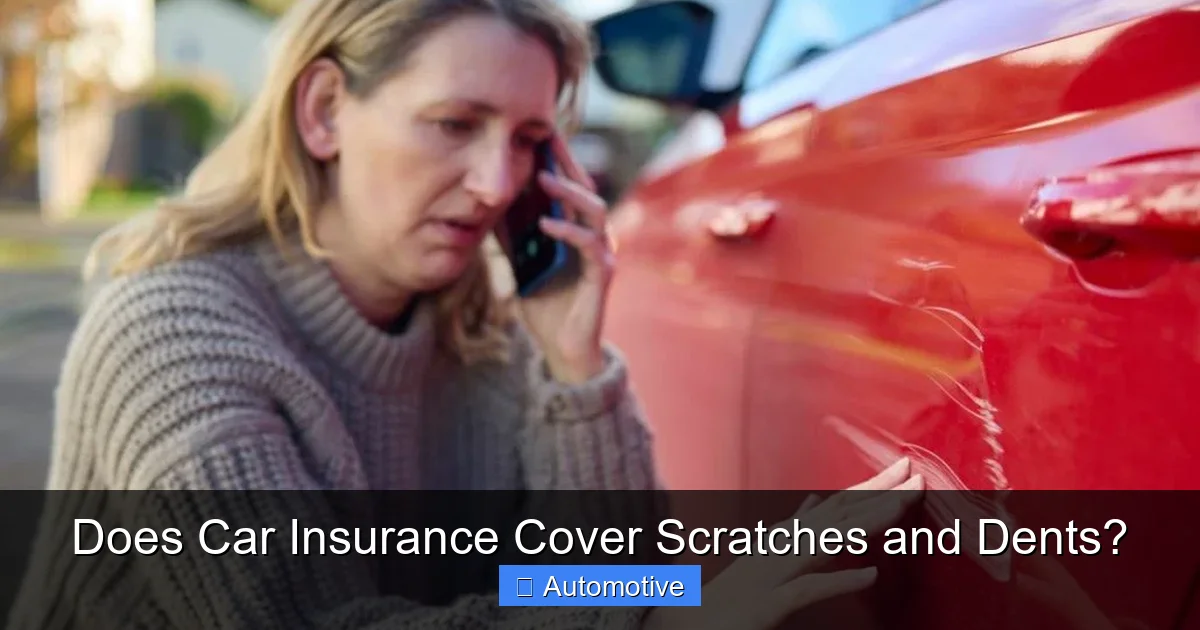
Now that you know the basics of car insurance coverage, let’s dive into the specifics: when will your policy actually pay for scratches and dents? The answer depends on how the damage occurred and what type of coverage you have.
Damage from Collisions
If your car is scratched or dented in an accident—whether it’s a fender bender, a sideswipe, or a parking lot mishap—collision coverage will typically cover the repairs. This applies even if you’re at fault. For example, if you accidentally back into a pole and dent your bumper, your collision insurance should pay for the fix, minus your deductible.
Keep in mind that the damage must be directly related to the collision. If you have a pre-existing scratch and it gets worse in an accident, your insurer may only cover the additional damage. Always document the condition of your car before and after an incident to avoid disputes.
Vandalism and Malicious Damage
Acts of vandalism—such as keying, spray painting, or intentional dents—are generally covered under comprehensive insurance. This is true even if the perpetrator is never caught. For instance, if someone deliberately scratches your car while it’s parked on the street, you can file a claim with your comprehensive coverage to have the damage repaired.
To strengthen your claim, it’s a good idea to file a police report, especially if the damage is extensive. This creates an official record and can help your insurer process the claim faster.
Weather-Related Damage
Severe weather can wreak havoc on your vehicle. Hailstorms, in particular, are notorious for leaving dents and scratches on car roofs, hoods, and trunks. If your car is damaged by hail, falling trees, or flooding, comprehensive coverage will usually pay for repairs.
For example, imagine a summer storm rolls through your area and drops large hailstones. Your car is parked outside and ends up with dozens of dents. With comprehensive insurance, you can have it repaired without paying out of pocket—beyond your deductible, of course.
Animal Strikes
Hitting an animal—like a deer or raccoon—can cause significant damage, including dents, scratches, and broken lights. This type of damage is covered under comprehensive insurance. Even if the animal runs away, you’re still protected.
Say you’re driving at night and a deer jumps into the road. You swerve to avoid it but clip a fence, scratching the side of your car. The damage from both the animal strike and the fence collision would likely be covered under comprehensive and collision, respectively.
Hit-and-Run Incidents
If another driver damages your car and flees the scene, you may still be able to file a claim—especially if you have uninsured motorist property damage coverage or comprehensive insurance. In many cases, comprehensive will cover hit-and-run damage, treating it similarly to vandalism.
For example, you return to your parked car to find a fresh dent and paint transfer on the rear bumper. There’s no note, and no witnesses. With comprehensive coverage, you can still get it fixed, though you may need to pay your deductible.
Parking Lot Mishaps
Parking lots are hotspots for minor damage. Shopping cart impacts, door dings from neighboring cars, and low-speed collisions are all common. If you have collision coverage, these incidents are typically covered—even if you don’t know who caused the damage.
However, if the damage is very minor—like a small scratch that only needs touch-up paint—it might not be worth filing a claim. We’ll discuss this in more detail later.
When Insurance Might Not Cover Scratches and Dents
Visual guide about Does Car Insurance Cover Scratches and Dents?
Image source: indestata.com
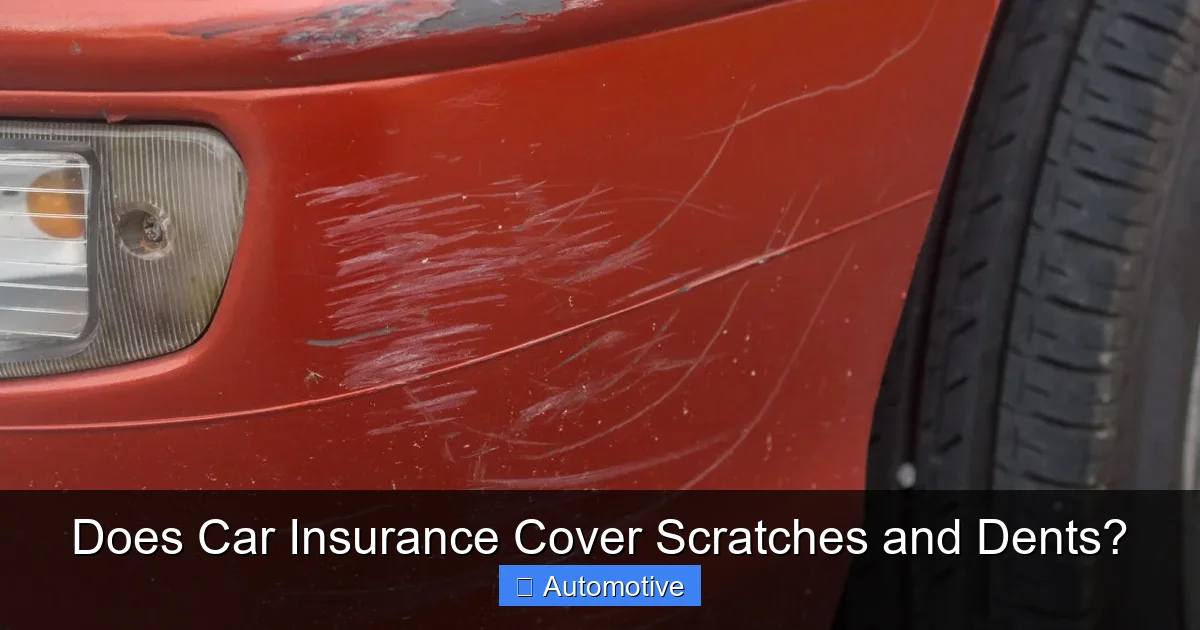
While car insurance can be a lifesaver for repairing scratches and dents, there are situations where your claim might be denied or not make financial sense.
Wear and Tear
Insurance is designed to cover sudden, unexpected damage—not gradual wear and tear. If your car has old scratches, rust, or paint fading due to age, your insurer won’t pay to fix them. These are considered maintenance issues, not covered events.
For example, if your car’s paint has chipped over time due to sun exposure and road debris, that’s not something insurance will cover. You’d need to pay for touch-ups or a repaint out of pocket.
Pre-Existing Damage
If your car already had scratches or dents before an incident, your insurer may not cover the full repair cost. They’ll typically only pay for damage that occurred during the covered event. This is why it’s important to document your car’s condition regularly.
Damage Below Your Deductible
Every insurance policy has a deductible—the amount you pay out of pocket before your coverage kicks in. If the cost to repair a scratch or dent is less than your deductible, filing a claim won’t help. For example, if your deductible is $500 and the repair costs $300, you’d pay the full amount yourself.
In these cases, it’s often better to pay for the repair privately to avoid a potential premium increase.
Intentional Damage
If you or someone in your household intentionally damages the vehicle, your claim will likely be denied. Insurance doesn’t cover deliberate acts, even if they’re meant as a joke or prank.
Lack of Coverage
If you only have liability insurance, you won’t be covered for any damage to your own car—no matter how it happened. Upgrading to include collision and comprehensive coverage is the only way to protect yourself from out-of-pocket repair costs.
Should You File a Claim for Minor Damage?
Deciding whether to file a claim for scratches and dents isn’t always straightforward. While insurance can help cover the cost, there are downsides to consider.
Impact on Premiums
Filing a claim—especially for at-fault accidents—can lead to higher insurance premiums. Even if you’re not at fault, some insurers may still raise your rates. Before filing, ask your agent how a claim might affect your rates.
Deductible Considerations
As mentioned earlier, if the repair cost is close to or less than your deductible, filing a claim may not be worth it. For example, if your deductible is $1,000 and the repair costs $800, you’d pay $800 either way—but filing a claim could increase your future premiums.
Claim History and No-Claim Bonuses
Some insurers offer discounts for drivers who go claim-free for a certain period. Filing a claim could cause you to lose these savings. If you’re close to earning a no-claim bonus, it might be better to pay for minor repairs yourself.
Alternative Repair Options
For small dents and scratches, consider DIY repair kits or mobile dent removal services. These can be much cheaper than going through insurance and may restore your car’s appearance without affecting your policy.
Tips to Prevent Scratches and Dents
While insurance can help when damage occurs, prevention is always better than repair. Here are some practical tips to keep your car looking its best.
Park Smart
Choose parking spots carefully. Avoid tight spaces between large vehicles, and steer clear of high-traffic areas where shopping carts or other cars are likely to bump into yours. If possible, park in a garage or covered area.
Use Protective Accessories
Consider installing paint protection film (PPF), also known as clear bra, on high-risk areas like the hood, fenders, and bumpers. This transparent layer helps shield your paint from scratches and chips.
Regular Maintenance
Wash and wax your car regularly to maintain the paint and make it easier to spot new damage. Regular inspections can help you catch small issues before they become bigger problems.
Be Mindful of Surroundings
When opening doors, check for nearby obstacles. Use door edge guards to prevent dings from adjacent cars. And always be cautious when driving in tight spaces or bad weather.
Conclusion
So, does car insurance cover scratches and dents? The short answer is: it depends. If you have comprehensive or collision coverage, your policy will likely pay for repairs caused by accidents, vandalism, weather, or animal strikes. However, liability-only plans won’t cover any damage to your own vehicle.
Before filing a claim, consider the cost of repairs, your deductible, and the potential impact on your premiums. For minor damage, it’s often smarter to pay out of pocket. But for significant dents or scratches—especially those caused by unforeseen events—insurance can provide valuable financial protection.
The best way to ensure you’re covered is to review your policy regularly and talk to your agent about your needs. With the right coverage and a few preventive habits, you can keep your car looking great and avoid unnecessary stress.
Frequently Asked Questions
Does liability insurance cover scratches on my car?
No, liability insurance only covers damage you cause to other people’s vehicles or property. It does not pay for any repairs to your own car, including scratches or dents.
Will my insurance cover a dent from a shopping cart?
Yes, if you have comprehensive or collision coverage. Since the damage is accidental and not due to wear and tear, your insurer should cover the repair costs, minus your deductible.
Can I claim insurance for a small scratch?
You can file a claim, but it may not be worth it if the repair cost is less than your deductible. Filing small claims can also increase your premiums over time.
What if someone keys my car and leaves no note?
Yes, comprehensive insurance typically covers vandalism, including keying. File a police report and document the damage with photos to support your claim.
Does insurance cover hail damage dents?
Yes, hail damage is covered under comprehensive insurance. This includes dents, broken glass, and paint damage caused by severe weather.
Will my rates go up if I claim for a dent?
It depends on your insurer and whether you were at fault. Claims for at-fault accidents are more likely to increase your premiums than no-fault or comprehensive claims.
