
Can a Bad Timing Belt Cause a Car to Overheat?

A bad timing belt doesn’t directly cause overheating, but its failure can lead to severe engine damage that results in overheating. When the timing belt breaks or slips, internal engine components lose synchronization, potentially causing valves to collide with pistons—damaging the cooling system or blocking coolant flow. Understanding this chain of events helps prevent costly repairs and keeps your engine running safely.
Key Takeaways
- Timing belts don’t directly overheat engines: They don’t generate heat or regulate temperature, so a worn belt won’t cause overheating on its own.
- Failure can indirectly lead to overheating: A broken timing belt can damage engine parts like water pumps or cylinder heads, disrupting coolant flow and causing overheating.
- Water pump failure is a common link: Many water pumps are driven by the timing belt—when the belt fails, the pump stops circulating coolant, leading to rapid temperature spikes.
- Interference engines are at higher risk: In these engines, a broken timing belt often causes piston-valve collisions, which can crack engine blocks or damage cooling passages.
- Regular maintenance prevents disaster: Replacing the timing belt at manufacturer-recommended intervals (usually 60,000–100,000 miles) avoids sudden failure and related overheating risks.
- Watch for warning signs: Rattling noises, engine misfires, oil leaks near the timing cover, or dashboard warning lights may indicate timing belt issues before failure occurs.
- Overheating after belt replacement needs diagnosis: If your car overheats post-replacement, it could signal improper installation, air pockets in the cooling system, or pre-existing damage.
📑 Table of Contents
- Can a Bad Timing Belt Cause a Car to Overheat?
- What Is a Timing Belt and Why Does It Matter?
- How a Failed Timing Belt Can Lead to Overheating
- Signs Your Timing Belt Might Be Failing
- Preventing Timing Belt Failure and Overheating
- What to Do If Your Timing Belt Fails
- Real-World Example: The $3,000 Lesson
- Conclusion: Stay Ahead of the Problem
Can a Bad Timing Belt Cause a Car to Overheat?
You’re driving down the highway, enjoying the breeze through your open window, when suddenly the temperature gauge on your dashboard starts climbing into the red zone. Your heart skips a beat—your car is overheating. You pull over, pop the hood, and wonder: Could this have something to do with that timing belt you’ve been meaning to replace?
It’s a common question, and the answer isn’t as straightforward as you might think. While a bad timing belt doesn’t directly cause your engine to overheat, it can set off a chain reaction of mechanical failures that *do* lead to dangerous temperature spikes. Understanding how these systems interact is key to protecting your vehicle from costly damage—and potentially dangerous roadside breakdowns.
In this article, we’ll break down the relationship between timing belts and engine overheating, explain why timing belt failure is so serious, and give you practical tips to keep your car running cool and smooth. Whether you’re a weekend mechanic or just trying to stay informed, this guide will help you make smarter decisions about your vehicle’s maintenance.
What Is a Timing Belt and Why Does It Matter?
Visual guide about Can a Bad Timing Belt Cause a Car to Overheat?
Image source: know-your-car.com
Before we dive into overheating, let’s get clear on what a timing belt actually does. Think of the timing belt as the conductor of an orchestra—it ensures that all the moving parts inside your engine play in perfect harmony.
In most gasoline-powered cars, the timing belt connects the crankshaft (which turns with the pistons) to the camshaft (which controls the opening and closing of the valves). This synchronization is critical. The pistons move up and down while the valves open and close at precise moments to let air and fuel in and exhaust gases out. If this timing is off—even by a fraction of a second—the engine won’t run efficiently, or worse, it could suffer catastrophic damage.
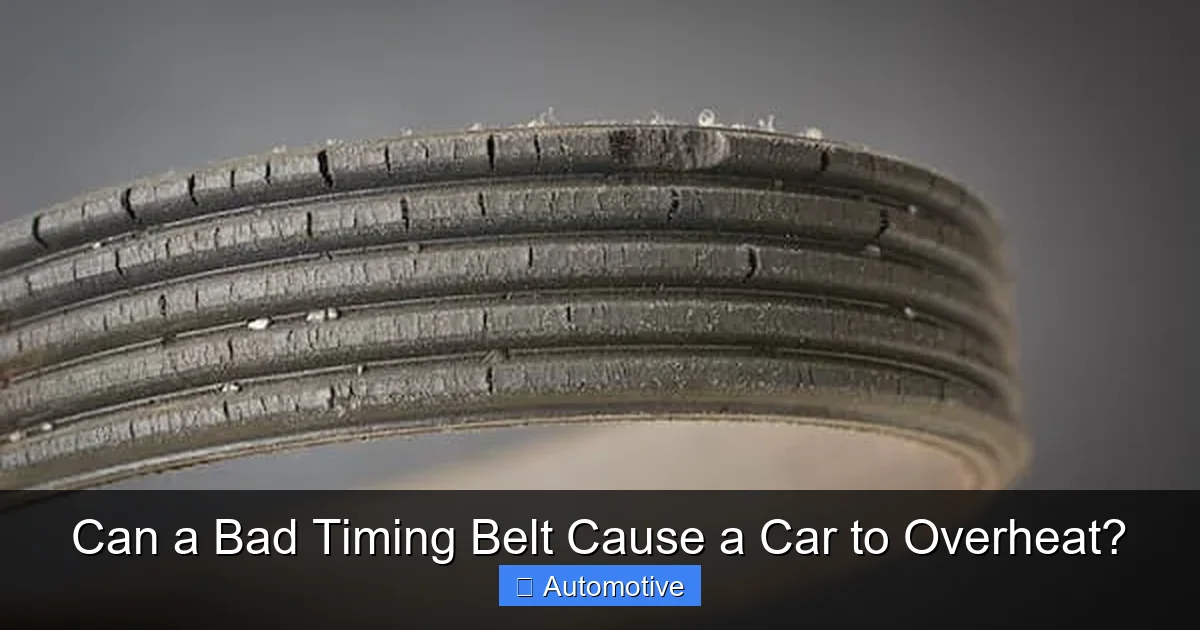
Timing belts are typically made of reinforced rubber with fiberglass cords for strength. Over time, they wear out due to heat, friction, and age. Most manufacturers recommend replacing them every 60,000 to 100,000 miles, though this varies by make and model. Ignoring this maintenance window is like playing Russian roulette with your engine.
Now, here’s the important part: while the timing belt itself doesn’t generate heat or regulate engine temperature, its failure can indirectly cause overheating by disrupting other critical systems—especially the cooling system.
How the Timing Belt Keeps Your Engine in Sync
To appreciate the risk, it helps to understand the precision involved. In a four-stroke engine, each cylinder goes through four phases: intake, compression, power, and exhaust. The timing belt ensures that the camshaft rotates exactly twice for every one rotation of the crankshaft—this 2:1 ratio keeps everything aligned.
If the belt slips even a few teeth, valves may open too early or too late. This can cause poor performance, reduced fuel efficiency, and rough idling. But if the belt breaks completely? That’s when things get dangerous.
Timing Belts vs. Timing Chains: What’s the Difference?
Not all engines use timing belts. Some newer vehicles use timing chains, which are metal and generally last longer—often the life of the engine. However, chains are heavier, noisier, and more expensive to replace. Belts are quieter and lighter but require periodic replacement.
Both serve the same function, but belts are more common in older or economy vehicles. If your car has a timing belt, it’s essential to follow the replacement schedule. Skipping it doesn’t just risk engine failure—it can also lead to secondary problems like overheating.
How a Failed Timing Belt Can Lead to Overheating
Visual guide about Can a Bad Timing Belt Cause a Car to Overheat?
Image source: siliconehose.com
Now, let’s connect the dots: how does a broken timing belt result in an overheating engine?
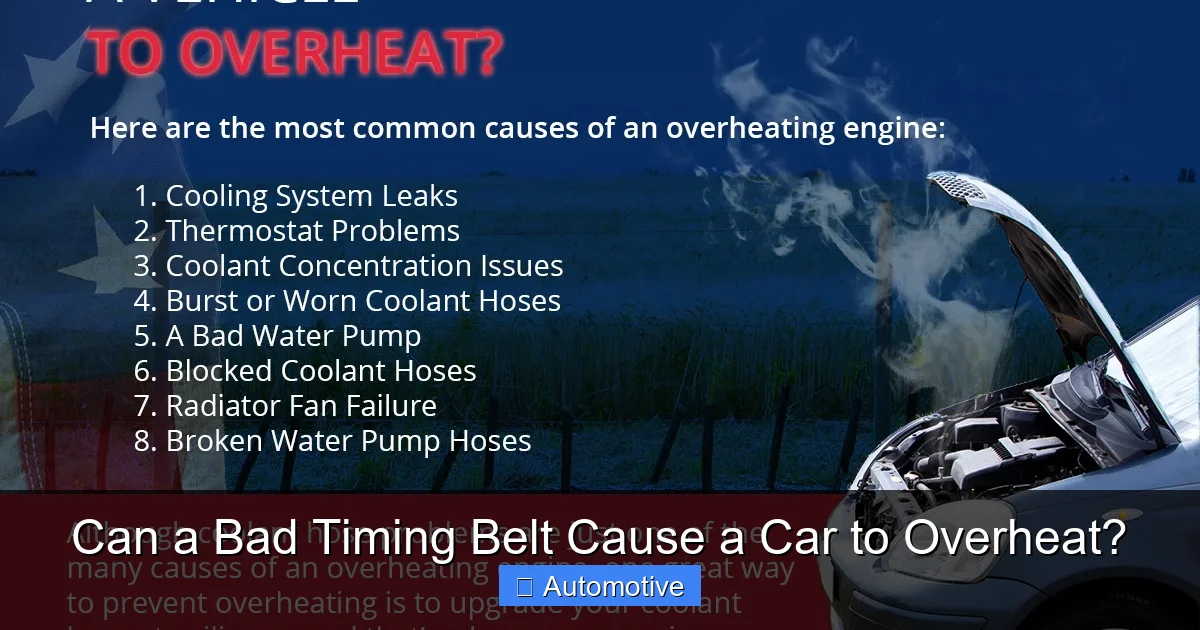
The short answer: it doesn’t directly cause overheating, but it can disable or damage components that *prevent* overheating. Here are the main pathways through which timing belt failure leads to temperature spikes.
Water Pump Failure: The Hidden Culprit
One of the most common links between timing belt failure and overheating is the water pump. In many engines, the water pump is driven by the timing belt. That means when the belt breaks or slips, the pump stops spinning.
The water pump is responsible for circulating coolant through the engine block, radiator, and heater core. Without it, coolant sits stagnant. Heat builds up rapidly in the engine, and within minutes, temperatures can soar past safe levels.
Imagine your engine as a pot of boiling water. The water pump is like the stove’s circulation system—it keeps the heat moving so no single spot gets too hot. If the pump stops, the water (coolant) doesn’t move, and the pot boils over. That’s exactly what happens in your engine.
Even if the belt doesn’t break but becomes loose or misaligned, it may not turn the water pump efficiently. This reduced flow can still cause gradual overheating, especially under load or in hot weather.
Engine Damage from Valve-Piston Collision
In interference engines—which make up the majority of modern cars—the pistons and valves occupy the same space at different times. The timing belt ensures they never meet. But if the belt breaks, the camshaft stops turning while the crankshaft (and pistons) may continue moving for a split second due to momentum.
This mismatch can cause pistons to slam into open valves. The result? Bent valves, damaged pistons, cracked cylinder heads, or even holes in the engine block.
Now, here’s how this leads to overheating: damaged cylinder heads or warped engine blocks can compromise the engine’s sealing ability. Coolant passages may crack or leak, reducing the amount of coolant available to absorb heat. In severe cases, combustion gases can leak into the cooling system, creating air pockets that block coolant flow and cause hot spots.
Additionally, internal damage can increase friction and heat generation within the engine. Even if the cooling system is intact, the engine may simply produce more heat than it can dissipate—leading to overheating.
Coolant Leaks from Damaged Components
When a timing belt fails violently, it can damage surrounding components. The timing cover, seals, or even the water pump housing may crack or dislodge. These parts often house coolant passages or seals that keep coolant contained.
A cracked timing cover or blown gasket can allow coolant to leak out. Even a small leak reduces the total volume of coolant in the system. As coolant levels drop, the engine loses its ability to regulate temperature. Over time, this leads to overheating—especially during extended drives or in traffic.
Moreover, if coolant leaks onto hot engine parts, it can vaporize instantly, creating steam and further reducing cooling efficiency. You might notice a sweet smell or white smoke under the hood—classic signs of a coolant leak.
Signs Your Timing Belt Might Be Failing
Visual guide about Can a Bad Timing Belt Cause a Car to Overheat?
Image source: carcaremanual.com
Catching a failing timing belt early can save you from overheating and major engine damage. Here are the most common warning signs to watch for:
Unusual Noises from the Engine
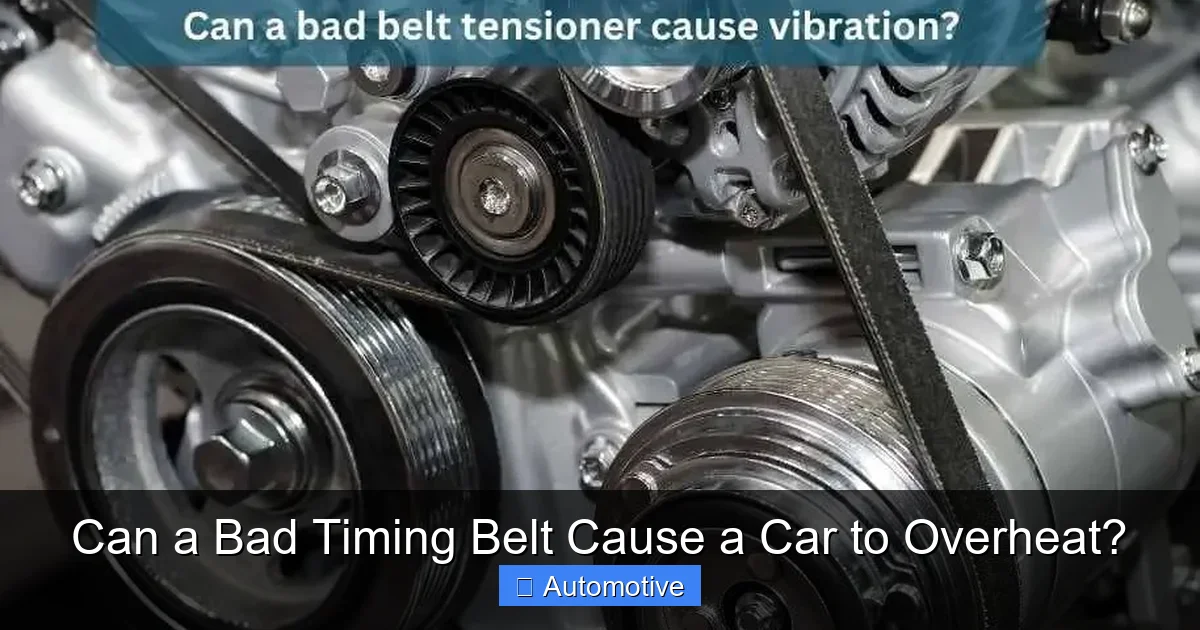
A worn timing belt may produce a high-pitched squealing or whining noise, especially when starting the engine or accelerating. This sound often comes from the belt slipping on the pulleys or from a failing tensioner.
You might also hear a rattling noise from the timing cover area. This could indicate that the belt is loose or that the tensioner (which keeps the belt tight) is worn out. Don’t ignore these sounds—they’re your engine’s way of saying, “Hey, something’s wrong!”
Engine Misfires or Rough Idling
If the timing belt slips even slightly, the camshaft and crankshaft fall out of sync. This misalignment can cause the engine to misfire—meaning one or more cylinders aren’t firing properly.
You might notice:
– Rough idling (engine shaking or vibrating at a stop)
– Hesitation or stumbling when accelerating
– Reduced power or sluggish performance
– Check Engine Light coming on
These symptoms often mimic other issues like bad spark plugs or fuel system problems, so it’s important to get a professional diagnosis. But if you’re due for a timing belt replacement, it’s a strong clue.
Oil Leaks Near the Timing Cover
The timing belt is housed behind a cover on the front of the engine. If you notice oil leaking from this area, it could mean the seals are worn or the cover is cracked. Oil contamination can degrade the rubber belt, causing it to crack or fray prematurely.
Oil on the belt reduces its grip on the pulleys, increasing the risk of slipping or breaking. Plus, oil leaks near the timing components can lead to coolant contamination if the systems share seals or gaskets.
Dashboard Warning Lights
Modern cars have sensors that monitor engine performance. If the timing is off due to belt slippage, the engine control unit (ECU) may detect irregularities and trigger the Check Engine Light.
Common trouble codes related to timing issues include:
– P0016 (Crankshaft Position – Camshaft Position Correlation)
– P0017 (Camshaft Position – Crankshaft Position Correlation)
These codes indicate a misalignment between the crankshaft and camshaft—often caused by a stretched or slipping timing belt.
Visible Wear During Inspection
If you’re comfortable popping the hood, you can sometimes inspect the timing belt—though this usually requires removing the timing cover, which is a job for experienced mechanics.
Signs of a bad belt include:
– Cracks or fraying on the rubber surface
– Glazing or shiny spots (indicating slipping)
– Missing teeth or chunks
– Excessive looseness when pressed
Even if the belt looks okay, age and mileage matter. Rubber degrades over time, even if it appears intact. If your car is near the recommended replacement interval, don’t wait for symptoms—replace the belt proactively.
Preventing Timing Belt Failure and Overheating
The best way to avoid overheating caused by timing belt failure is prevention. Here’s how to stay ahead of the problem.
Follow the Manufacturer’s Maintenance Schedule
Check your owner’s manual for the recommended timing belt replacement interval. It’s usually listed under “major service” or “engine maintenance.” Common ranges are:
– 60,000 to 90,000 miles for older vehicles
– 90,000 to 100,000+ miles for newer models
Some manufacturers also specify a time limit (e.g., every 7–10 years), even if mileage is low. Rubber deteriorates with age, so don’t rely solely on odometer readings.
Replace the Entire Timing Kit
When replacing the timing belt, it’s wise to replace the entire timing kit, which typically includes:
– The timing belt
– Tensioners and idler pulleys
– Water pump (if belt-driven)
– Seals and gaskets
These components wear together. Replacing only the belt while leaving old tensioners or a worn water pump is like putting new tires on a car with bad suspension—it won’t solve the underlying issue.
A new water pump is especially important. Since it’s already exposed during the job, replacing it saves labor costs later and ensures your cooling system stays functional.
Use Quality Parts
Don’t skimp on parts. Cheap timing belts may look similar but often use inferior materials that degrade faster. Stick with OEM (original equipment manufacturer) parts or reputable aftermarket brands like Gates, ACDelco, or Continental.
Investing in quality now can prevent a $5,000 engine rebuild down the road.
Monitor Coolant Levels and Condition
Even with a new timing belt, keep an eye on your coolant. Check the reservoir regularly and top it off if low. Use the correct type of coolant for your vehicle (check the manual) and change it every 30,000 to 50,000 miles.
Dirty or contaminated coolant loses its ability to transfer heat. Flush the system periodically to remove rust, scale, and debris that can clog passages and reduce efficiency.
Watch for Overheating Symptoms
Stay alert to signs of overheating, such as:
– Temperature gauge in the red
– Steam or smoke from under the hood
– Sweet-smelling vapor (coolant leak)
– Loss of power or engine stalling
If your car overheats, pull over immediately and turn off the engine. Continuing to drive can cause warped cylinder heads or a blown head gasket—repairs that cost thousands.
What to Do If Your Timing Belt Fails
If your timing belt breaks while driving, here’s what to do:
Pull Over Safely
As soon as you notice the engine sputtering, losing power, or making strange noises, find a safe place to stop. Do not attempt to drive to a repair shop—this can cause further damage.
Turn Off the Engine
Once stopped, turn off the ignition. This prevents the pistons from continuing to move and potentially causing more internal damage.
Call for Assistance
Contact a tow truck to transport your vehicle to a trusted mechanic. Do not try to restart the engine—doing so could worsen the damage.
Get a Professional Diagnosis
A qualified technician will inspect the engine to determine the extent of the damage. In interference engines, even a brief loss of timing can cause bent valves or piston damage.
Repairs may include:
– Replacing the timing belt and related components
– Repairing or replacing damaged valves, pistons, or cylinder heads
– Flushing and refilling the cooling system
– Replacing the water pump and thermostat
In severe cases, the engine may need to be rebuilt or replaced.
Consider the Cost-Benefit
Depending on the damage, repairs can range from $1,000 to $5,000 or more. For older vehicles, this may exceed the car’s value. In such cases, you may need to weigh the cost of repair against purchasing a new vehicle.
Real-World Example: The $3,000 Lesson
Let’s look at a real scenario. Sarah, a college student, drove a 2008 Honda Civic with 95,000 miles. She knew the timing belt was due for replacement but kept putting it off due to cost.
One summer afternoon, while stuck in traffic, her engine suddenly stalled. She tried to restart it, but it wouldn’t turn over. A tow truck took her to a local shop, where the mechanic discovered the timing belt had snapped. Worse, the engine was an interference design, and two valves had bent when they collided with pistons.
The repair bill? Over $3,200—including a new timing belt, water pump, cylinder head work, and labor. Sarah could have avoided this by spending $600 on a preventive replacement a year earlier.
Her story is not unique. Thousands of drivers face similar surprises every year—all because they delayed a simple maintenance task.
Conclusion: Stay Ahead of the Problem
So, can a bad timing belt cause a car to overheat? Not directly—but its failure can trigger a domino effect that leads to overheating, engine damage, and expensive repairs.
The timing belt is a small component with a big job. It keeps your engine’s internal parts in sync, supports the water pump, and prevents catastrophic collisions. When it fails, the consequences ripple through the entire engine.
The good news? This is entirely preventable. By following your manufacturer’s maintenance schedule, replacing the timing belt and related components on time, and staying alert to warning signs, you can avoid overheating and keep your car running reliably for years.
Don’t wait for the temperature gauge to hit red. Be proactive. Your engine—and your wallet—will thank you.
Frequently Asked Questions
Can a bad timing belt cause immediate overheating?
Not immediately. A bad timing belt doesn’t generate heat, but if it breaks and stops the water pump, overheating can occur within minutes due to lack of coolant circulation.
How do I know if my timing belt is causing overheating?
If your car overheats and you’re near the recommended replacement interval, have a mechanic inspect the timing belt and water pump. A failed belt often stops the pump, cutting off coolant flow.
Is it safe to drive with a worn timing belt?
No. Driving with a worn timing belt risks sudden failure, which can cause engine damage and overheating. Replace it as soon as possible.
Can I replace the timing belt myself?
Only if you have mechanical experience. Timing belt replacement requires precise alignment. A mistake can cause engine damage. Most drivers should hire a professional.
Why does my car overheat after a timing belt replacement?
This could be due to air pockets in the cooling system, a faulty new water pump, or improper installation. Have the cooling system bled and inspected.
Do all cars have timing belts?
No. Some use timing chains, which last longer. Check your owner’s manual to see which your vehicle uses. Chains rarely need replacement but can still fail.
