
Which Suzuki Models Are Hybrids

Suzuki offers several hybrid models designed to deliver excellent fuel economy, lower emissions, and reliable performance. From compact city cars to versatile SUVs, Suzuki’s hybrid lineup combines efficiency with practicality, making them ideal for eco-conscious drivers.
Key Takeaways
- Suzuki’s hybrid models include the Swift Hybrid, Vitara Hybrid, and Across plug-in hybrid SUV. These vehicles use mild-hybrid or full plug-in technology to improve efficiency.
- The Swift Hybrid is one of the most fuel-efficient small cars on the market, ideal for city driving and daily commutes.
- The Vitara Hybrid offers a balance of off-road capability and fuel savings, making it a great choice for adventurous drivers.
- The Across is Suzuki’s first plug-in hybrid SUV, developed in partnership with Toyota, offering up to 50 miles of electric-only range.
- Suzuki hybrids use mild-hybrid systems (MHEV) or plug-in hybrid (PHEV) technology, reducing emissions without sacrificing performance.
- Hybrid Suzuki models come with advanced safety features and modern infotainment systems, ensuring a comfortable and connected drive.
- Regular maintenance and smart driving habits can maximize fuel efficiency and extend the life of your Suzuki hybrid.
📑 Table of Contents
- Introduction: Suzuki’s Move Toward Sustainable Mobility
- Understanding Suzuki’s Hybrid Technology
- The Suzuki Swift Hybrid: Efficiency in a Compact Package
- The Suzuki Vitara Hybrid: Adventure Meets Efficiency
- The Suzuki Across: Suzuki’s First Plug-In Hybrid SUV
- Comparing Suzuki Hybrid Models: Which One Is Right for You?
- Tips for Maximizing Your Suzuki Hybrid’s Efficiency
- Conclusion: Suzuki Hybrids Offer Smart, Sustainable Driving
Introduction: Suzuki’s Move Toward Sustainable Mobility
In recent years, the automotive world has shifted dramatically toward greener, more sustainable transportation. As concerns about climate change, fuel prices, and air quality grow, automakers are responding with innovative technologies—especially hybrid systems. Suzuki, a brand long known for its reliable, compact, and fuel-efficient vehicles, has embraced this shift with a growing lineup of hybrid models. Whether you’re navigating busy city streets or exploring rugged countryside roads, Suzuki now offers hybrid options that deliver both performance and environmental responsibility.
But which Suzuki models are hybrids? The answer isn’t as simple as it might seem. Unlike some manufacturers that offer full hybrid or electric-only lineups, Suzuki takes a more measured approach. Their hybrid strategy focuses on integrating mild-hybrid (MHEV) and plug-in hybrid (PHEV) systems into popular models like the Swift, Vitara, and Across. These systems enhance fuel efficiency, reduce emissions, and improve driving dynamics—without requiring major lifestyle changes from drivers. You don’t need to plug in every night (unless you choose the Across), and you still get the reliability and affordability Suzuki is famous for.
Understanding Suzuki’s Hybrid Technology
Visual guide about Which Suzuki Models Are Hybrids
Image source: cdn.motor1.com
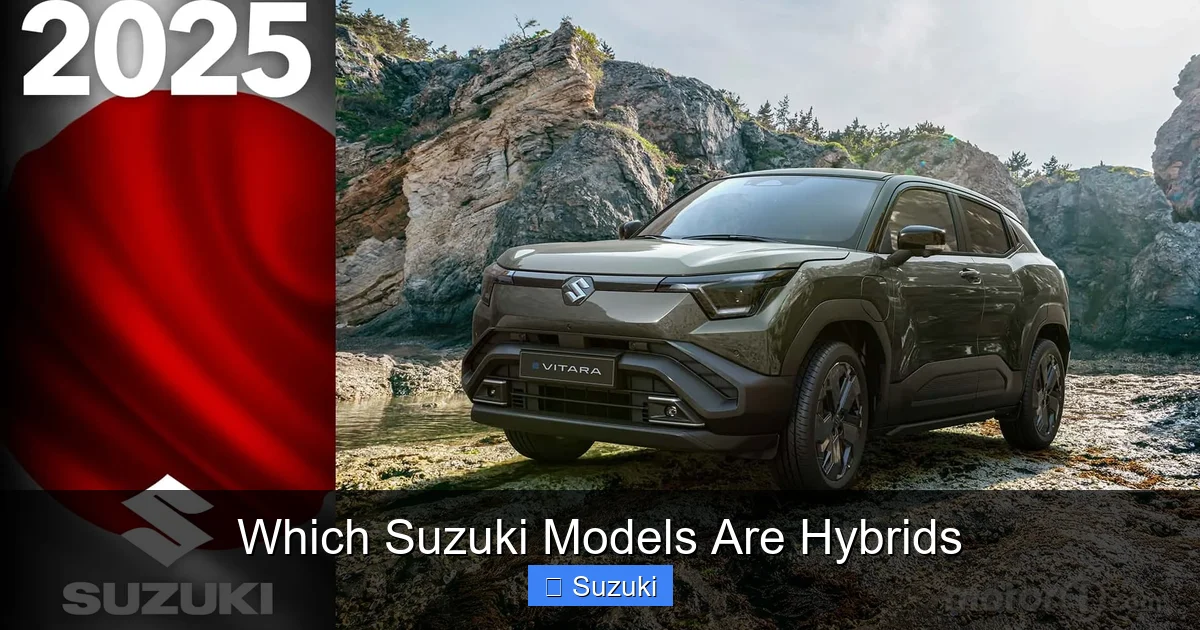
Before diving into specific models, it’s important to understand how Suzuki’s hybrid systems work. Unlike full hybrids that can run on electric power alone for extended distances, most Suzuki hybrids use mild-hybrid technology. This means the electric motor assists the gasoline engine but doesn’t power the car independently. Instead, it helps during acceleration, reduces engine load, and enables features like start-stop systems and regenerative braking.
What Is a Mild-Hybrid (MHEV) System?
A mild-hybrid system uses a small electric motor and battery to support the internal combustion engine. In Suzuki’s case, this typically involves a 48-volt electrical system that powers the motor-generator. When you accelerate, the electric motor gives the engine a boost, reducing fuel consumption. When you brake, the system captures energy and stores it in the battery. This process, called regenerative braking, helps recharge the battery without needing to plug in.
One of the biggest advantages of mild-hybrid systems is their simplicity. They don’t require charging infrastructure, and they add minimal weight and cost to the vehicle. For drivers who want better fuel economy but aren’t ready for a full electric or plug-in hybrid, mild-hybrid technology offers a practical middle ground.
Plug-In Hybrid (PHEV) Technology: The Across Exception
While most Suzuki hybrids are mild-hybrids, the Across SUV stands out as a plug-in hybrid. Developed in partnership with Toyota, the Across uses a more advanced PHEV system that allows it to run on electric power alone for up to 50 miles. This makes it ideal for daily commutes and short trips, where you can drive emissions-free. When the battery runs low, the gasoline engine kicks in, eliminating range anxiety.
The Across’s plug-in capability means you can charge it at home using a standard outlet or a dedicated EV charger. Overnight charging ensures you start each day with a full battery, maximizing electric driving and minimizing fuel use. This flexibility is a major advantage for drivers who want the benefits of electric driving without fully committing to an EV.
The Suzuki Swift Hybrid: Efficiency in a Compact Package

Visual guide about Which Suzuki Models Are Hybrids
Image source: rxi.iscdn.net
When people think of Suzuki, the Swift often comes to mind—and for good reason. This compact hatchback has been a global favorite for decades, known for its agility, affordability, and fun-to-drive nature. With the introduction of the Swift Hybrid, Suzuki has taken this beloved model to the next level.
Performance and Fuel Economy
The Swift Hybrid uses a 1.0-liter Boosterjet turbocharged three-cylinder engine paired with a 48-volt mild-hybrid system. This combination delivers around 100 horsepower, which may not sound like much, but it’s more than enough for city driving and highway cruising. The electric motor provides instant torque, making acceleration smooth and responsive.
But the real star of the show is fuel economy. The Swift Hybrid achieves an impressive 50–60 miles per gallon (mpg) in real-world driving, depending on conditions and driving style. That’s significantly better than the non-hybrid version and rivals many full hybrids on the market. For urban drivers who face frequent stop-and-go traffic, this efficiency translates to fewer trips to the pump and lower running costs.
Driving Experience and Practicality
Behind the wheel, the Swift Hybrid feels light and nimble. Its compact size makes it easy to park and maneuver in tight spaces, while the responsive steering and well-tuned suspension provide a fun driving experience. The interior is surprisingly spacious for a small car, with comfortable seating for four and a decent-sized trunk.
Suzuki has also packed the Swift Hybrid with modern features. Standard equipment includes a 7-inch touchscreen with Apple CarPlay and Android Auto, automatic climate control, and a suite of safety technologies like lane departure warning and adaptive cruise control. These features, combined with the hybrid system, make the Swift Hybrid a well-rounded choice for daily driving.
Who Should Consider the Swift Hybrid?
The Swift Hybrid is ideal for city dwellers, students, and commuters who prioritize fuel efficiency and low running costs. It’s also a great option for drivers who want a reliable, fun-to-drive car without the complexity of a full hybrid or electric vehicle. If you’re looking for a practical, eco-friendly hatchback that doesn’t break the bank, the Swift Hybrid is hard to beat.
The Suzuki Vitara Hybrid: Adventure Meets Efficiency
Visual guide about Which Suzuki Models Are Hybrids
Image source: i.ytimg.com
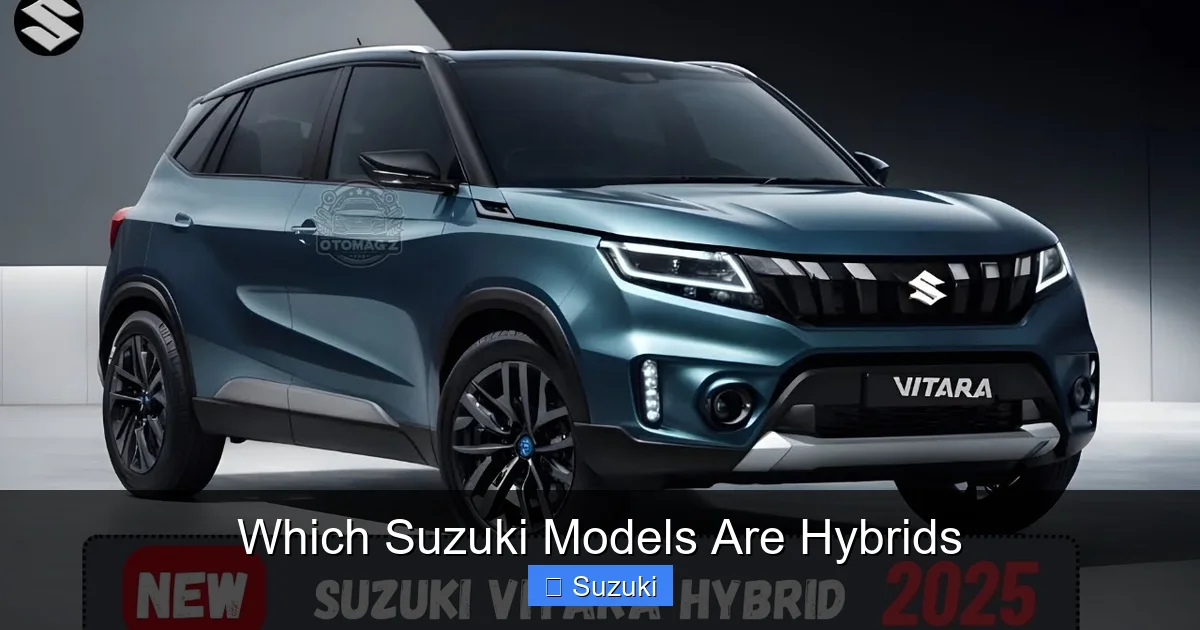
For drivers who want more space and capability, the Vitara Hybrid offers a compelling blend of SUV versatility and hybrid efficiency. As Suzuki’s compact SUV, the Vitara has long been popular for its rugged design, optional all-wheel drive, and comfortable ride. The hybrid version enhances these strengths with improved fuel economy and lower emissions.
Hybrid System and Powertrain
Like the Swift, the Vitara Hybrid uses a 1.4-liter Boosterjet engine combined with a 48-volt mild-hybrid system. This setup delivers around 140 horsepower, providing ample power for highway driving and light off-roading. The electric motor assists during acceleration and helps reduce engine strain, especially when climbing hills or carrying heavy loads.
One of the key advantages of the Vitara Hybrid is its optional Intelligent AllGrip all-wheel-drive system. This system uses sensors to detect wheel slip and automatically sends power to the wheels with the most traction. When paired with the hybrid system, it creates a capable and efficient SUV that can handle a variety of road conditions.
Fuel Efficiency and Environmental Impact
The Vitara Hybrid achieves around 45–50 mpg in mixed driving, which is excellent for an SUV of its size. This efficiency is particularly impressive given the vehicle’s higher ride height and optional AWD system, which typically reduce fuel economy. By using the mild-hybrid system, Suzuki has managed to offset some of these losses, making the Vitara Hybrid a greener choice than many competitors.
In addition to better fuel economy, the hybrid system reduces CO2 emissions, helping drivers lower their environmental footprint. For families and outdoor enthusiasts who want an SUV that’s both practical and eco-friendly, the Vitara Hybrid is a strong contender.
Interior Comfort and Technology
Inside, the Vitara Hybrid offers a spacious and well-designed cabin. The seats are supportive, and there’s plenty of headroom and legroom for passengers. The rear seats fold flat, expanding the cargo area from 280 liters to over 1,000 liters—perfect for weekend getaways or hauling gear.
The infotainment system includes a 9-inch touchscreen with smartphone integration, navigation, and voice control. Safety features are equally impressive, with adaptive cruise control, blind-spot monitoring, and a 360-degree camera available on higher trims. These technologies enhance both convenience and peace of mind, especially on long trips.
Is the Vitara Hybrid Right for You?
The Vitara Hybrid is ideal for drivers who need the space and capability of an SUV but want to reduce fuel costs and emissions. It’s a great choice for families, outdoor adventurers, and anyone who values versatility. If you frequently drive on rough roads or in challenging weather, the optional AWD system adds extra confidence and control.
The Suzuki Across: Suzuki’s First Plug-In Hybrid SUV
While the Swift and Vitara use mild-hybrid systems, the Across represents Suzuki’s entry into the plug-in hybrid market. Developed in collaboration with Toyota, the Across is based on the Toyota RAV4 but features unique styling and Suzuki branding. It’s the most advanced and capable hybrid in Suzuki’s lineup, offering up to 50 miles of electric-only range.
Plug-In Hybrid System and Performance
The Across uses a 2.5-liter four-cylinder engine paired with two electric motors—one on the front axle and one on the rear. This setup delivers a combined output of around 300 horsepower, making it the most powerful Suzuki hybrid available. The electric motors provide instant torque, resulting in quick acceleration and smooth power delivery.
The key feature of the Across is its plug-in capability. With a fully charged battery, it can travel up to 50 miles on electric power alone. This is more than enough for most daily commutes, allowing you to drive emissions-free for much of the week. When the battery is depleted, the gasoline engine takes over, providing a total range of over 300 miles.
Charging and Convenience
Charging the Across is simple. You can use a standard household outlet, which takes about 6–7 hours for a full charge, or a dedicated Level 2 charger, which reduces charging time to around 2.5 hours. Many owners charge overnight, waking up to a full battery each morning. Public charging stations are also available for longer trips.
One of the advantages of plug-in hybrids like the Across is their flexibility. You get the benefits of electric driving without the range limitations of a full EV. If you take a long road trip, you can refuel at any gas station—no need to hunt for charging points.
Interior and Technology
The Across offers a premium interior with high-quality materials and modern design. The cabin is quiet and comfortable, with supportive seats and ample space for five passengers. The infotainment system includes a large touchscreen, wireless Apple CarPlay, and a premium sound system.
Safety is a top priority, with features like adaptive cruise control, lane-keeping assist, and automatic emergency braking. The Across also comes with a heads-up display and a digital instrument cluster, enhancing the driving experience.
Who Should Consider the Across?
The Across is ideal for drivers who want the efficiency of an electric vehicle but need the flexibility of a gasoline engine. It’s perfect for commuters, families, and anyone who values performance and technology. If you have access to charging at home or work, the Across can significantly reduce your fuel costs and environmental impact.
Comparing Suzuki Hybrid Models: Which One Is Right for You?
With three hybrid models to choose from, it’s important to understand how they differ and which one best fits your lifestyle.
Swift Hybrid vs. Vitara Hybrid vs. Across
The Swift Hybrid is the most affordable and fuel-efficient option, ideal for city driving and short commutes. It’s compact, fun to drive, and perfect for individuals or small families.
The Vitara Hybrid offers more space and capability, with optional AWD and a higher ride height. It’s a great choice for drivers who need an SUV but want to save on fuel.
The Across is the most advanced and powerful hybrid, with plug-in capability and premium features. It’s best for drivers who want maximum efficiency and performance, especially if they can charge at home.
Cost and Ownership Considerations
Hybrid models typically cost more upfront than their non-hybrid counterparts, but they offer long-term savings through lower fuel and maintenance costs. Government incentives and tax credits may also be available, depending on your location.
When choosing a hybrid, consider your driving habits, budget, and access to charging. If you mostly drive short distances and can charge regularly, the Across may be the best choice. If you need a practical, efficient car for daily use, the Swift or Vitara Hybrid could be ideal.
Tips for Maximizing Your Suzuki Hybrid’s Efficiency
To get the most out of your Suzuki hybrid, follow these practical tips:
- Drive smoothly: Avoid rapid acceleration and hard braking. Gentle driving helps the hybrid system work more efficiently.
- Use regenerative braking: Let the car slow down naturally when approaching stops. This charges the battery and reduces wear on the brakes.
- Maintain proper tire pressure: Underinflated tires increase rolling resistance and reduce fuel economy.
- Plan your routes: Use navigation apps to avoid traffic and find the most efficient paths.
- Charge regularly (for PHEV): If you own the Across, charge it nightly to maximize electric driving.
- Schedule regular maintenance: Keep the engine, battery, and hybrid system in top condition with routine service.
Conclusion: Suzuki Hybrids Offer Smart, Sustainable Driving
Suzuki’s hybrid lineup proves that eco-friendly driving doesn’t have to mean sacrificing performance, practicality, or affordability. Whether you choose the nimble Swift Hybrid, the versatile Vitara Hybrid, or the advanced Across plug-in hybrid, you’re getting a vehicle that’s designed for efficiency and reliability.
These models use cutting-edge hybrid technology to reduce emissions, save fuel, and enhance the driving experience. With modern features, spacious interiors, and Suzuki’s reputation for durability, they’re excellent choices for a wide range of drivers.
As the automotive industry continues to evolve, Suzuki is positioning itself as a leader in accessible hybrid mobility. By offering a range of options—from mild-hybrids to plug-in models—Suzuki ensures that more drivers can enjoy the benefits of hybrid technology. So, if you’re asking, “Which Suzuki models are hybrids?” the answer is clear: there’s a hybrid Suzuki for nearly every need and lifestyle.
Frequently Asked Questions
Which Suzuki models are hybrids?
Suzuki offers three hybrid models: the Swift Hybrid, Vitara Hybrid, and Across plug-in hybrid SUV. Each uses mild-hybrid or plug-in technology to improve fuel efficiency and reduce emissions.
Do Suzuki hybrids need to be plugged in?
Only the Across plug-in hybrid requires plugging in. The Swift and Vitara hybrids use mild-hybrid systems that recharge automatically through regenerative braking.
How fuel-efficient are Suzuki hybrid models?
The Swift Hybrid achieves 50–60 mpg, the Vitara Hybrid gets 45–50 mpg, and the Across can travel up to 50 miles on electric power alone, making them highly efficient.
Is the Suzuki Across a Toyota?
The Across is based on the Toyota RAV4 and developed in partnership with Toyota, but it features unique styling and is sold under the Suzuki brand.
Can Suzuki hybrids drive in electric-only mode?
The Across can drive up to 50 miles on electric power. The Swift and Vitara hybrids use electric assist but cannot run on electric power alone.
Are Suzuki hybrids reliable?
Yes, Suzuki hybrids are known for their reliability, backed by Suzuki’s reputation for durable, low-maintenance vehicles and strong warranty coverage.


