
Can You Jumpstart a Car with a Bad Alternator?

You can jumpstart a car with a bad alternator, but it’s only a temporary fix. The battery won’t recharge while driving, so the engine may die again soon. It’s crucial to replace the alternator to avoid getting stranded.
Key Takeaways
- Jumpstarting works temporarily: A bad alternator won’t stop you from jumpstarting the car, but the battery won’t recharge once the engine is running.
- Battery drains quickly: Without a functioning alternator, the car relies solely on the battery, which can die within minutes or hours depending on electrical load.
- Risk of stalling: The engine may shut off unexpectedly, especially at low speeds or when using lights, AC, or radio.
- Not a long-term solution: Driving with a faulty alternator can damage the battery and other electrical components over time.
- Get it checked immediately: After jumpstarting, head straight to a mechanic or auto parts store for a charging system test.
- Safety first: Always use proper jumpstart procedures and wear safety gear to avoid injury or vehicle damage.
- Prevention is key: Regular maintenance and early signs recognition can help avoid alternator failure altogether.
📑 Table of Contents
- Can You Jumpstart a Car with a Bad Alternator?
- What Is an Alternator and Why Does It Matter?
- Can You Actually Jumpstart a Car with a Bad Alternator?
- What Happens If You Drive with a Bad Alternator?
- How to Safely Jumpstart a Car with a Bad Alternator
- Can You Drive Long Distances with a Bad Alternator?
- How to Prevent Alternator Failure
- When to Replace the Alternator
- Conclusion
Can You Jumpstart a Car with a Bad Alternator?
Picture this: You’re running late for work, you hop in your car, turn the key—and nothing. The dashboard lights flicker weakly, the engine cranks slowly, or worse, doesn’t turn over at all. You pop the hood, check the battery connections, and everything looks fine. So what’s going on?
One of the most common culprits? A failing alternator.
Now, here’s the big question: Can you jumpstart a car with a bad alternator? The short answer is yes—but with major caveats. While jumpstarting can get your engine running temporarily, it’s not a fix. In fact, driving with a bad alternator can lead to more serious problems down the road.
In this guide, we’ll break down exactly what happens when your alternator fails, why jumpstarting might work (but won’t save you), and what you should do next. Whether you’re a weekend mechanic or just trying to get to work on time, understanding your car’s charging system is essential. Let’s dive in.
What Is an Alternator and Why Does It Matter?
Visual guide about Can You Jumpstart a Car with a Bad Alternator?
Image source: piketransit.com
Before we get into jumpstarting, let’s talk about the alternator—the unsung hero of your car’s electrical system.
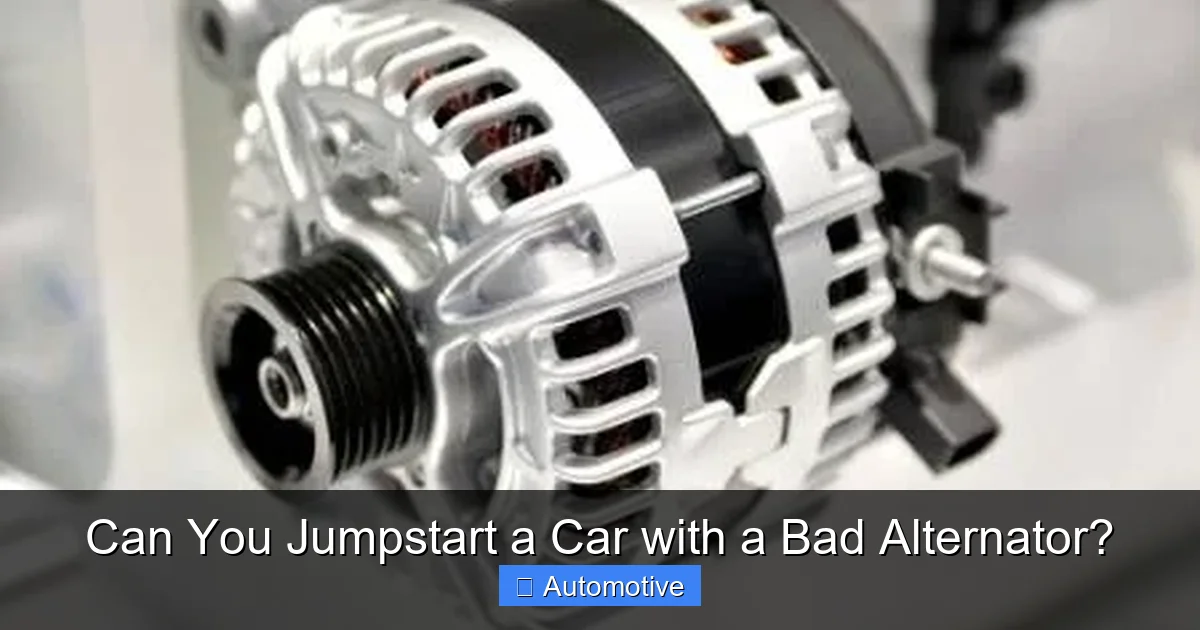
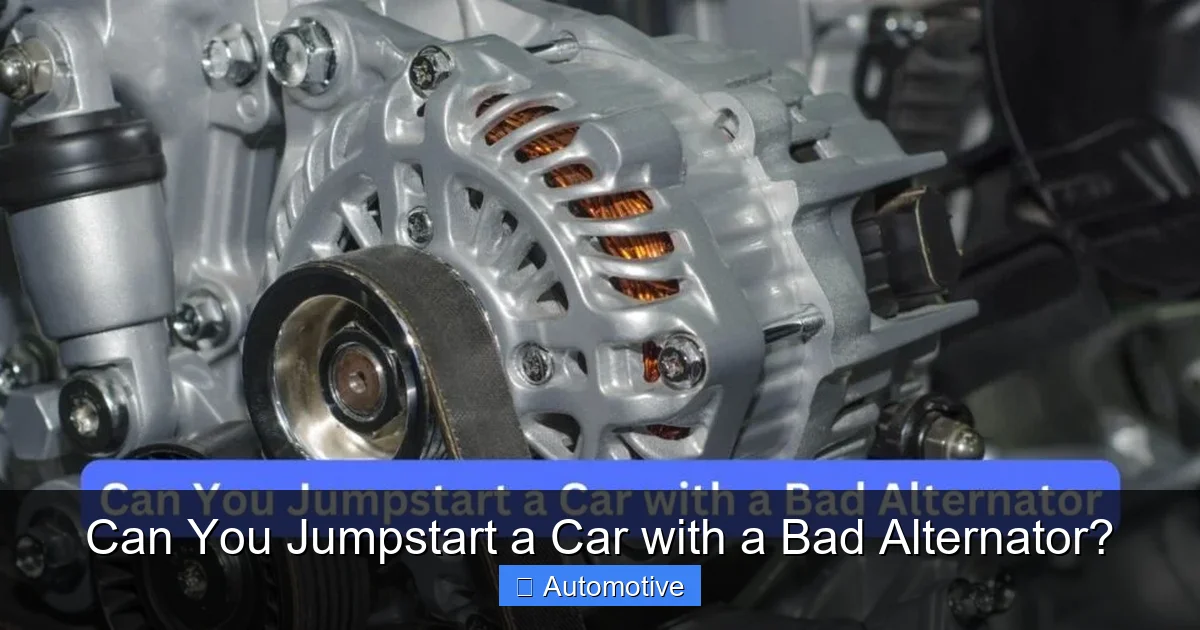
The alternator is a small but powerful device located near the engine. Its main job is to generate electricity while the engine runs. This electricity powers everything from your headlights and radio to your fuel injectors and ignition system. More importantly, it recharges the battery so it’s ready to start the car the next time you turn the key.
Think of the battery as the starter motor’s best friend—it gives the engine that initial push to life. But once the engine is running, the alternator takes over. It’s like switching from a hand-crank flashlight to a wall outlet. Without the alternator, the battery would drain in minutes.
How the Alternator Works
The alternator uses a belt connected to the engine’s crankshaft to spin an internal rotor. This creates a magnetic field, which generates alternating current (AC). The alternator then converts that AC into direct current (DC)—the type of electricity your car uses. A voltage regulator ensures the output stays steady, usually around 13.5 to 14.5 volts.
This steady flow of power keeps the battery charged and all electrical systems running smoothly. If the alternator fails, the battery has to pick up the slack—and it can’t do that forever.
Signs of a Failing Alternator
How do you know if your alternator is going bad? Look for these common warning signs:
– Dim or flickering headlights, especially at idle
– Electrical issues like power windows moving slowly or radio cutting out
– A battery warning light on the dashboard (often looks like a battery or “ALT”)
– Strange smells, like burning rubber or electrical wires
– A whining or grinding noise from the engine bay
– The car dies shortly after starting, even with a jump
If you notice any of these, don’t wait. A failing alternator can leave you stranded—and cause expensive damage if ignored.
Can You Actually Jumpstart a Car with a Bad Alternator?
Visual guide about Can You Jumpstart a Car with a Bad Alternator?
Image source: piketransit.com
Now, back to the main question: Can you jumpstart a car with a bad alternator?
The answer is yes—but only under the right conditions.
Jumpstarting works by using another vehicle’s battery (or a portable jump starter) to give your dead battery a boost. This extra power allows the starter motor to turn the engine over and get it running. Once the engine is on, it doesn’t need the battery to keep going—at least, not if the alternator is working.
But here’s the catch: if the alternator is bad, it can’t recharge the battery. So while the engine might start, it’s running solely on the battery’s remaining charge. And that charge is draining fast.
Why Jumpstarting Might Work (Temporarily)
Let’s say your alternator has completely failed. The battery is dead because it wasn’t being recharged. You connect jumper cables to a good battery, and—voilà—the engine starts.
Why? Because the jumpstart gave the battery enough power to crank the engine. Once the engine is running, it doesn’t need the battery to keep turning. The pistons, crankshaft, and other moving parts keep the motor going through combustion.
So technically, the car can run—even with a dead alternator—as long as the battery has enough juice to keep the spark plugs firing and the fuel system working.
But this is where things get risky.
The Battery Will Drain Fast
Without a working alternator, every electrical component in your car is drawing power directly from the battery. That includes:
– Ignition system
– Fuel pump
– Lights
– Radio
– Climate control
– Dashboard electronics
Even if you turn off non-essential items like the AC and radio, the core systems still need power. And the battery wasn’t designed to run the car for long—it’s meant to start the engine, not power it.
Depending on the battery’s condition and how much electrical load you’re using, the battery might last anywhere from 15 minutes to a few hours. But once it dies, the engine will shut off—often at the worst possible moment, like in traffic or on a highway.
Real-World Example: The Grocery Store Run
Imagine you’re at the grocery store. You start your car with a jump, drive home, and park. Everything seems fine. But the next morning, the car won’t start again—even though it ran perfectly the day before.
Why? Because the alternator didn’t recharge the battery overnight. The battery drained while the car was off, and now it’s dead again.
This is a common scenario. Jumpstarting gets you moving, but without fixing the alternator, you’re just delaying the inevitable.
What Happens If You Drive with a Bad Alternator?
Visual guide about Can You Jumpstart a Car with a Bad Alternator?
Image source: autogos.com
So, you’ve jumpstarted your car. It’s running. Can you drive it to the mechanic?
Maybe—but it’s risky.
Driving with a bad alternator isn’t just about the battery dying. It can cause a cascade of problems that affect your safety, your wallet, and your car’s longevity.
The Engine May Stall Unexpectedly
As the battery drains, the voltage drops. When it falls below a certain level (usually around 10–11 volts), the ignition system can’t generate strong enough sparks. The fuel injectors may not open properly. The result? The engine sputters, hesitates, or dies completely.
This can happen at any time—while idling at a red light, merging onto a highway, or driving through an intersection. It’s not just inconvenient; it’s dangerous.
Electrical Components Can Fail
Modern cars rely heavily on electronics. From engine control units (ECUs) to sensors and infotainment systems, everything runs on a stable power supply.
When the alternator fails, voltage fluctuations can occur. These spikes and drops can damage sensitive electronics. You might end up with a fried ECU, malfunctioning sensors, or a dead infotainment screen—repairs that can cost hundreds or even thousands of dollars.
The Battery Can Be Damaged
A healthy battery is designed to be recharged regularly. When it’s constantly drained without being recharged, it can suffer from sulfation—a buildup of lead sulfate crystals on the plates. This reduces the battery’s capacity and lifespan.
In extreme cases, the battery can overheat or even explode if it’s forced to deliver too much current for too long. While rare, it’s a real risk when the alternator isn’t doing its job.
You Could Get Stranded
The biggest risk? Getting stranded in an unsafe location. Whether you’re on a remote road, in bad weather, or late at night, a sudden breakdown can put you in a dangerous situation.
Even if you make it to a mechanic, you might not be able to restart the car once you turn it off—unless you have another jumpstart ready.
How to Safely Jumpstart a Car with a Bad Alternator
If you find yourself in this situation, here’s how to jumpstart your car safely—and what to do next.
Step-by-Step Jumpstart Guide
1. **Park the donor vehicle close (but not touching) your car.** Turn off both engines and engage the parking brakes.
2. **Identify the battery terminals.** The positive (+) terminal is usually red and marked with a “+”. The negative (-) is black and marked with a “-”.
3. **Connect the jumper cables in this order:**
– Red clamp to dead battery’s positive terminal
– Red clamp to donor battery’s positive terminal
– Black clamp to donor battery’s negative terminal
– Black clamp to an unpainted metal surface on your car (like a bolt or bracket)—not the dead battery’s negative terminal. This reduces the risk of sparks near the battery.
4. **Start the donor vehicle.** Let it run for 2–3 minutes to charge your battery slightly.
5. **Try starting your car.** If it doesn’t start, wait a few more minutes and try again.
6. **Once running, disconnect the cables in reverse order:**
– Black clamp from your car
– Black clamp from donor battery
– Red clamp from donor battery
– Red clamp from your battery
7. **Keep your engine running.** Do not turn it off. Drive directly to a mechanic or auto parts store.
Important Safety Tips
– **Wear safety glasses and gloves.** Batteries contain sulfuric acid and can produce explosive hydrogen gas.
– **Never smoke or use open flames near the battery.**
– **Don’t let the clamps touch each other while connected to a live battery.**
– **If the battery is swollen, leaking, or damaged, do not attempt to jumpstart.** Call a tow truck instead.
What to Do After Jumpstarting
Once your car is running, your priority should be getting it checked—immediately.
Head to the nearest mechanic or auto parts store (many offer free charging system tests). They’ll use a multimeter to check:
– Battery voltage (should be 12.6V when off, 13.5–14.5V when running)
– Alternator output
– Belt condition and tension
If the alternator is bad, replace it as soon as possible. Most alternators cost between $300 and $800 for parts and labor, depending on the vehicle.
Can You Drive Long Distances with a Bad Alternator?
Short answer: No.
While it’s technically possible to drive a short distance (like to a nearby repair shop), long-distance driving is extremely risky.
The further you drive, the more the battery drains. Even with all electronics turned off, the engine still needs power to run. And once the battery dies, you’re stuck.
Some people try to “limp” their car to a mechanic by driving at night with the lights off, radio off, and AC off. But this is unreliable and unsafe. You’re gambling with your safety and your car’s health.
If you must drive, keep it under 10–15 minutes and go directly to a repair shop. And have a backup plan—like a tow truck on speed dial.
How to Prevent Alternator Failure
The best way to avoid this headache? Prevent it from happening in the first place.
Regular Maintenance
Most alternators last 7–10 years or 100,000–150,000 miles. But factors like heat, vibration, and electrical load can shorten that lifespan.
During routine oil changes or inspections, ask your mechanic to check:
– Alternator output
– Belt condition (cracks, fraying, or looseness)
– Battery health
– Electrical connections (clean and tight)
Listen to Your Car
Early warning signs are often subtle. If your headlights dim when you turn on the AC, or the radio cuts out at idle, don’t ignore it. These could be signs of a failing alternator.
Also, pay attention to dashboard lights. A battery or charging system warning light is a clear signal that something’s wrong.
Avoid Overloading the Electrical System
Adding aftermarket electronics—like high-powered stereos, LED light bars, or phone chargers—can put extra strain on the alternator. If you’ve made modifications, consider upgrading to a high-output alternator.
Keep the Battery in Good Shape
A weak or old battery can make the alternator work harder, leading to premature failure. Replace your battery every 3–5 years, and clean the terminals regularly to prevent corrosion.
When to Replace the Alternator
If your car won’t stay running after a jumpstart, or if a diagnostic test confirms low alternator output, it’s time for a replacement.
Don’t delay. A new alternator is far cheaper than replacing a damaged battery, ECU, or other electrical components.
Most auto parts stores offer free installation with purchase, or you can have a mechanic do it. The job typically takes 1–2 hours.
Conclusion
So, can you jumpstart a car with a bad alternator? Yes—but it’s only a temporary fix. The engine may start, but without a working alternator, the battery will drain quickly, and the car could stall at any moment.
Jumpstarting can get you to safety or a repair shop, but it’s not a solution. Driving with a bad alternator risks damaging your battery, electronics, and even your safety.
The best course of action? Get your charging system tested as soon as possible. Replace the alternator if needed, and stay on top of regular maintenance to avoid future problems.
Your car’s electrical system is complex, but with a little knowledge and proactive care, you can keep it running smoothly for years to come.
Frequently Asked Questions
Can a car run with a completely dead alternator?
Yes, but only temporarily. The engine can run on battery power alone, but the battery will drain quickly—usually within 15 minutes to an hour—depending on electrical load. Once the battery dies, the engine will shut off.
How long can you drive after jumpstarting a car with a bad alternator?
It’s not recommended to drive at all, but if necessary, limit it to a short trip (under 15 minutes) directly to a repair shop. Avoid highways, night driving, or using any electrical accessories.
Will a bad alternator drain a new battery?
Yes. Even a brand-new battery will drain quickly if the alternator isn’t recharging it. A faulty alternator can kill a new battery in just a few days.
Can you test an alternator without special tools?
You can do a basic test with a multimeter. With the engine off, battery voltage should be around 12.6V. With the engine running, it should read 13.5–14.5V. If it’s lower, the alternator may be failing.
Is it safe to jumpstart a car with a bad alternator?
Yes, as long as you follow proper jumpstart procedures. The risk isn’t in jumpstarting—it’s in driving afterward. Always wear safety gear and avoid smoking or sparks near the battery.
What happens if you keep driving with a bad alternator?
The battery will eventually die, causing the engine to stall. Voltage fluctuations can also damage sensitive electronics like the ECU, sensors, or infotainment system, leading to costly repairs.
