
Does Car Insurance Cover Water Damage from Rain

Yes, car insurance can cover water damage from rain—but only if you have comprehensive coverage. This type of protection helps pay for repairs when rain, floods, or storms damage your vehicle, but it won’t apply if you only have basic liability or collision insurance.
Key Takeaways
- Comprehensive coverage is required: Water damage from rain is typically covered under comprehensive insurance, not collision or liability policies.
- Flooding and heavy storms count: If your car is damaged by rising floodwaters or a severe storm, comprehensive insurance usually covers the cost of repairs.
- Acts of nature are included: Rain, hail, hurricanes, and wind-driven water are considered “acts of God” and are covered under most comprehensive plans.
- Leaks and gradual damage may not qualify: If water seeps into your car over time due to worn seals or poor maintenance, insurers often deny claims.
- Document everything: Take photos, file a police report if needed, and contact your insurer immediately after water damage occurs.
- Check your deductible: You’ll still need to pay your deductible before insurance kicks in, so consider whether the repair cost is worth filing a claim.
- Prevention helps: Park in covered areas, use weatherproof covers, and maintain seals and drains to reduce water damage risk.
📑 Table of Contents
Does Car Insurance Cover Water Damage from Rain?
Imagine this: You park your car outside during a heavy thunderstorm, and the next morning you find water pooling on the floor mats, a musty smell filling the cabin, and your electronics acting up. Your first thought? “Will my car insurance cover this?” It’s a common concern, especially during rainy seasons or in flood-prone areas. The good news is that in many cases, yes—car insurance can cover water damage from rain. But there’s a catch: it all depends on the type of coverage you have.
Most standard auto insurance policies include three main types of coverage: liability, collision, and comprehensive. Liability covers damage you cause to others, collision covers damage from accidents like fender benders, and comprehensive covers everything else—including weather-related events. So if rain, flooding, or a fallen tree damages your car, comprehensive insurance is typically your best bet. However, if you only have basic liability or collision coverage, you’re likely out of luck when it comes to water damage claims.
Understanding what your policy includes is crucial. Many drivers assume that “full coverage” means everything is protected, but that’s not always true. “Full coverage” is actually a term used by lenders and doesn’t guarantee comprehensive protection. You need to specifically have comprehensive insurance to be covered for rain and water-related damage. This makes it essential to review your policy details or speak with your insurance agent to confirm your level of protection.
What Is Comprehensive Car Insurance?
Visual guide about Does Car Insurance Cover Water Damage from Rain
Image source: clovered.com
Comprehensive car insurance is often misunderstood. It doesn’t mean “covers everything” in the literal sense, but rather it covers non-collision-related incidents. Think of it as your safety net for unexpected events that aren’t caused by driving into another car or object. This includes theft, vandalism, fire, animal collisions, and—most importantly for this topic—weather-related damage like rain, hail, and flooding.
When you purchase comprehensive coverage, you’re essentially paying a small monthly or annual premium to protect your vehicle from risks beyond your control. These are often referred to as “acts of God” or “acts of nature.” Rainstorms, hurricanes, and flash floods fall squarely into this category. So if a sudden downpour causes water to enter your vehicle and damage the interior, electronics, or engine, comprehensive insurance is designed to help cover the repair costs.
It’s important to note that comprehensive coverage usually comes with a deductible—the amount you pay out of pocket before your insurance kicks in. For example, if your deductible is $500 and the repair cost is $2,000, you’ll pay $500 and your insurer will cover the remaining $1,500. This deductible applies regardless of the type of claim, so it’s something to keep in mind when deciding whether to file a claim for water damage.
How Comprehensive Coverage Works in Real Life
Let’s say you live in a coastal city and a tropical storm hits overnight. Heavy rains flood the streets, and your car, parked in a low-lying area, ends up partially submerged. Water seeps into the cabin, damaging the upholstery, dashboard electronics, and even the engine’s air intake system. In this scenario, comprehensive insurance would likely cover the repairs—provided you have that coverage on your policy.
Another example: You park under a tree during a thunderstorm, and a large branch breaks off and crashes onto your car. Not only is there physical damage from the impact, but rainwater also pours through the broken window, soaking the interior. Here, comprehensive insurance would cover both the broken window and the water damage, as both are results of a covered event—the storm.
But what if the water damage is more subtle? Suppose you notice a damp smell in your car after a week of steady rain, and you discover that water has been slowly leaking through a worn door seal. In this case, your insurer might deny the claim, arguing that the damage resulted from poor maintenance rather than a sudden, unforeseen event. This distinction is key: comprehensive insurance covers sudden, accidental damage, not gradual wear and tear.
Types of Water Damage Covered by Car Insurance
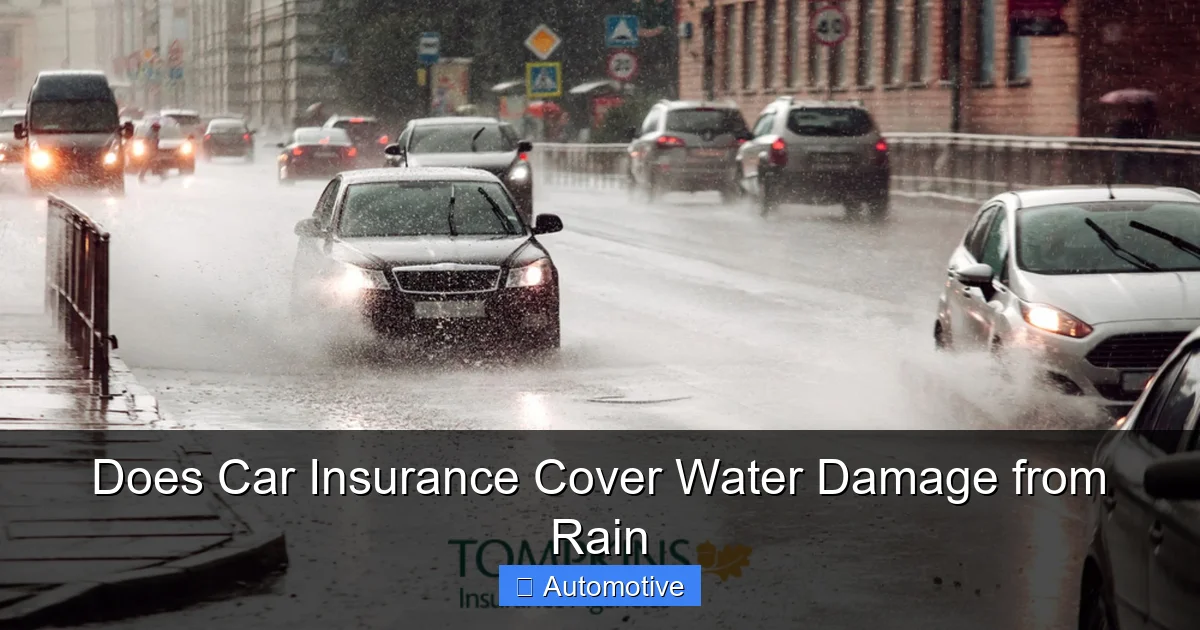
Visual guide about Does Car Insurance Cover Water Damage from Rain
Image source: tompkinsins.com
Not all water damage is created equal, and your insurance company will evaluate each claim based on how the damage occurred. Generally, there are three main types of water damage that may be covered under comprehensive insurance: flooding, storm-related intrusion, and accidental water exposure.
Flooding is one of the most common causes of water damage in vehicles. Whether it’s from a river overflowing its banks, a flash flood in an urban area, or a hurricane surge, if your car is submerged or significantly damaged by floodwaters, comprehensive insurance typically covers the repairs. This includes damage to the engine, transmission, electrical systems, upholstery, and interior components.
Storm-related water intrusion happens when heavy rain, wind, or hail forces water into your vehicle through windows, sunroofs, or seals. For example, if a severe thunderstorm causes a tree limb to break your windshield and rain pours in, damaging the seats and dashboard, this would be considered a covered event. Similarly, if high winds lift your convertible top and allow rain to soak the interior, comprehensive insurance should help cover the cleanup and repairs.
Accidental water exposure can also be covered. Imagine you’re driving through a deep puddle during a rainstorm, and water gets sucked into the engine through the air intake, causing it to stall or suffer internal damage. While some insurers might argue this is driver error, many will still cover the damage under comprehensive if it’s deemed an unavoidable accident due to weather conditions.
It’s worth noting that saltwater damage—such as from a coastal flood—is also typically covered, but it can be more expensive to repair due to corrosion. Insurers understand this and usually factor it into the claim assessment.
What About Hail and Wind-Driven Rain?
Hailstorms can cause significant damage to a vehicle’s exterior, but they can also lead to water intrusion. When hail breaks windows or damages seals, rain can enter the cabin and cause secondary water damage. In these cases, comprehensive insurance covers both the hail damage and any resulting water damage, as they’re part of the same event.
Wind-driven rain is another common issue during severe storms. Strong winds can force rain horizontally into areas it wouldn’t normally reach, such as under the hood or through poorly sealed doors. If this leads to water damage, your insurer will likely cover it—again, as long as you have comprehensive coverage.
However, if the damage is due to pre-existing issues—like a cracked windshield you’ve been meaning to fix—your claim might be denied. Insurers expect drivers to maintain their vehicles, and neglecting known problems can void coverage.
What Water Damage Is NOT Covered?
Visual guide about Does Car Insurance Cover Water Damage from Rain
Image source: elmersautobody.com
While comprehensive insurance offers broad protection, it’s not a cure-all. There are several scenarios where water damage from rain will not be covered, even if you have comprehensive coverage.
One major exclusion is gradual or long-term water intrusion. If water has been slowly leaking into your car over weeks or months due to worn door seals, a damaged sunroof drain, or a cracked windshield seal, insurers will likely deny your claim. They classify this as maintenance-related damage, not a sudden, accidental event. The logic is simple: you had time to notice and fix the issue, so it’s not covered.
Another common denial involves driving through flooded roads. If you intentionally drive into standing water and your engine stalls or suffers damage, some insurers may argue that you assumed the risk. While comprehensive coverage often still applies, especially if the flooding was unexpected, claims involving deep water or reckless driving may be scrutinized more closely.
Additionally, if your car is damaged while parked in a known flood zone during a storm warning, and you didn’t take reasonable steps to move it, your claim could be denied. Insurers expect drivers to exercise common sense during severe weather. For example, if a hurricane warning is issued and you leave your car in a low-lying garage, you might not be covered for flood damage.
Finally, cosmetic damage alone—like a few damp floor mats with no mechanical or electrical issues—might not be enough to justify a claim, especially if the repair cost is close to or less than your deductible. In such cases, it’s often better to handle the cleanup yourself.
Maintenance Issues vs. Covered Events
The line between covered and non-covered water damage often comes down to timing and cause. A sudden, unexpected event—like a flash flood or a tree falling during a storm—is typically covered. But slow, preventable issues—like a clogged sunroof drain that causes water to pool and leak over time—are not.
To avoid disputes, it’s wise to regularly inspect your vehicle for signs of wear. Check door seals, sunroof drains, and windshield edges for cracks or gaps. Clean out debris from door jambs and trunk drains. These small steps can prevent water from seeping in and help ensure that any future damage is clearly tied to a covered event.
How to File a Claim for Water Damage
If your car suffers water damage from rain, acting quickly can make a big difference in your claim’s success. The first step is to document everything. Take clear photos of the damage from multiple angles, including the interior, exterior, and any standing water. If possible, note the weather conditions and time of the incident.
Next, contact your insurance company as soon as possible. Most insurers have 24/7 claims lines, and filing promptly shows that you’re taking the matter seriously. Be ready to provide your policy number, a description of what happened, and the location of the damage.
Your insurer will likely send an adjuster to inspect the vehicle. This person will assess the extent of the damage and determine whether it’s covered under your policy. Be honest and thorough in your explanation, but avoid admitting fault or making assumptions about coverage.
If your claim is approved, you’ll receive an estimate for repairs. You can choose to have the work done at a shop of your choice, though some insurers prefer network repair centers. Keep all receipts and records of the repairs for your files.
Tips for a Smooth Claims Process
– Don’t start repairs before the adjuster inspects the vehicle.
– Keep a copy of all communications with your insurer.
– If your car is unsafe to drive, ask about rental car coverage—some policies include it.
– If your claim is denied, ask for a detailed explanation and consider appealing if you believe it was unfair.
How to Prevent Water Damage from Rain
While insurance can help after the fact, prevention is always the best strategy. Here are some practical tips to protect your car from rain-related water damage:
Park in a garage or under a carport whenever possible. If that’s not an option, consider investing in a high-quality car cover designed to repel water and resist wind.
Regularly inspect and maintain your vehicle’s seals and drains. Clean out sunroof drains, door jambs, and trunk channels to prevent clogs that can lead to leaks.
Avoid driving through standing water, especially if you can’t see the depth. Just six inches of moving water can sweep away a small car, and deeper water can cause severe engine damage.
If you live in a flood-prone area, consider installing a water sensor or alarm in your garage that alerts you to rising water levels.
Finally, review your insurance policy annually to ensure you have adequate comprehensive coverage. If you live in a region with frequent storms or heavy rainfall, it’s worth the extra cost for peace of mind.
Conclusion
So, does car insurance cover water damage from rain? The answer is yes—but only if you have comprehensive coverage. This type of insurance protects your vehicle from a wide range of non-collision events, including flooding, storms, and accidental water exposure. However, it won’t cover damage caused by neglect, gradual leaks, or reckless driving through flooded roads.
Understanding your policy, maintaining your vehicle, and acting quickly after damage occurs can help ensure you’re protected when the skies open up. While no one wants to deal with water damage, knowing your options can save you time, money, and stress down the road. Stay informed, stay prepared, and drive with confidence—rain or shine.
Frequently Asked Questions
Does liability insurance cover water damage from rain?
No, liability insurance only covers damage you cause to other people’s property or injuries you cause in an accident. It does not cover damage to your own vehicle, including water damage from rain.
Will my insurance cover mold caused by water damage?
Yes, if the mold results from a covered water damage event like flooding or a storm, comprehensive insurance typically covers mold remediation as part of the repair process.
Can I add comprehensive coverage after water damage occurs?
No, you cannot add coverage after an incident has happened. Insurance only covers future events, so it’s important to have comprehensive coverage in place before damage occurs.
What if my car is totaled by floodwater?
If your car is declared a total loss due to flood damage, comprehensive insurance will pay you the actual cash value of the vehicle (minus your deductible), based on its condition before the damage.
Does comprehensive insurance cover water damage from a leaking sunroof?
It depends. If the leak is due to a sudden event like a storm damaging the sunroof, it’s likely covered. But if it’s from a clogged drain or worn seal due to lack of maintenance, the claim may be denied.
How long do I have to file a claim after water damage?
Most insurers require you to file a claim as soon as possible, typically within 30 days. Delaying could result in a denied claim, so contact your provider immediately after discovering the damage.
