
How to Remove Film from Inside a Car Windshield

Removing film from inside a car windshield can be tricky, but with the right tools and techniques, it’s totally doable. This guide walks you through safe, effective methods to strip old tint, adhesive residue, or protective film without damaging your glass or interior.
Key Takeaways
- Use heat to loosen adhesive: A hair dryer or heat gun softens the film and glue, making it easier to peel off without scratching the glass.
- Choose the right solvent: Isopropyl alcohol, ammonia-based cleaners, or commercial adhesive removers break down sticky residue safely.
- Protect your car’s interior: Cover seats, dashboard, and electronics with towels or plastic to avoid damage from chemicals or debris.
- Work in small sections: Tackling one area at a time prevents the film from tearing and ensures thorough removal.
- Clean thoroughly after removal: Wipe down the glass with glass cleaner to restore clarity and remove any leftover film particles or glue.
- Avoid razor blades on tinted or coated glass: Use plastic scrapers instead to prevent scratches on special glass types.
- Be patient and gentle: Rushing can lead to torn film, stubborn residue, or accidental damage—take your time for best results.
📑 Table of Contents
- Why You Might Need to Remove Film from Inside a Car Windshield
- Tools and Materials You’ll Need
- Step-by-Step Guide to Removing Film from Inside a Car Windshield
- Tips for Tough or Stubborn Film Removal
- Safety Precautions and What to Avoid
- When to Call a Professional
- Maintaining a Clear Windshield After Removal
- Conclusion
Why You Might Need to Remove Film from Inside a Car Windshield
Have you ever looked through your car’s windshield and noticed a hazy, peeling, or bubbled layer that wasn’t there before? That’s likely an interior film—commonly applied for privacy, UV protection, glare reduction, or even as a temporary fix for cracks. While these films can be helpful, they don’t last forever. Over time, they degrade, discolor, or start to lift at the edges, making your view less clear and your car look worn out.
There are several reasons you might want to remove film from inside a car windshield. Maybe the tint has faded unevenly, creating a patchy appearance. Perhaps it’s trapping moisture, leading to foggy spots or mold growth. In some cases, the adhesive breaks down and leaves behind a sticky, smeary residue that’s nearly impossible to clean. Or maybe you’re prepping the glass for a new film installation, a repair, or simply want a fresh, unobstructed view. Whatever the reason, knowing how to remove film from inside a car windshield properly is a valuable skill for any car owner.
It’s important to note that not all films are created equal. Some are thin and easy to peel, while others are thick, multi-layered, or bonded with strong adhesives. Additionally, certain windshields have special coatings—like acoustic interlayers or infrared-reflective layers—that require extra care during removal. That’s why understanding your specific situation and using the right approach is key to success.
Tools and Materials You’ll Need
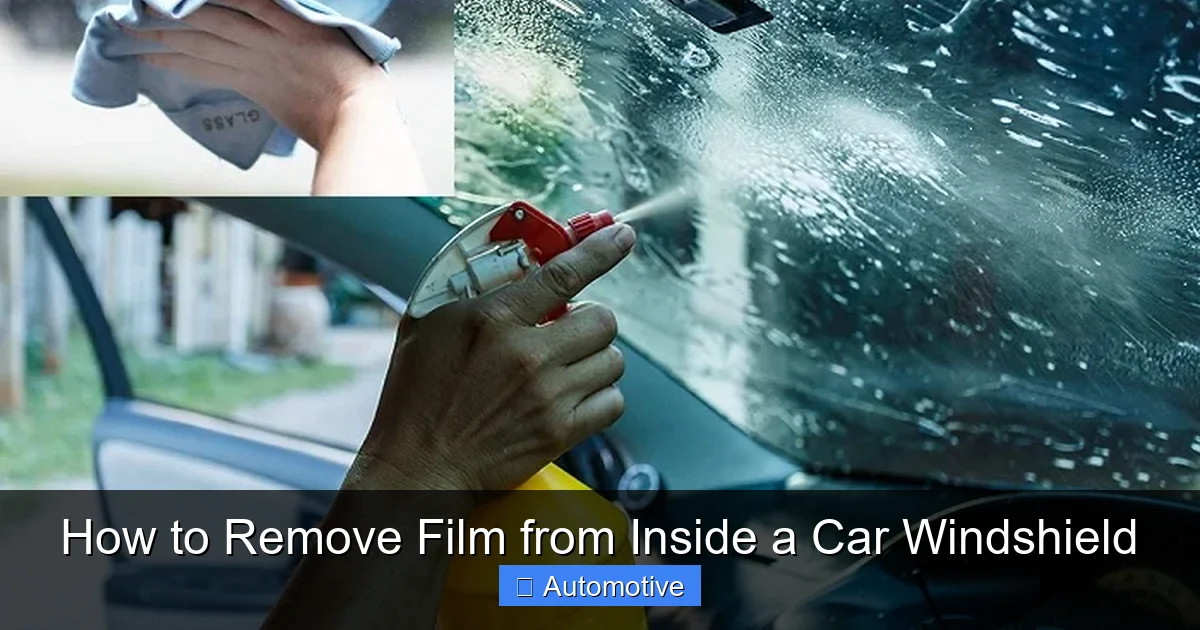
Before you start peeling, it’s essential to gather the right tools and supplies. Having everything ready will save you time, reduce frustration, and help prevent damage to your vehicle. Here’s a list of what you’ll need for most film removal jobs:
Visual guide about How to Remove Film from Inside a Car Windshield
Image source: cararac.com
Basic Tools
- Heat source: A hair dryer or heat gun is crucial for softening the adhesive. A hair dryer is gentler and ideal for beginners, while a heat gun offers more power for stubborn films.
- Plastic scraper or razor blade: A plastic scraper is safer for most windshields, but a single-edge razor blade can be used carefully on bare glass. Avoid metal scrapers on coated or tinted glass.
- Spray bottle: Fill it with your chosen cleaning solution to keep the film moist during removal.
- Microfiber cloths: These are perfect for wiping away residue and cleaning the glass without scratching.
- Gloves and safety glasses: Protect your hands and eyes from chemicals and flying debris.
Cleaning Solutions
- Isopropyl alcohol (70% or higher): Effective at breaking down adhesive and evaporates quickly without leaving residue.
- Ammonia-based glass cleaner: Great for dissolving sticky residue, but avoid using it on tinted windows or dashboards, as it can damage surfaces.
- Commercial adhesive remover: Products like Goo Gone or 3M Adhesive Remover are formulated for safe use on automotive glass and interiors.
- Soap and water: A mild solution can help loosen film and clean the glass after removal.
Protective Gear
- Towels or plastic sheeting: Drape these over your dashboard, seats, and steering wheel to protect them from drips, debris, and chemicals.
- Drop cloth or old blanket: Place it on the floor to catch falling film pieces and make cleanup easier.
Having these items on hand ensures you’re prepared for any challenge that comes up during the removal process. It’s also a good idea to work in a well-ventilated area—preferably outdoors or in a garage with the door open—to avoid inhaling fumes from cleaning agents.
Step-by-Step Guide to Removing Film from Inside a Car Windshield
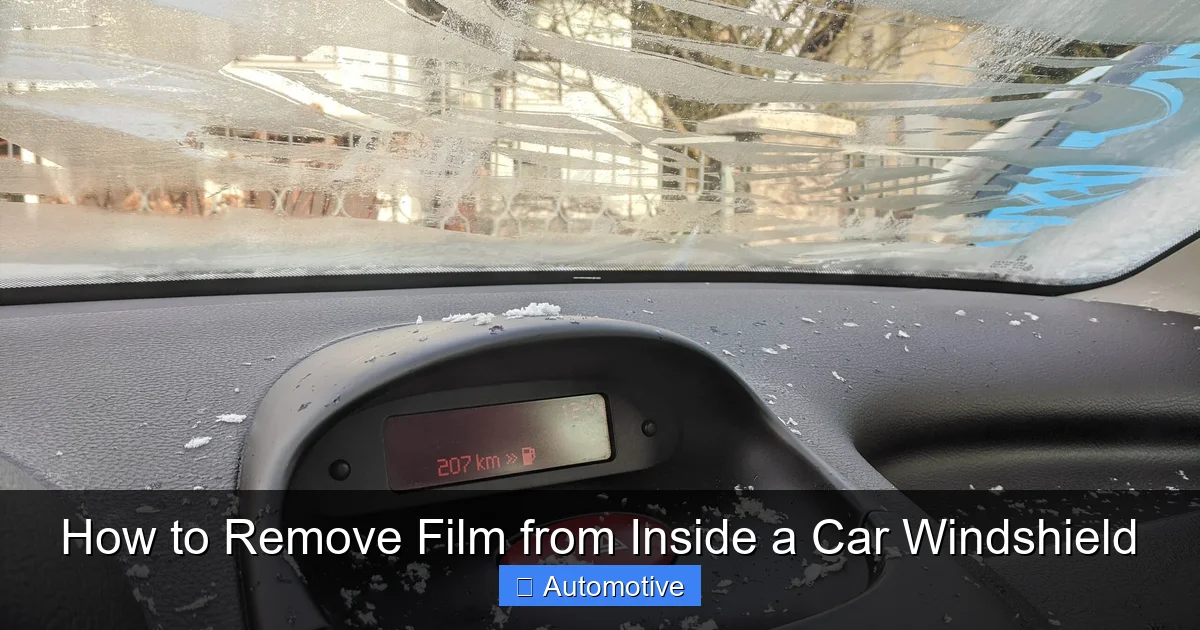
Now that you’ve got your tools ready, it’s time to get to work. Removing film from inside a car windshield doesn’t have to be a nightmare—if you follow a systematic approach. Below is a detailed, step-by-step method that works for most types of interior films, whether they’re tint, privacy film, or protective layers.
Visual guide about How to Remove Film from Inside a Car Windshield
Image source: justjeeps.com
Step 1: Prepare the Area
Start by parking your car in a shaded or cool area. Direct sunlight can cause cleaning solutions to dry too quickly, making removal harder. Open the doors and windows to improve airflow. Then, cover your dashboard, steering wheel, and front seats with towels or plastic sheeting. This protects your interior from accidental spills, scratches, or chemical damage.
Step 2: Loosen the Film with Heat
Turn on your hair dryer or heat gun and set it to a medium or high setting. Hold it about 6 to 8 inches away from the film and slowly move it back and forth over a small section—about 12 inches wide. The goal is to warm the adhesive underneath without overheating the glass. You’ll know it’s working when the film starts to bubble or lift slightly at the edges.
Be patient. It may take 30 seconds to a minute of heating for the adhesive to soften enough. Avoid holding the heat source in one spot for too long, as this can damage the glass or surrounding materials. If you’re using a heat gun, keep it moving and never exceed 300°F (150°C) to prevent cracking.
Step 3: Peel the Film
Once the film is warm and pliable, use your fingernail or a plastic scraper to lift a corner of the film. Gently pull it back at a 45-degree angle. If it starts to tear, stop and apply more heat. The key is to go slow and steady—rushing can leave behind strips of film or adhesive.
For larger sections, work in manageable pieces. Peel no more than 12 to 18 inches at a time. If the film is particularly stubborn, you can spray a little isopropyl alcohol or adhesive remover along the edge to help loosen it further.
Step 4: Remove Adhesive Residue
After the bulk of the film is off, you’ll likely notice a sticky, translucent layer left behind. This is the adhesive, and it needs to be removed for a clean finish. Spray your chosen cleaner—such as isopropyl alcohol or ammonia-based glass cleaner—onto the residue and let it sit for 30 to 60 seconds.
Then, use a plastic scraper or razor blade (on bare glass only) to gently scrape off the goo. Work in small circles or straight lines, applying light pressure. Wipe away the loosened residue with a microfiber cloth. Repeat this process until the glass is completely clean.
Step 5: Clean the Windshield
Once all the film and adhesive are gone, give the entire windshield a thorough cleaning. Spray a high-quality glass cleaner onto the surface and wipe it down with a clean microfiber cloth. Pay special attention to the edges and corners, where residue often hides.
For an extra shine, use a second dry cloth to buff the glass. This step not only improves visibility but also ensures no cleaning solution streaks are left behind. If you notice any stubborn spots, repeat the adhesive removal process on those areas.
Step 6: Inspect and Touch Up
Step back and inspect your work under good lighting. Look for any missed patches, streaks, or leftover film fragments. If you find any, address them immediately before they dry or harden. Once you’re satisfied, remove your protective coverings and vacuum up any debris from the floor.
This method works for most standard films, but keep in mind that some specialty films—like those with metalized layers or ceramic coatings—may require additional steps or professional help. When in doubt, test a small, inconspicuous area first.
Tips for Tough or Stubborn Film Removal
Not all film removals go smoothly. Sometimes, you’ll encounter films that refuse to budge, no matter how much heat or cleaner you apply. These situations require extra patience and a few advanced techniques. Here are some tips for handling the toughest cases.
Visual guide about How to Remove Film from Inside a Car Windshield
Image source: i.ytimg.com
Use a Steam Cleaner
If heat and solvents aren’t cutting it, consider using a handheld steam cleaner. The combination of high-temperature steam and moisture can penetrate deep into the adhesive, making it much easier to peel. Simply direct the steam at the film for 10 to 15 seconds, then try lifting it with a scraper. Be cautious not to overheat the glass, and always wear gloves to protect your hands from burns.
Apply a Soaking Solution
For extremely stubborn residue, try soaking the area. Mix equal parts warm water and white vinegar in a spray bottle, or use a commercial adhesive remover. Spray it generously over the sticky spots and cover them with plastic wrap. Let it sit for 15 to 30 minutes—this allows the solution to penetrate and break down the glue. Then, scrape and wipe as usual.
Try a Two-Person Approach
Some large or tightly bonded films are easier to remove with two people. One person can apply heat and hold the film taut, while the other peels it away smoothly. This teamwork reduces tearing and speeds up the process, especially on curved windshields.
Avoid Common Mistakes
One of the biggest mistakes people make is using excessive force. Scratching the glass with metal tools or pressing too hard with a scraper can cause permanent damage. Another error is using harsh chemicals like acetone or paint thinner, which can degrade rubber seals, dashboards, or interior trim. Stick to automotive-safe products and gentle techniques.
Also, don’t skip the cleaning step. Leaving behind even a thin layer of adhesive can interfere with future film installations or reduce visibility. Take the time to do it right the first time.
Safety Precautions and What to Avoid
While removing film from inside a car windshield is generally safe, there are some risks to be aware of. Taking proper precautions protects both you and your vehicle.
Protect Your Eyes and Skin
Always wear safety glasses and gloves when working with heat tools and chemicals. Splashes from adhesive removers or flying film shards can cause irritation or injury. If you’re using a heat gun, keep loose clothing and long hair tied back to avoid accidents.
Ventilate the Area
Many cleaning solutions release fumes that can be harmful in enclosed spaces. Work in a well-ventilated area, and avoid breathing in vapors directly. If you feel lightheaded or dizzy, step outside for fresh air immediately.
Avoid Damaging the Windshield
Modern windshields often have delicate coatings, sensors, or defroster lines embedded in the glass. Using a razor blade carelessly can scratch or disable these features. Always check your vehicle’s manual to understand what type of glass you have. When in doubt, use plastic tools and gentle pressure.
Don’t Rush the Process
Haste leads to mistakes. If a section isn’t coming off easily, don’t force it. Apply more heat, wait a few minutes, or try a different solvent. Rushing can result in torn film, broken glass, or damaged interior components.
Dispose of Materials Properly
Film scraps and chemical-soaked cloths should be disposed of safely. Place them in a sealed plastic bag and throw them in the trash. Never pour solvents down the drain or leave them where pets or children can access them.
When to Call a Professional
While DIY removal is possible for most films, there are times when it’s best to leave it to the experts. If your windshield has a factory-applied coating, embedded sensors (like lane departure or rain sensors), or acoustic interlayer, improper removal could damage these features and void your warranty.
Additionally, if the film is severely degraded, fused to the glass, or covers a large area with complex curves, a professional has the tools and experience to handle it safely. They also have access to industrial-grade steamers and solvents that make the job faster and more effective.
Finally, if you’re not confident in your ability to remove the film without causing damage, it’s worth the investment to hire a pro. The cost of professional removal is often less than the expense of repairing a scratched windshield or replacing damaged interior parts.
Maintaining a Clear Windshield After Removal
Once your windshield is film-free and sparkling clean, you’ll want to keep it that way. Regular maintenance helps prevent future buildup and ensures optimal visibility.
Clean Weekly
Wipe down your windshield with a glass cleaner and microfiber cloth at least once a week. This removes dust, grime, and road film that can accumulate and reduce clarity.
Use a Glass Sealant
Apply a hydrophobic glass sealant every few months. These products repel water, dirt, and oils, making it easier to keep your windshield clean and improving visibility in rain.
Inspect for Damage
Check your windshield regularly for chips, cracks, or scratches. Small issues can worsen over time, especially if moisture gets trapped underneath. Address them promptly to avoid costly repairs.
Consider Reapplying Film (If Needed)
If you removed the film for replacement, now is the time to install a new one. Choose a high-quality tint or protective film that meets your needs and local regulations. Professional installation ensures a bubble-free, long-lasting result.
By following these steps, you’ll enjoy a clear, safe, and well-maintained windshield for years to come.
Conclusion
Removing film from inside a car windshield might seem daunting at first, but with the right preparation, tools, and techniques, it’s a manageable task for most car owners. Whether you’re dealing with old tint, adhesive residue, or a protective layer, the key is to work slowly, use heat and solvents wisely, and protect your vehicle’s interior throughout the process.
Remember, patience pays off. Rushing can lead to torn film, stubborn glue, or even damage to your glass or dashboard. By following the step-by-step guide, using safe cleaning solutions, and knowing when to call a professional, you can restore your windshield to its original clarity and enjoy a safer, more comfortable driving experience.
So the next time you notice that hazy layer on your windshield, don’t panic—grab your tools, take a deep breath, and get to work. Your car (and your eyes) will thank you.
Frequently Asked Questions
Can I use a razor blade to remove film from my windshield?
Yes, but only on bare, uncoated glass. A single-edge razor blade can be effective for scraping off adhesive residue, but avoid using it on windshields with tinting, coatings, or sensors, as it can scratch or damage them.
Will removing film damage my windshield?
If done correctly, no. Using heat, gentle scraping, and safe solvents won’t harm standard glass. However, aggressive tools or harsh chemicals can scratch or weaken the windshield, so always proceed with care.
How long does it take to remove film from a windshield?
It typically takes 30 to 60 minutes for a standard sedan windshield, depending on the film type and adhesive strength. Larger vehicles or stubborn films may take longer.
Can I remove film in cold weather?
It’s possible, but colder temperatures make adhesives harder and less pliable. Use a heat gun or hair dryer to warm the film thoroughly, and work in small sections to maintain effectiveness.
What if the film tears while peeling?
Don’t panic. Stop pulling, apply more heat to the torn area, and let it soften for 30–60 seconds. Then, gently lift the edge again and continue peeling slowly.
Is it safe to use Goo Gone on a car windshield?
Yes, but use it sparingly and wipe it off completely with a clean cloth. Goo Gone is effective on adhesive residue, but avoid letting it drip onto rubber seals or interior surfaces, as it can cause damage over time.