
How Much Does It Cost to Fix an Overheating Car

An overheating car can lead to serious engine damage if ignored. Repair costs vary widely—from $100 for a thermostat to $3,000+ for a blown head gasket—but early diagnosis saves money. Understanding the cause is key to avoiding costly repairs.
Key Takeaways
- Costs range from $100 to $3,000+ depending on the root cause, with minor fixes like coolant leaks being affordable and major engine repairs being expensive.
- Common causes include low coolant, faulty thermostats, radiator issues, water pump failure, and head gasket problems. Identifying the issue early prevents further damage.
- DIY fixes can save money for simple problems like topping off coolant or replacing a radiator cap, but complex issues require professional help.
- Ignoring overheating can destroy your engine, turning a $200 repair into a $5,000 replacement.
- Regular maintenance reduces risk—check coolant levels, inspect hoses, and service the cooling system every 30,000 to 50,000 miles.
- Labor costs vary by location and shop, with dealerships typically charging more than independent mechanics.
- Preventive care is cheaper than repair—invest in routine checks to avoid emergency breakdowns and high bills.
📑 Table of Contents
How Much Does It Cost to Fix an Overheating Car?
You’re driving down the highway, the sun is beating down, and suddenly your temperature gauge spikes into the red. Your car starts to steam, and a warning light flashes on the dashboard. Your heart sinks—your car is overheating. It’s a stressful situation, and your first thought is probably: “How much is this going to cost me?”
The truth is, the cost to fix an overheating car can vary dramatically. On the low end, you might spend just $100 to replace a faulty thermostat. On the high end, a blown head gasket or warped engine block could set you back $3,000 or more. The final price depends on what’s causing the overheating, how quickly you address it, and whether you choose a DIY fix or professional repair. But one thing is certain: ignoring the problem will only make it worse—and more expensive.
In this guide, we’ll walk you through the most common causes of car overheating, typical repair costs, and practical tips to keep your engine cool and your wallet intact. Whether you’re a seasoned DIYer or someone who prefers to leave car repairs to the pros, this article will help you understand what’s happening under the hood and how to respond.
What Causes a Car to Overheat?
Before we dive into costs, it’s important to understand why cars overheat in the first place. Your engine generates a lot of heat—enough to melt metal if left unchecked. That’s why every car has a cooling system designed to keep temperatures in a safe range. When something goes wrong with that system, your engine can overheat quickly.
Visual guide about How Much Does It Cost to Fix an Overheating Car
Image source: images03.military.com
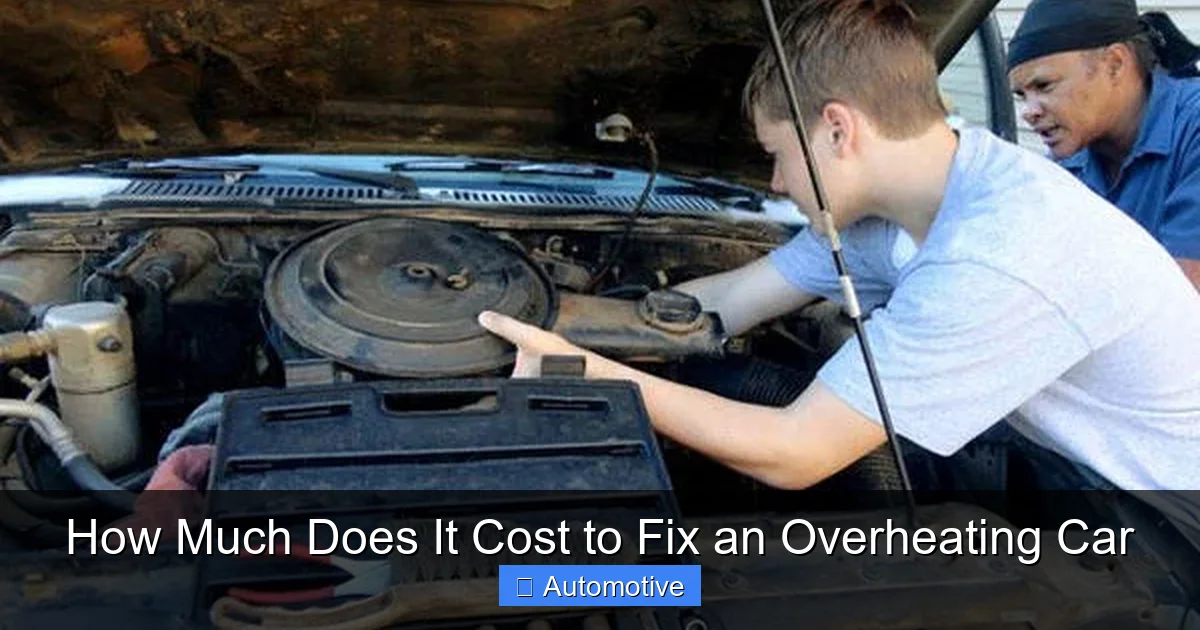
The cooling system includes several key components: the radiator, water pump, thermostat, coolant (also called antifreeze), hoses, and the radiator fan. If any of these parts fail or become blocked, heat can build up faster than it can be dissipated. Let’s look at the most common culprits.
Low Coolant Level
This is one of the simplest and most common causes. Coolant circulates through the engine and radiator to absorb and release heat. If the level drops—due to a leak, evaporation, or improper maintenance—there’s not enough fluid to cool the engine. A low coolant level might seem minor, but it can lead to rapid overheating, especially in hot weather or during long drives.
Faulty Thermostat
The thermostat acts like a gatekeeper. It opens and closes to regulate coolant flow based on engine temperature. If it gets stuck closed, coolant can’t reach the radiator, and the engine overheats. If it’s stuck open, the engine may take longer to warm up, but that’s usually less dangerous. A bad thermostat is a common issue, especially in older vehicles.
Radiator Problems
The radiator is where coolant releases heat to the air. If it’s clogged with dirt, debris, or internal corrosion, it can’t cool the fluid effectively. A damaged radiator—perhaps from a minor accident or rust—can also leak coolant. Radiator fans that don’t turn on due to a bad relay or motor can also cause overheating, especially at low speeds or idle.
Water Pump Failure
The water pump pushes coolant through the engine and radiator. If it fails—often due to a worn seal or broken impeller—coolant stops circulating. You might notice a whining noise or see coolant leaking from the pump’s weep hole. Water pump failure is serious and usually requires replacement.
Head Gasket Failure
This is one of the most severe causes. The head gasket seals the engine block and cylinder head. If it blows, combustion gases can enter the cooling system, causing overheating, white smoke from the exhaust, and milky oil. Head gasket failure often results from prolonged overheating, creating a vicious cycle. Repairing it is complex and expensive.
Cooling System Leaks
Leaks can occur anywhere in the system—hoses, radiator, water pump, heater core, or even the engine block. Even a small leak can lead to low coolant and overheating over time. Leaks are often caused by worn gaskets, cracked hoses, or corrosion.
Typical Repair Costs for Overheating Issues
Now that you know the common causes, let’s talk money. Repair costs depend on the part that’s failing, labor rates in your area, and whether you do the work yourself. Below is a breakdown of typical costs for the most common overheating fixes.
Visual guide about How Much Does It Cost to Fix an Overheating Car
Image source: 2carpros.com
Coolant Top-Off or Flush
If your car is overheating due to low coolant, simply adding more fluid might solve the problem—at least temporarily. Coolant costs about $10 to $25 per gallon. A full coolant flush, which removes old fluid and replaces it with fresh coolant, typically costs $75 to $150 at a shop. Doing it yourself can save labor costs, but you’ll need to dispose of the old coolant properly.
Thermostat Replacement
A new thermostat costs between $15 and $50 for the part. Labor adds another $50 to $150, depending on accessibility. In most cars, the thermostat is located near the engine and can be replaced in under an hour. Total cost: $100 to $200. This is one of the most affordable fixes for overheating.
Radiator Repair or Replacement
A radiator replacement is more involved. The part itself ranges from $100 to $400, depending on the vehicle. Labor can add $150 to $300. If the radiator is just clogged, a professional cleaning might cost $100 to $200. But if it’s leaking or damaged, replacement is usually necessary. Total cost: $250 to $700.
Water Pump Replacement
The water pump is a critical component, and replacing it requires draining the coolant, removing belts, and often disassembling parts of the engine. The pump costs $50 to $200. Labor is the bigger expense—$200 to $500—because it’s a time-consuming job. Total cost: $300 to $700.
Head Gasket Repair
This is the big one. A blown head gasket is a major repair. The part itself is only $50 to $150, but labor is extensive. The engine must be partially disassembled, the head machined or replaced, and everything reassembled. Labor can take 8 to 15 hours, costing $800 to $2,000. Total cost: $1,000 to $3,000 or more. In some cases, especially with older cars, it may be more cost-effective to replace the engine entirely.
Cooling System Leak Repair
Leak repairs vary widely. A simple hose replacement might cost $50 to $150. A radiator cap is only $10 to $20. But if the leak is in the heater core or engine block, costs can climb to $500 or more. Diagnosing the leak often requires a pressure test, which adds $50 to $100 to the bill.
Radiator Fan Repair
If the fan isn’t working, it could be a bad motor, relay, or fuse. A new fan motor costs $50 to $200. Labor to replace it is usually $100 to $200. If it’s just a blown fuse or faulty relay, the fix could be under $50. Total cost: $100 to $400.
DIY vs. Professional Repairs: What’s the Best Option?
One of the biggest factors in repair cost is whether you do the work yourself or hire a mechanic. DIY repairs can save you hundreds of dollars in labor, but they’re not always the best choice—especially for complex jobs.
Visual guide about How Much Does It Cost to Fix an Overheating Car
Image source: kernersvilleautocenter.com
When to DIY
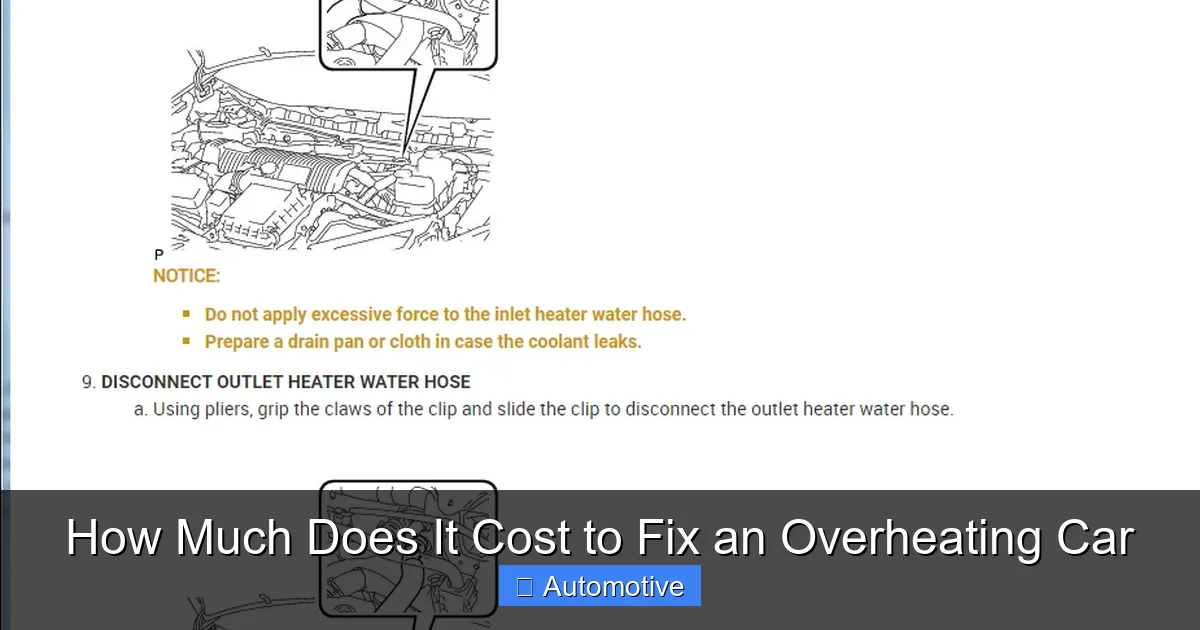
Simple tasks like checking coolant levels, replacing a radiator cap, or installing a new thermostat are great for DIYers with basic tools and some mechanical knowledge. These jobs require minimal disassembly and have low risk of causing further damage. For example, replacing a thermostat typically involves draining some coolant, removing a housing, swapping the part, and refilling. With a repair manual or online guide, many people can do it in an afternoon.
Coolant flushes are also DIY-friendly. You’ll need a drain pan, funnel, and new coolant, but the process is straightforward. Just be sure to follow your vehicle’s specifications for coolant type and mix ratio.
When to Call a Professional
More complex repairs—like water pump or head gasket replacement—should generally be left to professionals. These jobs require specialized tools, precise torque specifications, and experience to avoid mistakes. For example, if you overtighten a head bolt during a head gasket repair, you could crack the engine block. Similarly, improper coolant bleeding after a water pump replacement can lead to air pockets and overheating.
Additionally, modern cars have complex cooling systems with electronic controls, sensors, and integrated components. A mistake could trigger warning lights, damage the engine control unit (ECU), or void your warranty. If you’re unsure, it’s better to pay for professional diagnosis and repair.
Cost Comparison: DIY vs. Shop
Let’s say you need a new thermostat. The part costs $30. Doing it yourself might take 2 hours and cost nothing in labor. At a shop, labor could add $100, bringing the total to $130. That’s a $100 savings.
Now consider a water pump replacement. The part is $120. DIY might take 4–6 hours and require special tools. At a shop, labor is $300. If you’re confident and have the tools, DIY saves $300. But if you make a mistake, you could cause thousands in damage. The risk may not be worth the reward.
How to Prevent Overheating and Avoid Costly Repairs
The best way to deal with an overheating car is to never let it happen in the first place. Preventive maintenance is far cheaper than emergency repairs. Here’s how to keep your cooling system in top shape.
Check Coolant Regularly
Pop the hood and inspect the coolant reservoir every few weeks. The level should be between the “min” and “max” marks. If it’s low, top it off with the correct type of coolant (check your owner’s manual). Never open the radiator cap when the engine is hot—it’s under pressure and can cause serious burns.
Inspect Hoses and Belts
Look for cracks, bulges, or leaks in coolant hoses. Squeeze them—they should be firm but not brittle. Serpentine belts should be tight and free of fraying. Replace any damaged parts before they fail.
Service the Cooling System
Most manufacturers recommend a coolant flush every 30,000 to 50,000 miles. This removes rust, scale, and contaminants that can clog the system. It also refreshes corrosion inhibitors that protect metal parts. A flush is a small investment compared to a radiator replacement.
Watch for Warning Signs
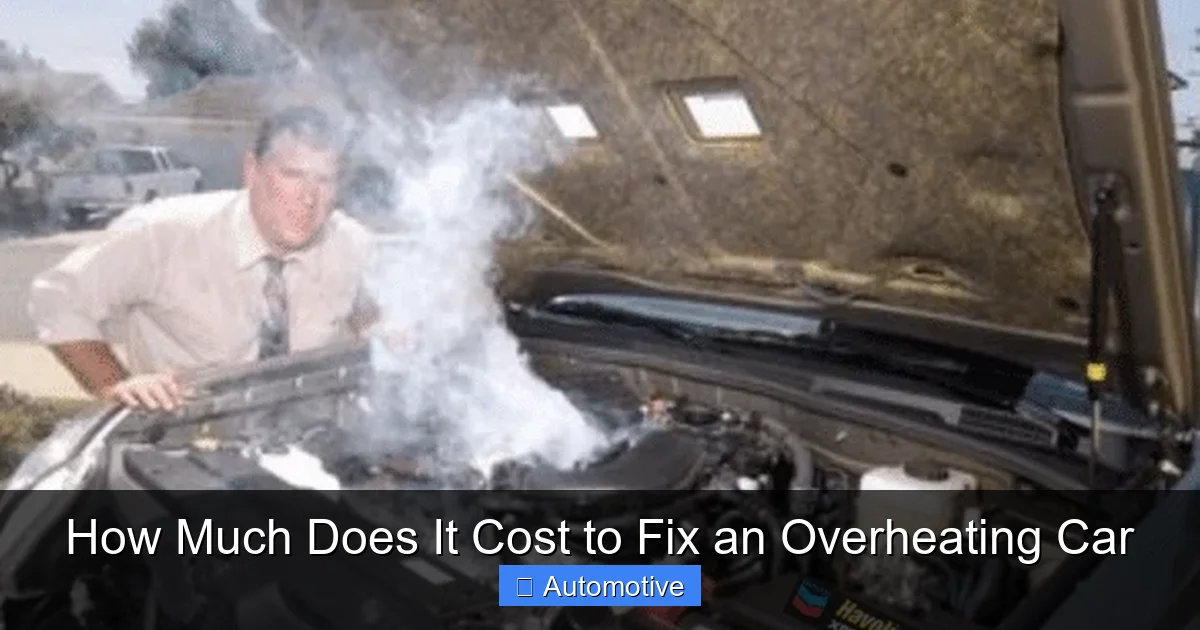
Don’t ignore early symptoms. If your temperature gauge rises above normal, you smell coolant, or see steam, pull over safely and turn off the engine. Continuing to drive can cause irreversible damage. Use a coolant additive or temporary sealant only as a short-term fix—get the problem diagnosed as soon as possible.
Keep the Radiator Clean
Dirt, bugs, and debris can block airflow through the radiator. Use a soft brush or compressed air to clean the fins gently. Avoid high-pressure washers, which can bend the delicate fins and reduce cooling efficiency.
Test the Thermostat
If your engine takes a long time to warm up or overheats quickly, the thermostat might be faulty. You can test it by placing it in a pot of water and heating it to see if it opens at the specified temperature (usually around 195°F). If not, replace it.
What to Do If Your Car Overheats
Even with the best care, overheating can still happen. Knowing how to respond can prevent further damage and reduce repair costs.
Pull Over Safely
As soon as you notice the temperature rising, turn off the air conditioning and turn on the heater to full blast. This draws heat away from the engine. Then, pull over to a safe location and turn off the engine. Do not open the hood immediately—wait 15 to 30 minutes for things to cool down.
Check Coolant Level
Once the engine is cool, check the coolant reservoir. If it’s low, add coolant or water (as a temporary measure). Never add cold coolant to a hot engine—it can cause thermal shock and crack the block.
Look for Leaks
Inspect under the car for puddles. Coolant is usually green, orange, or pink and has a sweet smell. If you see a leak, do not drive the car—it could overheat again and cause serious damage.
Call for Help
If you can’t identify the problem or fix it safely, call a tow truck. Driving an overheating car, even for a short distance, can warp the cylinder head or destroy the engine. It’s not worth the risk.
Get a Professional Diagnosis
Once the car is at a shop, ask for a full cooling system inspection. This may include a pressure test, thermostat check, and coolant analysis. A proper diagnosis ensures you’re fixing the real problem, not just a symptom.
Conclusion: Stay Cool and Save Money
An overheating car is more than an inconvenience—it’s a warning sign that something is wrong with your engine’s cooling system. The cost to fix an overheating car can range from a modest $100 for a thermostat to over $3,000 for a head gasket repair. But with early detection and regular maintenance, you can avoid the worst-case scenarios.
Start by learning the common causes: low coolant, faulty thermostats, radiator issues, water pump failure, and head gasket problems. Know the typical repair costs so you can budget accordingly. Decide whether a DIY fix makes sense or if it’s time to call a professional. And most importantly, don’t ignore the warning signs. A few minutes of attention today could save you thousands tomorrow.
Your car is a major investment. Treat it well, and it will keep you safe and reliable for years to come. Keep your engine cool, your coolant fresh, and your stress levels low. After all, the best repair is the one you never have to make.
Frequently Asked Questions
How much does it cost to fix an overheating car?
The cost to fix an overheating car ranges from $100 for simple fixes like a thermostat replacement to over $3,000 for major repairs like a blown head gasket. The final price depends on the cause, labor rates, and whether you do the work yourself.
Can I drive my car if it’s overheating?
No, you should not drive an overheating car. Continuing to drive can cause severe engine damage, including warped cylinder heads or a cracked engine block. Pull over safely, turn off the engine, and call for assistance.
What are the first signs of an overheating engine?
Common signs include the temperature gauge rising into the red zone, steam or smoke from under the hood, a sweet smell (coolant leak), or the check engine light coming on. Address these symptoms immediately.
How often should I check my coolant level?
Check your coolant level every few weeks, especially before long trips or in extreme weather. Also inspect it during routine oil changes or when you notice temperature fluctuations.
Can a bad thermostat cause overheating?
Yes, a faulty thermostat that gets stuck closed prevents coolant from flowing to the radiator, causing the engine to overheat quickly. Replacing it is usually inexpensive and straightforward.
Is it worth repairing a blown head gasket?
It depends on the car’s age, mileage, and overall condition. For newer or well-maintained vehicles, repair may be worthwhile. For older cars, the cost may exceed the vehicle’s value, making replacement or selling a better option.
