
Can a Dirty Air Filter Cause Your Car to Overheat?

Yes, a dirty air filter can indirectly cause your car to overheat by reducing engine efficiency and increasing heat buildup. While it doesn’t directly block coolant flow, a severely clogged filter forces the engine to work harder, raising temperatures and straining the cooling system.
Key Takeaways
- Indirect Overheating Risk: A dirty air filter doesn’t block coolant but reduces airflow to the engine, making it work harder and generate excess heat.
- Reduced Engine Efficiency: Restricted air intake lowers fuel combustion efficiency, leading to higher operating temperatures.
- Increased Load on Cooling System: As engine heat rises, the radiator, coolant, and fans must compensate, potentially leading to overheating if already compromised.
- Common Symptoms to Watch For: Poor acceleration, rough idling, reduced fuel economy, and dashboard warning lights can signal a clogged air filter.
- Regular Maintenance Prevents Issues: Replacing the air filter every 12,000–15,000 miles helps maintain optimal engine performance and temperature control.
- Check Other Cooling Components: If overheating occurs, inspect the thermostat, coolant levels, radiator, and water pump—not just the air filter.
- DIY Inspection Tips: You can easily check and replace most air filters at home with basic tools and minimal cost.
📑 Table of Contents
- Can a Dirty Air Filter Cause Your Car to Overheat?
- How a Dirty Air Filter Affects Engine Performance
- The Science Behind Engine Overheating
- Signs Your Air Filter Might Be Causing Overheating
- How to Inspect and Replace Your Air Filter
- Other Causes of Overheating to Rule Out
- Preventive Maintenance Tips to Avoid Overheating
- Conclusion
Can a Dirty Air Filter Cause Your Car to Overheat?
You’re cruising down the highway, enjoying the breeze through your open window, when suddenly you notice the temperature gauge creeping into the red zone. Your heart skips a beat. Is your car overheating? You pull over, pop the hood, and start scanning for clues. Could it be the coolant? The radiator? Or—could it possibly be something as simple as a dirty air filter?
It’s a question many drivers ask, especially when they’re trying to pinpoint the cause of engine trouble. The short answer is: yes, a dirty air filter can contribute to your car overheating—but not in the way you might think. It’s not a direct cause like a blown head gasket or a failed water pump. Instead, a clogged air filter creates a chain reaction that increases engine stress and heat output, eventually overwhelming the cooling system.
Understanding how your car’s engine breathes is key to grasping this connection. Your engine needs a precise balance of air and fuel to run efficiently. When the air filter is clogged with dirt, dust, and debris, it restricts airflow into the combustion chamber. This imbalance forces the engine to work harder, burns more fuel, and generates excess heat. Over time, this added strain can push your cooling system beyond its limits—especially if other components are already worn or low on coolant.
So while a dirty air filter won’t cause your radiator to leak or your thermostat to fail, it can absolutely be the straw that breaks the camel’s back. In this article, we’ll dive deep into how air filters affect engine performance, explore the science behind overheating, and give you practical tips to keep your car running cool and smooth.
How a Dirty Air Filter Affects Engine Performance
Visual guide about Can a Dirty Air Filter Cause Your Car to Overheat?
Image source: mechanicsdepot.ca
Your car’s engine is essentially a giant air pump. It sucks in air, mixes it with fuel, and ignites the mixture to create power. This process, known as combustion, depends heavily on the right air-to-fuel ratio—typically around 14.7 parts air to 1 part fuel for gasoline engines. When that balance is disrupted, everything from fuel efficiency to engine temperature can suffer.
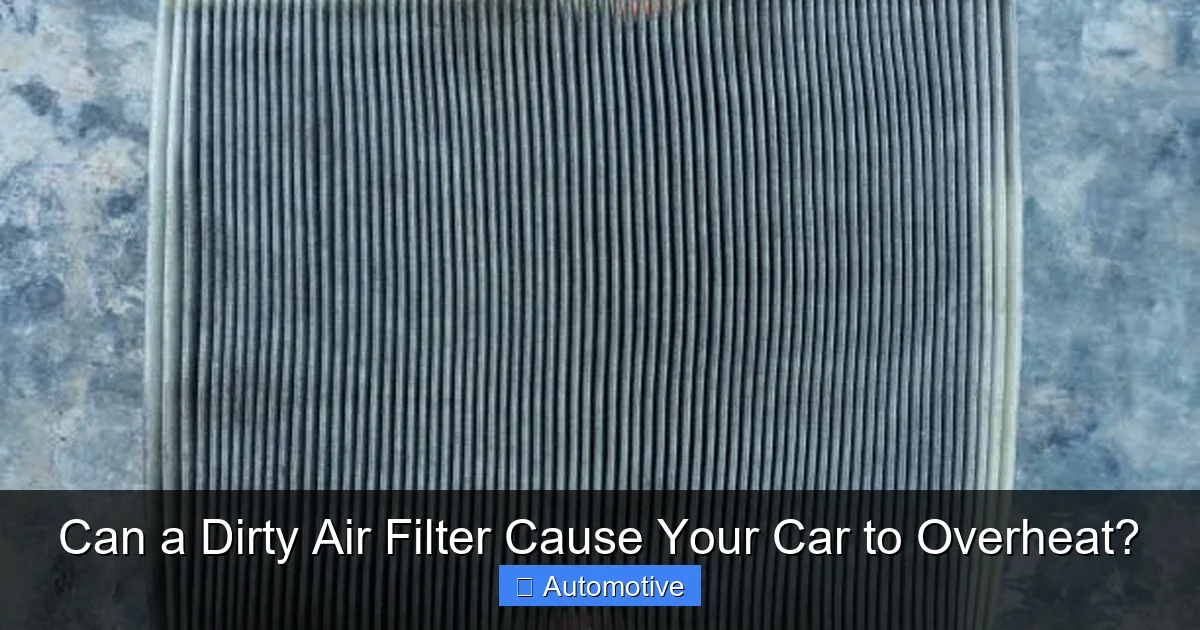
A clean air filter ensures that the engine receives a steady, unrestricted flow of clean air. But over time, the filter collects dirt, leaves, bugs, and other debris from the road. As it becomes clogged, less air can pass through. The engine control unit (ECU) detects this reduced airflow and compensates by injecting more fuel to maintain power. This results in a richer fuel mixture—more fuel, less air—which burns hotter and less efficiently.
Imagine trying to breathe through a straw while running uphill. That’s what your engine experiences with a dirty air filter. It’s working harder just to get the oxygen it needs. This increased workload generates more internal heat. Combustion temperatures rise, and the engine components—like pistons, valves, and cylinder heads—absorb and radiate that heat.
Now, your car’s cooling system is designed to manage this heat. It uses coolant, a radiator, a water pump, and fans to keep temperatures in check. But when the engine is producing more heat than usual due to poor combustion, the cooling system has to work overtime. If it’s already dealing with low coolant levels, a weak thermostat, or a clogged radiator, it may not be able to keep up.
For example, let’s say you’re driving in stop-and-go traffic on a hot summer day. The engine is already under stress from frequent acceleration and idling. If your air filter is clogged, the engine is burning hotter than normal. The radiator fan kicks on, but it’s not enough. The coolant can’t dissipate heat fast enough, and the temperature begins to climb. Before you know it, the dashboard warning light flashes, and you’re pulling over to avoid serious damage.
The Science Behind Engine Overheating

Visual guide about Can a Dirty Air Filter Cause Your Car to Overheat?
Image source: cdn.homecontractors.com
To fully understand how a dirty air filter can lead to overheating, it helps to know a bit about how engines generate and manage heat. Internal combustion engines convert fuel into energy through controlled explosions inside the cylinders. These explosions produce intense heat—often exceeding 2,000 degrees Fahrenheit (1,093°C)—in a confined space. Without proper cooling, metal components would warp, seize, or even melt.
That’s where the cooling system comes in. It circulates a mixture of water and antifreeze (coolant) through the engine block and cylinder head, absorbing heat. The hot coolant then flows to the radiator, where it releases heat to the outside air. A fan helps pull air through the radiator, especially when the car is idling or moving slowly. The cooled coolant then returns to the engine to repeat the cycle.
This system is remarkably efficient—when it’s working properly. But it has limits. The radiator can only dissipate so much heat, and the coolant can only absorb so much before it boils. Most modern cars are designed to operate between 195°F and 220°F (90°C–104°C). If temperatures rise above this range, the engine is considered to be overheating.
Now, back to the air filter. When airflow is restricted, combustion becomes less efficient. The engine runs hotter because:
- Incomplete combustion: Less oxygen means fuel doesn’t burn completely, leaving behind unburned particles and generating excess heat.
- Increased friction: A richer fuel mixture can leave carbon deposits on engine parts, increasing friction and heat.
- Higher RPMs under load: To maintain power, the engine may rev higher, producing more heat per minute.
Additionally, modern engines use sensors to monitor air intake. If the mass airflow (MAF) sensor detects reduced airflow due to a dirty filter, it may adjust fuel delivery or timing. These adjustments can further increase heat output or cause knocking (premature ignition), which also raises temperatures.
In extreme cases, prolonged overheating from a clogged air filter can lead to warped cylinder heads, blown head gaskets, or even engine seizure. These are serious, costly repairs that could have been avoided with a simple $10–$20 air filter replacement.
Signs Your Air Filter Might Be Causing Overheating
Visual guide about Can a Dirty Air Filter Cause Your Car to Overheat?
Image source: jalopnik.com
So how do you know if your dirty air filter is contributing to overheating? While the temperature gauge is the most obvious clue, there are several warning signs that point to a clogged air filter as the root cause.
Reduced Fuel Efficiency
One of the earliest signs of a dirty air filter is a drop in gas mileage. If you notice you’re filling up more often than usual, it could be due to the engine burning more fuel to compensate for restricted airflow. This inefficiency also means more heat is being generated.
Rough Idling or Hesitation
When you start your car or come to a stop, does the engine feel shaky or uneven? Does it hesitate when you press the accelerator? These symptoms suggest the engine isn’t getting enough air, leading to poor combustion. The uneven power delivery can cause temperature fluctuations, especially in stop-and-go traffic.
Check Engine Light
A clogged air filter can trigger the check engine light, especially if it affects the MAF sensor readings. The ECU may detect a lean or rich condition and log a diagnostic trouble code (DTC). Common codes include P0171 (system too lean) or P0174 (bank 2 too lean), which often point to airflow issues.
Black Smoke from the Exhaust
If you see black smoke coming from your tailpipe, it’s a sign of a rich fuel mixture—too much fuel, not enough air. This is a direct result of a dirty air filter and can lead to higher exhaust gas temperatures, which further strain the cooling system.
Overheating in Traffic or at Idle
If your car overheats primarily when idling or in heavy traffic—but runs fine on the highway—it could be due to reduced airflow through the radiator. A dirty air filter exacerbates this by increasing engine heat, making it harder for the cooling system to keep up when the car isn’t moving fast enough to provide natural airflow.
Unusual Engine Noises
Knocking, pinging, or rattling sounds under the hood can indicate pre-ignition or detonation—both of which are more likely when combustion is inefficient. These conditions generate extra heat and can quickly lead to overheating if ignored.
If you notice any of these symptoms, it’s worth inspecting your air filter. It’s a quick and easy check that could save you from a breakdown.
How to Inspect and Replace Your Air Filter
The good news? Checking and replacing your air filter is one of the easiest and most cost-effective maintenance tasks you can do yourself. Most air filters are located in a black plastic box near the engine, connected to the intake manifold by a large hose.
Step-by-Step Inspection
- Turn off the engine and let it cool. Never work on a hot engine.
- Locate the air filter housing. It’s usually a rectangular or circular plastic box with clips or screws on top.
- Open the housing. Unclip or unscrew the lid to reveal the filter inside.
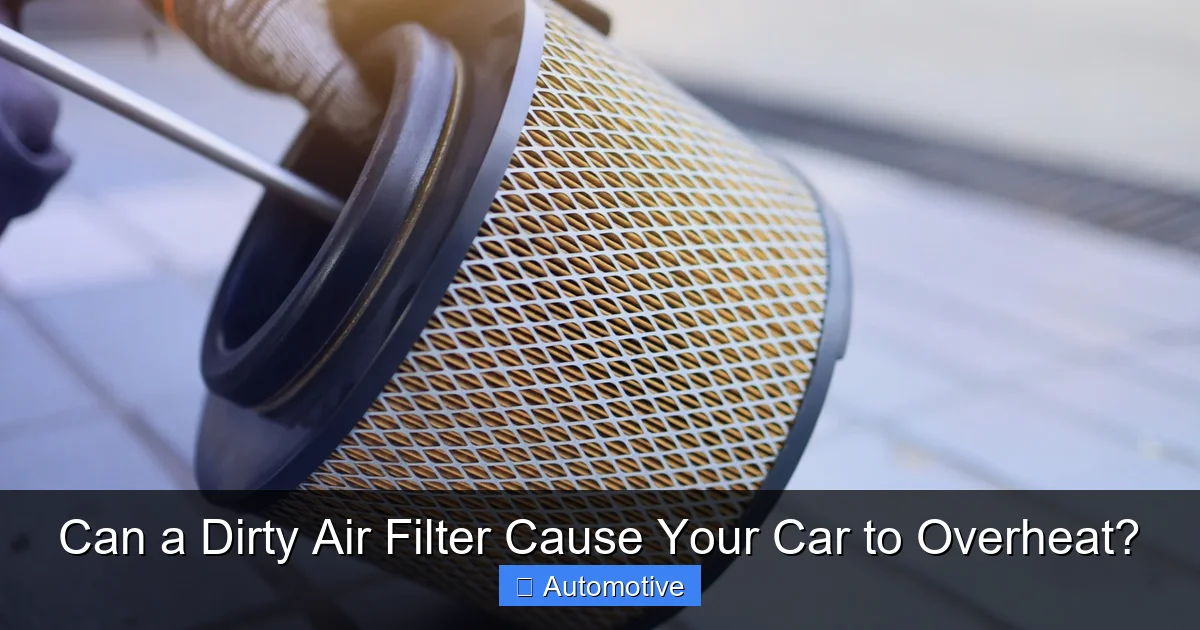
- Remove the filter and inspect it. Hold it up to a light. If you can’t see light through it, or if it’s covered in dirt and debris, it’s time for a replacement.
- Check for damage. Look for tears, holes, or warping. A damaged filter can allow dirt to enter the engine.
When to Replace
Most manufacturers recommend replacing the air filter every 12,000 to 15,000 miles, or once a year—whichever comes first. However, if you drive in dusty conditions, on dirt roads, or in heavy traffic, you may need to replace it more often. Some high-performance or off-road vehicles may require even more frequent changes.
DIY Replacement Tips
- Use the correct filter for your make and model. Check your owner’s manual or look up the part number online.
- Clean the air filter housing with a damp cloth before installing the new filter to remove any dirt or debris.
- Make sure the new filter is seated properly and the housing is securely closed to prevent unfiltered air from entering the engine.
- Reset the check engine light if it was triggered by airflow issues (you may need an OBD2 scanner for this).
Replacing a dirty air filter can improve fuel economy by up to 10%, restore engine power, and reduce the risk of overheating—especially when combined with regular coolant checks and radiator maintenance.
Other Causes of Overheating to Rule Out
While a dirty air filter can contribute to overheating, it’s rarely the sole cause. If your car is running hot, it’s important to check other components of the cooling system to avoid misdiagnosis.
Low Coolant Levels
Coolant is the lifeblood of your cooling system. If the reservoir is low, there isn’t enough fluid to absorb and transfer heat. Check the coolant level when the engine is cold and top it off if needed. Look for leaks under the car or white residue around hoses and the radiator.
Faulty Thermostat
The thermostat regulates coolant flow based on engine temperature. If it gets stuck closed, coolant can’t reach the radiator, causing rapid overheating. Symptoms include the engine heating up quickly and the upper radiator hose remaining cold.
Radiator Problems
A clogged or damaged radiator can’t dissipate heat effectively. Look for bent fins, leaks, or internal blockages. In older cars, sediment can build up inside the radiator, reducing efficiency.
Water Pump Failure
The water pump circulates coolant through the system. If it fails, coolant stops flowing, and the engine overheats fast. Signs include coolant leaks near the front of the engine, a whining noise, or steam from under the hood.
Cooling Fan Issues
Electric fans help pull air through the radiator when the car is idling or moving slowly. If a fan isn’t working, the engine can overheat in traffic. Check fuses, relays, and fan motors.
Head Gasket Failure
A blown head gasket can allow combustion gases to enter the cooling system, causing overheating and white smoke from the exhaust. This is a serious issue that requires immediate attention.
Always address overheating promptly. Continuing to drive with an overheated engine can cause irreversible damage.
Preventive Maintenance Tips to Avoid Overheating
The best way to prevent overheating—whether from a dirty air filter or another cause—is through regular maintenance. Here are some practical tips to keep your engine cool and running smoothly:
- Replace the air filter on schedule. Set a reminder every 12,000 miles or once a year.
- Check coolant levels monthly. Top off with the correct type of coolant if needed.
- Inspect hoses and belts. Look for cracks, leaks, or wear. Replace if necessary.
- Flush the cooling system every 30,000–50,000 miles. This removes rust, scale, and old coolant that can reduce efficiency.
- Keep the radiator clean. Use a garden hose to gently spray debris from the fins, especially after driving on dirt roads.
- Monitor the temperature gauge. Get familiar with your car’s normal operating range and act quickly if it rises.
- Use a quality air filter. Choose a reputable brand that offers good filtration without restricting airflow.
By staying proactive, you can avoid costly repairs and keep your car reliable for years to come.
Conclusion
So, can a dirty air filter cause your car to overheat? The answer is yes—but indirectly. While it doesn’t block coolant or damage the radiator, a clogged air filter forces your engine to work harder, burn hotter, and generate excess heat. This added strain can overwhelm the cooling system, especially if other components are already compromised.
Recognizing the signs—like poor fuel economy, rough idling, or black smoke—can help you catch the problem early. And the fix is simple: inspect and replace your air filter regularly. Combined with routine coolant checks and radiator maintenance, this small step can go a long way in preventing overheating and keeping your engine in top shape.
Don’t wait for the temperature light to come on. Take control of your car’s health today. A clean air filter isn’t just about performance—it’s about peace of mind on the road.
Frequently Asked Questions
Can a dirty air filter cause my car to overheat?
Yes, a dirty air filter can indirectly cause overheating by reducing airflow to the engine, making it work harder and generate excess heat. While it doesn’t block coolant, the added strain can overwhelm the cooling system.
How often should I replace my air filter?
Most experts recommend replacing the air filter every 12,000 to 15,000 miles or once a year. If you drive in dusty or high-traffic areas, consider checking it more frequently.
What are the symptoms of a clogged air filter?
Common signs include reduced fuel economy, rough idling, hesitation during acceleration, black smoke from the exhaust, and a check engine light. Overheating in traffic can also be a clue.
Can I clean my air filter instead of replacing it?
Some reusable filters can be cleaned, but most paper filters should be replaced. Cleaning a disposable filter can damage it and reduce effectiveness, so replacement is usually the best option.
Will a new air filter improve my car’s performance?
Yes, a clean air filter can restore engine power, improve fuel efficiency by up to 10%, and reduce emissions. It also helps maintain proper combustion and lower operating temperatures.
What else should I check if my car is overheating?
If your car overheats, inspect coolant levels, the thermostat, radiator, water pump, and cooling fans. A dirty air filter may contribute, but other issues are often the primary cause.
