
How Much Does It Cost to Replace a Car Windshield?

Replacing a car windshield typically costs between $200 and $600, but prices can go higher for luxury or advanced safety features. Factors like vehicle make, glass type, and whether your car has sensors or cameras affect the final price. Getting multiple quotes and understanding your options helps you make a smart, safe decision.
Key Takeaways
- Cost Range: Most windshield replacements cost $200–$600, with luxury or high-tech models exceeding $1,000.
- Vehicle Type Matters: Larger vehicles like SUVs and trucks often cost more due to larger or curved glass.
- OEM vs. Aftermarket Glass: OEM (original equipment manufacturer) glass is pricier but ensures perfect fit and function; aftermarket is cheaper but may vary in quality.
- Advanced Features Add Cost: Cars with rain sensors, lane departure warnings, or heads-up displays require recalibration, increasing labor costs.
- Insurance Can Help: Many comprehensive auto insurance policies cover windshield replacement with little or no deductible.
- Timing Is Important: Delaying replacement can lead to cracks spreading, making repairs impossible and increasing safety risks.
- Choose Certified Technicians: Always use certified auto glass professionals to ensure proper installation and safety compliance.
📑 Table of Contents
- How Much Does It Cost to Replace a Car Windshield?
- Average Windshield Replacement Costs
- OEM vs. Aftermarket Windshield Glass
- Advanced Features and Calibration Costs
- Insurance Coverage and Windshield Replacement
- Choosing the Right Auto Glass Shop
- DIY vs. Professional Windshield Replacement
- Conclusion
How Much Does It Cost to Replace a Car Windshield?
If you’ve ever watched a small chip in your windshield slowly turn into a long crack snaking across the glass, you know how quickly a minor issue can become a major headache. Suddenly, you’re not just thinking about visibility—you’re wondering, “How much does it cost to replace a car windshield?” The answer isn’t one-size-fits-all. From the make and model of your vehicle to the type of glass used and whether your car has advanced driver-assistance systems (ADAS), several factors influence the final price.
Windshield replacement is more than just swapping out glass. It’s a precision job that affects your safety, your car’s structural integrity, and even your insurance premiums. A poorly installed windshield can fail in a crash, leak water, or cause sensors to malfunction. That’s why understanding the cost breakdown—and what you’re paying for—is essential. In this guide, we’ll walk you through everything you need to know about windshield replacement costs, from average prices to hidden fees, and how to make the best choice for your car and budget.
Whether you drive a compact sedan or a high-end SUV, this article will help you navigate the process with confidence. We’ll explore why prices vary, what to look for in a repair shop, and how to use insurance to your advantage. By the end, you’ll know exactly how much it costs to replace a car windshield—and how to get the best value without cutting corners on safety.
Average Windshield Replacement Costs
Visual guide about How Much Does It Cost to Replace a Car Windshield?
Image source: fastglassinc.com
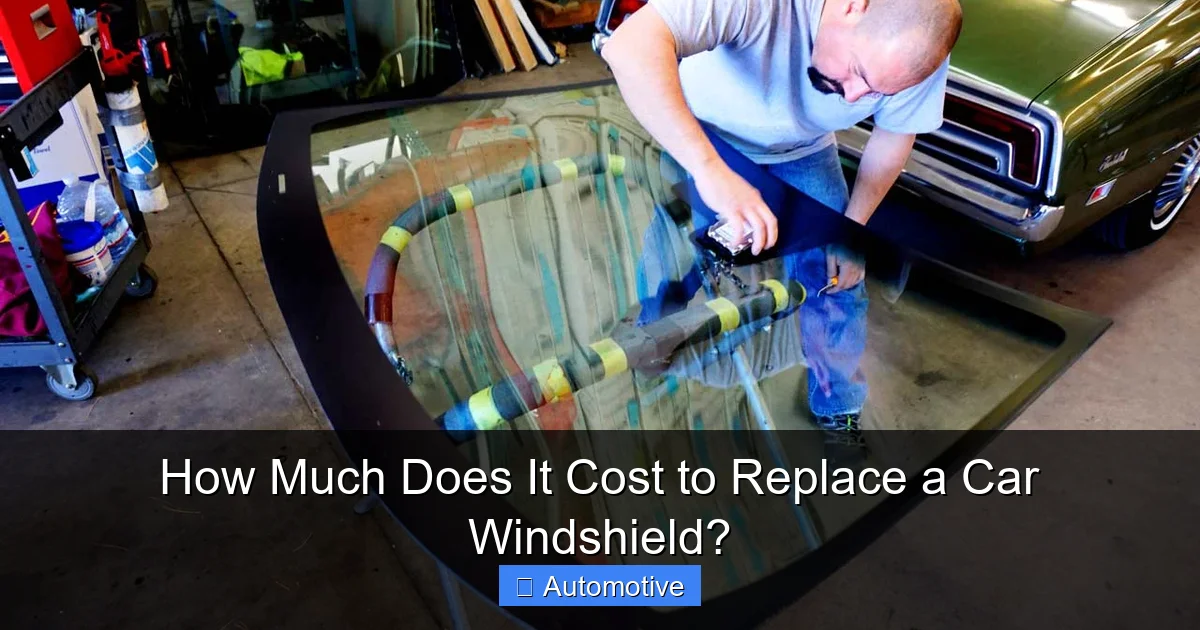
So, how much does it cost to replace a car windshield on average? Most drivers can expect to pay between $200 and $600 for a standard replacement. This range covers the majority of vehicles on the road today, including popular models like the Honda Civic, Toyota Camry, and Ford F-150. However, this is just a starting point. The actual cost can be lower or significantly higher depending on your specific situation.
For basic sedans and compact cars, prices often fall on the lower end—around $200 to $350. These vehicles typically use standard glass without advanced features, making the replacement process straightforward and less labor-intensive. On the other hand, larger vehicles like SUVs, minivans, and trucks usually cost more, ranging from $350 to $600 or more. This is because their windshields are bigger, heavier, and sometimes curved, requiring more material and careful handling.
Luxury and high-end vehicles—such as BMW, Mercedes-Benz, Audi, or Tesla—can push costs well above $1,000. These cars often use specialized glass with built-in sensors, heating elements, or acoustic insulation. For example, replacing a windshield on a Tesla Model 3 might cost $800 to $1,200 due to the complexity of its ADAS systems and the need for precise calibration after installation.
Factors That Influence the Price
Several key factors determine how much you’ll pay to replace your car windshield. Understanding these can help you anticipate costs and avoid surprises.
First, the **vehicle make and model** play a huge role. A windshield for a 2020 Honda Accord will cost less than one for a 2023 Range Rover. This isn’t just about brand prestige—it’s about design complexity, glass size, and integration with onboard technology.
Second, **glass type** matters. There are two main options: OEM (original equipment manufacturer) and aftermarket. OEM glass is made by the same company that supplied the original windshield for your car. It’s identical in quality, fit, and performance but comes at a premium—often 20% to 50% more than aftermarket alternatives. Aftermarket glass is produced by third-party manufacturers and can vary in quality. While many are reliable and meet safety standards, some may have slight fit issues or reduced durability.
Third, **labor costs** vary by location and shop. Urban areas with higher living costs typically charge more for auto glass services. A replacement in New York City might cost $100 more in labor than the same job in a rural town in Kansas. Additionally, shops with certified technicians and advanced equipment may charge more, but they also offer greater peace of mind.
Finally, **additional services** can increase the total cost. If your car has ADAS features like lane departure warning, adaptive cruise control, or automatic emergency braking, the windshield replacement will require recalibration. This process ensures that cameras and sensors mounted on the glass work correctly. Recalibration can add $100 to $300 to your bill, depending on the system’s complexity.
Hidden Costs to Watch For
While most reputable shops provide transparent pricing, some drivers encounter hidden fees. One common surprise is the **disposal fee** for the old windshield. Some shops include this in the quote, while others charge $10 to $25 extra. It’s a small amount, but it’s worth asking upfront.
Another potential cost is **trim or molding replacement**. Over time, the rubber seals and plastic trim around the windshield can wear out. If they’re damaged during removal, they may need to be replaced, adding $20 to $80 to the total.
Also, be cautious of **“mobile service” upcharges**. Many auto glass companies offer on-site replacements at your home or office, which is convenient but may cost $20 to $50 more than bringing your car to their shop. While the convenience is nice, it’s not always necessary unless you’re unable to drive.
Lastly, **rush jobs or emergency service** can come with a premium. If you need a same-day replacement due to a cracked windshield blocking your view, some shops may charge extra for expedited service. Planning ahead—when possible—can help you avoid these fees.
OEM vs. Aftermarket Windshield Glass
Visual guide about How Much Does It Cost to Replace a Car Windshield?
Image source: glass-production.s3.amazonaws.com
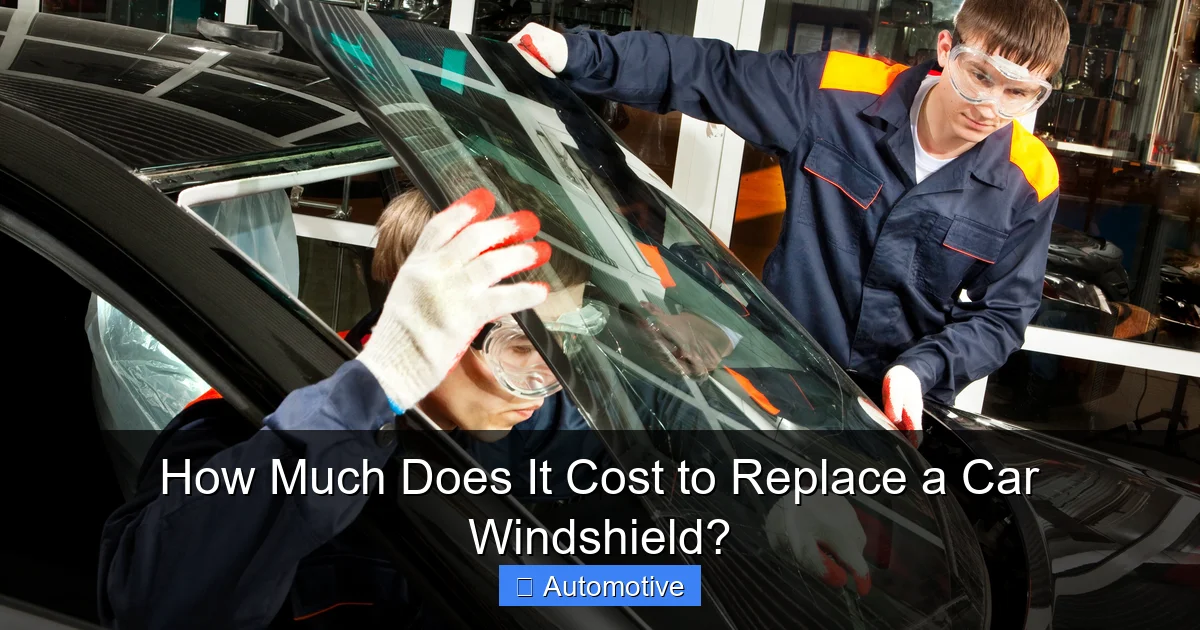
One of the biggest decisions you’ll make when replacing your windshield is choosing between OEM and aftermarket glass. Both have pros and cons, and the right choice depends on your budget, vehicle, and priorities.
What Is OEM Glass?
OEM stands for Original Equipment Manufacturer. This means the glass is made by the same company that supplied the original windshield for your car. For example, if your Toyota came with a windshield made by Pilkington, an OEM replacement will also be made by Pilkington to Toyota’s exact specifications.
OEM glass offers several advantages. First, it guarantees a perfect fit. Since it’s designed specifically for your vehicle, there’s no risk of gaps, leaks, or misalignment. Second, it maintains the original look and performance, including tint, thickness, and acoustic properties. Third, it’s often required for vehicles with ADAS systems, as OEM glass ensures sensors and cameras function correctly.
However, OEM glass comes with a higher price tag. On average, it costs 20% to 50% more than aftermarket options. For a mid-range sedan, this could mean paying $100 to $200 extra. For luxury vehicles, the difference can be even greater.
What Is Aftermarket Glass?
Aftermarket glass is produced by third-party manufacturers like Safelite, PGW, or Carlex. These companies make windshields that meet federal safety standards (FMVSS 205) and are designed to fit a wide range of vehicles. Many aftermarket options are high quality and perform just as well as OEM glass.
The main benefit of aftermarket glass is cost savings. It’s typically 20% to 40% cheaper than OEM, making it an attractive option for budget-conscious drivers. It’s also more widely available, so you may get faster service.
However, there are some trade-offs. Fit and finish can vary slightly between brands. Some aftermarket glass may have minor differences in thickness or curvature, which could affect how it seals or how sensors perform. While most modern aftermarket windshields are compatible with ADAS, not all are. Always confirm with the installer that the glass is certified for your vehicle’s safety systems.
Which Should You Choose?
For most drivers, aftermarket glass is a safe and cost-effective choice. If you drive a common vehicle without advanced features, aftermarket glass will likely serve you well. It’s also a good option if you’re paying out of pocket and want to save money.
However, if you drive a luxury car, a vehicle with complex ADAS, or you simply want the best possible fit and performance, OEM glass is worth the investment. It ensures compatibility, maintains resale value, and reduces the risk of installation issues.
Some insurance companies even require OEM glass for certain vehicles, especially newer models with integrated technology. Check your policy before making a decision.
Advanced Features and Calibration Costs

Visual guide about How Much Does It Cost to Replace a Car Windshield?
Image source: cdn7.slideserve.com
Modern cars are packed with technology, and much of it relies on sensors and cameras mounted on the windshield. Features like lane departure warning, automatic high beams, rain-sensing wipers, and forward collision warning all depend on clear, properly aligned glass. When you replace your windshield, these systems may need to be recalibrated—adding to the overall cost.
What Is ADAS Calibration?
ADAS stands for Advanced Driver-Assistance Systems. These are safety features that help prevent accidents and improve driving comfort. Many of them use cameras, radar, or sensors attached to the windshield. When the glass is removed and replaced, the alignment of these components can shift—even slightly—disrupting their accuracy.
Calibration is the process of resetting and aligning these systems so they work correctly. There are two types: static and dynamic.
– **Static calibration** is done in the shop using special targets and equipment. The car is parked in front of a calibrated pattern, and the system is adjusted using software. This usually takes 30 to 60 minutes and costs $100 to $200.
– **Dynamic calibration** requires driving the car on a predetermined route while the system learns and adjusts. This can take 20 to 40 minutes of driving and may cost $150 to $300, depending on the vehicle.
Which Cars Need Calibration?
Not every car requires calibration after a windshield replacement. Older vehicles without ADAS features can usually skip this step. However, most cars made after 2015—especially those with safety packages—have at least one camera or sensor on the windshield.
Common features that require calibration include:
– Lane departure warning
– Forward collision warning
– Automatic emergency braking
– Adaptive cruise control
– Traffic sign recognition
– Heads-up display
If your car has any of these, ask the installer whether calibration is needed. Skipping it can lead to malfunctioning safety systems, which is not only dangerous but may also cause your car to fail an inspection.
How Much Does Calibration Add to the Cost?
Calibration can add $100 to $300 to your windshield replacement bill. The exact amount depends on the number of systems, the type of calibration required, and the shop’s labor rates.
For example, a Honda Accord with lane departure warning and automatic high beams might need static calibration, adding about $120. A Tesla Model Y with multiple cameras and Autopilot features could require both static and dynamic calibration, pushing the cost closer to $300.
Some shops include calibration in their quote, while others charge it separately. Always ask for a detailed breakdown so you know what you’re paying for.
Insurance Coverage and Windshield Replacement
One of the best ways to reduce the cost of replacing your car windshield is through insurance. Many comprehensive auto insurance policies cover windshield damage with little or no deductible—especially if you have full coverage.
How Insurance Works for Windshield Replacement
Comprehensive insurance covers non-collision damage, including broken glass from rocks, debris, vandalism, or weather. Most insurers treat windshield replacement as a glass-only claim, which often doesn’t count toward your deductible.
For example, if you have a $500 deductible but your insurance has a $0 glass deductible, you can get your windshield replaced for free—minus any applicable service fees. This is a huge benefit, especially since windshield damage is common and often unavoidable.
Some insurers even offer **free windshield replacement** as part of their policy. Companies like Geico, State Farm, and Progressive often waive the deductible for glass claims, making it easy to get your windshield fixed without paying out of pocket.
Filing a Claim: What to Know
Filing a windshield claim is usually simple. Contact your insurance company or use their app to report the damage. They’ll connect you with a preferred repair shop or allow you to choose your own. Many insurers partner with national chains like Safelite, which can schedule mobile service at your convenience.
Keep in mind that filing a glass claim typically **won’t raise your premium**, since it’s not considered at-fault damage. However, if you’ve made multiple claims in a short period, your insurer may review your policy.
Also, be aware that some insurers require you to use their approved shops to get the full benefit. If you choose an independent shop, you may have to pay the difference if their quote is higher than the insurer’s estimate.
When to Use Insurance vs. Pay Out of Pocket
If your windshield damage is minor—like a small chip—you might consider paying for a repair instead of filing a claim. Most chips can be fixed for $50 to $100, and repairs don’t require calibration. This avoids using your insurance and keeps your claim history clean.
However, if the damage is large, in the driver’s line of sight, or spreading, replacement is the only safe option. In that case, using insurance is usually the smart move—especially if your deductible is low or waived.
Choosing the Right Auto Glass Shop
Not all windshield replacement services are created equal. Choosing the right shop can mean the difference between a safe, lasting repair and a costly mistake.
What to Look for in a Repair Shop
Start by checking for **certifications**. Look for shops that employ technicians certified by the Auto Glass Safety Council (AGSC) or the National Windshield Repair Association (NWRA). These certifications ensure the installer follows industry best practices and uses quality materials.
Next, read **customer reviews** on Google, Yelp, or the Better Business Bureau. Pay attention to comments about professionalism, timeliness, and whether the job was done correctly. A shop with consistent 4- or 5-star reviews is usually a safe bet.
Also, ask about **warranties**. Reputable shops offer a warranty on both parts and labor—typically one year or more. This covers issues like leaks, adhesive failure, or defects in the glass. If a shop doesn’t offer a warranty, it’s a red flag.
Mobile vs. In-Shop Service
Many auto glass companies offer mobile service, where a technician comes to your home or office to replace the windshield. This is convenient, especially if you can’t drive due to damage.
However, mobile service may not be ideal for vehicles with ADAS. Calibration often requires specialized equipment that’s only available in a shop. If your car needs recalibration, you may need to visit the shop anyway—making mobile service less useful.
In-shop service also allows for better quality control. The environment is controlled, and technicians have access to all necessary tools. For complex jobs, this is usually the better option.
Getting Multiple Quotes
Prices can vary significantly between shops, even in the same area. To get the best deal, get quotes from at least three different providers. Be sure to ask for a detailed breakdown that includes:
– Cost of glass (OEM or aftermarket)
– Labor charges
– Calibration fees (if needed)
– Disposal and environmental fees
– Warranty information
Avoid shops that give vague estimates or pressure you to decide immediately. A trustworthy installer will take time to explain your options and answer your questions.
DIY vs. Professional Windshield Replacement
With so many DIY videos online, you might wonder if you can replace your windshield yourself. While it’s technically possible, it’s not recommended—unless you’re a trained professional.
Why DIY Is Risky
Windshield replacement is a precision job that affects your car’s safety. The windshield contributes to the structural integrity of the vehicle, especially in rollover accidents. A poorly installed windshield can pop out during a crash, putting you and your passengers at risk.
Additionally, modern windshields require specialized tools, adhesives, and techniques. The adhesive must cure properly, which can take 24 hours or more. Driving too soon can cause the glass to shift or leak.
And if your car has ADAS, DIY replacement means no calibration—rendering safety features useless.
When Repair Is a Better Option
For small chips or cracks less than the size of a quarter, repair is often possible and much cheaper than replacement. Most auto glass shops offer repair services for $50 to $100. Repairs are quick, usually taking 20 to 30 minutes, and can prevent cracks from spreading.
However, if the damage is in the driver’s line of sight, larger than a dollar bill, or on the edge of the glass, replacement is the only safe option.
Conclusion
So, how much does it cost to replace a car windshield? The answer depends on your vehicle, the type of glass, and whether your car has advanced safety features. On average, expect to pay $200 to $600, with luxury or high-tech models costing $1,000 or more. While the price can be surprising, remember that this isn’t just a cosmetic fix—it’s a critical safety repair.
By understanding the factors that influence cost, choosing the right glass, and using insurance wisely, you can get a quality replacement without overspending. Always go with certified professionals, ask for detailed quotes, and never skip calibration if your car has ADAS.
Your windshield protects you every time you drive. Don’t cut corners when it comes to replacing it. Invest in safety, quality, and peace of mind—because when it comes to your car, there’s no substitute for doing it right the first time.
Frequently Asked Questions
Can I drive my car immediately after windshield replacement?
No, you should wait at least one hour before driving, and avoid high speeds or rough roads for 24 hours. This allows the adhesive to cure properly and ensures a secure seal.
Will my insurance premium increase if I file a windshield claim?
Typically, no. Windshield replacement is usually covered under comprehensive insurance and is not considered an at-fault claim, so it rarely affects your premium.
Can a cracked windshield be repaired instead of replaced?
Small chips and cracks (under the size of a quarter) can often be repaired. However, large, deep, or edge cracks usually require full replacement for safety.
How long does a windshield replacement take?
Most replacements take 1 to 2 hours, but you should allow 24 hours for the adhesive to fully cure before exposing the car to heavy rain or car washes.
Is aftermarket glass safe?
Yes, reputable aftermarket glass meets federal safety standards. Just ensure it’s certified and compatible with your vehicle’s ADAS features.
Do I need to recalibrate my car’s cameras after replacement?
If your car has ADAS features like lane departure warning or adaptive cruise control, yes—calibration is essential to ensure these systems work correctly.
