
How to Charge an Audi E-tron

Charging your Audi e-tron is simple, flexible, and designed for modern life. Whether you’re plugging in at home, using a public fast charger, or planning a long road trip, understanding your options ensures maximum convenience and battery health. This guide covers everything you need to know—from charging speeds to smart charging tips—so you can keep your e-tron ready to go.
Key Takeaways
- Home charging is the most convenient and cost-effective way to power your Audi e-tron. A Level 2 charger (240V) can fully recharge the battery overnight and is ideal for daily use.
- Public fast chargers (DC fast charging) can recharge your e-tron from 10% to 80% in about 30 minutes. These are perfect for road trips or when you’re away from home.
- The Audi e-tron supports both AC and DC charging. Use AC for home and slower public chargers, and DC for rapid top-ups on the go.
- Use the myAudi app to locate chargers, start sessions, and monitor charging progress remotely. It’s a powerful tool for managing your electric driving experience.
- Charging speed depends on battery state, temperature, and charger power. Avoid frequent 100% charges to prolong battery life.
- Plan long trips using route planners that include charging stops. Apps like A Better Routeplanner (ABRP) help optimize your journey.
- Regular maintenance and software updates improve charging efficiency. Keep your e-tron’s systems up to date for the best performance.
📑 Table of Contents
Introduction to Charging Your Audi e-tron
So, you’ve joined the electric revolution with an Audi e-tron—congratulations! You’re not just driving a luxury SUV; you’re embracing a smarter, cleaner way to move. But with great innovation comes a new routine: charging. Unlike filling up at a gas station, charging an electric vehicle (EV) is more like plugging in your phone—simple, habitual, and often done at home. Yet, many new e-tron owners still have questions: How fast can it charge? Where can I plug in? Is it safe? And how do I keep my battery healthy?
The good news? Charging your Audi e-tron is easier than you think. Whether you’re a daily commuter, weekend adventurer, or occasional road tripper, the e-tron is built to fit seamlessly into your lifestyle. With multiple charging options, smart technology, and a growing network of public stations, staying powered up is more convenient than ever. This guide will walk you through every step—from home setups to highway pit stops—so you can charge with confidence and get the most out of your electric Audi.
Understanding Your Audi e-tron’s Charging System
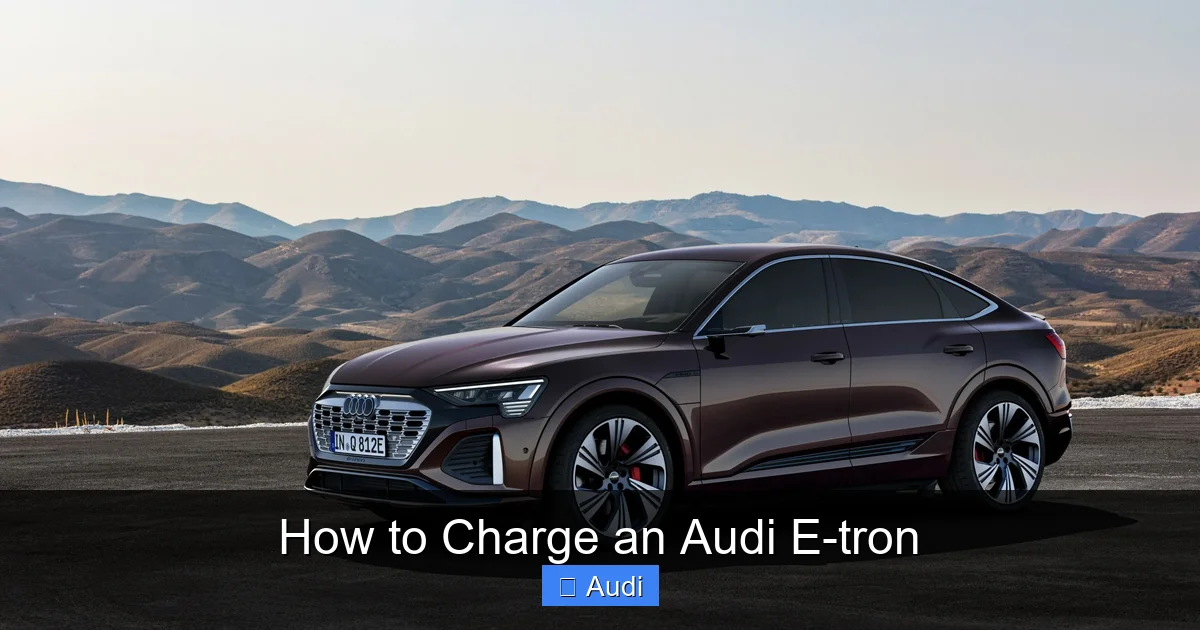
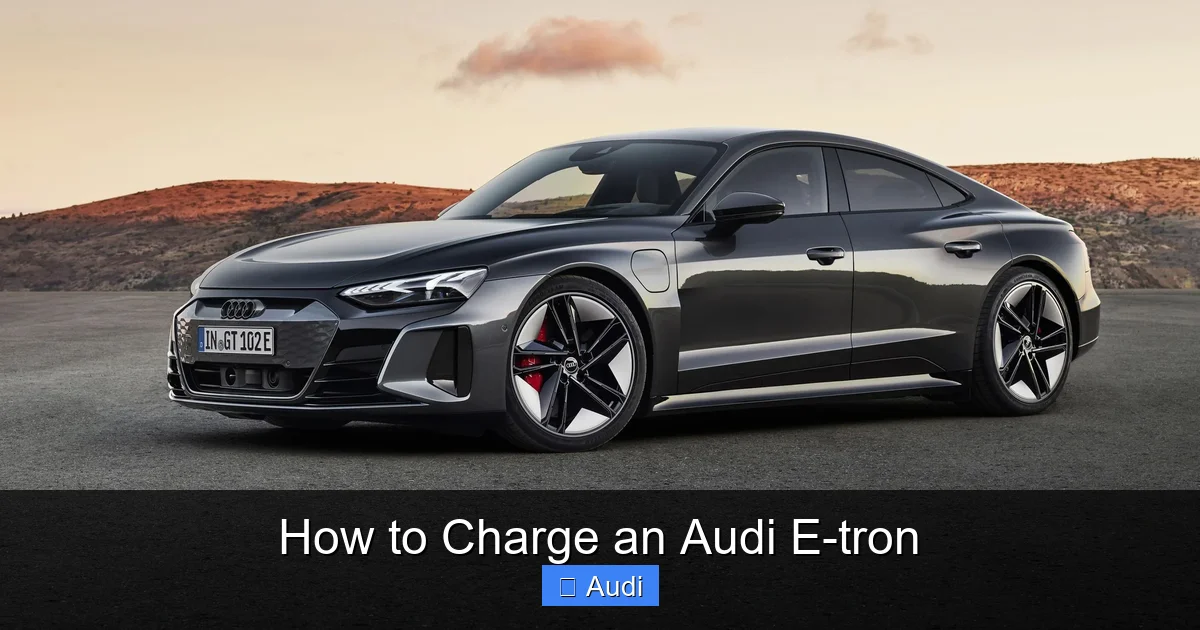
Before you plug in, it helps to understand how your Audi e-tron charges. The e-tron lineup—including the e-tron SUV, e-tron Sportback, and e-tron GT—uses advanced lithium-ion battery technology designed for efficiency, longevity, and performance. Depending on the model, battery capacities range from 86 to 95 kWh, offering real-world ranges between 200 and 250 miles on a full charge.
Visual guide about How to Charge an Audi E-tron
Image source: teslarati.com
AC vs. DC Charging: What’s the Difference?
There are two main types of charging: AC (Alternating Current) and DC (Direct Current). Most home chargers and slower public stations use AC, which the car’s onboard charger converts to DC to store in the battery. This process is safe and efficient but slower. DC fast chargers, on the other hand, deliver power directly to the battery, bypassing the onboard converter. This allows for much faster charging—ideal for quick top-ups during long drives.
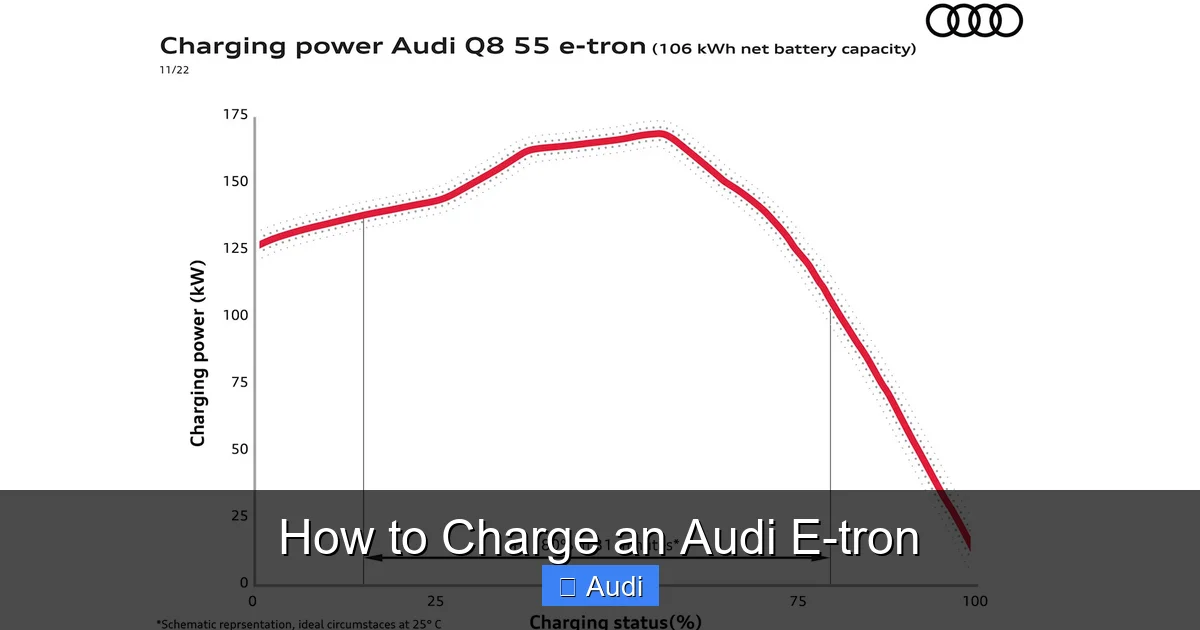
Your Audi e-tron supports both. At home, you’ll typically use AC charging via a Level 2 charger. On the road, DC fast chargers (like those from Electrify America or Ionity) can recharge your battery from 10% to 80% in roughly 30 minutes. However, charging slows down as the battery fills to protect its health, so the last 20% takes longer.
Onboard Charger and Maximum Charging Rates
The e-tron’s onboard charger determines how quickly it can accept AC power. Most models come with a 11 kW onboard charger, meaning they can add about 22–25 miles of range per hour when connected to a compatible Level 2 charger. Some higher-trim models or those with optional upgrades support 22 kW AC charging, doubling that speed—but only if the charging station supports it.
For DC fast charging, the e-tron can accept up to 150 kW, though actual speeds vary based on conditions. In ideal scenarios (battery around 20–50%, cool temperatures), you’ll see peak rates close to 150 kW. But as the battery fills or if it’s very hot or cold, the system automatically reduces power to prevent damage. This is normal and protects your battery in the long run.
Charging at Home: The Smartest Option
For most Audi e-tron owners, home charging is the backbone of their electric lifestyle. It’s convenient, cost-effective, and allows you to start each day with a full “tank.” Imagine waking up every morning with 200+ miles of range—no more gas station runs, no more fumes, just quiet, clean driving.
Visual guide about How to Charge an Audi E-tron
Image source: numerama.com
Choosing the Right Home Charger
To charge efficiently at home, you’ll need a Level 2 charger (also called an EVSE—Electric Vehicle Supply Equipment). These operate on 240 volts, similar to a dryer or oven outlet, and deliver significantly more power than a standard wall plug (Level 1).
A Level 1 charger (120V) can add about 2–3 miles of range per hour—fine for plugging in overnight if you drive very little, but impractical for daily use. A Level 2 charger, however, can add 20–25 miles per hour. That means an 8-hour overnight charge can replenish over 160 miles of range—more than enough for most drivers.
Popular home charger brands include ChargePoint Home, JuiceBox, and the Audi-approved Wallbox. Many come with smart features like Wi-Fi connectivity, scheduling, and energy monitoring. The myAudi app can even integrate with some models, letting you start or stop charging remotely.
Installation Tips and Safety
Installing a Level 2 charger requires a dedicated 240V circuit and should be done by a licensed electrician. Costs vary, but expect to pay $500–$1,200 for equipment and installation, depending on your home’s electrical setup. Some utility companies offer rebates or incentives for EV charger installation—check with your provider.
Safety is paramount. Always use a charger that’s certified (look for UL or ETL listing) and ensure your home’s electrical panel can handle the added load. Avoid using extension cords or adapters, as they can overheat. Most modern chargers include built-in safety features like ground fault protection and automatic shutoff.
Smart Charging and Cost Savings
One of the biggest advantages of home charging is the ability to take advantage of off-peak electricity rates. Many utilities offer lower rates overnight (e.g., 10 PM to 6 AM). By scheduling your e-tron to charge during these hours, you can cut your charging costs by 30–50%.
Use the myAudi app or your charger’s built-in timer to set charging schedules. For example, plug in at 8 PM, but set it to start at 11 PM when rates drop. This ensures your car is full by morning without paying peak prices. Some chargers also support solar integration, allowing you to charge with renewable energy if you have rooftop panels.
Public Charging: On-the-Go Power
While home charging covers most of your needs, public charging is essential for longer trips or when you’re away from home. The good news? The public charging network is expanding rapidly, with thousands of stations across the U.S. and Europe.
Visual guide about How to Charge an Audi E-tron
Image source: images.carexpert.com.au
Types of Public Chargers
Public chargers come in three main types:
- Level 2 (AC): Found at shopping centers, hotels, and workplaces. Adds 20–25 miles per hour. Great for topping up while you shop or work.
- DC Fast Chargers: Located along highways and major routes. Can recharge 10–80% in 30–40 minutes. Ideal for road trips.
- Ultra-Fast Chargers (350 kW): Still rare, but some newer networks support them. The e-tron can’t use the full 350 kW, but it will still charge faster than at 150 kW stations.
Major networks include Electrify America, EVgo, ChargePoint, and Ionity (popular in Europe). Many offer membership plans or pay-as-you-go options. Some require an app or RFID card to start a session.
Using the myAudi App to Find Chargers
The myAudi app is your best friend when it comes to public charging. It shows real-time charger locations, availability, pricing, and compatibility. You can filter by charger type, speed, and network. Once you find a station, the app can guide you there via GPS and even start the charging session remotely.
For example, if you’re driving from Los Angeles to San Francisco, open the app, search for “DC fast chargers,” and it will show you the nearest Electrify America stations along I-5. You can reserve a spot (where available), check pricing, and get notified when your car is ready to unplug.
Charging Etiquette and Tips
Public charging is a shared resource, so a little courtesy goes a long way. Always unplug promptly when your battery reaches 80%—this is when charging slows down, and others may be waiting. Avoid “ICEing” (blocking chargers with gas cars) and don’t leave your car plugged in longer than necessary.
Tip: Bring your own charging cable. While most DC fast chargers have tethered cables, Level 2 stations often require you to use your own. The e-tron comes with a portable charging cable, but consider upgrading to a longer or more durable one for convenience.
Road Trips and Long-Distance Charging
Planning a road trip in your Audi e-tron? With proper planning, it’s not only possible—it’s enjoyable. The key is knowing where to charge and how long it will take.
Route Planning Tools
Use apps like A Better Routeplanner (ABRP) or PlugShare to map your journey. These tools factor in your e-tron’s range, charging speeds, and real-time station data to suggest optimal stops. For example, ABRP might recommend charging at a Tesla Supercharger (if compatible via adapter) or an Electrify America station every 150 miles.
Input your starting battery level, destination, and preferred charging speed. The app will estimate total trip time, including charging stops. Most tools also show amenities nearby—perfect for stretching your legs or grabbing a coffee while you wait.
What to Expect at a Fast Charging Station
When you arrive at a DC fast charger, the process is simple:
- Park in the designated spot.
- Open the charging port (usually on the front fender or rear quarter panel).
- Plug in the charger—most have a CCS (Combined Charging System) connector, which the e-tron uses.
- Start the session via the station’s screen, app, or RFID card.
- Wait 20–40 minutes (depending on battery level).
- Unplug and go.
Charging speeds peak around 50% battery and taper off after 80%. So, it’s most efficient to charge from 10–80% and keep moving. Some stations offer loyalty discounts or free charging for the first 30 minutes—check the network’s terms.
Dealing with Range Anxiety
Range anxiety—the fear of running out of charge—is common among new EV drivers. But with the e-tron’s real-world range of 200+ miles and a growing charging network, it’s rarely an issue. Still, a few tips help:
- Always keep at least 20% charge when starting a long drive.
- Use regenerative braking to recapture energy—especially in stop-and-go traffic.
- Precondition the cabin while plugged in to reduce battery drain from heating or cooling.
- Drive efficiently: avoid rapid acceleration and high speeds, which reduce range.
Remember, most road trips involve breaks anyway. Charging stops double as rest stops—perfect for a snack, bathroom break, or quick stretch.
Maintaining Battery Health and Charging Efficiency
Your Audi e-tron’s battery is designed to last, but how you charge it affects its longevity. A few simple habits can keep it healthy for years.
Avoid Frequent 100% Charges
Lithium-ion batteries prefer partial charges. Charging to 100% regularly can stress the cells and reduce lifespan. For daily use, aim to charge to 80–90%. Only charge to 100% when you need maximum range—like before a long trip.
The myAudi app lets you set a charging limit. For example, set it to stop at 85% for daily driving. This small change can significantly extend battery life.
Mind the Temperature
Extreme heat or cold affects charging speed and battery health. In cold weather, the battery may take longer to charge and deliver less range. Preconditioning—warming the cabin and battery while plugged in—helps.
In hot climates, park in the shade or a garage when possible. High temperatures can degrade battery cells over time. The e-tron has a thermal management system to regulate temperature, but avoiding extreme conditions is still wise.
Keep Software Updated
Audi regularly releases software updates that improve charging efficiency, range estimation, and compatibility with new chargers. These updates are often delivered over-the-air (OTA) via the myAudi app or during service visits.
Check for updates monthly. Newer software might enable faster charging, better battery management, or improved navigation integration.
Conclusion: Charge Smart, Drive Confidently
Charging your Audi e-tron doesn’t have to be complicated. With the right setup at home, smart use of public chargers, and a little planning, you can enjoy all the benefits of electric driving without the stress. Whether you’re commuting to work, running errands, or exploring the open road, your e-tron is ready—when you are.
Remember, the goal isn’t just to charge—it’s to charge efficiently, sustainably, and in a way that protects your investment. Use home charging as your foundation, leverage public networks when needed, and always keep an eye on battery health. With these practices, your Audi e-tron will deliver smooth, silent, and powerful performance for years to come.
Frequently Asked Questions
How long does it take to fully charge an Audi e-tron?
Charging time depends on the method. At home with a Level 2 charger, it takes about 8–10 hours for a full charge. Using a DC fast charger, you can go from 10% to 80% in roughly 30 minutes. The last 20% takes longer to protect the battery.
Can I charge my Audi e-tron with a regular wall outlet?
Yes, but it’s slow. A standard 120V outlet (Level 1) adds only 2–3 miles of range per hour. It’s suitable for occasional use or very short commutes, but a Level 2 charger is recommended for daily driving.
Is it safe to charge my e-tron in the rain?
Yes, charging is safe in wet conditions. Both the car and charging equipment are designed to meet strict safety standards. The connectors are waterproof, and the system won’t allow current to flow unless the connection is secure.
What happens if I run out of charge while driving?
It’s rare, but if your battery reaches zero, the car will come to a stop. Audi offers roadside assistance, including towing to the nearest charger. To avoid this, always monitor your range and plan charging stops on long trips.
Can I use any charging station for my Audi e-tron?
Most public stations are compatible, especially those with CCS connectors. The e-tron uses the CCS standard in North America and Europe. Always check the connector type and network compatibility before plugging in.
Does fast charging damage the battery?
Occasional fast charging is safe and won’t harm the battery. However, frequent use of DC fast chargers—especially at high speeds—can contribute to long-term wear. For daily use, rely on home charging and save fast charging for trips.
