
Does Liability Insurance Cover My Car If I Hit Someone

Liability insurance covers damages and injuries you cause to others in an accident—but not your own vehicle or medical expenses. If you hit someone, your liability policy pays for their car repairs and medical bills up to your coverage limits. It does not fix your car or pay for your injuries, so understanding your policy is crucial.
Key Takeaways
- Liability insurance covers third-party damages: It pays for the other person’s vehicle repairs and medical expenses when you’re at fault.
- It does not cover your own car: Damage to your vehicle must be covered by collision or comprehensive insurance.
- Medical payments for you are excluded: Your health costs aren’t covered under liability—consider PIP or MedPay for that.
- State minimums may not be enough: Basic liability limits often fall short in serious accidents, leaving you personally liable.
- Uninsured motorist coverage helps if the other driver lacks insurance: This protects you when the at-fault party can’t pay.
- Always report accidents promptly: Delaying notification can jeopardize your claim and violate policy terms.
- Review your policy annually: Ensure your coverage matches your financial risk and driving habits.
📑 Table of Contents
- Does Liability Insurance Cover My Car If I Hit Someone?
- What Is Liability Insurance and How Does It Work?
- What Does Liability Insurance Cover When You Hit Someone?
- What Liability Insurance Does NOT Cover
- Real-Life Examples: How Liability Insurance Plays Out
- How to Ensure You’re Properly Protected
- Common Misconceptions About Liability Insurance
- What to Do If You Hit Someone
- Conclusion
Does Liability Insurance Cover My Car If I Hit Someone?
Picture this: You’re driving home from work, stopped at a red light. The driver behind you isn’t paying attention and rear-ends your car. No one is hurt, but both vehicles have noticeable damage. You exchange insurance information, and it turns out you’re not at fault. Great—so the other driver’s liability insurance should cover your repairs, right?
Now flip the scenario. This time, you’re the one who runs the red light and hits another car. The other driver is injured, and their vehicle is totaled. You feel terrible—and worried. Will your liability insurance cover the damage you caused? And what about your own car? These are common questions, and the answers are more nuanced than most drivers realize.
Liability insurance is a cornerstone of auto coverage in the United States. It’s required in nearly every state because it protects other people from the financial consequences of your driving mistakes. But here’s the catch: it doesn’t protect you. That’s why understanding exactly what liability insurance does—and doesn’t—cover is essential for every driver.
In this article, we’ll break down how liability insurance works when you hit someone, what expenses it covers, what it leaves out, and how you can better protect yourself on the road. Whether you’re a new driver or have been behind the wheel for decades, this guide will help you make smarter decisions about your auto insurance.
What Is Liability Insurance and How Does It Work?
Visual guide about Does Liability Insurance Cover My Car If I Hit Someone
Image source: ceolawyer.com
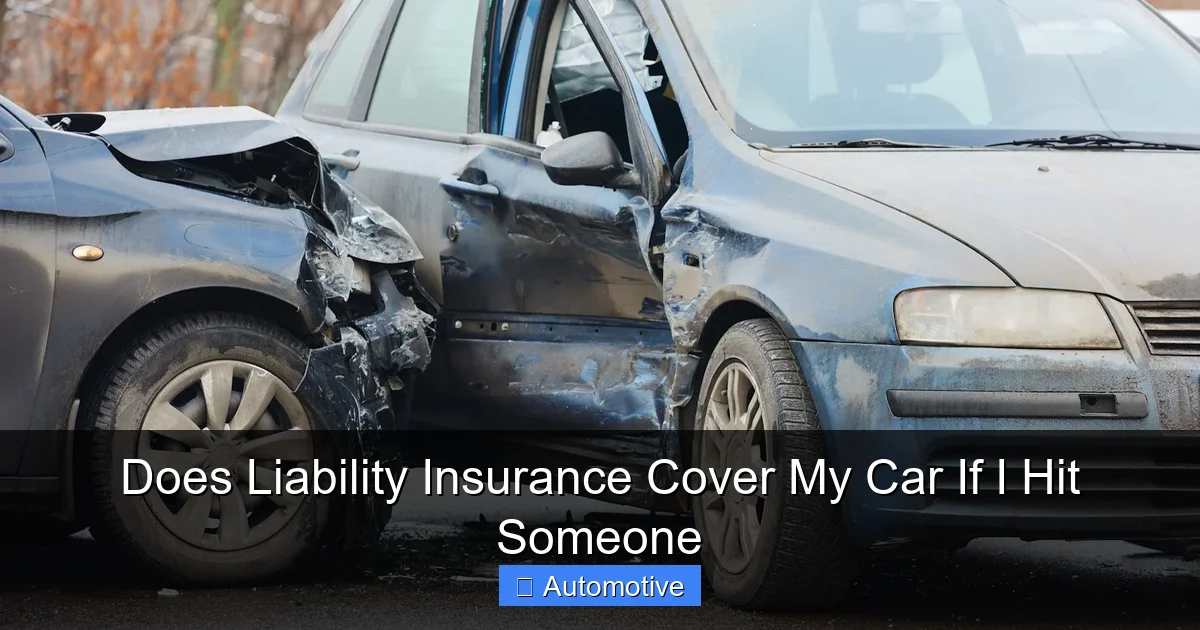
Liability insurance is a type of auto coverage that pays for damages and injuries you cause to other people in a car accident where you’re at fault. It’s split into two main parts: bodily injury liability and property damage liability.
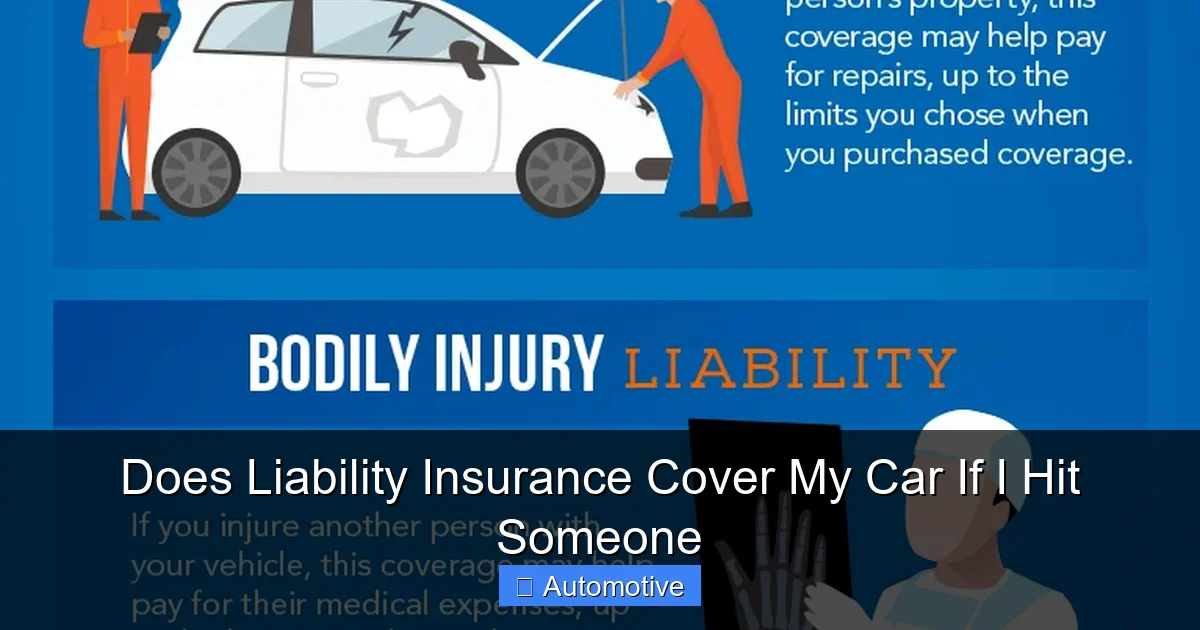
Bodily injury liability covers medical expenses, lost wages, pain and suffering, and other costs related to injuries sustained by others in the accident. Property damage liability covers the cost of repairing or replacing the other person’s vehicle or any other property you damage—like a fence, mailbox, or building.
For example, if you accidentally sideswipe another car and cause $15,000 in damage to their vehicle and $30,000 in medical bills for the driver, your liability insurance would step in to pay those costs—up to the limits of your policy.
Most states require drivers to carry a minimum amount of liability coverage. These minimums are usually expressed as three numbers, like 25/50/25. This means:
– $25,000 for bodily injury per person
– $50,000 for total bodily injury per accident
– $25,000 for property damage per accident
While these minimums satisfy legal requirements, they’re often far too low to cover serious accidents. A single night in the hospital can easily exceed $50,000, and high-end vehicles can cost over $100,000 to repair or replace. That’s why many financial advisors recommend carrying much higher limits—often 100/300/100 or more.
How Liability Insurance Is Triggered
Liability insurance only kicks in when you’re found at fault in an accident. Fault is typically determined by police reports, witness statements, and insurance investigations. Once your insurer confirms you’re responsible, they’ll use your liability coverage to pay the other party’s valid claims.
It’s important to note that liability insurance follows the driver, not just the car. So if you lend your car to a friend and they cause an accident, your liability policy would still cover the damages—assuming they had your permission to drive.
However, if you’re driving someone else’s car and cause an accident, their liability insurance would usually be primary, and yours would act as secondary coverage if needed.
The Difference Between Liability and Full Coverage
Many people confuse liability insurance with “full coverage,” but they’re not the same. Liability is just one part of a comprehensive auto insurance policy.
Full coverage typically includes:
– Liability insurance (bodily injury and property damage)
– Collision coverage (pays for damage to your car from accidents)
– Comprehensive coverage (covers non-collision events like theft, vandalism, or weather damage)
So while liability protects others, collision and comprehensive protect you and your vehicle. If you hit someone and damage your own car, only collision coverage will pay for your repairs—not liability.
This is a common point of confusion. Drivers often assume that because they have insurance, everything will be covered. But without collision coverage, you’re on the hook for fixing your own car, even if the accident was your fault.
What Does Liability Insurance Cover When You Hit Someone?
Visual guide about Does Liability Insurance Cover My Car If I Hit Someone
Image source: hmhvt.com
When you’re at fault in an accident, your liability insurance steps in to cover the other party’s losses. Here’s a detailed breakdown of what’s typically included.
Bodily Injury Liability: Covering Medical Costs
If the person you hit is injured, your bodily injury liability coverage pays for their medical expenses. This includes:
– Emergency room visits
– Hospital stays
– Surgeries
– Physical therapy
– Ambulance rides
– Lost wages due to injury
– Pain and suffering (in some cases)
For example, imagine you run a stop sign and collide with another vehicle. The other driver suffers a broken arm and requires surgery. Their medical bills total $40,000. If your bodily injury liability limit is $50,000 per person, your insurance will cover the full $40,000. But if their bills were $75,000 and your limit was only $50,000, you’d be personally responsible for the remaining $25,000.
This is why higher liability limits are so important. Medical costs can spiral quickly, and being underinsured can lead to lawsuits, wage garnishment, or even bankruptcy.
Property Damage Liability: Repairing the Other Vehicle
Property damage liability covers the cost of repairing or replacing the other person’s vehicle—or any other property you damage. This could include:
– The other car
– A motorcycle, bicycle, or scooter
– A fence, mailbox, or landscaping
– A building or utility pole
Let’s say you back into someone’s parked car in a parking lot, causing $8,000 in damage. If your property damage liability limit is $25,000, your insurance will cover the full repair cost. The other driver’s insurer will submit the claim to your company, and your insurer will pay the repair shop directly.
But if the damage exceeds your limit—say, $35,000 in repairs with only $25,000 in coverage—you’ll owe the difference out of pocket.
Legal Defense and Court Costs
Another often-overlooked benefit of liability insurance is that it covers legal defense costs if the other party sues you. This includes attorney fees, court costs, and settlements or judgments—up to your policy limits.
For instance, if the injured party hires a lawyer and wins a $100,000 judgment, but your liability limit is $50,000, your insurer will pay $50,000 and you’ll owe the remaining $50,000. However, your insurer will still cover the legal fees up to the policy limit.
This protection is invaluable. Legal battles can cost tens of thousands of dollars, even if you win. Without liability coverage, you’d have to pay those costs yourself.
What Liability Insurance Does NOT Cover
Visual guide about Does Liability Insurance Cover My Car If I Hit Someone
Image source: allstate.com
While liability insurance is essential, it has clear limits. Understanding what it doesn’t cover is just as important as knowing what it does.
Damage to Your Own Vehicle
This is the biggest misconception about liability insurance. It does not pay for repairs to your car—even if you’re at fault. If you hit someone and your bumper is smashed, your airbag deployed, or your frame is bent, you’ll need collision coverage to fix it.
For example, if you total your $20,000 sedan in an accident, liability insurance won’t help. Only collision coverage will reimburse you for the damage (minus your deductible). Without it, you’re paying out of pocket.
Your Medical Expenses
Liability insurance does not cover your injuries or medical bills. If you’re hurt in the accident, you’ll need other types of coverage, such as:
– Personal Injury Protection (PIP)
– Medical Payments (MedPay)
– Health insurance
PIP is required in no-fault states and covers medical expenses, lost wages, and sometimes even funeral costs—regardless of who caused the accident. MedPay is similar but more limited and available in most states.
Without these coverages, you’ll have to rely on your health insurance or pay medical bills yourself. And if you don’t have health insurance, the costs can be devastating.
Non-Collision Damage to Your Car
Liability insurance also doesn’t cover non-collision events like theft, vandalism, fire, or hail damage. For that, you need comprehensive coverage.
For instance, if your car is stolen and later found damaged, or if a tree falls on it during a storm, liability won’t help. Only comprehensive coverage will pay for repairs or replacement.
Punitive Damages
In rare cases involving gross negligence or intentional harm, courts may award punitive damages to punish the at-fault party. Most standard liability policies do not cover punitive damages, leaving you personally liable.
Damage Caused by Uninsured or Underinsured Drivers
If the other driver is at fault but has no insurance or insufficient coverage, your liability insurance won’t help you. That’s where uninsured/underinsured motorist (UM/UIM) coverage comes in. It protects you when the at-fault party can’t pay.
Without UM/UIM coverage, you could be stuck with repair bills and medical expenses—even though you weren’t at fault.
Real-Life Examples: How Liability Insurance Plays Out
Let’s look at a few real-world scenarios to see how liability insurance works in practice.
Example 1: Minor Fender Bender
You’re stopped at a traffic light when the car behind you rear-ends you. Both vehicles have minor bumper damage. The other driver admits fault.
In this case, their liability insurance covers your car repairs. Your insurance isn’t involved because you’re not at fault. If they have sufficient property damage liability, your repairs are fully covered.
But if you’re the one who rear-ended them, your liability insurance pays for their repairs. Your own car damage? That’s on you—unless you have collision coverage.
Example 2: Serious Accident with Injuries
You run a red light and collide with a sedan, causing the other driver to suffer a concussion and broken ribs. Their medical bills total $85,000, and their car is totaled at $30,000.
Your liability policy has limits of 100/300/100. Your insurer pays:
– $85,000 for the driver’s medical expenses (under bodily injury)
– $30,000 for the vehicle (under property damage)
Total: $115,000—all covered. You’re protected because your limits were high enough.
But if your limits were only 25/50/25, you’d owe $60,000 in medical bills and $5,000 in property damage—out of pocket.
Example 3: Hitting a Pedestrian
You accidentally hit a pedestrian crossing the street. They suffer a leg fracture and require surgery. Their medical costs are $60,000.
Your bodily injury liability covers the full amount—if your limit is high enough. But if your limit is $50,000, you’re on the hook for $10,000. And if they sue for pain and suffering, the costs could rise even higher.
This is why many drivers opt for umbrella policies—extra liability coverage that kicks in after your auto policy limits are exhausted.
How to Ensure You’re Properly Protected
Given the gaps in liability insurance, it’s smart to build a well-rounded auto insurance policy. Here’s how.
1. Increase Your Liability Limits
Don’t just carry the state minimum. Aim for at least 100/300/100, or higher if you have significant assets. This protects your savings, home, and future earnings from lawsuits.
2. Add Collision and Comprehensive Coverage
If you own a newer or valuable car, collision and comprehensive are worth the cost. They ensure your vehicle is protected, no matter who’s at fault.
3. Consider Uninsured/Underinsured Motorist Coverage
This coverage is often affordable and provides critical protection. In some states, it’s required. It pays for your injuries and car damage if the at-fault driver has no insurance or not enough.
4. Add Medical Payments or PIP
These cover your medical bills after an accident, regardless of fault. PIP also covers lost wages and other expenses.
5. Review Your Policy Annually
Life changes—new car, new job, new home. Review your insurance each year to ensure your coverage keeps up with your needs.
6. Consider an Umbrella Policy
If you have substantial assets, an umbrella policy adds extra liability protection—typically $1 million or more—on top of your auto and home insurance.
Common Misconceptions About Liability Insurance
Even experienced drivers get confused about liability insurance. Let’s clear up some myths.
Myth: “My insurance will cover everything.”
Reality: Only if you have the right coverages. Liability alone won’t fix your car or pay your medical bills.
Myth: “If I’m not at fault, I don’t need to file a claim.”
Reality: You should still report the accident to your insurer. They can help coordinate with the other party’s insurance and protect you from false claims.
Myth: “Liability insurance covers theft or vandalism.”
Reality: No—that’s comprehensive coverage.
Myth: “I can skip insurance if I’m a good driver.”
Reality: It’s illegal in most states, and one accident could wipe out your savings.
What to Do If You Hit Someone
If you’re involved in an accident, follow these steps to protect yourself and ensure your liability insurance works for you.
1. Stop and Check for Injuries
Never leave the scene. Check on everyone involved and call 911 if there are injuries.
2. Call the Police
Even for minor accidents, a police report creates an official record of fault and damages.
3. Exchange Information
Get the other driver’s name, contact info, insurance company, and policy number. Also collect witness names and phone numbers.
4. Document the Scene
Take photos of vehicle damage, skid marks, traffic signs, and injuries. This helps your insurer assess the claim.
5. Notify Your Insurance Company
Report the accident as soon as possible. Delaying can violate your policy and delay repairs or payments.
6. Don’t Admit Fault
Say you’re sorry if someone is hurt, but avoid statements like “It was my fault.” Let the insurance companies determine liability.
7. Follow Up on Repairs and Medical Care
Stay in touch with your insurer and the other party’s insurer to ensure claims are processed promptly.
Conclusion
So, does liability insurance cover your car if you hit someone? The short answer is no—it covers the other person’s car and injuries, not yours. Liability insurance is designed to protect others from your mistakes, not to protect you from the financial fallout of an accident.
That’s why it’s so important to go beyond the minimum requirements. By increasing your liability limits, adding collision and comprehensive coverage, and including uninsured motorist and medical payments protection, you create a safety net that shields both your finances and your peace of mind.
Accidents happen—even to the most careful drivers. But with the right insurance, you can face them with confidence, knowing you’re prepared for the unexpected. Take the time to review your policy today. Your future self will thank you.
Frequently Asked Questions
Does liability insurance cover my car if I hit someone?
No, liability insurance does not cover damage to your own vehicle. It only pays for the other person’s car repairs and medical expenses when you’re at fault. To cover your car, you need collision or comprehensive insurance.
Will liability insurance pay for my medical bills if I’m injured in an accident?
No, liability insurance does not cover your medical expenses. You’ll need Personal Injury Protection (PIP), Medical Payments (MedPay), or health insurance to cover your injuries.
What happens if the damage exceeds my liability limits?
If the other party’s damages exceed your liability limits, you’ll be personally responsible for the difference. This could lead to lawsuits, wage garnishment, or asset seizure.
Do I need collision coverage if I have liability insurance?
Yes, if you want your car repaired after an accident—especially if you’re at fault. Liability only covers the other person’s vehicle, not yours.
Can I be sued even if I have liability insurance?
Yes, if the other party’s damages exceed your policy limits, they can sue you for the remaining amount. Higher liability limits or an umbrella policy can help protect your assets.
What should I do immediately after hitting someone?
Stop safely, check for injuries, call 911 if needed, exchange insurance information, document the scene, and notify your insurer right away. Avoid admitting fault.
