
Does the Color of Your Car Affect Your Insurance Rate?

Contrary to popular belief, the color of your car does not directly affect your insurance rate. Insurance companies base premiums on risk factors like make, model, age, and driving history—not paint color. However, certain colors may indirectly influence safety and theft rates, which could play a minor role in long-term costs.
Key Takeaways
- Car color does not directly impact insurance premiums: Insurers do not charge more for red, black, or any other color based on paint alone.
- Vehicle make, model, and safety features matter most: High-performance or luxury vehicles typically cost more to insure regardless of color.
- Some colors may affect visibility and accident risk: Bright colors like white and yellow are more visible, potentially reducing accident likelihood.
- Theft rates can vary by color: Less common colors like bright red or custom wraps may attract attention and increase theft risk.
- Driving history and location are bigger factors: Your personal record and where you live have a far greater effect on your rate than car color.
- Color can influence resale value: Neutral colors like white, black, and silver tend to retain value better, which may affect total cost of ownership.
- Myths persist due to outdated stereotypes: The idea that red cars cost more to insure stems from old assumptions about speeding and risk-taking.
📑 Table of Contents
- Does the Color of Your Car Affect Your Insurance Rate?
- What Determines Your Car Insurance Rate?
- The Origins of the “Red Car Myth”
- Indirect Ways Color Might Influence Costs
- What Really Matters When Choosing a Car Color
- Common Misconceptions About Car Color and Insurance
- How to Lower Your Car Insurance Rate (Regardless of Color)
- Conclusion
Does the Color of Your Car Affect Your Insurance Rate?
You’ve probably heard it before: “Don’t buy a red car—it’ll cost more to insure!” Or maybe you’ve been warned that black cars are more likely to get into accidents. These kinds of sayings have been floating around for decades, often passed down like automotive folklore. But here’s the real question: is there any truth to them?
The short answer? No—your car’s color doesn’t directly affect your insurance rate. Insurance companies don’t look at whether your vehicle is cherry red, midnight blue, or neon green when calculating your premium. Instead, they focus on factors like the car’s make, model, year, engine size, safety features, and your personal driving history. Still, the myth persists, and for good reason. There are subtle, indirect ways that color might influence your overall driving experience and long-term costs—just not in the way most people think.
In this article, we’ll break down the facts, debunk the myths, and help you understand what really impacts your car insurance. Whether you’re shopping for a new vehicle or just curious about how insurers assess risk, this guide will give you the clarity you need. So, let’s dive in and separate fact from fiction when it comes to car color and insurance.
What Determines Your Car Insurance Rate?
Before we get into whether color plays a role, it’s important to understand what actually goes into calculating your insurance premium. Insurance companies use complex algorithms to assess risk—basically, how likely you are to file a claim. The higher the risk, the higher your rate. And while color might seem like a fun variable, it’s not one they officially track.
The Biggest Factors in Insurance Pricing
Here’s what insurers really care about:
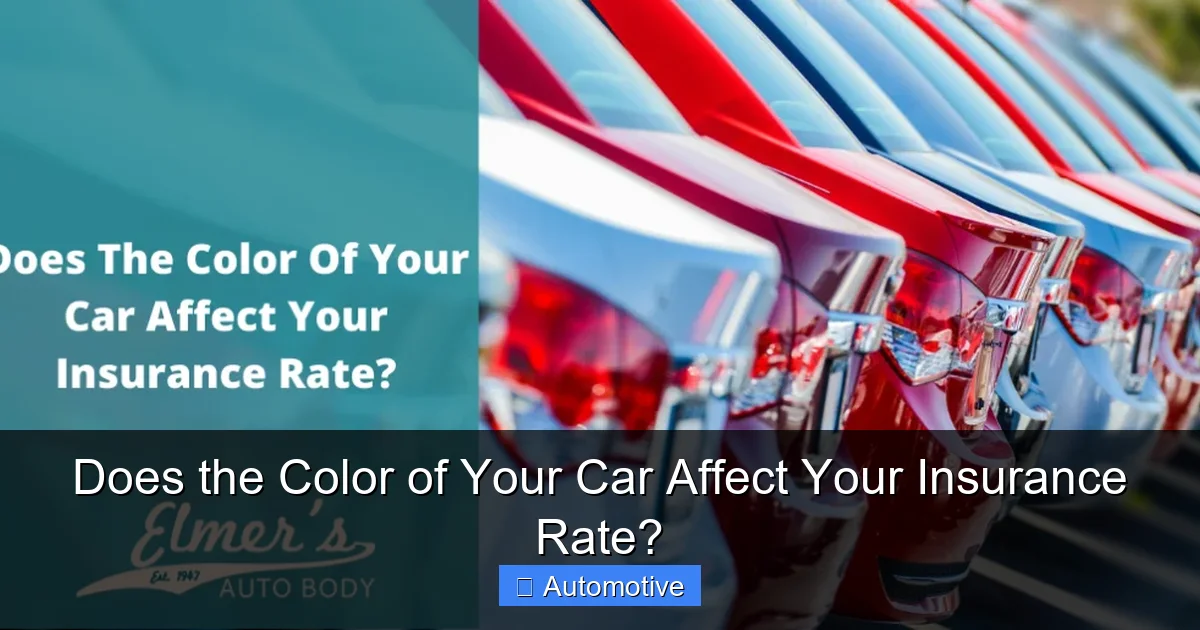
Visual guide about Does the Color of Your Car Affect Your Insurance Rate?
Image source: elmersautobody.com
- Vehicle Make and Model: Sports cars, luxury vehicles, and high-performance models are more expensive to repair or replace, so they cost more to insure. For example, a Ferrari will always cost more to insure than a Toyota Corolla—regardless of color.
- Age and Mileage: Newer cars with advanced safety features may qualify for discounts, while older models might be cheaper to insure but cost more in repairs.
- Driving History: Accidents, tickets, and DUIs significantly increase your rate. A clean record can save you hundreds per year.
- Location: Urban areas with higher traffic density and crime rates typically have higher premiums than rural areas.
- Credit Score (in most states): Insurers often use credit-based insurance scores to predict risk. Better credit usually means lower rates.
- Coverage Level: The more coverage you choose (comprehensive, collision, liability limits), the higher your premium.
Notice what’s missing? Paint color. Insurers don’t ask, “What color is your car?” during the quoting process because it’s not a reliable predictor of risk. They’re far more interested in how fast your car can go, how safe it is, and how likely you are to crash it.
Why Color Isn’t a Direct Factor
Imagine two identical cars—same make, model, year, and driver—sitting side by side. One is bright red, the other is plain white. Would one cost more to insure? According to every major insurance company, including State Farm, Geico, and Progressive, the answer is no. The color doesn’t change the car’s value, performance, or repair cost.
In fact, if you call an insurer and ask, “Will my red car cost more to insure?” they’ll likely laugh and say, “Only if it’s a Ferrari.” The confusion comes from mixing up correlation with causation. Yes, red cars are often associated with sports cars, which are more expensive to insure—but it’s the car type, not the color, that’s driving the cost.
The Origins of the “Red Car Myth”
So where did this idea come from? Why do so many people believe that red cars are more expensive to insure?
A History of Stereotypes
The “red car = higher insurance” myth likely started in the mid-20th century, when red was a popular color for sports cars and muscle cars. These vehicles were often driven by younger, more aggressive drivers—exactly the kind of people insurers consider high-risk. Over time, the association between red paint and risky behavior became ingrained in popular culture.
Visual guide about Does the Color of Your Car Affect Your Insurance Rate?
Image source: elmersautobody.com
Movies and TV shows didn’t help. Think about it: how many times have you seen a red sports car speeding down the highway in a chase scene? Or a rebellious teen driving a red convertible? These portrayals reinforced the idea that red cars are linked to speeding, recklessness, and accidents.
Marketing and Misinformation
Some car dealerships and even early insurance ads may have unintentionally fueled the myth. For example, a dealership might say, “This red sports car is fast—just watch your insurance!” without clarifying that it’s the car’s performance, not its color, that affects the rate.
Additionally, people tend to remember outliers. If someone you know drives a red car and pays high insurance, you might assume the color is to blame—even if their high rate is due to a speeding ticket or a luxury vehicle.
The Psychology of Color
Color psychology also plays a role. Red is associated with excitement, passion, and danger. It’s a bold, attention-grabbing color that stands out on the road. While this doesn’t affect insurance rates, it might influence how other drivers perceive you. Some studies suggest that drivers in red cars are more likely to be pulled over or perceived as aggressive—though this is more about human behavior than insurance math.
Indirect Ways Color Might Influence Costs
While color doesn’t directly affect your premium, there are a few indirect ways it could influence your overall driving costs—especially over the long term.
Visibility and Accident Risk
One of the most researched aspects of car color is visibility. Studies have shown that lighter-colored cars—especially white, yellow, and silver—are more visible in low-light conditions like dawn, dusk, and fog. This increased visibility can reduce the likelihood of accidents, particularly side-impact and rear-end collisions.
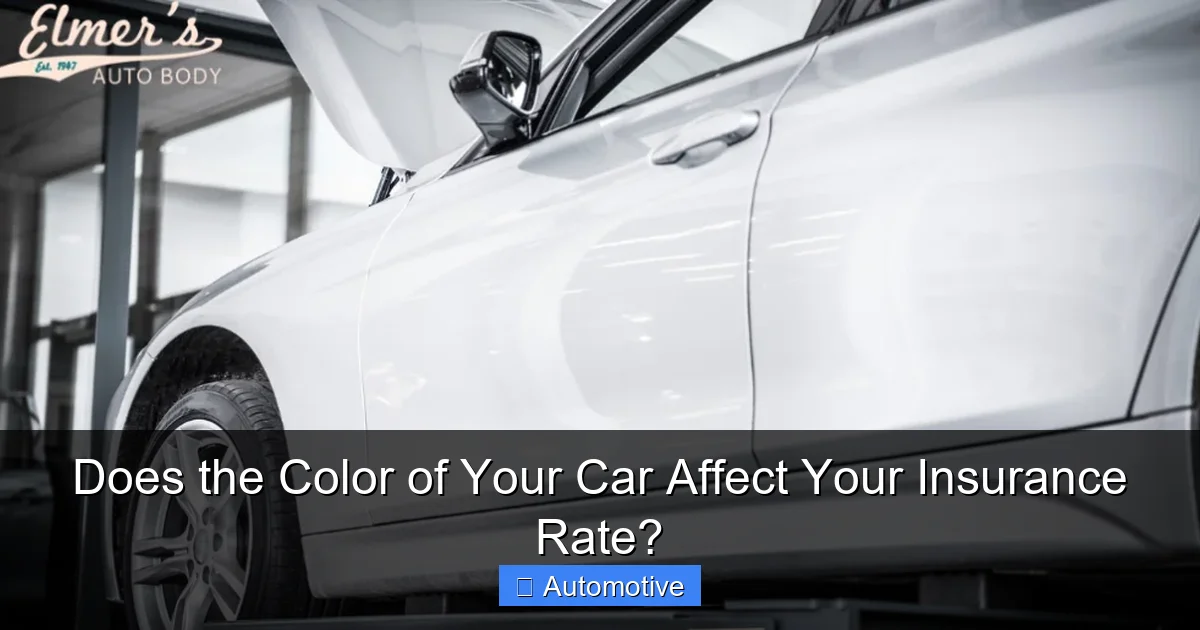
Visual guide about Does the Color of Your Car Affect Your Insurance Rate?
Image source: elmersautobody.com
For example, a 2010 study by the Monash University Accident Research Centre in Australia found that white cars were 12% less likely to be involved in a crash than black cars. Silver and yellow vehicles also showed lower crash rates. While this doesn’t mean your insurance will go down if you drive a white car, it could mean fewer claims over time—which might help keep your rates stable.
Theft and Vandalism Risk
Color can also play a role in theft. Bright, unusual colors like neon green, hot pink, or custom wraps may attract unwanted attention. Thieves might see a uniquely colored car as more memorable or harder to resell, but they could also target it because it stands out—or because they assume the owner is flashy and wealthy.
On the other hand, common colors like white, black, and gray are easier to resell and less likely to draw attention. A 2019 report by the National Insurance Crime Bureau (NICB) found that vehicles in neutral colors were less likely to be stolen than those in bright or rare colors. Again, this doesn’t directly affect your premium, but a higher theft risk could influence how insurers view certain vehicles—especially in high-crime areas.
Resale Value and Depreciation
Color can impact how much your car is worth when it’s time to sell. Neutral colors like white, black, silver, and gray tend to have broader appeal and hold their value better. Bright or unconventional colors—like bright orange, purple, or two-tone paint jobs—may limit your buyer pool and reduce resale value.
While this doesn’t affect your insurance rate, it does affect your total cost of ownership. A car that depreciates faster could cost you more in the long run, especially if you plan to trade it in or sell it within a few years.
What Really Matters When Choosing a Car Color
So, if color doesn’t affect insurance, how should you decide what color to buy? Here are some practical tips to help you make a smart choice.
Prioritize Safety and Visibility
If safety is your top concern, consider choosing a lighter color—especially if you drive a lot at night or in poor weather. White, yellow, and silver are excellent choices for visibility. Avoid very dark colors like black or dark blue if you frequently drive in low-light conditions.
For example, if you live in a foggy coastal area or a place with long winter nights, a white or light gray car could give you an edge in visibility. It won’t lower your insurance, but it might help you avoid accidents—and that’s priceless.
Think About Maintenance and Cleanliness
Some colors show dirt and scratches more than others. White and silver tend to hide dust and minor scuffs, while black shows every speck of dirt and swirl mark. If you hate washing your car, a lighter color might save you time and frustration.
On the flip side, if you live in a snowy area, a white car might blend in too much with the surroundings—making it harder for other drivers to see you. In that case, a slightly darker neutral like gray or beige could be a better compromise.
Consider Resale Value
If you plan to sell your car in the future, stick with a popular, neutral color. According to iSeeCars.com, white, black, silver, and gray are the most common car colors in the U.S. and tend to have the highest resale value. Bright colors like red, blue, or green can still sell, but they may take longer and fetch a lower price.
For example, a white Honda Accord will likely sell faster and for more money than the same model in bright yellow—even if both are in perfect condition.
Express Your Personality (Within Reason)
At the end of the day, your car should reflect you. If you love a bold color like red or blue, go for it! Just be aware of the potential trade-offs in visibility, maintenance, and resale. You can still enjoy a colorful car without breaking the bank—just pair it with safe driving habits and good insurance coverage.
Common Misconceptions About Car Color and Insurance
Let’s clear up a few more myths that keep circulating.
“Red Cars Get More Tickets”
There’s no solid evidence that red cars get more speeding tickets. While some studies suggest that drivers in red cars may be perceived as more aggressive, police officers don’t ticket based on car color. They ticket based on behavior—speeding, running red lights, etc.
In fact, a 2014 study published in the journal Emotion found that drivers in red cars were no more likely to be pulled over than those in other colors. So go ahead and enjoy that red ride—just obey the speed limit!
“Black Cars Are More Dangerous”
While black cars are less visible in low light, they’re not inherently more dangerous. Many safe, reliable vehicles come in black—and millions of drivers safely operate them every day. The key is awareness: if you drive a dark-colored car, use your headlights, avoid distractions, and stay extra cautious at dawn and dusk.
“Custom Paint Jobs Increase Insurance”
Custom paint jobs or wraps can increase your car’s value, which might affect your comprehensive coverage cost—but only if you declare the modification. Most standard policies cover factory paint, not custom work. If you’ve spent thousands on a unique paint job, talk to your insurer about adding coverage for aftermarket modifications.
How to Lower Your Car Insurance Rate (Regardless of Color)
Since color won’t save you money, here’s what will:
- Maintain a clean driving record: Avoid accidents and tickets to keep your rates low.
- Choose a safe, reliable vehicle: Cars with high safety ratings and low repair costs are cheaper to insure.
- Increase your deductible: A higher deductible can lower your premium, but make sure you can afford it if you need to file a claim.
- Take advantage of discounts: Many insurers offer discounts for safe driving, bundling policies, or installing anti-theft devices.
- Shop around annually: Rates change, so compare quotes from multiple insurers each year.
- Improve your credit score: In most states, better credit leads to lower premiums.
Conclusion
So, does the color of your car affect your insurance rate? The answer is clear: no, it doesn’t—at least not directly. Insurance companies base your premium on real risk factors like your driving history, vehicle type, and location, not on whether your car is red, black, or rainbow-colored.
That said, color can play a subtle role in safety, theft risk, and resale value. Choosing a highly visible color like white or yellow might help you avoid accidents. Opting for a neutral shade could boost your car’s resale value. And avoiding overly flashy colors might reduce the chances of theft or unwanted attention.
But at the end of the day, the best way to save on car insurance is to drive safely, choose a reliable vehicle, and shop around for the best rate. Your car’s color? That’s just a matter of personal style.
So go ahead—paint it red, wrap it in polka dots, or keep it classic white. Just remember: the real cost of ownership isn’t in the paint job. It’s in how you drive, where you live, and the choices you make behind the wheel.
Frequently Asked Questions
Does a red car really cost more to insure?
No, a red car does not cost more to insure solely because of its color. Insurance companies base rates on factors like vehicle type, driving history, and location—not paint color. The myth likely stems from red being a common color for sports cars, which are more expensive to insure.
Are white cars cheaper to insure?
White cars are not inherently cheaper to insure. However, they are more visible in low-light conditions, which may reduce accident risk over time. This could lead to fewer claims, but it won’t directly lower your premium.
Do dark-colored cars have higher insurance rates?
No, dark-colored cars like black or navy do not have higher insurance rates. While they may be less visible at night, insurers don’t charge more for them. Safe driving habits matter more than color.
Can a custom paint job increase my insurance cost?
A custom paint job won’t increase your standard insurance rate unless you declare it as an aftermarket modification. If the paint job adds value, you may need additional coverage to protect it.
What car colors have the best resale value?
Neutral colors like white, black, silver, and gray typically have the best resale value because they appeal to a wider range of buyers. Bright or unusual colors may take longer to sell.
Should I avoid bright colors to save on insurance?
You don’t need to avoid bright colors to save on insurance. While they may attract more attention, they don’t affect your premium. Focus on safe driving and choosing a reliable vehicle instead.
