
How Much Is Car Insurance for a 16-year-old per Month?

Car insurance for a 16-year-old typically costs between $200 and $500 per month, depending on location, vehicle, and driving record. While it’s expensive, adding your teen to your policy and encouraging safe driving can help reduce premiums over time.
Key Takeaways
- High premiums are normal: 16-year-old drivers face the highest insurance rates due to inexperience and higher accident risk.
- Location matters: Urban areas with heavy traffic and higher crime rates often lead to steeper insurance costs.
- Vehicle type impacts cost: Sports cars and luxury vehicles increase premiums, while safe, reliable cars can lower them.
- Good grades can help: Many insurers offer discounts for students with a B average or higher.
- Driver’s education pays off: Completing a certified course may qualify your teen for a discount.
- Adding to your policy is cheaper: It’s usually less expensive than getting a separate policy for your teen.
- Safe driving lowers long-term costs: Accident-free records and low mileage can reduce rates over time.
📑 Table of Contents
- How Much Is Car Insurance for a 16-Year-Old Per Month?
- Why Is Car Insurance So Expensive for 16-Year-Olds?
- Average Monthly Costs by State and Provider
- Factors That Affect Insurance Costs for Teen Drivers
- How to Reduce Car Insurance Costs for Your 16-Year-Old
- Long-Term Strategies to Lower Costs Over Time
- Common Mistakes to Avoid
- Conclusion
How Much Is Car Insurance for a 16-Year-Old Per Month?
Getting your 16-year-old behind the wheel is an exciting milestone—but it comes with a big financial reality check: car insurance. If you’re wondering, “How much is car insurance for a 16-year-old per month?” you’re not alone. Parents across the country face the same question, often with sticker shock.
On average, insuring a 16-year-old driver costs between $200 and $500 per month. That’s a wide range, and the exact number depends on several factors, including where you live, the type of car your teen drives, your insurance provider, and your teen’s driving habits. While it may seem steep, understanding what drives these costs can help you make smarter decisions and even save money in the long run.
In this guide, we’ll break down the average costs, explore the key factors that affect premiums, and share practical tips to reduce your monthly bill. Whether you’re preparing for your teen’s first driving lesson or already dealing with rising insurance bills, this article will give you the clarity and tools you need.
Why Is Car Insurance So Expensive for 16-Year-Olds?
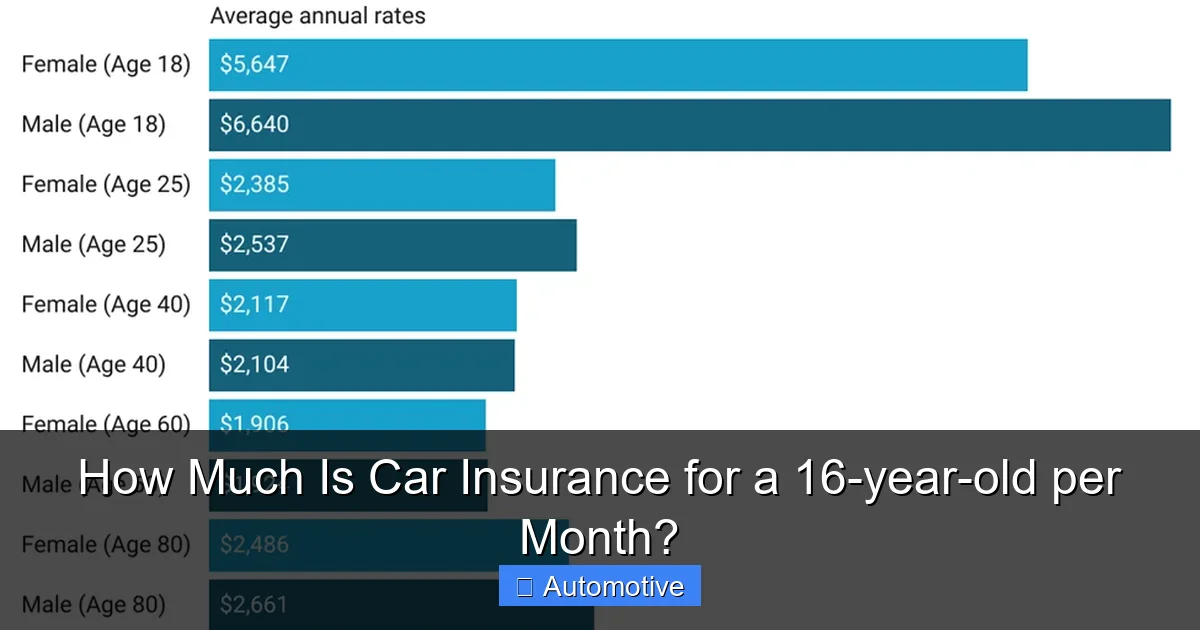
Visual guide about How Much Is Car Insurance for a 16-year-old per Month?
Image source: lh4.googleusercontent.com
Teen drivers, especially 16-year-olds, are statistically more likely to be involved in accidents than any other age group. According to the Insurance Institute for Highway Safety (IIHS), drivers aged 16 to 19 are nearly three times more likely to be in a fatal crash than drivers aged 20 and older. This increased risk is the primary reason insurance companies charge higher premiums for young drivers.
At 16, most teens have just started driving. They lack experience handling complex traffic situations, bad weather, or unexpected hazards. Their brains are still developing, which can affect decision-making and impulse control. All of these factors make insurers nervous—and when insurers are nervous, premiums go up.
Another reason for high costs is the lack of a driving history. Insurance companies rely on past behavior to predict future risk. Since 16-year-olds have little to no track record, insurers assume the worst-case scenario. This “unknown risk” translates into higher monthly payments.
It’s also worth noting that 16-year-olds are more likely to drive older, less safe vehicles—often hand-me-downs from older siblings or parents. While these cars may be affordable to buy, they may lack modern safety features like automatic emergency braking, lane departure warnings, or adaptive headlights. Without these features, the risk of injury in a crash increases, which can drive up insurance costs.
Accident Statistics and Risk Factors
Let’s look at the numbers. The National Highway Traffic Safety Administration (NHTSA) reports that in 2022, 2,800 teens aged 15 to 19 were killed in motor vehicle crashes in the U.S. That’s about eight deaths per day. Speeding, distracted driving (like texting), and driving under the influence are leading causes.
For 16-year-olds specifically, the risk is even higher. In fact, the crash rate per mile driven is nearly twice as high for 16-year-olds as it is for 18- and 19-year-olds. This steep learning curve means insurers see 16-year-olds as high-risk clients.
The Role of Inexperience
Inexperience plays a huge role. A 16-year-old might know the rules of the road, but they haven’t yet developed the muscle memory and situational awareness that come with thousands of miles behind the wheel. They may overcorrect in a skid, misjudge the speed of oncoming traffic, or fail to notice a pedestrian stepping off the curb.
Insurance companies know this. They’ve analyzed decades of claims data and found that the first six months of driving are the most dangerous. That’s why premiums are highest right at the start and gradually decrease as the teen gains experience and maintains a clean record.
Average Monthly Costs by State and Provider
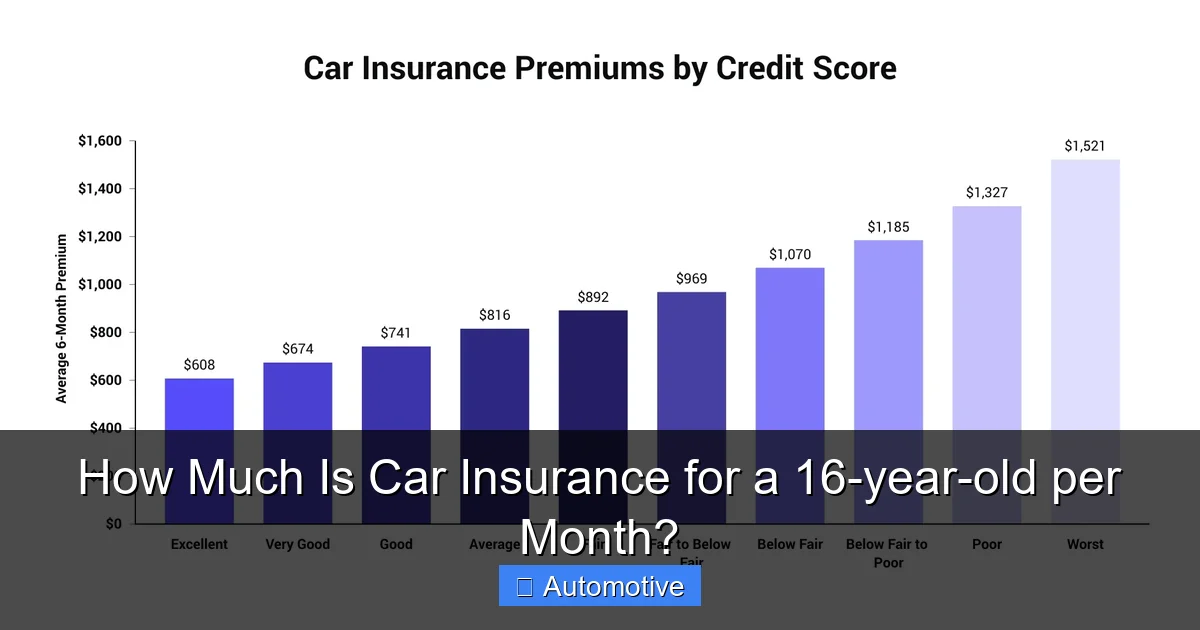
Visual guide about How Much Is Car Insurance for a 16-year-old per Month?
Image source: livewell.com
So, how much is car insurance for a 16-year-old per month, really? Let’s break it down by location and insurance company.
On a national level, the average monthly premium for a 16-year-old driver ranges from $200 to $500. But that average hides a lot of variation. In some states, you might pay as little as $150 per month. In others, you could be looking at $700 or more.
State-by-State Breakdown
Where you live has a massive impact on your insurance costs. States with high population density, strict traffic laws, and expensive repair costs tend to have higher premiums. Here are a few examples:
– **Louisiana:** One of the most expensive states for car insurance. A 16-year-old driver can expect to pay $600–$800 per month due to high accident rates and litigation costs.
– **Michigan:** Known for no-fault insurance laws and high medical coverage requirements, Michigan premiums can exceed $700 per month for teens.
– **California:** While not the most expensive, California’s urban areas like Los Angeles and San Francisco drive up costs. Expect $300–$500 per month.
– **Ohio:** A more affordable option. In rural areas, premiums for 16-year-olds can be as low as $180 per month.
– **Texas:** Varies widely by city. In Houston or Dallas, you might pay $400 per month. In smaller towns, it could drop to $250.
Insurance Company Differences
Not all insurers charge the same. Some are more lenient with young drivers, while others are notoriously strict. Here’s a look at how major providers compare:
– **State Farm:** Often one of the more affordable options for teens, especially if you bundle policies. Average monthly cost: $250–$400.
– **Geico:** Known for competitive rates and good student discounts. Monthly premiums typically range from $220–$380.
– **Progressive:** Offers usage-based insurance programs like Snapshot, which can lower costs for safe drivers. Expect $240–$420 per month.
– **Allstate:** Slightly higher on average, but offers strong accident forgiveness programs. Monthly cost: $280–$450.
– **USAA:** If you’re eligible (military families), USAA often has the lowest rates for teens—sometimes under $200 per month.
Keep in mind that these are averages. Your actual rate will depend on your specific situation.
Urban vs. Rural Differences
Living in a city can double your insurance costs. Why? More cars on the road mean more accidents. Higher crime rates increase the risk of theft or vandalism. And in dense areas, even minor fender benders can lead to expensive claims.
For example, a 16-year-old in New York City might pay $500 per month, while a teen in upstate New York could pay half that. Similarly, a driver in rural Montana might pay $180, while one in Los Angeles pays $450.
Factors That Affect Insurance Costs for Teen Drivers

Visual guide about How Much Is Car Insurance for a 16-year-old per Month?
Image source: d2tez01fe91909.cloudfront.net
Now that you know the average costs, let’s dig into what actually determines how much you’ll pay. Several key factors influence your monthly premium.
1. Type of Vehicle
The car your teen drives plays a huge role in insurance costs. Insurers look at safety ratings, repair costs, theft rates, and performance.
– **Safe, reliable cars:** Vehicles like the Honda Civic, Toyota Corolla, or Subaru Outback are affordable to insure because they’re safe, common, and cheap to repair.
– **Sports cars and high-performance vehicles:** Cars like the Ford Mustang, Chevrolet Camaro, or BMW 3 Series are expensive to insure. They’re faster, more likely to be driven aggressively, and cost more to fix.
– **Luxury vehicles:** High-end brands like Mercedes, Audi, or Lexus come with high repair bills and theft risk, leading to higher premiums.
Tip: Avoid letting your teen drive a sports car, even if it’s used. The insurance savings aren’t worth the risk.
2. Driving Record and Experience
A clean driving record is one of the best ways to keep costs down. Even one speeding ticket or at-fault accident can increase your premium by 20% or more.
For 16-year-olds, the first year is critical. If your teen goes 12 months without any incidents, many insurers will offer a “good driver” discount, which can save $50–$100 per month.
On the flip side, a DUI or serious violation can make insurance nearly impossible to afford—or even obtain.
3. Location and Commute
We’ve already touched on this, but it’s worth repeating: where you live matters. Insurers consider:
– Population density
– Traffic congestion
– Crime rates (especially auto theft and vandalism)
– Weather conditions (snow, ice, flooding)
Even within the same state, rates can vary. A 16-year-old in downtown Chicago will pay more than one in a suburban neighborhood 20 miles away.
Also, how far your teen drives matters. If they’re commuting to school, work, or sports practice every day, that’s more miles on the road—and more exposure to risk. Some insurers offer low-mileage discounts, so if your teen only drives occasionally, be sure to mention it.
4. Coverage Level and Deductible
The type of coverage you choose directly affects your premium.
– **Liability-only:** The cheapest option, but only covers damage you cause to others. Not recommended for newer or financed cars.
– **Full coverage:** Includes collision, comprehensive, and liability. More expensive but offers better protection.
– **Deductible:** The amount you pay out of pocket before insurance kicks in. A higher deductible (e.g., $1,000 vs. $500) lowers your monthly premium but increases your risk if you file a claim.
For a 16-year-old, full coverage is usually the smart choice—especially if the car is worth more than a few thousand dollars.
5. Discounts and Savings Opportunities
The good news? There are several ways to reduce your monthly bill.
– **Good student discount:** Many insurers offer 10–25% off for teens with a B average or higher. Just send in a report card.
– **Driver’s education discount:** Completing a certified course can save $50–$100 per year.
– **Defensive driving course:** Some states allow teens to take an advanced course for additional savings.
– **Multi-car discount:** Adding your teen to your existing policy often costs less than a standalone plan.
– **Usage-based insurance:** Programs like Progressive’s Snapshot or Allstate’s Drivewise monitor driving habits and reward safe behavior with discounts.
– **Pay-in-full discount:** Paying your annual premium upfront can save 5–10%.
How to Reduce Car Insurance Costs for Your 16-Year-Old
Now that you know what drives up costs, let’s talk about how to bring them down. With a few smart strategies, you can save hundreds—or even thousands—over your teen’s driving years.
1. Add Your Teen to Your Policy (Instead of a Separate One)
This is one of the biggest money-savers. Insurers assume that if a teen is on a parent’s policy, they’ll be supervised and drive more responsibly. As a result, adding your 16-year-old to your existing plan is almost always cheaper than getting them their own policy.
For example, a standalone policy for a 16-year-old might cost $400 per month. But adding them to your family plan could increase your total premium by only $200–$300 per month.
2. Choose the Right Car
We can’t stress this enough: the car matters. Before buying a vehicle for your teen, check its insurance group rating. Websites like the IIHS or your insurer’s quote tool can help.
Stick to:
– Midsize sedans
– Compact SUVs with good safety ratings
– Older models (5–10 years old) that are affordable to repair
Avoid:
– High-performance engines
– Luxury brands
– Convertibles or flashy designs
A used Honda Accord or Toyota RAV4 is a much safer bet—both on the road and for your wallet.
3. Encourage Safe Driving Habits
Safe driving doesn’t just save lives—it saves money. Talk to your teen about:
– Avoiding distractions (no phones, loud music, or too many passengers)
– Obeying speed limits
– Never driving under the influence
– Using turn signals and checking blind spots
Consider setting up a parent-teen driving agreement that outlines rules and consequences. Some families even use apps like Life360 or Hum to monitor driving behavior.
4. Take Advantage of Discounts
Don’t leave money on the table. Ask your insurer about every possible discount:
– “Do you offer a good student discount?”
– “Is there a discount for completing driver’s ed?”
– “Can we enroll in a usage-based program?”
Even small discounts add up. A 15% good student discount on a $300 monthly premium saves $540 per year.
5. Consider a Higher Deductible
If you can afford to pay more out of pocket in the event of a claim, raising your deductible from $500 to $1,000 can reduce your premium by 10–20%. Just make sure you have the savings to cover the deductible if needed.
6. Shop Around Annually
Insurance companies change their rates and discounts frequently. What was the cheapest option last year might not be this year.
Set a reminder to compare quotes from at least three insurers every 12 months. You might find a better deal—especially if your teen has maintained a clean record.
Long-Term Strategies to Lower Costs Over Time
While the first year is the most expensive, the good news is that car insurance for teens gets cheaper over time—if they drive safely.
Maintaining a Clean Record
Every year your teen drives without accidents, tickets, or claims, their risk profile improves. Most insurers offer “accident-free” or “loyalty” discounts after 12–24 months of safe driving.
For example, a 16-year-old who starts at $400 per month might see their rate drop to $300 by age 17 and $200 by age 18—assuming no incidents.
Graduating to Lower Risk Categories
As teens age, they move into lower-risk categories. By 18 or 19, many insurers treat them more like adult drivers, especially if they’re in college or have a job.
Some companies even offer “young driver” programs that gradually reduce premiums as the teen gains experience.
Building Credit (When They’re Older)
In most states, insurers use credit-based insurance scores to determine rates. While 16-year-olds don’t have credit yet, teaching them to build good credit early can help reduce costs when they’re older.
Simple steps like getting a secured credit card, paying bills on time, and keeping credit utilization low can make a big difference down the road.
Common Mistakes to Avoid
Even with the best intentions, parents often make mistakes that drive up insurance costs. Here are a few to watch out for:
1. Buying a Sports Car for Your Teen
It’s tempting to get your teen a cool car, but sports cars are expensive to insure. Even a used Mustang or WRX can cost $50–$100 more per month than a safe sedan.
2. Skipping Full Coverage on a Newer Car
If you finance or lease a car, the lender will require full coverage. But even if you own the car outright, skipping collision and comprehensive coverage on a newer vehicle is risky. One accident could leave you paying thousands out of pocket.
3. Not Reporting Good Grades
Many parents forget to send in report cards for the good student discount. Don’t let your teen’s hard work go unrewarded—submit those grades every semester.
4. Ignoring Usage-Based Programs
Telematics programs are a win-win. They encourage safe driving and can save you money. If your insurer offers one, sign up and let your teen earn discounts for braking smoothly, avoiding late-night driving, and keeping speeds in check.
Conclusion
So, how much is car insurance for a 16-year-old per month? On average, you’re looking at $200 to $500—but that number isn’t set in stone. By understanding the factors that influence rates and taking proactive steps, you can reduce your monthly bill and protect your teen on the road.
Remember, the first year is always the most expensive. But with safe driving, smart choices, and a little research, you can turn that high premium into a manageable expense. Focus on safety, take advantage of discounts, and keep shopping around. Over time, your teen’s experience and responsibility will pay off—both in safer roads and lower insurance costs.
Investing in your teen’s driving education and habits now will save you money and stress in the long run. And who knows? In a few years, they might even be the one helping you find the best insurance deal.
Frequently Asked Questions
How much is car insurance for a 16-year-old per month on average?
On average, car insurance for a 16-year-old costs between $200 and $500 per month. The exact amount depends on factors like location, vehicle type, and driving record.
Is it cheaper to add my teen to my policy or get them their own?
It’s almost always cheaper to add your 16-year-old to your existing policy. Standalone policies for teens are significantly more expensive due to their high-risk classification.
Can my teen get a discount for good grades?
Yes, many insurers offer a good student discount for teens with a B average or higher. You’ll typically need to submit a report card or transcript to qualify.
Does the type of car my teen drives affect insurance costs?
Absolutely. Safe, reliable cars like sedans and compact SUVs are cheaper to insure than sports cars or luxury vehicles, which have higher repair costs and theft rates.
Will my insurance go down as my teen gets older?
Yes, premiums typically decrease as your teen gains driving experience and maintains a clean record. By age 18 or 19, rates often drop significantly.
Are there ways to reduce insurance costs for a new teen driver?
Yes, you can save by choosing a safe car, enrolling in driver’s education, using usage-based insurance programs, and taking advantage of discounts like good student or multi-car offers.
