
How Many Car Payments Can You Miss Before Repossession

Missing car payments can lead to repossession, but how many is too many? Most lenders allow 1–2 missed payments before taking action, but policies vary. Act fast—contact your lender, explore options, and protect your credit before it’s too late.
Key Takeaways
- Repossession can happen after just one missed payment: While most lenders give a grace period, some may initiate repossession after 30–60 days of non-payment, especially if you have a history of late payments.
- Grace periods vary by lender: Many lenders offer a 10- to 15-day grace period, but this doesn’t prevent negative reporting to credit bureaus after 30 days.
- Communication is critical: Contacting your lender early can lead to deferment, loan modification, or a payment plan that prevents repossession.
- Repossession damages your credit score: A repossession can drop your credit score by 100 points or more and stay on your report for up to seven years.
- You may still owe money after repossession: If the sale of your car doesn’t cover the loan balance, you could be responsible for the remaining “deficiency balance.”
- State laws affect repossession rights: Some states require lenders to provide notice before repossession, while others allow “self-help” repossession without court involvement.
- Prevention is better than cure: Budgeting, refinancing, or selling the car voluntarily can help you avoid repossession altogether.
📑 Table of Contents
How Many Car Payments Can You Miss Before Repossession?
Let’s face it—life happens. A medical emergency, job loss, or unexpected expense can throw your budget off track in a heartbeat. When that happens, car payments are often one of the first bills people consider skipping. But how many car payments can you miss before repossession becomes a real threat? The short answer: it depends. But the longer you wait, the higher the risk.
Most lenders don’t want to repossess your car. It’s costly, time-consuming, and often results in a financial loss for them. That said, they also expect timely payments. Missing one or two payments doesn’t automatically mean your car will be towed away, but it does trigger a series of consequences—late fees, credit score damage, and eventually, repossession if the issue isn’t resolved. Understanding the timeline, your rights, and your options can help you avoid losing your vehicle and protect your financial future.
In this guide, we’ll break down exactly how many car payments you can miss before repossession, what happens at each stage, and what you can do to stop it. Whether you’re already behind or just planning ahead, this information could save your car—and your credit.
Understanding the Repossession Timeline
The repossession process doesn’t happen overnight. Lenders follow a structured timeline, but the exact number of missed payments before repossession varies based on your lender, loan agreement, and state laws. Generally, repossession becomes a serious possibility after 60 to 90 days of non-payment, but in some cases, it can happen sooner.

Visual guide about How Many Car Payments Can You Miss Before Repossession
Image source: creditninja.com
Day 1–15: Grace Period and Late Fees
Most auto loans come with a grace period—typically 10 to 15 days after the due date. During this time, your payment is considered late, but not yet delinquent. You’ll likely be charged a late fee (usually $15–$35), but your lender won’t report the delay to credit bureaus yet. This is your first warning sign. If you can pay within this window, you’ll avoid further penalties.
For example, if your payment is due on the 1st of the month, you might have until the 15th to pay without serious consequences. But don’t assume this grace period applies to everyone—always check your loan agreement. Some lenders offer no grace period at all.
Day 16–30: Delinquency Begins
Once the grace period ends, your account becomes delinquent. At this point, your lender may start calling or sending letters. They’ll also report the late payment to credit bureaus after 30 days, which can drop your credit score by 50–100 points. Even one 30-day late payment can hurt your ability to get loans, credit cards, or even rent an apartment in the future.
Some lenders may offer a “cure period” or a chance to catch up, but this isn’t guaranteed. If you’re only one payment behind, now is the time to act. Call your lender, explain your situation, and ask about options like a payment extension or temporary deferment.
Day 31–60: Increased Communication and Risk
After 30 days, your lender will likely increase communication efforts—phone calls, emails, and certified letters. They may also report additional late payments to credit agencies. At this stage, repossession is still avoidable, but the risk is rising. Some lenders may send a “right to cure” notice, giving you a final chance to pay what you owe before they take action.
For instance, if you miss two payments in a row, your lender might send a formal notice stating that failure to pay within 10 days will result in repossession. This is your last real chance to avoid losing your car without legal intervention.
Day 61–90: Repossession Becomes Likely
By the time you’ve missed two to three payments (60–90 days), repossession is a real possibility. Most lenders will initiate the repossession process at this point, especially if you haven’t communicated with them. Repossession agents may come to your home, workplace, or even a public parking lot to take your vehicle—often without warning.
It’s important to note that repossession can happen even if you’re only one payment behind, especially if you have a history of late payments or if your loan agreement includes a “default” clause. Some lenders are more aggressive than others, so don’t assume you’re safe just because you’ve only missed one payment.
Factors That Influence Repossession Timing
While the general timeline gives you a rough idea, several factors can speed up or delay repossession. Understanding these can help you assess your risk and take action accordingly.
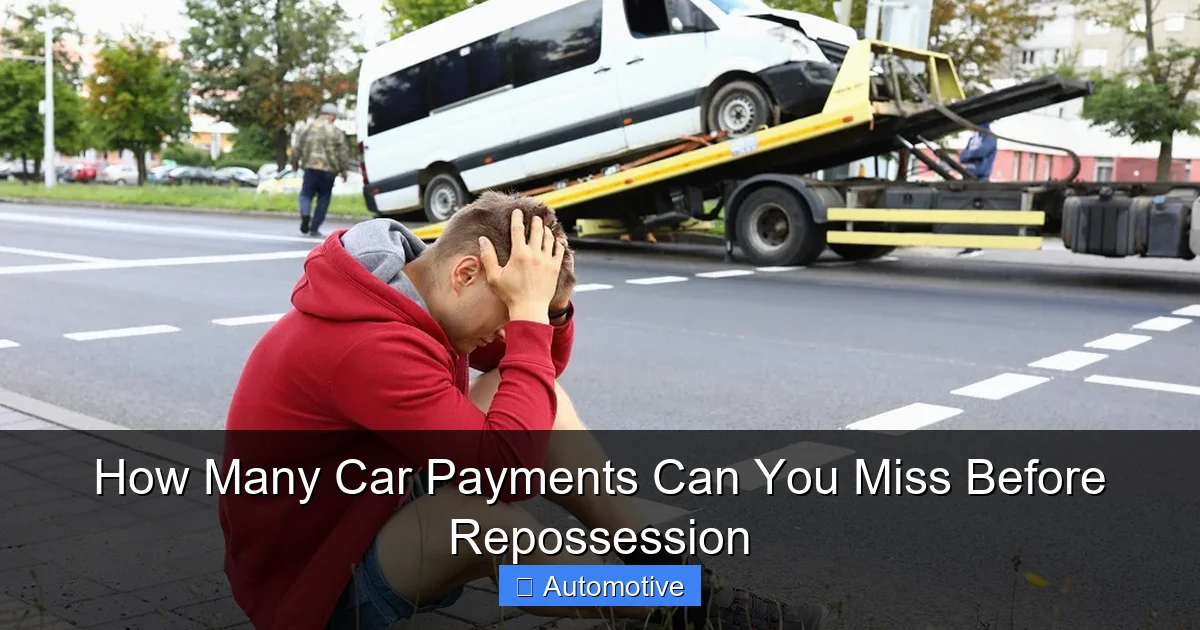
Visual guide about How Many Car Payments Can You Miss Before Repossession
Image source: californiabankruptcyrelief.com
Lender Policies and Loan Agreement Terms
Every lender has its own policies. Some are more lenient and willing to work with borrowers, while others are quick to repossess. Your loan agreement—often overlooked at signing—contains key details about default, grace periods, and repossession rights. Look for clauses like “acceleration,” which allows the lender to demand full payment immediately upon default.
For example, a subprime lender (one that works with borrowers with poor credit) may be quicker to repossess because they assume higher risk. In contrast, a credit union or community bank might offer more flexibility and personalized solutions.
Your Payment History
If you’ve always paid on time, your lender may be more willing to work with you during a temporary hardship. But if you have a pattern of late or missed payments, they’re more likely to repossess quickly. Lenders see repeat delinquency as a red flag and may not want to risk further losses.
Imagine two borrowers: one who’s never missed a payment but loses their job, and another who’s been 10 days late three times in the past year. The first borrower is more likely to get a deferment or payment plan, while the second may face repossession after just one missed payment.
State Laws and Regulations
Repossession laws vary by state. Some states require lenders to send a formal notice before repossessing your car, while others allow “self-help” repossession—meaning they can take the car without going to court, as long as they don’t breach the peace (e.g., no threats, violence, or breaking into a locked garage).
For instance, in California, lenders must send a “notice of default” and give you 15 days to cure the delinquency before repossession. In Texas, repossession can happen as soon as you’re in default, with no notice required. Knowing your state’s laws can help you understand your rights and prepare accordingly.
Type of Loan and Collateral
If your car is financed through a lease or a buy-here-pay-here dealership, the rules may be stricter. These lenders often have shorter grace periods and faster repossession timelines because they assume higher risk. Additionally, if your car is used as collateral for other debts, missing a payment could trigger cross-default clauses, putting multiple accounts at risk.
What Happens During and After Repossession?
Repossession is a stressful and often traumatic experience. Understanding what happens during and after can help you prepare—and possibly avoid it altogether.
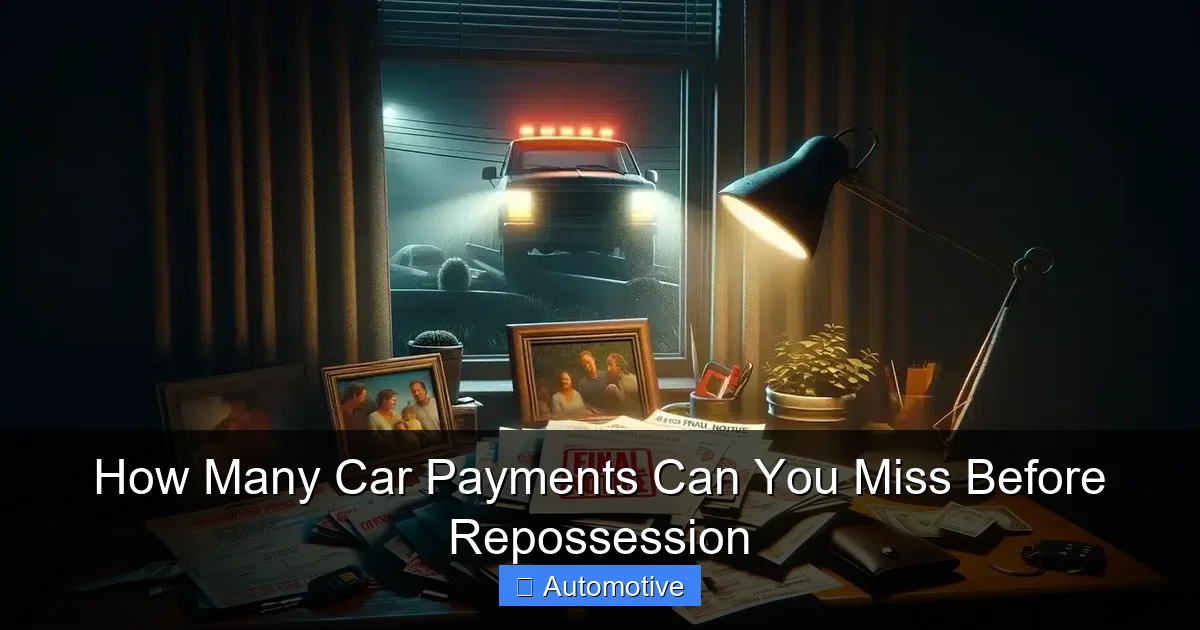
Visual guide about How Many Car Payments Can You Miss Before Repossession
Image source: creditninja.com
The Repossession Process
When a lender decides to repossess your car, they typically hire a third-party repossession agent. These agents are trained to locate and take your vehicle quickly and quietly. They may come at night or during the day, and they can take your car from your driveway, workplace, or a public lot—as long as they don’t use force or intimidation.
Once your car is repossessed, you’ll receive a notice explaining the situation and your rights. This notice will include information about how to redeem the vehicle (pay the full balance plus fees) or how the car will be sold at auction.
Sale of the Vehicle
After repossession, your lender will usually sell the car at a wholesale auction to recover as much of the loan balance as possible. The sale price is often lower than the car’s market value, especially if it’s sold quickly. If the sale doesn’t cover what you owe, you’re still responsible for the difference—called a “deficiency balance.”
For example, if you owe $15,000 on your loan and the car sells for $10,000, you’ll owe the remaining $5,000. The lender may send you a bill, sue you for the amount, or send it to collections. This debt can linger for years and continue to damage your credit.
Credit and Legal Consequences
A repossession stays on your credit report for up to seven years and can drop your credit score by 100 points or more. It signals to future lenders that you’re a high-risk borrower, making it harder to get approved for loans, credit cards, or even rental applications.
In some cases, lenders may pursue legal action to collect the deficiency balance. If they win a judgment, they could garnish your wages or place a lien on your property. While this isn’t common for small balances, it’s a real risk—especially if you owe thousands.
How to Avoid Repossession: Proactive Steps
The best way to avoid repossession is to act early. The longer you wait, the fewer options you’ll have. Here are practical steps you can take if you’re struggling to make payments.
Contact Your Lender Immediately
Don’t ignore calls or letters. Call your lender as soon as you realize you might miss a payment. Be honest about your situation—job loss, medical bills, etc.—and ask about hardship programs, deferments, or loan modifications. Many lenders offer temporary relief for borrowers facing genuine financial difficulties.
For example, some lenders allow you to defer one or two payments, pushing them to the end of the loan term. Others may reduce your interest rate or extend the loan term to lower monthly payments. These options can give you breathing room without defaulting.
Explore Refinancing Options
If your credit has improved since you took out the loan, you might qualify for a lower interest rate through refinancing. This could reduce your monthly payment and make it easier to stay current. Even if your credit isn’t perfect, some lenders specialize in refinancing for borrowers with less-than-ideal scores.
Be cautious, though—refinancing often extends the loan term, which means you’ll pay more in interest over time. Make sure the monthly savings outweigh the long-term cost.
Sell the Car Voluntarily
If you can’t afford the payments and don’t see your situation improving, selling the car yourself might be the best option. You’ll get more money than an auction sale, and you can use the proceeds to pay off the loan. If the sale covers the balance, you walk away with no debt. If not, you’ll still owe the difference, but you’ll avoid the stigma of repossession on your credit report.
For instance, if your car is worth $12,000 and you owe $10,000, selling it privately could give you $2,000 in cash—plus peace of mind.
Consider a Co-Signer or Loan Assumption
If you have a family member or friend willing to help, they might co-sign a new loan or assume your current one. This removes you from the financial obligation and protects your credit. Just make sure the co-signer understands the risks—they’ll be responsible if payments aren’t made.
Budget and Cut Expenses
Take a hard look at your budget. Can you cut dining out, subscriptions, or other non-essentials? Even small savings can add up. Consider picking up a side gig or selling unused items to generate extra cash for payments.
What to Do If Your Car Is Repossessed
If repossession has already happened, don’t panic—there are still steps you can take.
Redeem the Vehicle
In some states, you have the right to “redeem” your car by paying the full loan balance plus repossession and storage fees. This is often expensive, but it might be worth it if you rely on your car for work or family needs.
Negotiate a Settlement
If you can’t redeem the car, contact the lender to negotiate a settlement for the deficiency balance. They may accept a lump-sum payment for less than what you owe. Get any agreement in writing.
Seek Legal Advice
If you believe the repossession was unlawful (e.g., breach of peace, no notice required by law), consult a consumer rights attorney. You may have grounds to sue for damages or have the repossession reversed.
Conclusion
Missing car payments is stressful, but repossession isn’t inevitable. Most lenders allow 1–2 missed payments before taking action, but the sooner you act, the better your chances of keeping your car and protecting your credit. Communication, budgeting, and exploring alternatives like refinancing or voluntary sale can make all the difference.
Remember, your lender wants to avoid repossession as much as you do. They’d rather work with you than go through the hassle and expense of taking your car. So don’t wait—reach out, ask for help, and take control of your financial situation before it’s too late. Your car, your credit, and your peace of mind are worth it.
Frequently Asked Questions
Can my car be repossessed after just one missed payment?
Yes, in some cases. While most lenders wait 60–90 days, aggressive lenders or those with strict terms may repossess after one missed payment, especially if you have a history of late payments. Always check your loan agreement.
Will missing a car payment affect my credit score?
Yes. After 30 days, the late payment will be reported to credit bureaus and can drop your score by 50–100 points. Multiple late payments have a compounding negative effect.
Can I get my car back after repossession?
Yes, in some cases. You may be able to redeem the vehicle by paying the full loan balance plus fees, depending on your state’s laws and the lender’s policies.
Do I still owe money if my car is repossessed?
Possibly. If the sale of your car doesn’t cover the loan balance, you’ll owe the difference—called a deficiency balance. The lender may pursue collection or sue you for the amount.
Can a lender repossess my car without notice?
It depends on your state. Some states allow “self-help” repossession without notice, as long as there’s no breach of peace. Others require a formal notice before repossession.
What should I do if I can’t make my car payment?
Contact your lender immediately. Ask about deferment, loan modification, or a payment plan. The sooner you communicate, the more options you’ll have to avoid repossession.
