
What Are the Official Audi Colours?

Audi’s official colours reflect elegance, innovation, and performance. From timeless blacks and silvers to bold reds and blues, each shade plays a role in the brand’s identity. Whether you’re choosing a new Audi or curious about its design legacy, understanding these colours adds depth to the driving experience.
Key Takeaways
- Audi uses a curated palette of premium colours that emphasize sophistication, technology, and sportiness across its vehicle lineup.
- Classic shades like Ibis White and Mythos Black are staples, offering timeless appeal and broad market acceptance.
- Metallic and pearl-effect finishes dominate Audi’s colour range, enhancing depth and luxury perception.
- Performance models often feature exclusive colours such as Nogaro Blue or Daytona Grey, signaling sportier intent.
- Colour names are carefully chosen to evoke emotion and align with Audi’s brand values—precision, innovation, and German engineering.
- Custom and special-order colours are available through Audi Exclusive, allowing buyers to personalize their vehicle.
- Colour trends evolve with design language, reflecting broader automotive and cultural shifts while maintaining brand consistency.
📑 Table of Contents
What Are the Official Audi Colours?
When you think of Audi, what comes to mind? Sleek silhouettes, cutting-edge technology, and a sense of understated luxury. But there’s another subtle yet powerful element that defines the brand: its colour palette. The official Audi colours are more than just paint choices—they’re a reflection of the brand’s identity, engineering excellence, and design philosophy. From the deep elegance of Mythos Black to the crisp brightness of Ibis White, every hue tells a story.
Audi doesn’t just pick colours at random. Each shade is carefully selected to complement the vehicle’s lines, enhance its presence on the road, and resonate with the brand’s core values. Whether you’re driving a compact A3 or a high-performance RS Q8, the colour you choose plays a key role in how the car is perceived—and how you feel behind the wheel. Over the years, Audi has built a signature palette that balances tradition with innovation, offering drivers both classic and contemporary options.
The Evolution of Audi’s Colour Identity
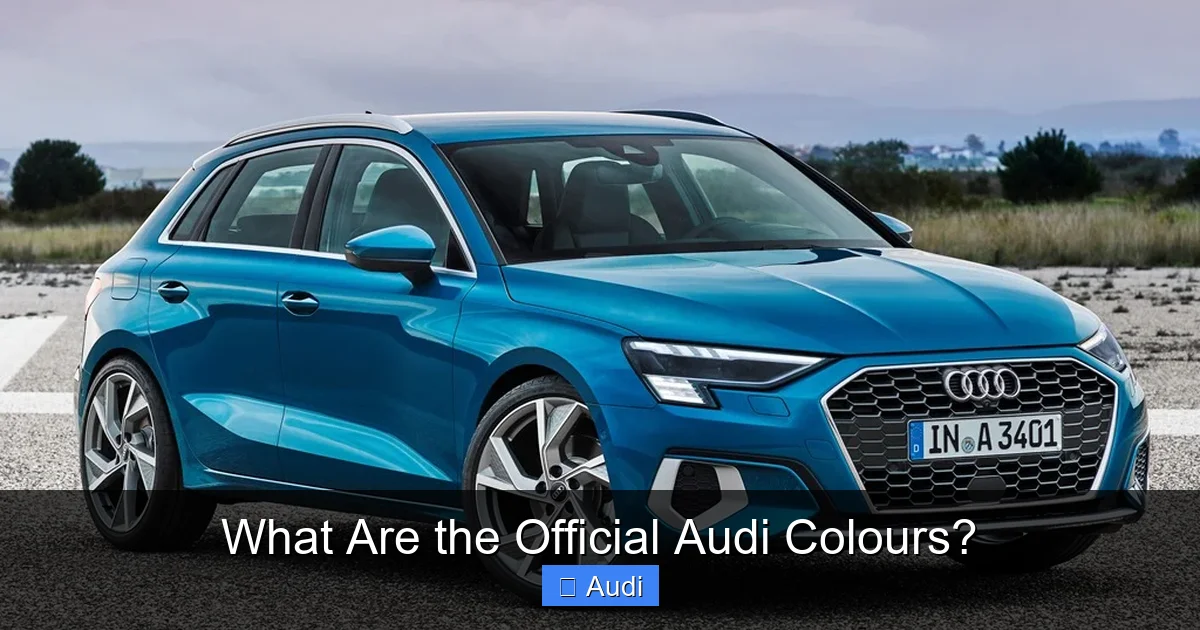
Visual guide about What Are the Official Audi Colours?
Image source: cdn.leasing.com
Audi’s journey with colour began in the early 20th century, but it wasn’t until the brand’s resurgence in the 1980s and 1990s that its colour strategy became more deliberate. As Audi positioned itself as a premium German automaker competing with BMW and Mercedes-Benz, design details—including paint—became a critical differentiator. The brand moved away from generic automotive colours and started developing a cohesive, premium palette that would become instantly recognizable.
In the 1990s and 2000s, Audi embraced metallic finishes and pearlescent coatings, which gave their vehicles a richer, more dynamic look under different lighting conditions. This shift wasn’t just about aesthetics—it also signaled technological advancement. The use of advanced paint systems allowed for deeper colours, better durability, and a more refined finish. Today, Audi’s colour range includes everything from understated neutrals to bold, performance-inspired tones, all designed to enhance the vehicle’s character.
How Audi Chooses Its Colours
Audi’s colour development process involves extensive research, trend analysis, and collaboration between designers, engineers, and market strategists. The brand monitors global fashion, architecture, and technology trends to anticipate what colours will resonate with consumers in the coming years. For example, the rise of minimalist design in interiors and tech products has influenced Audi’s preference for clean, neutral tones like white, grey, and black.
But it’s not just about following trends. Audi also considers practical factors such as resale value, maintenance, and regional preferences. For instance, white and silver are popular in hot climates because they reflect sunlight and keep the cabin cooler. In colder regions, darker colours may be more common. Audi balances these practical concerns with brand identity, ensuring that every colour supports the overall image of precision and luxury.
Signature Colours That Define the Brand
Over the decades, certain colours have become synonymous with Audi. These aren’t just popular choices—they’re part of the brand’s visual language. Let’s take a closer look at some of the most iconic official Audi colours.
Ibis White (Color Code: LY9V) is one of the most recognizable and widely used colours across the Audi lineup. It’s a pure, bright white that highlights the car’s sculpted body lines and gives it a clean, modern look. Ibis White is especially popular on models like the A4 and Q5, where it emphasizes the vehicle’s elegance and sophistication.
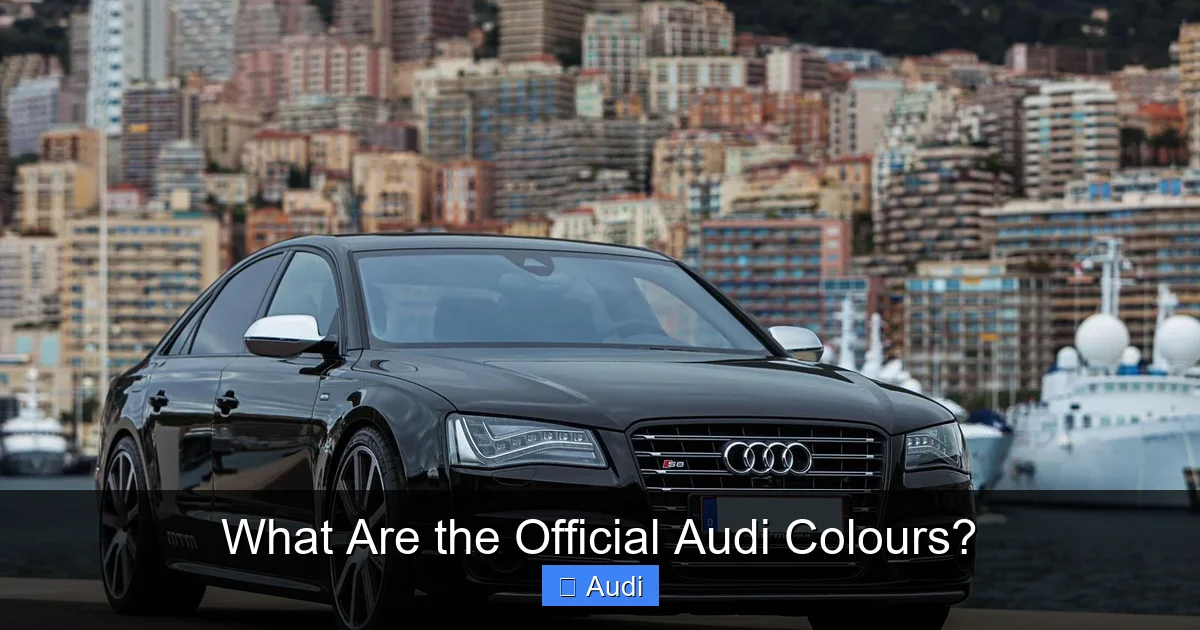
Mythos Black (Color Code: LY9T) is another staple. This deep, glossy black is more than just a colour—it’s a statement. It conveys power, authority, and timeless style. Mythos Black is often chosen for executive sedans and SUVs, where it enhances the vehicle’s imposing presence. It’s also a favourite among buyers who want a car that looks sleek and professional.
Popular Audi Colours Across the Lineup
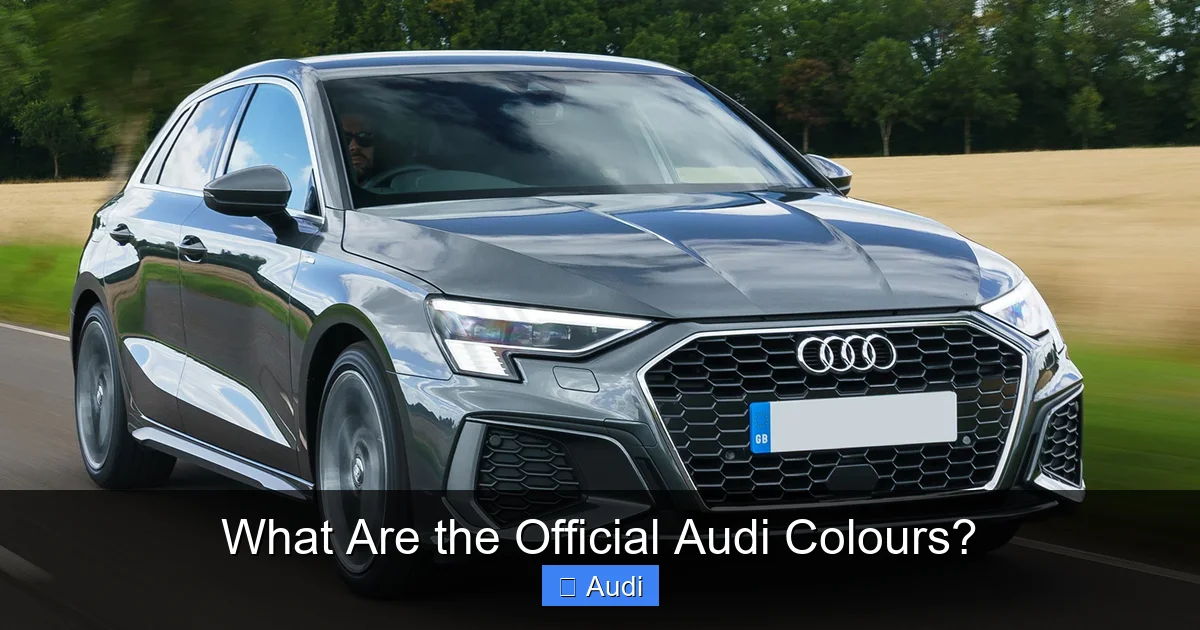
Visual guide about What Are the Official Audi Colours?
Image source: images.prismic.io
Audi offers a wide range of colours across its model range, from the compact A1 to the full-size Q8. While the exact palette may vary by model and region, certain colours appear consistently due to their popularity and brand alignment.
Neutral Tones: The Foundation of Audi’s Palette
Neutral colours form the backbone of Audi’s colour strategy. These include shades like white, black, grey, and silver—tones that appeal to a broad audience and maintain strong resale value. Among these, Ibis White, Mythos Black, and Daytona Grey are standout choices.
Daytona Grey (Color Code: LY7G) is a cool, metallic grey with a hint of blue. It’s a sophisticated alternative to plain grey, offering depth and a modern edge. This colour is particularly popular on sportier models like the S4 and SQ5, where it complements the aggressive styling without being overly flashy.
Another popular neutral is Floret Silver (Color Code: LX7W), a bright, reflective silver that gives vehicles a clean, high-tech appearance. It’s a versatile colour that works well on both sedans and SUVs, and it’s often chosen by buyers who want a classic look with a contemporary twist.
Bold and Performance-Inspired Colours
While Audi is known for its understated elegance, the brand also offers bold colours for drivers who want to make a statement. These are often reserved for high-performance models like the RS and S lines, where colour plays a role in signaling sportiness and exclusivity.
Nogaro Blue (Color Code: LY5R) is one of Audi’s most iconic performance colours. Originally introduced on the Audi RS2 Avant in the 1990s, this vibrant blue has become a symbol of Audi’s racing heritage. It’s a deep, rich blue with a metallic finish that shifts in the light, giving it a dynamic, energetic feel. Nogaro Blue is typically available on RS models and is a favourite among enthusiasts.
Another standout is Tango Red (Color Code: LY3U), a bold, fiery red that commands attention. This colour is often associated with speed and passion, making it a natural fit for sporty models like the RS6 Avant and RS Q8. Tango Red isn’t just about looks—it also enhances the vehicle’s aggressive stance and performance-oriented design.
Exclusive and Limited-Edition Colours
For buyers seeking something truly unique, Audi offers exclusive colours through its Audi Exclusive program. These are special-order paints that go beyond the standard palette, allowing for personalization and individuality. Examples include Java Brown, a deep, warm brown with a pearl effect, and Kemora Grey, a moody, charcoal-like shade with a subtle metallic sheen.
These colours are often used on high-end models like the A8 and Q7, where they add a layer of luxury and distinction. While they may come at an additional cost, they offer a way to own a truly one-of-a-kind Audi.
How Colour Enhances Audi’s Design Language
Visual guide about What Are the Official Audi Colours?
Image source: storage.googleapis.com
Colour is more than just a surface finish—it’s a design tool that shapes how we perceive a vehicle. Audi uses colour strategically to highlight key design elements, create visual balance, and reinforce brand identity.
Colour and Body Lines
Audi’s vehicles are known for their sharp, sculpted body lines and precise surfaces. The right colour can enhance these features by creating contrast and depth. For example, a light colour like Ibis White can make a car look larger and more open, while a dark colour like Mythos Black can create a sense of solidity and strength.
Metallic and pearl finishes are especially effective at showcasing Audi’s design details. These finishes contain tiny reflective particles that catch the light, making the car appear more dynamic and three-dimensional. This is particularly noticeable on models with complex body shapes, like the Q8 or e-tron GT.
Colour and Lighting
Audi’s design team also considers how colours behave under different lighting conditions. A car that looks great in daylight might appear flat or dull under streetlights or in the shade. To address this, Audi uses advanced paint technologies that maintain colour consistency and depth across various environments.
For instance, pearlescent paints contain mica particles that refract light, creating a shimmering effect that changes depending on the angle of view. This gives the car a more luxurious and high-quality appearance, even in low light.
Colour and Brand Perception
The colours Audi chooses also influence how the brand is perceived. Neutral tones like white, black, and grey convey professionalism, reliability, and timelessness—qualities that align with Audi’s image as a premium, engineering-focused brand. At the same time, bold colours like Nogaro Blue and Tango Red signal innovation, performance, and excitement.
This balance is key to Audi’s success. The brand manages to be both conservative and cutting-edge, depending on the model and the driver’s preferences. Colour plays a crucial role in this duality, allowing Audi to appeal to a wide range of customers without diluting its identity.
Audi Exclusive: The World of Custom Colours
For those who want to go beyond the standard palette, Audi Exclusive offers a world of customization. This premium service allows buyers to choose from a vast range of colours, finishes, and even custom-mixed paints. Whether you want a classic British racing green or a futuristic matte grey, Audi Exclusive can make it happen.
How Audi Exclusive Works
The Audi Exclusive program is available on most models, though it’s most commonly used on high-end vehicles like the A8, Q7, and RS models. Customers can work with Audi designers to select a colour that matches their personal style or even create a completely new shade.
The process begins with a consultation, where designers present colour samples and discuss options. Once a colour is chosen, it’s mixed to order and applied using Audi’s advanced paint systems. The result is a vehicle that’s truly unique, with a finish that’s as individual as its owner.
Popular Audi Exclusive Colours
Some of the most popular Audi Exclusive colours include:
– **Java Brown**: A rich, warm brown with a pearl effect that gives it a luxurious, leather-like appearance.
– **Kemora Grey**: A deep, smoky grey with a metallic finish that looks almost black in low light but reveals its depth in the sun.
– **Suzuka Grey**: A cool, dark grey with a hint of blue, inspired by the famous Japanese racetrack.
– **Crimson Red**: A deep, wine-like red that’s more subdued than Tango Red but equally striking.
These colours are often used to create a sense of exclusivity and personalization, making the vehicle feel like a true extension of the owner’s personality.
Regional Variations in Audi Colour Preferences
While Audi’s global colour strategy is consistent, there are regional differences in colour preferences. These variations are influenced by climate, culture, and market trends.
Europe: Classic and Sophisticated
In Europe, neutral tones dominate. White, black, and grey are the most popular choices, reflecting a preference for understated elegance and timeless style. Countries like Germany and the UK also show strong interest in metallic finishes, which enhance the premium feel of the vehicle.
North America: Bold and Expressive
In the United States and Canada, buyers tend to favour bolder colours, especially on SUVs and performance models. Red, blue, and even brighter shades like orange are more common, reflecting a culture that values individuality and self-expression.
Asia: Bright and Reflective
In markets like China and Japan, white and silver are extremely popular, partly due to their heat-reflective properties and association with cleanliness and modernity. However, there’s also growing interest in unique colours, especially among younger buyers who see their car as a fashion statement.
The Future of Audi Colours
As Audi continues to evolve, so too will its colour palette. The brand is increasingly focused on sustainability, which may influence future paint choices. For example, water-based paints and low-VOC (volatile organic compound) finishes are becoming more common, reducing environmental impact without sacrificing quality.
At the same time, Audi is embracing new technologies like matte finishes, colour-shifting paints, and even digital colour displays (as seen in concept cars). These innovations could redefine what’s possible with automotive colour, offering even more ways to personalize and enhance the driving experience.
Sustainability in Paint Technology
Audi is committed to reducing its environmental footprint, and that includes its paint processes. The brand has invested in eco-friendly paint systems that use less water, energy, and harmful chemicals. These systems not only benefit the planet but also improve the durability and finish of the paint.
Innovation in Colour Effects
Looking ahead, Audi may introduce more dynamic colour options. Imagine a car that changes colour based on temperature, light, or even the driver’s mood. While this may sound futuristic, Audi’s focus on innovation suggests that such features could become reality in the coming years.
Conclusion
The official Audi colours are far more than just paint—they’re a vital part of the brand’s identity, design language, and customer experience. From the timeless elegance of Ibis White and Mythos Black to the bold energy of Nogaro Blue and Tango Red, each shade is carefully chosen to reflect Audi’s values of precision, innovation, and luxury.
Whether you’re drawn to classic neutrals or crave something more unique, Audi offers a colour for every personality and preference. And with options like Audi Exclusive, the possibilities are nearly endless. So the next time you see an Audi on the road, take a moment to appreciate the thought and craftsmanship that goes into every hue. It’s not just a car—it’s a masterpiece of design, engineering, and colour.
Frequently Asked Questions
What is the most popular Audi colour?
Ibis White is one of the most popular Audi colours globally, known for its clean, modern look and ability to highlight the car’s design lines. It’s widely chosen across models like the A4, Q5, and e-tron.
Does Audi offer custom colours?
Yes, through the Audi Exclusive program, buyers can choose from a wide range of custom colours or even create their own unique shade. This service is available on most models, especially high-end vehicles.
What colour is Nogaro Blue?
Nogaro Blue is a deep, vibrant metallic blue that was first introduced on the Audi RS2 Avant. It’s a signature performance colour, often reserved for RS models and symbolizing Audi’s racing heritage.
Are Audi colours the same worldwide?
While Audi maintains a consistent global palette, some colours may vary by region due to local preferences, climate, and market trends. For example, white is more popular in Asia, while bold colours are favoured in North America.
What is the difference between metallic and pearl paint on Audi?
Metallic paint contains fine metal particles that reflect light, giving the car a shimmering effect. Pearl paint uses mica particles to create a deeper, iridescent finish that changes colour depending on the viewing angle.
Can I change my Audi’s colour after purchase?
While Audi doesn’t offer official post-purchase colour changes, owners can have their vehicle professionally repainted. However, this may affect warranty coverage and resale value, so it’s best to choose carefully from the start.
