
Which Is Better: Audi Q3 or Volvo Xc40

The Audi Q3 and Volvo XC40 are top contenders in the luxury compact SUV segment, but the XC40 edges ahead with its superior safety ratings, minimalist Scandinavian interior, and strong standard tech. While the Q3 offers a more engaging drive and refined engine options, the XC40’s bold design, intuitive infotainment, and exceptional build quality make it the better all-around choice for style-conscious buyers prioritizing comfort and innovation.
Key Takeaways
- Audi Q3 offers a more engaging drive: sportier handling and responsive steering suit dynamic drivers.
- Volvo XC40 prioritizes comfort and safety: smoother ride and top safety ratings ideal for families.
- Q3 has a more premium interior: higher-quality materials and tech create a luxury feel.
- XC40 provides better cargo space: clever storage solutions enhance practicality for daily use.
- Audi’s infotainment is more advanced: intuitive MMI system outperforms Volvo’s Sensus in usability.
- Volvo leads in standard safety features: includes Pilot Assist and City Safety across all trims.
📑 Table of Contents
- Which Is Better: Audi Q3 or Volvo XC40?
- Design and Styling: German Precision vs. Scandinavian Simplicity
- Performance and Driving Experience: Sporty vs. Smooth
- Interior Space and Practicality: Room to Breathe
- Technology and Infotainment: Smarts and Simplicity
- Fuel Efficiency and Running Costs: The Long-Term View
- Value and Ownership Experience: What You Get for Your Money
- Final Verdict: Which Is Better for You?
Which Is Better: Audi Q3 or Volvo XC40?
Choosing your next compact luxury SUV can feel like picking the perfect coffee order—there are so many options, each with its own flavor, and you want to make sure you get it right. Two of the most popular contenders in this space are the Audi Q3 and the Volvo XC40. Both are stylish, well-built, and packed with tech, but they cater to slightly different tastes and lifestyles. Whether you’re a city commuter, a weekend adventurer, or a family on the go, one of these might just be your ideal match.
I’ve spent time behind the wheel of both—driving through downtown traffic, cruising on highways, and even loading up for a weekend getaway. And let me tell you, each has its own personality. The Audi Q3 feels sporty and refined, like a tailored suit with a hint of attitude. The Volvo XC40, on the other hand, is like that reliable friend who’s always thoughtful, practical, and quietly confident. So, which is better? That depends on what you value most. Let’s dive in and compare these two standout SUVs across design, performance, interior, tech, safety, and value—so you can make the best choice for your life.
Exterior Aesthetics
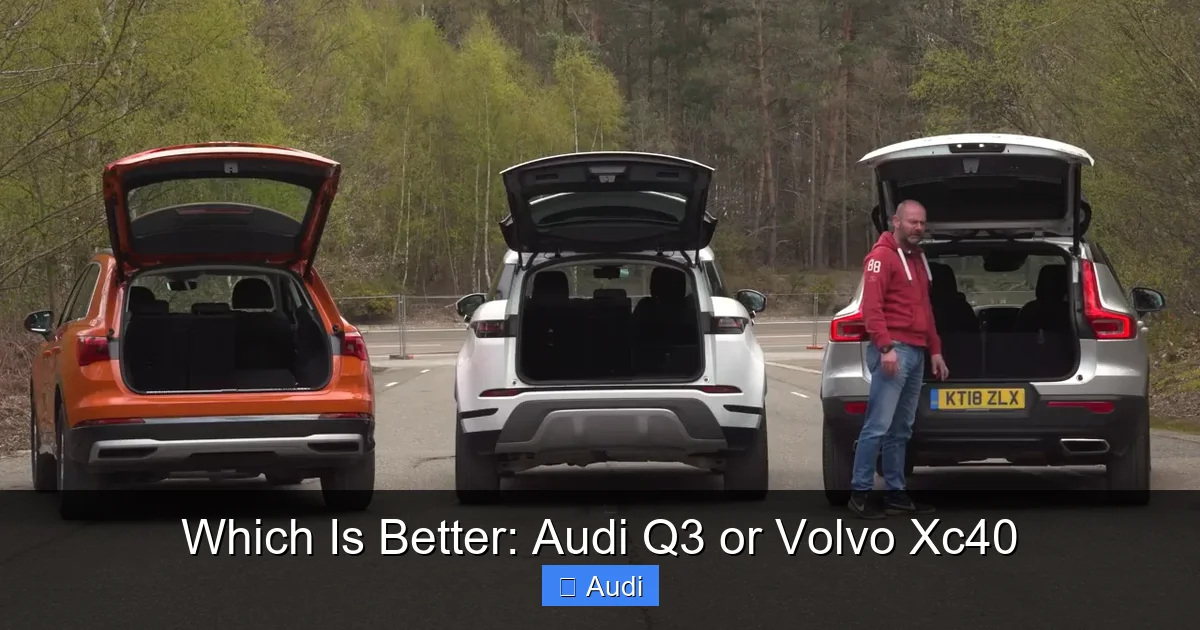
The Audi Q3 wears its German engineering pride on its sleeve. With sharp lines, a bold Singleframe grille, and aggressive LED headlights, it looks like it’s ready to take on the Autobahn—even if you’re just heading to the grocery store. The Q3 has a sporty, athletic stance, especially in the S line trim, which adds larger wheels, a more pronounced front bumper, and subtle body cladding. It’s not trying to be flashy, but it definitely turns heads with its clean, modern aesthetic.
Visual guide about Which Is Better: Audi Q3 or Volvo Xc40
Image source: s1.cdn.autoevolution.com
In contrast, the Volvo XC40 embraces Scandinavian minimalism. It’s boxy, yes, but in a charming, intentional way—like a well-designed piece of furniture. The upright posture gives it a commanding presence on the road, and the contrast-color roof (a signature Volvo touch) adds a playful pop. The XC40 doesn’t scream for attention, but it earns respect through thoughtful design. It’s the kind of car that looks just as good parked outside a modern café as it does on a mountain trail.
Interior Design Philosophy
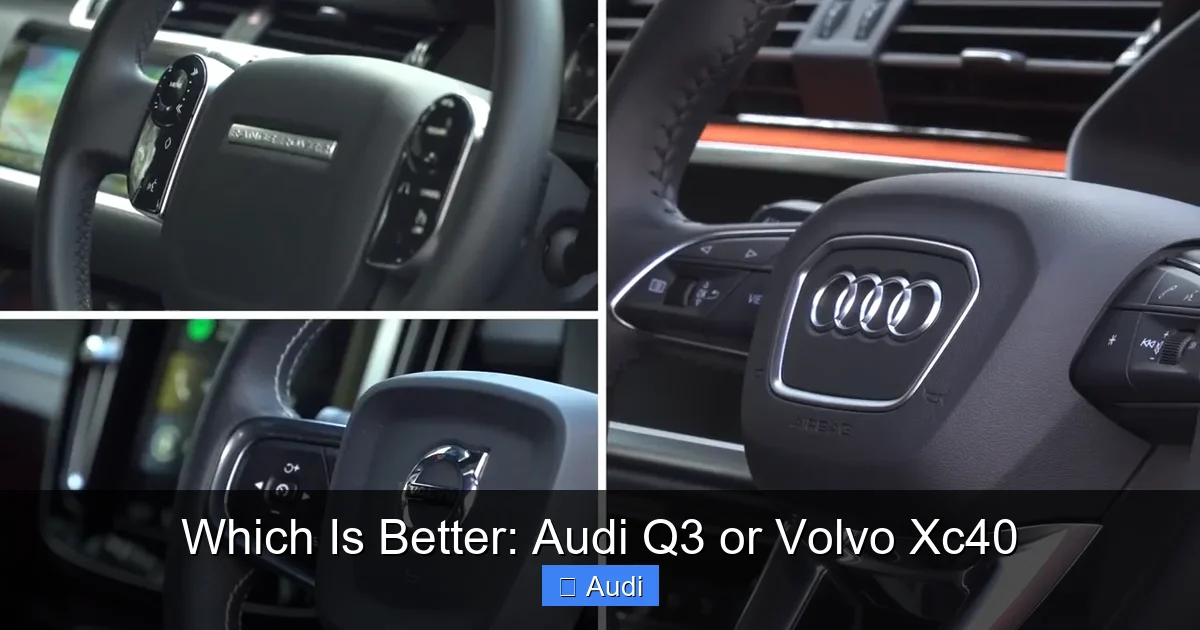
Step inside the Audi Q3, and you’re greeted by a driver-focused cockpit. The dashboard leans slightly toward the driver, and the materials feel premium—soft-touch plastics, aluminum trim, and optional leather upholstery. The overall vibe is sleek and tech-forward, with a sense of precision that Audi is known for. The Q3’s interior feels like a cockpit, which is great if you enjoy a sporty, immersive driving experience.
The Volvo XC40, however, takes a different approach. Its cabin is all about comfort and usability. The layout is simple and intuitive, with high-quality materials like wool blend upholstery (yes, really!) and sustainable finishes. The vertical touchscreen dominates the center stack, and everything is within easy reach. Volvo prioritizes ergonomics and calm—there’s no clutter, no unnecessary buttons. It’s a space designed to reduce stress, not add to it. If you value peace and practicality, the XC40’s interior will feel like a breath of fresh air.
Real-World Example: A Weekend Getaway
Imagine packing for a weekend trip to the mountains. In the Audi Q3, you’ll appreciate the sleek roof rails and available panoramic sunroof that lets in natural light. The cargo area is well-shaped, but the sloping rear roofline can limit taller items. In the Volvo XC40, the boxy shape means more vertical space—great for strollers, coolers, or even a small dog crate. Plus, the rear seats fold flat with a clever “magic” storage compartment underneath the floor. For families or outdoor enthusiasts, that extra space can make all the difference.
Performance and Driving Experience: Sporty vs. Smooth
Engine Options and Power
Under the hood, the Audi Q3 offers two turbocharged four-cylinder engines. The base 2.0-liter TFSI delivers 228 horsepower and 258 lb-ft of torque, which is plenty for daily driving and highway merging. The optional 2.0-liter TFSI in the S line trim bumps that up slightly, but the real fun comes with the available quattro all-wheel drive system. It’s responsive, engaging, and gives the Q3 a confident edge in wet or slippery conditions.
Visual guide about Which Is Better: Audi Q3 or Volvo Xc40
Image source: s1.cdn.autoevolution.com
The Volvo XC40 also comes with a 2.0-liter turbocharged four-cylinder, but it’s tuned for smoothness over sportiness. The standard B4 mild-hybrid engine produces 247 horsepower and 258 lb-ft of torque—slightly more than the base Q3—and includes a 48-volt battery to assist with acceleration and reduce fuel consumption. The XC40 also offers all-wheel drive as standard on most trims, which is a nice touch for those in snowy or rainy climates.
Handling and Ride Comfort
Driving the Audi Q3 feels like piloting a sport sedan that’s been lifted slightly. The steering is precise, the suspension is firm but not harsh, and the car corners with confidence. It’s the kind of SUV that rewards spirited driving, especially on winding roads. However, that sporty setup can feel a bit stiff on rough city streets, where potholes and speed bumps are common.
The Volvo XC40, by contrast, prioritizes comfort. The suspension is tuned to absorb bumps and road imperfections, making it a smoother ride overall. It doesn’t feel as nimble as the Q3 in tight corners, but it’s far more forgiving on long drives or bumpy commutes. If you spend a lot of time on uneven roads or value a relaxed driving experience, the XC40 has the edge.
Real-World Example: The Daily Commute
Let’s say you’re driving 30 miles each way to work, half on highways and half on city streets. In the Audi Q3, you’ll enjoy the responsive throttle and quick shifts from the seven-speed dual-clutch transmission. It feels alive and engaging, especially when you punch it on the freeway. But in stop-and-go traffic, the firm suspension might have you feeling every crack in the pavement.
In the Volvo XC40, the mild-hybrid system helps with smooth starts and stops, and the ride is noticeably quieter and more composed. The adaptive cruise control and lane-keeping assist make highway driving less tiring. For daily commuters, especially those in congested areas, the XC40’s comfort-focused setup can be a real win.
Interior Space and Practicality: Room to Breathe
Front and Rear Seat Comfort
Both SUVs offer comfortable front seats with good support, but the Audi Q3 leans toward a sportier feel. The seats are bolstered to keep you in place during spirited driving, which is great for enthusiasts but can feel a bit snug for larger passengers. The driving position is low and sporty, which some love and others find less commanding.
The Volvo XC40 offers a higher seating position, which many drivers prefer for better visibility. The seats are plush and supportive, with optional heating and ventilation. Rear-seat space is where the XC40 really shines. Thanks to its boxy design, there’s more headroom and legroom for backseat passengers. Taller adults will appreciate the extra space, especially on longer trips.
Cargo Capacity and Flexibility
When it comes to cargo, the numbers tell part of the story. The Audi Q3 offers 23.8 cubic feet behind the rear seats and 53.9 cubic feet with the seats folded. That’s decent, but the sloping roofline limits vertical space. Loading tall items like a vacuum or a plant can be a challenge.
The Volvo XC40 provides 20.4 cubic feet behind the rear seats and 57.5 cubic feet with the seats down. While the starting number is slightly smaller, the overall usability is better. The flat load floor, wide opening, and clever storage solutions—like the fold-flat front passenger seat and under-floor compartments—make it more versatile. Plus, the XC40 offers a hands-free power tailgate on higher trims, which is a lifesaver when your hands are full.
Real-World Example: Family Errands
Picture this: you’re picking up groceries, a new suitcase, and your kid’s soccer gear—all in one trip. In the Audi Q3, you’ll manage, but you might have to fold down one rear seat and squeeze the suitcase in at an angle. In the Volvo XC40, the wider cargo area and flat floor make it easier to organize. The under-floor storage is perfect for hiding valuables or stashing wet shoes. And if you need even more space, the front passenger seat folds completely flat, turning the XC40 into a mini cargo hauler.
Technology and Infotainment: Smarts and Simplicity
Infotainment Systems Compared
The Audi Q3 comes with a 10.1-inch touchscreen running Audi’s MMI system. It’s responsive, sharp, and supports Apple CarPlay and Android Auto. The interface is intuitive, but it can feel a bit busy with multiple menus. The optional Virtual Cockpit Plus replaces the traditional instrument cluster with a fully digital 12.3-inch display—customizable and stunning, especially at night. It’s a tech lover’s dream, but it can be overwhelming for those who prefer simplicity.
The Volvo XC40 uses a 9-inch vertical touchscreen powered by Google Automotive Services. This means built-in Google Maps, Google Assistant, and access to the Google Play Store for apps. It’s clean, fast, and deeply integrated. Apple CarPlay and Android Auto are also supported. The system is designed to reduce distraction—voice commands work well, and the interface is uncluttered. For drivers who want smart tech without the complexity, the XC40’s system is a breath of fresh air.
Driver Assistance and Safety Tech
Both vehicles come loaded with advanced safety features. The Audi Q3 includes standard forward collision warning, automatic emergency braking, lane departure warning, and blind-spot monitoring. Higher trims add adaptive cruise control, traffic jam assist, and a 360-degree camera. Audi’s Pre Sense system can detect pedestrians and cyclists, and even prepare the car for a potential collision.
The Volvo XC40, as expected, takes safety to another level. Standard features include City Safety (automatic braking for pedestrians, cyclists, and large animals), lane keeping aid, run-off road protection, and oncoming lane mitigation. The XC40 also offers Pilot Assist, a semi-autonomous driving system that combines adaptive cruise control with lane centering—great for long highway drives. Volvo’s commitment to safety is unmatched, and it shows in every detail.
Real-World Example: A Rainy Night Drive
Imagine driving home late on a rainy night, visibility is low, and traffic is heavy. In the Audi Q3, the adaptive headlights and lane-keeping assist help keep you on track, but you’ll still need to stay alert. In the Volvo XC40, the combination of Pilot Assist, rain-sensing wipers, and advanced collision avoidance systems gives you an extra layer of confidence. The car feels like it’s looking out for you—literally.
Fuel Efficiency and Running Costs: The Long-Term View
MPG and Fuel Economy
Fuel efficiency is a key factor for many buyers. The Audi Q3 with front-wheel drive gets an EPA-estimated 22 mpg city and 28 mpg highway. With quattro all-wheel drive, those numbers drop slightly to 20/27 mpg. It’s respectable, but not class-leading.
The Volvo XC40 B4 mild-hybrid model achieves 23 mpg city and 32 mpg highway with front-wheel drive, and 22/30 mpg with all-wheel drive. The mild-hybrid system helps reduce fuel consumption, especially in stop-and-go traffic. Over time, those extra miles per gallon can add up—especially if you drive a lot.
Maintenance and Reliability
Both brands are known for quality, but maintenance costs can vary. Audi parts and labor tend to be on the higher side, and while the Q3 is reliable, it’s not immune to the occasional electrical or software glitch. Extended warranties and prepaid maintenance plans can help manage costs.
Volvo has made strides in reliability and offers a competitive warranty—four years/50,000 miles with complimentary scheduled maintenance for the first three years. The XC40’s simpler mechanical layout and focus on durability often result in fewer unexpected repairs. Plus, Volvo’s service network is growing, making it easier to find support.
Real-World Example: Five Years of Ownership
Let’s say you keep either car for five years and drive 15,000 miles annually. The Volvo XC40’s better fuel economy could save you hundreds in gas. Add in lower maintenance costs and complimentary service, and the XC40 starts to look like the smarter long-term investment. The Audi Q3 offers more driving excitement, but it may cost more to keep on the road.
Value and Ownership Experience: What You Get for Your Money
Pricing and Trim Levels
The Audi Q3 starts around $37,000 for the base Premium trim. Step up to the Premium Plus or S line, and you’re looking at $42,000–$48,000. Add options like the Virtual Cockpit, Bang & Olufsen sound system, or quattro AWD, and the price can climb quickly. It’s a premium experience, but it comes at a premium price.
The Volvo XC40 starts slightly lower, around $36,000 for the base Core trim. The mid-level Plus and top-tier Ultimate trims range from $40,000 to $47,000. You get more standard features at each level—like all-wheel drive, advanced safety tech, and a more luxurious interior. For the money, the XC40 often feels like better value.
Resale Value and Depreciation
Audi traditionally holds its value well, especially in the luxury segment. The Q3 is expected to retain about 50–55% of its value after three years, which is strong for a compact SUV. However, high initial pricing means even a small percentage drop can mean a big dollar loss.
Volvo has improved its resale value in recent years. The XC40 is projected to hold around 48–52% of its value after three years. While slightly lower than Audi, the lower starting price means the actual depreciation cost is often comparable—or even better—when you factor in total cost of ownership.
Real-World Example: Leasing vs. Buying
If you’re leasing, the Audi Q3 might offer lower monthly payments due to strong residual values. But if you’re buying and keeping the car long-term, the Volvo XC40’s lower maintenance costs and better fuel economy could save you money over time. It’s not just about the sticker price—it’s about what you’ll spend over the life of the vehicle.
Final Verdict: Which Is Better for You?
So, which is better: the Audi Q3 or the Volvo XC40? The answer isn’t one-size-fits-all. It depends on your priorities, lifestyle, and what you value most in a vehicle.
If you crave a sporty, engaging driving experience with sharp styling and cutting-edge tech, the Audi Q3 is a fantastic choice. It’s perfect for drivers who want a luxury SUV that feels like a performance car. It’s ideal for singles, couples, or small families who prioritize driving dynamics and brand prestige.
On the other hand, if you value comfort, practicality, safety, and long-term value, the Volvo XC40 is hard to beat. It’s the better choice for families, commuters, and anyone who wants a calm, capable SUV that makes everyday life easier. Its thoughtful design, advanced safety features, and lower running costs make it a smart, sustainable pick.
Here’s a quick summary to help you decide:
- Choose the Audi Q3 if: You love driving, want a sporty feel, and don’t mind paying a premium for German engineering.
- Choose the Volvo XC40 if: You prioritize comfort, safety, space, and long-term value—and appreciate Scandinavian design.
Ultimately, both the Audi Q3 and Volvo XC40 are excellent compact luxury SUVs. They each shine in different areas, and the “better” one is the one that fits your life. Test drive both if you can—because nothing beats experiencing the difference firsthand. Whether you fall for the Q3’s precision or the XC40’s peace of mind, you’re getting a high-quality vehicle that will serve you well for years to come.
Frequently Asked Questions
Which is better: Audi Q3 or Volvo XC40 for city driving?
The Volvo XC40 edges out slightly for city driving due to its higher seating position, better visibility, and more compact turning radius. The Audi Q3 offers a smoother ride but feels less agile in tight urban spaces.
How do the Audi Q3 and Volvo XC40 compare in terms of safety features?
Both SUVs excel in safety, but the Volvo XC40 has a slight advantage with its standard City Safety system and top marks in crash tests. The Audi Q3 also includes strong safety tech, though some advanced features are optional.
Which SUV has more cargo space: Audi Q3 or Volvo XC40?
The Audi Q3 offers slightly more cargo space with 23.8 cubic feet behind the rear seats compared to the XC40’s 20.4 cubic feet. However, the Volvo provides clever storage solutions that maximize practicality in daily use.
Is the Audi Q3 or Volvo XC40 more fuel-efficient?
The Volvo XC40, especially with its mild-hybrid engine option, tends to be more fuel-efficient in real-world driving. The Audi Q3 delivers strong performance but consumes more fuel, particularly with the higher-output engines.
Which is better for families: Audi Q3 or Volvo XC40?
The Volvo XC40 is often preferred by families for its intuitive infotainment, spacious rear seats, and user-friendly design. The Audi Q3 offers a more premium interior but has slightly less rear legroom.
How does the driving experience differ between the Audi Q3 and Volvo XC40?
The Audi Q3 provides a sportier, more engaging drive with precise steering and a refined suspension. The Volvo XC40 focuses on comfort and ease of use, making it ideal for relaxed, everyday commuting.
