
Is Paint Protection Film Worth It on a New Car?

Paint protection film (PPF) is a smart investment for new Lexus owners who want to preserve their car’s flawless finish. It guards against rock chips, UV damage, and everyday wear, helping maintain resale value and reducing long-term repair costs.
So, you’ve just driven off the lot in your brand-new Lexus—gleaming paint, that fresh leather scent, and that quiet hum of luxury engineering. It’s perfect. But within days, you notice a tiny chip on the hood from a highway pebble. Or maybe a bird decides your side mirror is the perfect landing spot. Suddenly, that flawless finish feels fragile.
You’re not alone. Every year, thousands of new car owners face the same dilemma: how do I keep my Lexus looking showroom-new for as long as possible? Enter paint protection film (PPF)—a transparent, durable layer applied to your car’s exterior to shield it from the everyday abuse of the road. But is it really worth the investment? Let’s break it down.
For Lexus owners, who often prioritize craftsmanship, elegance, and long-term value, protecting that pristine paint isn’t just about aesthetics—it’s about preserving the integrity of a premium vehicle. PPF has evolved from a niche accessory to a mainstream solution, especially for luxury brands like Lexus, where paint quality and finish are top-tier. But with prices ranging from $1,500 to $4,000 depending on coverage and installer, it’s natural to question whether it’s truly worth it.
In this guide, we’ll explore what paint protection film is, how it works, its benefits and drawbacks, installation considerations, and real-world value for Lexus owners. Whether you drive a sleek ES sedan, a rugged RX SUV, or a performance-tuned IS F Sport, this information will help you decide if PPF is the right choice for your new ride.
Key Takeaways
- Protects Against Daily Hazards: PPF shields your Lexus from rock chips, bug splatter, bird droppings, and minor abrasions caused by road debris and car washes.
- Preserves Resale Value: A well-maintained exterior with minimal paint damage can significantly increase your car’s resale or trade-in value.
- Self-Healing Properties: High-quality PPF has self-healing technology that repairs minor scratches when exposed to heat, keeping your paint looking new.
- UV and Chemical Resistance: PPF blocks harmful UV rays and resists damage from acidic contaminants like tree sap and road salt.
- Professional Installation Matters: DIY kits often lead to bubbles and misalignment; certified installers ensure seamless, long-lasting results.
- Cost vs. Long-Term Savings: While upfront cost ranges from $1,500–$4,000, it can save thousands in repainting and touch-up expenses over time.
- Ideal for High-Impact Areas: Front bumper, hood, fenders, mirrors, and door edges benefit most from PPF coverage.
📑 Table of Contents
- What Is Paint Protection Film (PPF)?
- Why Lexus Owners Should Consider PPF
- How Paint Protection Film Works
- Cost of Paint Protection Film: Is It Worth the Price?
- Professional Installation vs. DIY: Why It Matters
- Maintenance and Care for PPF
- Real-World Examples: PPF in Action
- Alternatives to PPF: What Are Your Options?
- Conclusion: Is Paint Protection Film Worth It on a New Lexus?
What Is Paint Protection Film (PPF)?
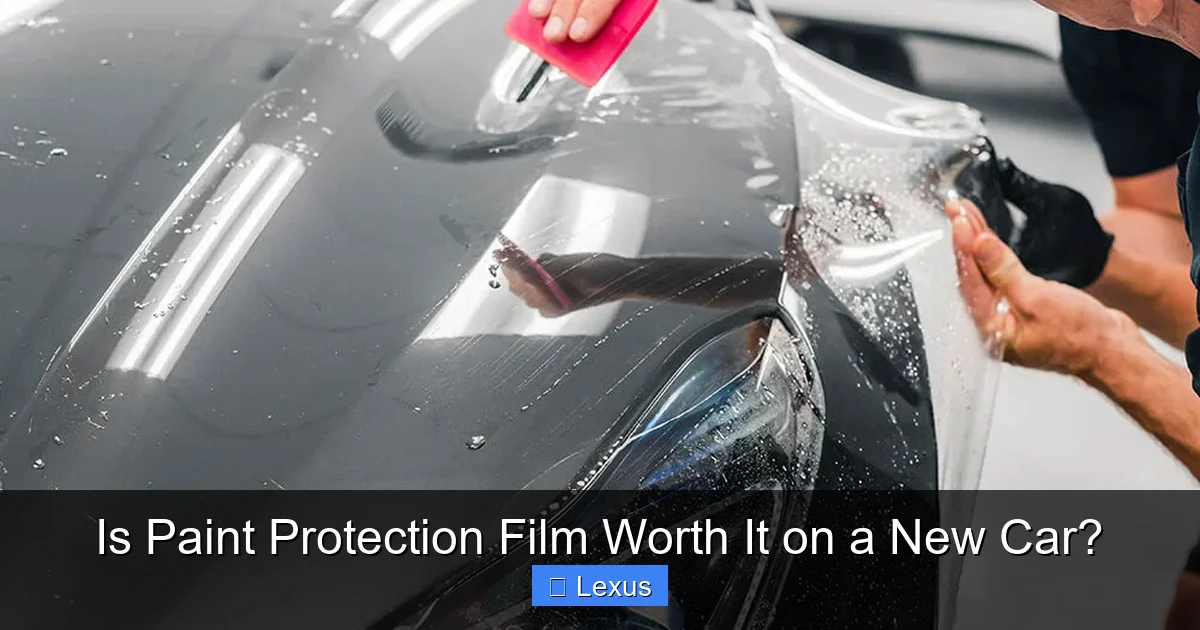
Paint protection film, often called PPF or clear bra, is a thermoplastic urethane film applied to the painted surfaces of a vehicle. Originally developed for military helicopters to protect rotor blades from debris, PPF has been refined over decades for automotive use. Today’s films are ultra-clear, flexible, and incredibly durable—designed to absorb impacts and resist damage without altering your car’s appearance.
Modern PPF is typically 6 to 8 mils thick (about the width of a business card) and consists of multiple layers: a topcoat for UV and chemical resistance, a self-healing layer that repairs minor scratches with heat, an adhesive layer, and a release liner that’s removed during installation. The best films, like those from brands such as XPEL, SunTek, and 3M, are optically clear and nearly invisible when properly applied.
Unlike wax or ceramic coatings—which sit on top of the paint and offer temporary protection—PPF bonds directly to the surface and provides physical barrier against damage. Think of it as a sacrificial layer: it takes the hit so your paint doesn’t have to.
For Lexus owners, this means your car’s factory-applied paint—already engineered for durability and gloss—gets an extra layer of defense. Whether you’re navigating city streets, highway commutes, or weekend road trips, PPF helps maintain that “just detailed” look for years.
Why Lexus Owners Should Consider PPF
Visual guide about Is Paint Protection Film Worth It on a New Car?
Image source: cobracarwrapping.ae
Lexus vehicles are known for their meticulous attention to detail, from hand-stitched leather interiors to precision-engineered suspensions. That same care extends to the paint. Lexus uses high-quality clear coats and multi-stage painting processes that deliver deep, mirror-like finishes. But even the best paint can’t withstand everything the road throws at it.
Here’s why PPF makes sense for Lexus drivers:
1. Protection from Road Debris
Highway driving is the biggest enemy of your front end. At speeds over 50 mph, even small rocks can chip paint. The front bumper, hood, and fenders are most vulnerable. PPF absorbs these impacts, preventing chips and cracks that can lead to rust and costly repairs.
2. Defense Against Environmental Contaminants
Bird droppings, tree sap, bug splatter, and road salt are acidic and can etch into paint over time. PPF creates a barrier that makes cleanup easier and reduces the risk of permanent staining. This is especially important in regions with harsh winters or high insect activity.
3. UV and Oxidation Resistance
Prolonged sun exposure can fade paint and degrade clear coats. PPF blocks up to 99% of UV rays, helping preserve your Lexus’s color and shine. This is crucial for lighter colors like white, silver, or champagne, which show fading more visibly.
4. Maintaining Resale Value
A Lexus with minimal paint damage commands a higher resale or trade-in value. Buyers notice chips, scratches, and swirl marks—especially on premium vehicles. PPF helps keep your car looking like it just rolled off the showroom floor, which can translate to thousands of dollars in added value down the road.
5. Peace of Mind
Let’s be honest—no one wants to stress over every parking lot bump or highway pebble. PPF gives you confidence that your investment is protected, so you can enjoy driving your Lexus without constant worry.
How Paint Protection Film Works
Visual guide about Is Paint Protection Film Worth It on a New Car?
Image source: polishedprotection.com
PPF works by acting as a physical shield between your car’s paint and the outside world. But it’s not just a plastic wrap—it’s a high-tech material engineered for performance.
Impact Absorption
The film is designed to flex and absorb energy from small impacts. When a rock hits the film, the material deforms slightly and dissipates the force, preventing it from reaching the paint underneath. This is similar to how a phone case protects a smartphone screen.
Self-Healing Technology
One of the most impressive features of modern PPF is its self-healing ability. The top layer contains a special polymer that flows back into place when exposed to heat—like sunlight or warm water. Light scratches and swirl marks disappear within minutes or hours, keeping the film looking smooth and clear.
Hydrophobic and Oleophobic Properties
Many premium PPFs are treated with hydrophobic (water-repelling) and oleophobic (oil-repelling) coatings. This means water beads up and rolls off, and contaminants like oil and grime don’t stick as easily. It makes washing your Lexus quicker and reduces the risk of water spots.
UV and Chemical Resistance
The film’s topcoat is formulated to resist degradation from UV rays, acid rain, and harsh chemicals. This prevents yellowing, hazing, or brittleness over time—common issues with lower-quality films.
Adhesion Without Damage
High-quality PPF uses a pressure-sensitive adhesive that bonds firmly to the paint but can be removed without damaging the finish. This is crucial for leased vehicles or owners who may want to remove the film later.
Cost of Paint Protection Film: Is It Worth the Price?

Visual guide about Is Paint Protection Film Worth It on a New Car?
Image source: polishedprotection.com
The big question: how much does PPF cost, and is it worth it?
Average Pricing
PPF costs vary based on coverage, film brand, and installer expertise. Here’s a general breakdown:
- Partial Front Coverage (bumper, hood, fenders, mirrors): $1,200–$2,500
- Full Front Coverage (adds headlights, side skirts): $2,000–$3,500
- Full Vehicle Coverage: $3,500–$6,000+
For most Lexus owners, partial or full front coverage offers the best balance of protection and cost. The front end takes 80% of the damage, so protecting it covers the highest-risk areas.
Comparing Costs to Alternatives
Let’s put PPF in perspective:
- Ceramic Coating: $800–$2,000. Offers excellent gloss and hydrophobic properties but no impact protection. Best used in conjunction with PPF.
- Wax/Sealant: $50–$200 per application. Temporary protection (3–6 months). Requires frequent reapplication.
- Touch-Up Paint Repairs: $100–$500 per chip. Can look patchy and reduce resale value.
- Full Repaint: $3,000–$8,000. Often needed if paint is damaged or faded.
Over 5–7 years, PPF can save you thousands in avoided repairs and repaints. It also helps maintain your car’s value, which can offset the initial cost when you sell or trade in.
Long-Term Value
Consider this: a $2,500 PPF installation on a $60,000 Lexus RX protects 10% of the car’s value. If it prevents $3,000 in paint repairs and adds $2,000 to resale value, the net benefit is $2,500—essentially paying for itself.
Professional Installation vs. DIY: Why It Matters
You might be tempted to save money with a DIY PPF kit. But for a luxury vehicle like a Lexus, professional installation is strongly recommended.
The Risks of DIY
DIY kits are cheaper ($200–$600), but they come with significant drawbacks:
- Bubbles and Wrinkles: Improper application leads to trapped air and water, which can ruin the appearance.
- Misalignment: Cutting and fitting film around complex curves (like mirrors or grilles) is difficult without precision tools.
- Poor Adhesion: Low-quality adhesives may peel or lift at the edges, especially in heat or rain.
- No Warranty: Most DIY kits don’t come with manufacturer warranties.
Benefits of Professional Installation
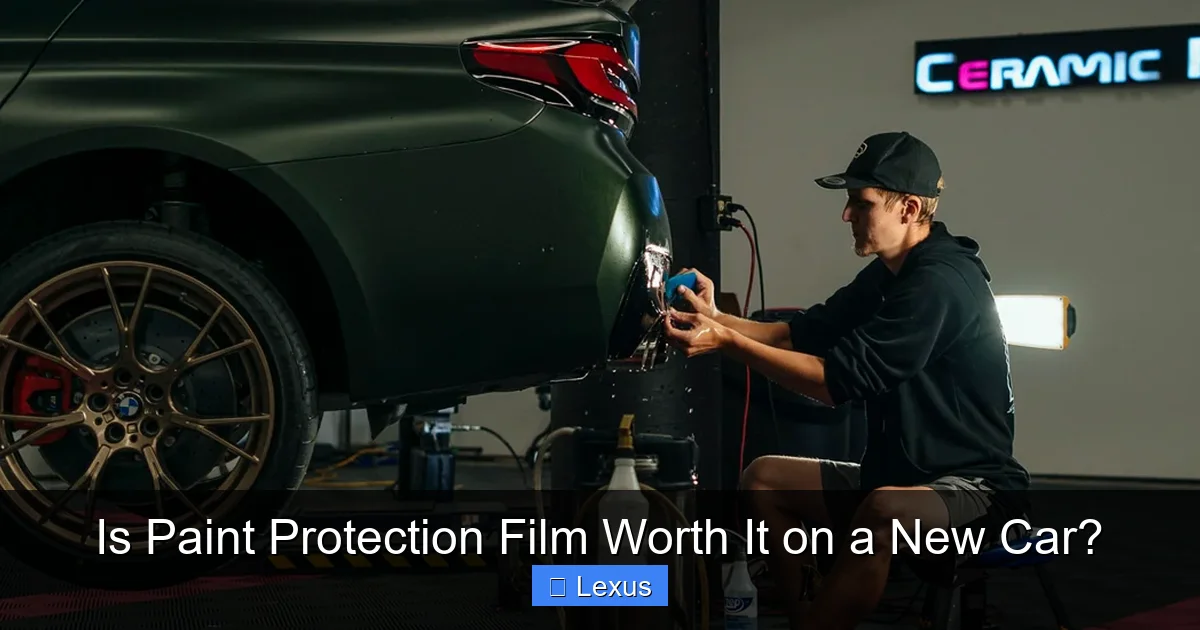
Certified installers use computer-cut patterns, clean rooms, and specialized tools to ensure a flawless finish. They also offer warranties—often 5–10 years—covering yellowing, cracking, and peeling.
For Lexus owners, the peace of mind and quality of a professional install are worth the extra cost. A poorly applied film can detract from your car’s elegance, which defeats the purpose.
What to Look for in an Installer
- Certification from film manufacturers (e.g., XPEL Certified Installer)
- Clean, climate-controlled workspace
- Portfolio of before-and-after photos
- Positive reviews and referrals
- Warranty coverage
Maintenance and Care for PPF
Once installed, PPF requires minimal maintenance—but a few best practices will keep it looking great.
Washing Your Lexus
- Use a pH-neutral car shampoo.
- Avoid automatic car washes with harsh brushes—opt for touchless or hand wash.
- Rinse thoroughly to remove dirt before washing.
- Dry with a microfiber towel to prevent water spots.
Dealing with Stains and Contaminants
- Remove bird droppings, sap, or bugs within 24 hours.
- Use a soft cloth and mild cleaner—avoid abrasive pads.
- For stubborn stains, use a dedicated PPF cleaner or isopropyl alcohol (diluted 50/50 with water).
Heat and Self-Healing
- Park in the sun or use warm water to activate self-healing.
- Light scratches usually disappear within hours.
- Avoid parking under trees or near construction sites to reduce debris exposure.
Inspection and Touch-Ups
- Check edges and seams every few months for lifting.
- If a section peels, contact your installer for repair—most offer free touch-ups under warranty.
Real-World Examples: PPF in Action
Let’s look at a few scenarios where PPF made a difference for Lexus owners.
Case Study 1: Highway Commuter
Sarah drives her Lexus ES 350 daily on a 60-mile highway commute. Within six months, she noticed multiple chips on the hood and bumper. After installing full front PPF, she’s driven another 20,000 miles with zero new chips. “It’s like having invisible armor,” she says. “I don’t even think about rocks anymore.”
Case Study 2: Lease Return
Mark leased a Lexus NX 350 and had PPF installed at delivery. At the end of his 36-month lease, the car had no paint damage. The dealership noted the pristine condition and approved the return without deductions. “The PPF paid for itself in lease-end savings,” he says.
Case Study 3: Winter Driver
In Minnesota, Lisa’s Lexus RX is exposed to salt, snow, and ice. She added PPF to the lower doors and rocker panels. “Salt used to eat through the paint on my old car,” she says. “This time, the film took the abuse, and the paint underneath is flawless.”
Alternatives to PPF: What Are Your Options?
PPF isn’t the only way to protect your Lexus. Here’s how it compares to other popular methods.
Ceramic Coating
Ceramic coatings create a hard, glossy layer that repels water, dirt, and UV rays. They last 2–5 years and enhance shine. But they offer no impact protection. Many owners combine PPF with ceramic coating—PPF on high-risk areas, coating on the rest.
Wax and Sealants
These are affordable and easy to apply but last only a few months. They improve gloss and water beading but don’t prevent chips or scratches.
Vinyl Wraps
Full or partial wraps change your car’s color and offer some protection. But they’re more about aesthetics than defense. Wraps can also trap moisture if not applied correctly.
Factory Paint Protection
Some Lexus dealers offer “paint protection” packages, but these are often low-quality sealants or thin films. They’re better than nothing but not as durable as professional PPF.
For maximum protection, PPF remains the gold standard—especially for new vehicles.
Conclusion: Is Paint Protection Film Worth It on a New Lexus?
After weighing the costs, benefits, and real-world experiences, the answer is clear: yes, paint protection film is worth it on a new Lexus—especially if you plan to keep the car for several years or prioritize resale value.
PPF offers unmatched protection against the daily hazards that threaten your car’s paint. It preserves the flawless finish that makes a Lexus stand out, reduces long-term maintenance costs, and gives you peace of mind on every drive. While the upfront investment may seem steep, the long-term savings and value retention make it a smart financial decision.
For Lexus owners who appreciate quality, craftsmanship, and longevity, PPF is more than an accessory—it’s an essential part of protecting your investment. Whether you choose partial front coverage or go full vehicle, professional installation ensures a seamless, invisible shield that lets your car’s beauty shine through.
So, before that first rock chip appears, consider giving your new Lexus the protection it deserves. After all, luxury isn’t just about how it drives—it’s about how it looks, year after year.
Frequently Asked Questions
How long does paint protection film last?
High-quality PPF typically lasts 5 to 10 years, depending on the brand, installation, and maintenance. Most manufacturers offer warranties covering yellowing, cracking, and peeling during this time.
Can PPF be removed without damaging the paint?
Yes, professional-grade PPF can be safely removed by a certified installer without harming the underlying paint. The adhesive is designed to release cleanly when heated properly.
Will PPF change the appearance of my Lexus?
No—when applied correctly, PPF is optically clear and nearly invisible. It may enhance gloss slightly, but it won’t alter your car’s color or finish.
Can I apply PPF myself?
While DIY kits are available, professional installation is strongly recommended for Lexus vehicles. Improper application can lead to bubbles, peeling, and a poor appearance.
Does PPF protect against rust?
Indirectly, yes. By preventing paint chips and scratches, PPF reduces the risk of moisture reaching the metal, which can lead to rust over time.
Is PPF worth it if I lease my Lexus?
Absolutely. PPF helps maintain your car’s condition, reducing wear-and-tear deductions at lease-end. Many lessees find it pays for itself in avoided fees.
