
How to Rig a Dodger for Trout

Rigging a dodger for trout is a game-changer for anglers looking to improve their catch rates. This simple yet effective lure setup mimics injured baitfish, triggering aggressive strikes from trout in lakes, rivers, and reservoirs. With the right gear and technique, you can turn a slow day into a trophy-filled adventure.
If you’ve ever spent a quiet morning on the lake only to watch other anglers reel in trout after trout while your line stays still, you’re not alone. Trout can be finicky, and sometimes the difference between a skunk and a full cooler comes down to one simple piece of gear: the dodger. You might be thinking, “Wait—isn’t this an automotive article?” Not quite. While the word “dodger” might make you picture a classic car, in the fishing world, it’s a powerful lure component that can dramatically improve your success rate. This guide will walk you through everything you need to know about how to rig a dodger for trout—from choosing the right gear to mastering retrieval techniques that trigger explosive strikes.
Trout are predators, but they’re also cautious. They rely heavily on sight and vibration to detect prey, especially in clear water. That’s where the dodger comes in. This small, often teardrop-shaped metal or plastic device spins as it’s pulled through the water, creating a combination of flash, wobble, and vibration that mimics a wounded or fleeing baitfish. When rigged correctly, it acts like a dinner bell for trout, drawing them in from a distance and triggering their instinct to strike. Whether you’re trolling in a lake, drifting in a river, or casting from shore, learning how to rig a dodger for trout can turn an average outing into a memorable one.
Key Takeaways
- Understand what a dodger is: A dodger is a metal or plastic flasher that spins in the water, creating flash and vibration to attract trout.
- Choose the right dodger size: Match the dodger to your target trout species and water conditions—smaller for finesse fishing, larger for aggressive fish.
- Use quality terminal tackle: Strong swivels, durable leaders, and sharp hooks are essential for a reliable rig.
- Pair with the right lure or bait: Combine your dodger with spinners, spoons, or live bait like worms or minnows for maximum effectiveness.
- Master retrieval techniques: Vary your speed and depth to find what triggers strikes on any given day.
- Fish in the right spots: Focus on drop-offs, weed lines, and current breaks where trout hold and feed.
- Practice makes perfect: Experiment with different setups and learn from each outing to refine your dodger rigging skills.
📑 Table of Contents
- What Is a Dodger and Why Use It for Trout?
- Choosing the Right Dodger for Your Fishing Conditions
- How to Rig a Dodger for Trout: Step-by-Step Guide
- Best Lures and Baits to Pair with a Dodger
- Retrieval Techniques That Trigger Strikes
- Where to Fish with a Dodger Rig
- Troubleshooting Common Dodger Rig Problems
- Conclusion
What Is a Dodger and Why Use It for Trout?
A dodger is a type of flasher lure—essentially a metal or plastic blade that spins freely on a swivel when retrieved. It’s commonly used in trolling applications but can also be effective when cast and retrieved. The primary function of a dodger is to create action and attraction. As it spins, it reflects light (hence the name “dodger”—it “dodges” through the water with erratic movement), producing a shimmering effect that mimics the flash of a school of baitfish. This visual and vibrational stimulus is irresistible to trout, especially rainbow, brown, and cutthroat trout, which are naturally drawn to movement and contrast.
So why use a dodger instead of just tying on a spoon or spinner? The answer lies in presentation. A dodger doesn’t just attract fish—it enhances the action of whatever lure or bait you attach behind it. Think of it as a stage manager for your fishing show. While the dodger draws attention, the trailing lure or bait delivers the payoff. This two-part system increases your chances of triggering a strike, especially in low-light conditions or when fish are being selective. Plus, dodders are versatile. They work in still water, moving water, deep lakes, and shallow streams. Whether you’re fishing from a boat, kayak, or shoreline, a well-rigged dodger can be your secret weapon.
How Dodgers Trigger Trout Strikes
Trout are ambush predators. They often lie in wait near structure—drop-offs, submerged logs, weed beds—and rely on quick bursts of speed to catch prey. Their eyes are adapted to detect movement and contrast, making them highly responsive to anything that looks like an easy meal. A dodger exploits this instinct. The spinning motion creates a thumping vibration that travels through the water, alerting trout to potential food. At the same time, the flashing surface catches their eye, especially in overcast conditions or early morning light when visibility is lower.
When a trout sees and feels the dodger, it often follows out of curiosity or aggression. Once it gets close, it sees the trailing lure or bait—say, a small spinner or a piece of worm—and decides whether to strike. The dodger essentially acts as a “come-hither” signal, while the lure delivers the meal. This combination is particularly effective when trout are feeding on small fish like shiners, smelt, or juvenile trout. The dodger mimics the erratic movement of a school, while the trailing bait looks like a straggler—perfect for an opportunistic predator.
Types of Dodgers: Metal vs. Plastic
Not all dodders are created equal. The two main types are metal and plastic, each with its own advantages and ideal uses.
Metal dodders—usually made of brass, nickel, or stainless steel—are durable and produce a strong, consistent flash. They’re heavier, which helps them sink faster and reach deeper depths when trolling. This makes them ideal for fishing in deeper lakes or when you need to get down to where the trout are holding. Metal dodders also tend to spin more aggressively, creating a louder vibration that can be felt from a distance. However, their weight can be a drawback in shallow water or when casting, as they may sink too quickly or be harder to retrieve smoothly.
Plastic dodders, on the other hand, are lighter and more buoyant. They’re great for shallow water fishing, casting, or when you want a slower, more subtle presentation. Because they don’t sink as fast, they’re perfect for fishing near the surface or in weedy areas where you don’t want to snag the bottom. Plastic dodders also come in a variety of colors and finishes, allowing you to match the hatch more precisely. Some even have holographic or prismatic coatings that enhance their flash under water.
When choosing between metal and plastic, consider your fishing conditions. For deep trolling in open water, go with metal. For shallow streams, rivers, or when casting from shore, plastic is often the better choice.
Choosing the Right Dodger for Your Fishing Conditions
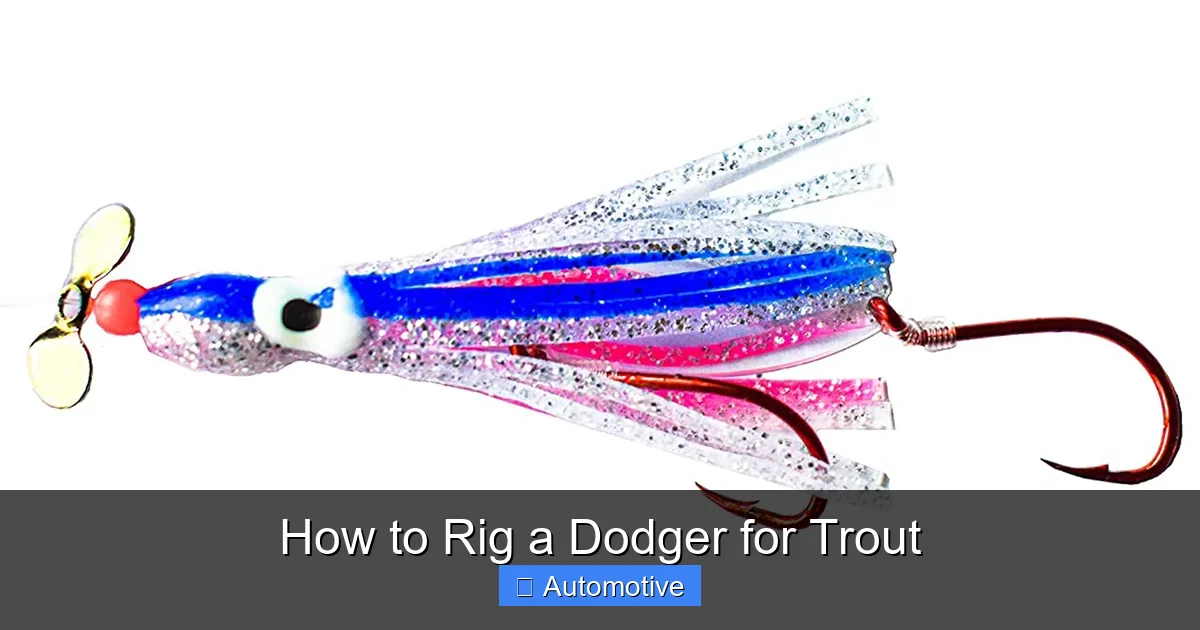
Visual guide about How to Rig a Dodger for Trout
Image source: runstruefishing.com
Selecting the right dodger is crucial to your success. A dodger that’s too big or too small, too heavy or too light, can make your rig ineffective or even scare fish away. The key is to match your dodger to the species of trout you’re targeting, the depth of the water, and the type of bait or lure you’re using.
Size Matters: Matching Dodger to Trout Species
Trout come in many sizes, from small stream rainbows to trophy lake trout. The size of your dodger should reflect the size of the prey trout are feeding on. For example, if you’re targeting small rainbow trout in a mountain stream, a 2- to 3-inch dodger is usually sufficient. It mimics the size of a small minnow or insect cluster and won’t overwhelm the fish. On the other hand, if you’re after large brown trout in a deep reservoir, a 4- to 5-inch dodger may be necessary to get their attention and reach the depths where they’re holding.
As a general rule:
– 2–3 inches: Ideal for small to medium trout in streams, rivers, or shallow lakes.
– 3–4 inches: A versatile size for most trout fishing situations.
– 4–5 inches: Best for large trout in deep water or when trolling at speed.
Keep in mind that larger dodders create more flash and vibration, which can be great for attracting fish but may also spook wary trout in clear water. In such cases, a smaller, more subtle dodger might be better.
Color and Finish: Matching the Hatch
Just like with any lure, color matters. Trout are visual feeders, and they’re more likely to strike a dodger that resembles the natural prey in their environment. In clear water, natural finishes like silver, gold, or copper can be highly effective—they mimic the scales of baitfish. In stained or murky water, brighter colors like chartreuse, orange, or pink can stand out better.
Some anglers swear by holographic or prismatic dodders, which change color depending on the angle of light. These can be especially effective on overcast days or in low-light conditions. Others prefer matte finishes, which reduce glare and create a more natural look.
When in doubt, carry a variety of colors and switch them up until you find what the fish want. On any given day, one color might outperform all others—sometimes for reasons you’ll never understand. That’s fishing.
Weight and Buoyancy: Depth Control
The weight of your dodger affects how deep it runs and how fast it sinks. Heavier dodders sink faster and are better for deep trolling, while lighter ones stay higher in the water column and are ideal for shallow fishing or casting.
If you’re trolling in a lake, you might use a weighted dodger or add a downrigger to get your lure down to 15–30 feet where trout often hold. In a river or stream, a lighter dodger allows you to drift naturally with the current without snagging the bottom.
Some dodders come with built-in weights or can be modified with split shot or snap weights. Experiment with different setups to find the right depth for your target area.
How to Rig a Dodger for Trout: Step-by-Step Guide
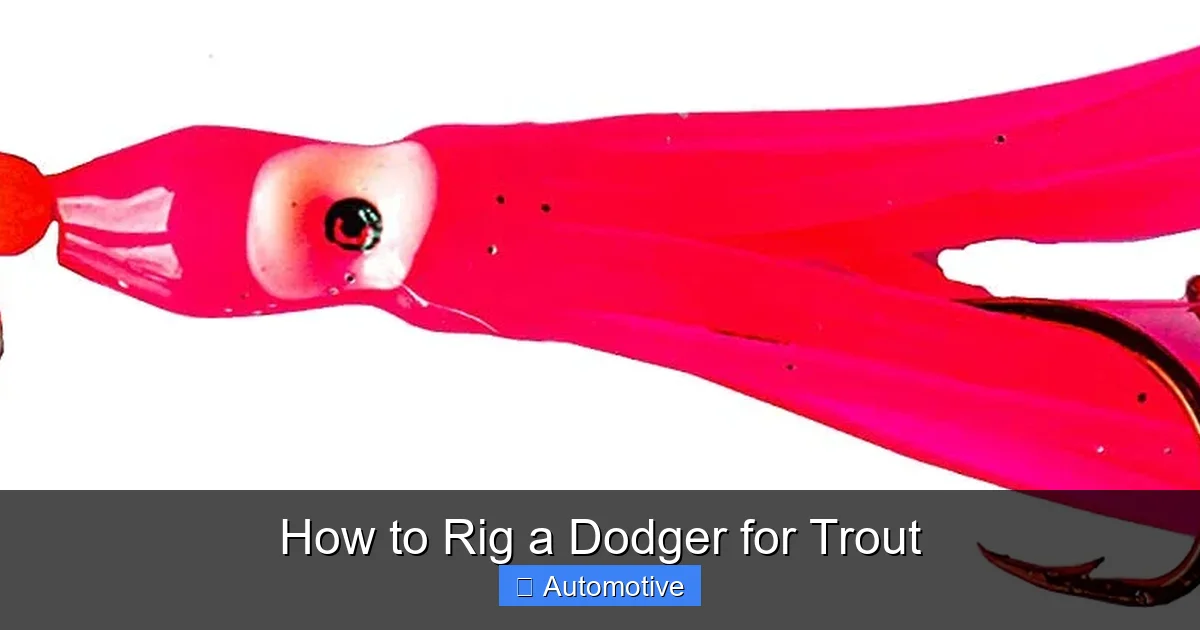
Visual guide about How to Rig a Dodger for Trout
Image source: runstruefishing.com
Now that you understand the basics, let’s get into the nitty-gritty: how to rig a dodger for trout. The process is simple, but attention to detail makes a big difference. A poorly rigged dodger can tangle, spin ineffectively, or fail to attract fish. Follow these steps to ensure your rig is ready to perform.
Gather Your Gear
Before you start, make sure you have the right components:
– A dodger (metal or plastic, appropriate size and color)
– 12–20 lb test monofilament or fluorocarbon leader (18–36 inches long)
– A quality ball-bearing swivel (size 6–8)
– Your choice of trailing lure or bait (spinner, spoon, worm, minnow, etc.)
– Sharp fishing hooks (if using live bait)
– Pliers and scissors for cutting line
Step 1: Attach the Swivel to Your Main Line
Start by tying your main fishing line (usually 8–12 lb test) to one end of the ball-bearing swivel. Use a strong knot like thePalomar knot or improved clinch knot. The swivel prevents line twist, which is crucial since the dodger spins continuously.
Step 2: Tie the Leader to the Other End of the Swivel
Cut a length of leader material (18–36 inches, depending on your setup) and tie it to the other end of the swivel. Fluorocarbon is a good choice because it’s nearly invisible underwater and resists abrasion.
Step 3: Attach the Dodger
Now, tie the free end of the leader to the eye of the dodger. Make sure the dodger can spin freely—don’t cinch the knot too tight. The dodger should rotate 360 degrees without resistance. If it binds, it won’t create the right action.
Step 4: Add Your Lure or Bait
At the end of the leader, attach your trailing lure or bait. If using a spinner or spoon, tie it directly to the leader. If using live bait like a worm or minnow, use a small hook (size 8–10) and thread the bait on naturally. Some anglers use a small snap or snap swivel to make it easy to change lures.
Step 5: Test the Rig
Before casting, give your rig a test run. Hold the line and pull the dodger through the air or water. It should spin smoothly and create a noticeable wobble. If it doesn’t spin, check your knots and swivel.
Pro Tips for Rigging Success
– Use a longer leader in clear water: A 36-inch leader gives the dodger more freedom to spin and keeps the lure away from the flash, reducing spooking.
– Shorten the leader for faster retrieval: In murky water or when fish are aggressive, a 12–18 inch leader can increase strike rates.
– Match your lure to the dodger size: A small dodger with a large lure can look unnatural. Keep the proportions balanced.
– Check for line twist regularly: Even with a swivel, line can twist over time. Untwist it by letting the line spin freely in the water.
Best Lures and Baits to Pair with a Dodger
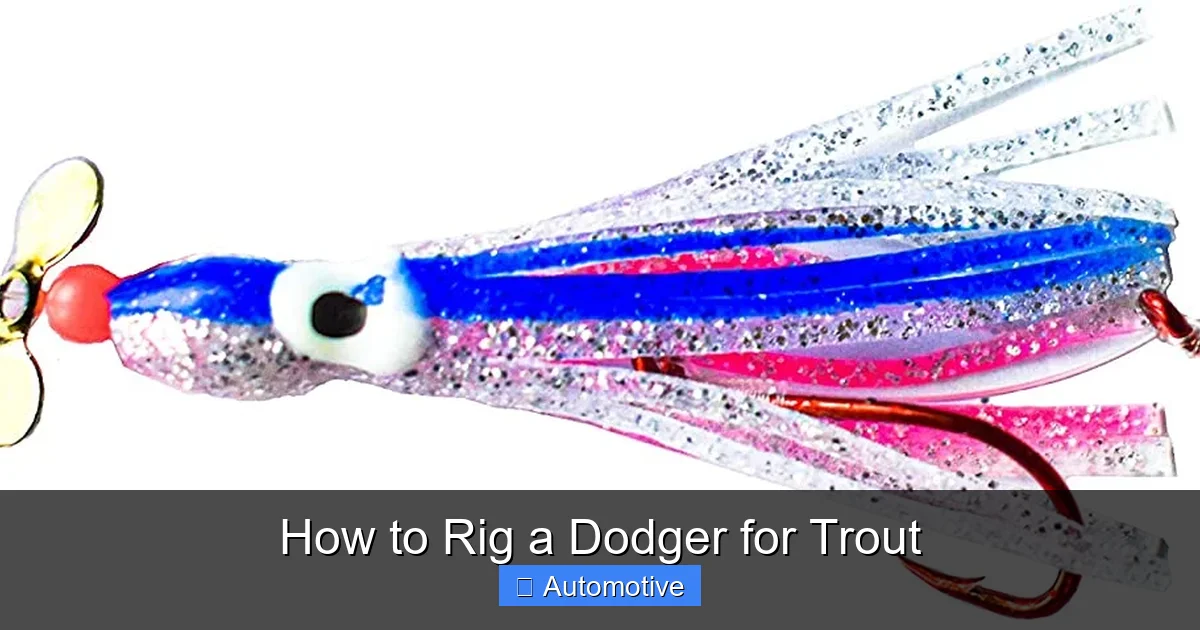
Visual guide about How to Rig a Dodger for Trout
Image source: runstruefishing.com
The beauty of a dodger rig is its versatility. You can pair it with almost any small lure or bait, but some combinations work better than others. The goal is to create a natural, enticing presentation that looks like a wounded or fleeing baitfish.
Spinners and Spinnerbaits
Spinners are a classic match for dodders. The combination of the dodger’s flash and the spinner’s blade creates double the attraction. Try a small Mepps Aglia or Rooster Tail in sizes 0–2. The dodger draws the fish in, and the spinner delivers the strike. This setup is especially effective for rainbow and cutthroat trout in rivers and streams.
Spoons
Spoons mimic the side-to-side wobble of a swimming baitfish. When paired with a dodger, they create a dynamic, erratic action that’s hard for trout to resist. Use small spoons like the Little Cleo or Kastmaster in 1/8 to 1/4 ounce. Troll them slowly or cast and retrieve with a stop-and-go motion.
Live Bait
For a more natural presentation, try live bait. Nightcrawlers, red worms, or small minnows work well. Thread the worm onto a small hook so it hangs naturally behind the dodger. The movement of the worm combined with the dodger’s flash can be deadly, especially in still water or when fish are being picky.
Soft Plastics and Grubs
Soft plastic grubs or minnow imitations can also be effective. Use a 2–3 inch grub on a small jig head. The dodger creates the flash, while the grub provides the subtle tail action. This setup is great for finesse fishing in clear water.
Fly Fishing with a Dodger
Yes, you can even use a dodger in fly fishing! Some fly anglers rig a small dodger above a streamer or wet fly when fishing from a drift boat or kayak. The dodger helps get the fly down and adds attraction, while the fly delivers the realistic profile.
Retrieval Techniques That Trigger Strikes
Rigging the dodger is only half the battle. How you retrieve it determines whether you get bites. Trout respond differently to speed, depth, and action, so it’s important to experiment until you find what works.
Slow and Steady Trolling
In lakes and reservoirs, slow trolling (1–2 mph) is often the most effective method. Let the dodger and lure run at the depth where trout are holding—usually near drop-offs, submerged structures, or thermoclines. Use a fish finder or downrigger to maintain the right depth. Vary your speed slightly to see if fish prefer a faster or slower presentation.
Cast and Retrieve
In rivers, streams, or from shore, cast your dodger rig upstream or across the current and let it drift naturally. Then, retrieve it with a slow, steady pull, allowing the dodger to spin. Add occasional pauses or twitches to mimic an injured fish. This technique works well in pocket water or near undercut banks.
Stop-and-Go Retrieval
Sometimes, a stop-and-go retrieve triggers more strikes. Pull the line for 2–3 seconds, then let it pause for 1–2 seconds. The sudden stop makes the dodger flutter and the lure drop slightly, imitating a wounded baitfish. This can be especially effective when fish are following but not committing.
Depth Control
Use a depth finder or count-down method to control how deep your rig runs. For example, if you’re casting, count to 10 before starting your retrieve to let the dodger sink. Adjust based on where you’re getting bites.
Where to Fish with a Dodger Rig
Location is just as important as gear and technique. Trout are structure-oriented fish, so focus your efforts on areas where they’re likely to hold and feed.
Drop-Offs and Shorelines
In lakes, target drop-offs where shallow water meets deep water. Trout often cruise these edges looking for food. Cast your dodger rig along the drop-off and retrieve it slowly.
Weed Lines and Submerged Structure
Weed beds, submerged logs, and rock piles are prime trout habitat. Troll or cast your dodger along the edge of weeds, letting it bump into the vegetation to trigger strikes.
Rivers and Streams
In moving water, focus on pools, eddies, and current seams. Cast upstream and let the dodger drift naturally with the current. The spinning action will attract trout holding in slower water.
Early Morning and Dusk
Trout are most active during low-light periods. Fish your dodger rig during early morning or late evening when light is dim and fish are feeding aggressively.
Troubleshooting Common Dodger Rig Problems
Even the best rigs can run into issues. Here are some common problems and how to fix them.
Line Twist
If your line is twisting, check your swivel. Make sure it’s a ball-bearing swivel, not a barrel swivel, which doesn’t handle continuous spinning well. Also, avoid reeling too fast—slow, steady retrieves reduce twist.
Dodger Not Spinning
If the dodger isn’t spinning, check your knots. Tie the leader to the dodger’s eye with a loose knot that allows free rotation. Also, ensure the swivel is functioning properly.
Snagging the Bottom
In shallow water, use a lighter dodger or shorten your leader. If you’re trolling, raise your downrigger or use a floating dodger.
No Bites
If you’re not getting bites, try changing your color, size, or retrieval speed. Sometimes a simple change is all it takes.
Conclusion
Learning how to rig a dodger for trout is one of the most valuable skills an angler can develop. This simple yet powerful setup combines flash, vibration, and natural presentation to attract trout from a distance and trigger explosive strikes. Whether you’re trolling in a lake, casting in a river, or drifting from a kayak, a well-rigged dodger can turn a slow day into a memorable one.
Remember, success comes from experimentation. Try different sizes, colors, lures, and retrieval techniques until you find what works in your local waters. Pay attention to the conditions—water clarity, light, temperature—and adjust accordingly. And most importantly, have fun. Fishing is as much about the experience as it is about the catch.
With the right gear, technique, and a little patience, you’ll be rigging dodders like a pro and filling your cooler with trout in no time.
Frequently Asked Questions
What is a dodger in fishing?
A dodger is a spinning flasher lure made of metal or plastic that creates flash and vibration in the water. It’s used to attract trout and other predatory fish by mimicking the movement of baitfish.
Can you use a dodger for other fish besides trout?
Yes, dodders are effective for many species, including salmon, walleye, and bass. Any fish that feeds on baitfish can be attracted by a dodger’s flash and action.
Do I need a swivel when rigging a dodger?
Yes, a ball-bearing swivel is essential. It prevents line twist caused by the dodger’s continuous spinning and ensures smooth retrieval.
How long should the leader be on a dodger rig?
The leader should be 18–36 inches long. Use a longer leader in clear water to reduce spooking, and a shorter one in murky water or when fish are aggressive.
Can I use live bait with a dodger?
Absolutely. Live bait like worms or minnows work great behind a dodger. The dodger attracts fish, and the bait provides a natural, enticing target.
What’s the best retrieval speed for a dodger?
It varies by conditions, but a slow to moderate speed (1–3 mph when trolling) is usually best. Experiment with pauses and speed changes to trigger strikes.