
What Is Dcc on Volkswagen?

DCC (Dynamic Chassis Control) on Volkswagen is an advanced adaptive suspension system that automatically adjusts damping forces in real time for a smoother, more controlled ride. It enhances comfort, handling, and safety by responding to road conditions and driving style.
Key Takeaways
- What DCC Is: DCC stands for Dynamic Chassis Control, an intelligent suspension system that adapts to driving conditions and road surfaces in real time.
- How It Works: Sensors monitor vehicle movement, speed, and steering input to adjust shock absorber stiffness instantly across multiple driving modes.
- Driving Modes: DCC typically offers Comfort, Normal, Sport, and sometimes Individual settings, allowing drivers to tailor ride quality and responsiveness.
- Benefits: Improved ride comfort, better handling, enhanced safety, and reduced body roll during cornering or sudden maneuvers.
- Vehicles Equipped: DCC is available on many Volkswagen models, including the Golf GTI, Passat, Arteon, Tiguan, and Touareg, often as an optional upgrade.
- Maintenance Tips: While DCC is reliable, regular inspections and software updates help maintain optimal performance and longevity.
- Cost Consideration: Adding DCC increases the vehicle’s price, but it’s a worthwhile investment for those prioritizing comfort and dynamic driving.
📑 Table of Contents
What Is DCC on Volkswagen?
If you’ve ever driven a Volkswagen and noticed how smoothly it glides over bumps or how confidently it hugs the road during sharp turns, you might have experienced the magic of DCC—Dynamic Chassis Control. But what exactly is DCC, and why does it matter?
DCC is Volkswagen’s proprietary adaptive suspension system designed to deliver a balanced, responsive, and comfortable driving experience. Unlike traditional suspension setups that offer a fixed level of stiffness, DCC continuously adjusts the damping force of the shock absorbers in real time. This means your car can automatically soften the ride over rough pavement or stiffen up for sporty driving—all without you lifting a finger.
Think of DCC as your car’s personal driving coach. It watches the road, senses how you’re driving, and tweaks the suspension accordingly. Whether you’re cruising down the highway, navigating city traffic, or taking on winding mountain roads, DCC helps keep your Volkswagen stable, composed, and enjoyable to drive.
How Does DCC Work?
Visual guide about What Is Dcc on Volkswagen?
Image source: images.caricos.com
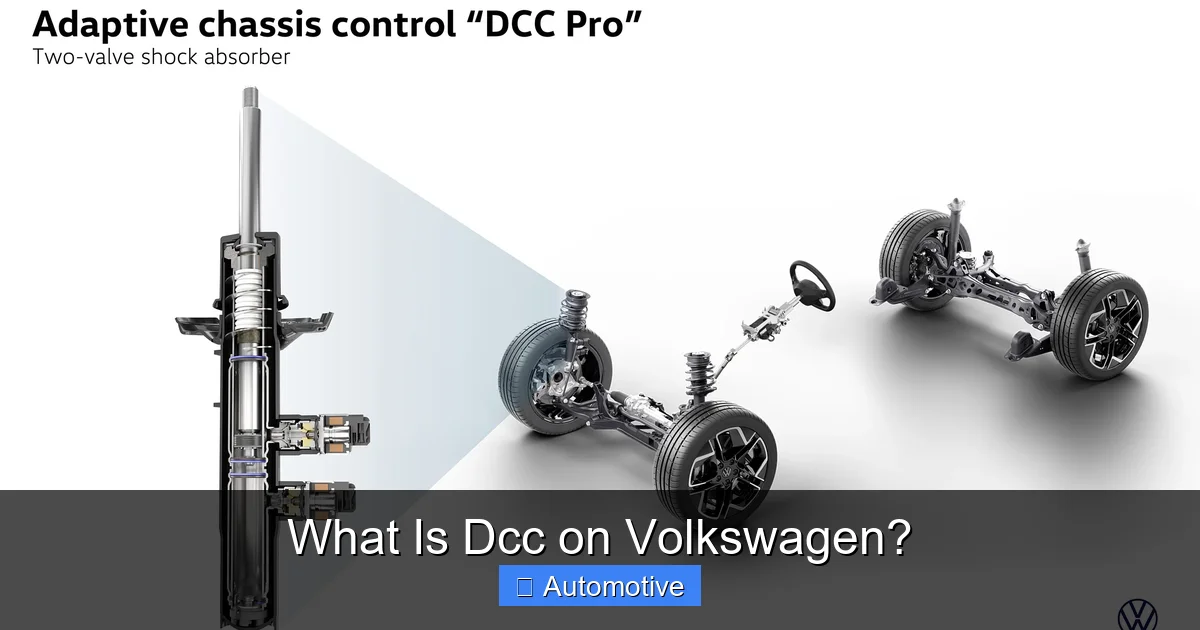
At its core, DCC uses a combination of sensors, electronic controls, and adjustable shock absorbers to deliver a dynamic driving experience. Let’s break down the technology behind this intelligent system.
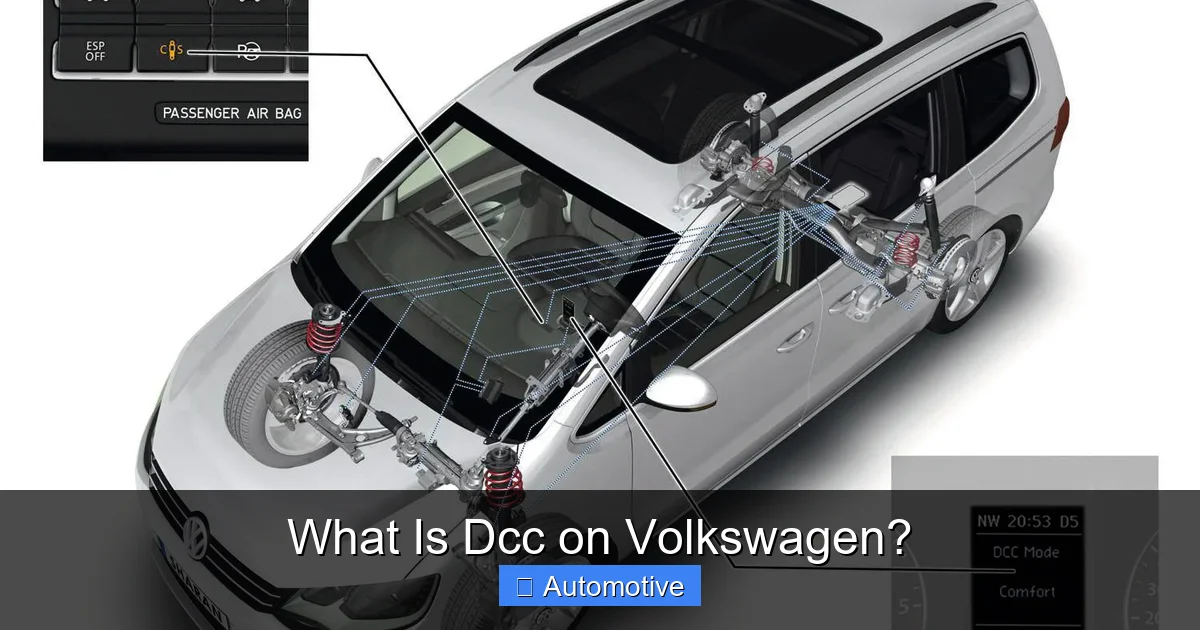
Sensors and Data Collection
DCC relies on a network of sensors spread throughout the vehicle. These include:
– Body acceleration sensors: Located at each corner of the car, they detect vertical movement of the chassis.
– Steering angle sensor: Monitors how quickly and sharply you’re turning the wheel.
– Speed sensor: Tracks vehicle velocity to anticipate suspension needs.
– Brake pressure sensor: Detects braking intensity to adjust damping during deceleration.
– Accelerometer: Measures lateral and longitudinal forces during cornering and acceleration.
All this data is fed into the DCC control unit—essentially the brain of the system—multiple times per second. The faster the data flows, the quicker the system can react.
Adjustable Dampers
The heart of DCC lies in its electronically controlled shock absorbers. Unlike conventional shocks that have fixed valving, DCC dampers use solenoid valves or magnetorheological fluid (in some advanced versions) to change their stiffness on the fly.
When the system detects a bump or pothole, it softens the dampers to absorb impact and keep the ride smooth. When you take a corner aggressively, it stiffens the outer dampers to reduce body roll and improve grip. This constant adjustment happens seamlessly, often within milliseconds.
Real-Time Adaptation
One of the standout features of DCC is its ability to adapt in real time. For example:
– If you’re driving on a bumpy country road, DCC will soften the suspension to maximize comfort.
– If you suddenly accelerate or brake hard, it will firm up the front or rear dampers to prevent nose-diving or squatting.
– During highway cruising, it maintains a balanced setting for stability and reduced fatigue.
This responsiveness ensures that your Volkswagen always feels planted and predictable, no matter the conditions.
DCC Driving Modes Explained
Visual guide about What Is Dcc on Volkswagen?
Image source: autos.hamariweb.com
One of the most user-friendly aspects of DCC is its integration with Volkswagen’s driving mode selector. Most DCC-equipped models offer multiple preset modes that change not only the suspension but also throttle response, steering feel, and transmission behavior.
Comfort Mode
In Comfort mode, DCC prioritizes ride smoothness and passenger comfort. The dampers are set to their softest configuration, absorbing road imperfections and minimizing vibrations. This mode is ideal for long highway drives, city commuting, or when carrying passengers who appreciate a cushy ride.
For example, driving over railroad tracks or potholes in Comfort mode feels noticeably gentler compared to a non-DCC setup. You’ll still feel the road, but harsh jolts are significantly reduced.
Normal Mode
Normal mode strikes a balance between comfort and handling. It’s the default setting for everyday driving and works well in most conditions. The suspension is moderately firm, offering a stable ride without sacrificing responsiveness.
This is the “sweet spot” for many drivers—enough cushion for comfort, but enough control for confident cornering and lane changes.
Sport Mode
Sport mode is where DCC shows its performance side. The dampers stiffen up, reducing body roll during turns and improving steering precision. Throttle response becomes more immediate, and the steering feels heavier and more direct.
Imagine taking a sharp corner on a twisty backroad: in Sport mode, your Volkswagen feels agile and planted, with minimal lean. It’s perfect for spirited driving or when you want to feel more connected to the road.
Individual Mode (If Available)
Some higher-end Volkswagen models, like the Arteon or Passat R-Line, offer an Individual mode. This allows you to customize settings for suspension, steering, engine, and transmission independently.
For instance, you could set the suspension to Comfort for a smooth ride while keeping the throttle in Sport for quicker acceleration. It’s a great way to tailor the car to your personal preferences.
Benefits of DCC on Volkswagen
Visual guide about What Is Dcc on Volkswagen?
Image source: uploads.vw-mms.de
So, why should you care about DCC? Beyond the tech specs, it delivers real-world advantages that enhance your driving experience.
Improved Ride Comfort
One of the biggest benefits of DCC is its ability to smooth out rough roads. Whether you’re driving over cracked pavement, speed bumps, or gravel, the system absorbs shocks more effectively than traditional suspension.
This is especially noticeable on long trips. With DCC, you’re less likely to feel fatigued from constant vibrations and bumps, making your journey more enjoyable.
Enhanced Handling and Stability
DCC doesn’t just make your car more comfortable—it also makes it safer and more fun to drive. By reducing body roll and improving grip, it helps your Volkswagen stay stable during emergency maneuvers or sudden lane changes.
For example, if you need to swerve to avoid an obstacle, DCC helps keep the car balanced and predictable, reducing the risk of loss of control.
Adaptive to Driving Style
DCC isn’t a one-size-fits-all system. It adapts to how you drive. If you’re cruising gently, it stays soft. If you start driving more aggressively, it responds by firming up.
This adaptability means you get the best of both worlds: comfort when you want it, and performance when you need it.
Better Tire Contact with the Road
By keeping the wheels in better contact with the road surface, DCC improves traction and braking performance. This is especially important in wet or uneven conditions, where maintaining grip can mean the difference between a safe stop and a skid.
Reduced Wear on Suspension Components
Because DCC optimizes damping forces, it can also help reduce stress on other suspension parts like bushings, springs, and control arms. Over time, this may lead to lower maintenance costs and longer component life.
Which Volkswagen Models Have DCC?
DCC is not standard on all Volkswagen vehicles—it’s typically offered as an optional feature or included in higher trim levels. Here’s a look at some popular models that offer DCC:
Golf GTI and Golf R
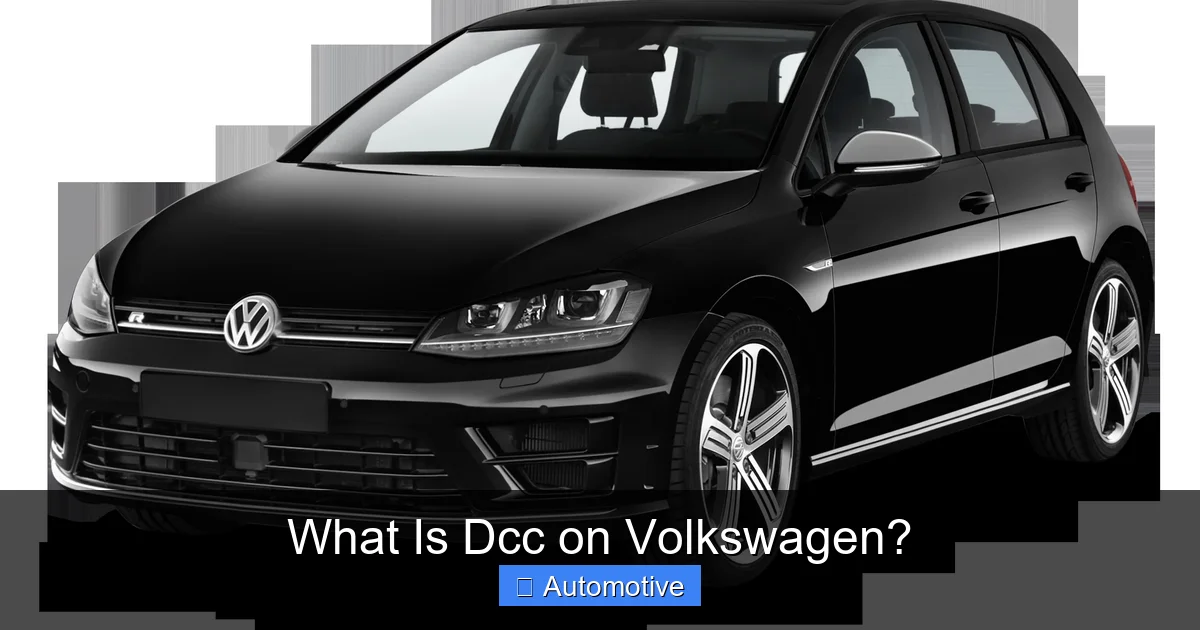
The Golf GTI and Golf R are performance icons, and DCC is a popular option for enthusiasts who want both comfort and track-ready handling. In Sport mode, the suspension tightens up for sharper cornering, while Comfort mode makes daily driving a breeze.
Passat
The Volkswagen Passat, especially in R-Line or SEL Premium trims, often includes DCC. It’s a great match for this midsize sedan, enhancing both ride quality and driving dynamics.
Arteon
As Volkswagen’s flagship sedan, the Arteon frequently comes equipped with DCC. Its sleek design and premium interior are complemented by a suspension system that delivers a refined, executive-class ride.
Tiguan
The Tiguan SUV offers DCC in higher trims, making it one of the most comfortable and composed compact SUVs on the market. Whether you’re navigating city streets or highway on-ramps, DCC helps keep the ride smooth and controlled.
Touareg
The Touareg, Volkswagen’s luxury SUV, often includes DCC as standard or optional. It’s designed for long-distance comfort and off-road capability, and DCC plays a key role in balancing both.
ID.4 and Electric Models
Even in Volkswagen’s electric lineup, DCC is making an appearance. The ID.4, for example, offers adaptive suspension in certain trims, proving that DCC isn’t just for gas-powered cars.
Is DCC Worth the Extra Cost?
Adding DCC to your Volkswagen typically increases the price by several hundred to over a thousand dollars, depending on the model and market. So, is it worth it?
For many drivers, the answer is yes—especially if you value comfort, handling, and a more engaging driving experience. Here’s why:
Daily Driving Benefits
If you spend a lot of time behind the wheel, DCC can make a noticeable difference in comfort and fatigue. It’s like upgrading from economy to business class on a long flight—you feel the difference.
Performance Enthusiasts
Drivers who enjoy spirited driving will appreciate how DCC improves cornering and responsiveness. It transforms a family car into something that feels more athletic and connected.
Resale Value
Vehicles with advanced features like DCC often hold their value better. Buyers are willing to pay more for cars with adaptive suspension, especially in the used market.
Peace of Mind
Knowing your car can adapt to changing conditions adds a layer of safety and confidence. Whether it’s a sudden downpour or an unexpected pothole, DCC helps your Volkswagen handle it gracefully.
That said, if you primarily drive on smooth roads and prioritize fuel economy over performance, you might not notice a huge difference. But for most drivers, DCC is a worthwhile investment.
Maintaining Your DCC System
Like any advanced automotive technology, DCC requires proper care to perform at its best. Fortunately, it’s generally reliable, but a few maintenance tips can help ensure longevity.
Regular Inspections
Have your suspension system inspected during routine service visits. Mechanics can check for leaks, worn components, or error codes related to the DCC system.
Software Updates
Volkswagen occasionally releases software updates for DCC and other electronic systems. These updates can improve performance, fix bugs, or enhance responsiveness. Ask your dealer about available updates during service.
Avoid Extreme Modifications
While it’s tempting to lower your car or install aftermarket suspension parts, doing so can interfere with DCC’s calibration. Stick to manufacturer-recommended modifications to avoid issues.
Monitor Warning Lights
If the DCC warning light appears on your dashboard, don’t ignore it. It could indicate a sensor failure, electrical issue, or damper malfunction. Have it diagnosed promptly to prevent further problems.
Drive Responsibly
While DCC is robust, harsh driving—like repeatedly hitting potholes at high speed—can still damage components. Drive with care to protect your suspension investment.
Real-World Examples of DCC in Action
Let’s look at a few scenarios where DCC makes a real difference:
Highway Driving
Imagine driving on the interstate for three hours. Without DCC, you might feel every expansion joint and seam in the pavement. With DCC in Comfort mode, the ride is noticeably smoother, reducing driver fatigue and making the trip more enjoyable.
City Commuting
In stop-and-go traffic, DCC helps absorb the constant starts and stops. When you brake hard, the system firms up the front dampers to prevent nose-diving. When you accelerate, it reduces rear squat. The result? A more controlled and comfortable ride.
Mountain Roads
Taking your Volkswagen on a twisty mountain road? Switch to Sport mode, and DCC tightens the suspension, reducing body roll and improving grip. You’ll feel more confident taking corners at speed, knowing the car is planted and responsive.
Rainy Weather
Wet roads reduce traction. DCC helps maintain tire contact by adjusting damping to prevent wheel hop or loss of grip. This can improve braking performance and reduce the risk of hydroplaning.
Conclusion
DCC—Dynamic Chassis Control—is one of Volkswagen’s most impressive engineering achievements. It’s not just a fancy suspension system; it’s a smart, adaptive technology that enhances comfort, handling, and safety in real time.
Whether you’re driving a sporty Golf GTI, a family-friendly Tiguan, or a luxurious Arteon, DCC helps your Volkswagen feel more connected to the road and more enjoyable to drive. It adapts to your style, responds to the conditions, and delivers a driving experience that’s both smooth and engaging.
While it comes at an added cost, the benefits of DCC are hard to ignore. For drivers who value performance, comfort, and innovation, it’s a feature that truly elevates the Volkswagen experience.
So the next time you see “DCC” on a Volkswagen window sticker, you’ll know it’s not just an acronym—it’s a promise of a better drive.
Frequently Asked Questions
What does DCC stand for on a Volkswagen?
DCC stands for Dynamic Chassis Control. It’s Volkswagen’s adaptive suspension system that automatically adjusts shock absorber stiffness based on driving conditions and road surfaces.
Is DCC standard on all Volkswagen models?
No, DCC is not standard on all models. It’s typically offered as an optional feature or included in higher trim levels on vehicles like the Golf GTI, Passat, Arteon, Tiguan, and Touareg.
Can I turn off DCC on my Volkswagen?
Yes, you can switch between DCC modes (Comfort, Normal, Sport, etc.), but you cannot fully disable the system. However, selecting Comfort mode effectively softens the suspension for a more relaxed ride.
Does DCC affect fuel economy?
DCC has minimal impact on fuel economy. While it uses small amounts of electrical power, the effect on overall efficiency is negligible compared to other factors like driving style and aerodynamics.
How long does the DCC system last?
With proper maintenance, DCC components can last the lifetime of the vehicle. Regular inspections and software updates help ensure long-term reliability and performance.
Can I retrofit DCC to my Volkswagen?
Retrofitting DCC is extremely difficult and not recommended. It requires specialized sensors, wiring, dampers, and software integration that are not easily added aftermarket.