
When Should You Get Your Windshield Replaced?

Your windshield does more than block wind—it’s a critical safety feature. Knowing when to replace it can prevent accidents, improve visibility, and keep you compliant with the law. Don’t wait until it’s too late.
Key Takeaways
- Cracks longer than 6 inches usually require replacement: Small chips might be repairable, but long cracks compromise structural integrity and often need a full windshield swap.
- Damage in the driver’s line of sight is unsafe: Even small chips or cracks directly in your view can distort vision and should be replaced immediately.
- Multiple chips or cracks weaken the glass: When damage spreads or clusters, the windshield becomes more prone to shattering under pressure.
- Windshield damage affects airbag deployment: A compromised windshield may not support side airbags properly during a crash, increasing injury risk.
- Weather and temperature changes worsen damage: Heat, cold, and moisture can expand cracks, turning a minor issue into a major hazard overnight.
- Insurance often covers windshield replacement: Many policies include glass coverage with no deductible, making replacement affordable and hassle-free.
- DIY repairs are not a long-term solution: While temporary fixes exist, they don’t restore strength or clarity like professional replacement does.
📑 Table of Contents
- When Should You Get Your Windshield Replaced?
- Understanding Windshield Damage: Chips vs. Cracks
- Signs It’s Time for a Windshield Replacement
- How Windshield Damage Affects Vehicle Safety
- The Risks of Delaying Windshield Replacement
- Windshield Repair vs. Replacement: Making the Right Choice
- How to Prevent Windshield Damage
- Conclusion: Don’t Wait—Act Now
When Should You Get Your Windshield Replaced?
Your car’s windshield might seem like just a piece of glass, but it’s actually one of the most important safety components in your vehicle. It protects you from wind, rain, debris, and—most importantly—helps keep the roof from collapsing in a rollover accident. It also plays a key role in airbag deployment and overall structural strength. So when that little chip from a flying pebble turns into a spiderweb of cracks, it’s not just an eyesore—it’s a red flag.
Many drivers ignore minor damage, thinking it’s no big deal. But here’s the truth: what starts as a tiny nick can quickly become a safety hazard. Temperature changes, road vibrations, and even opening and closing your doors can cause cracks to grow. And once they do, your visibility, safety, and even your insurance coverage could be at risk. Knowing when to replace your windshield isn’t just about aesthetics—it’s about protecting yourself, your passengers, and others on the road.
In this guide, we’ll walk you through the signs that mean it’s time for a replacement, how damage affects your car’s safety systems, and why quick action matters. Whether you’re dealing with a small chip or a large crack, understanding your options can save you time, money, and stress down the road.
Understanding Windshield Damage: Chips vs. Cracks
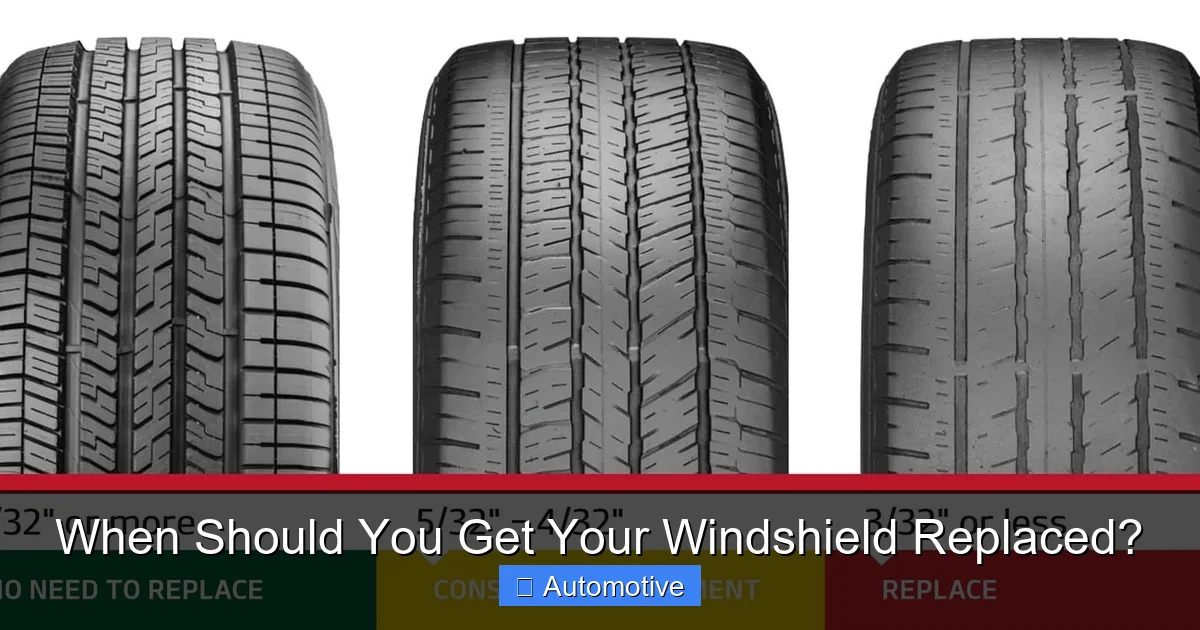
Visual guide about When Should You Get Your Windshield Replaced?
Image source: mrtirerack.com
Not all windshield damage is the same. Some issues can be fixed with a quick repair, while others require a full replacement. The key is knowing the difference between a chip and a crack—and understanding how each affects your windshield’s integrity.
A chip is a small area of damage where a piece of the glass has been knocked out. Common types include star breaks, bullseyes, and combination breaks. These usually happen when a small rock or piece of debris hits the glass at high speed. Chips are often circular or star-shaped and may be as small as a dime. In many cases, especially if they’re smaller than a quarter and not in the driver’s line of sight, they can be repaired quickly and affordably.
On the other hand, a crack is a fracture that spreads across the glass. Cracks can start from a chip or form independently. They vary in length and direction—some are straight, others zigzag or branch out like a tree. Even a short crack can be dangerous if it’s in a critical area or continues to grow.
Types of Windshield Damage
- Star break: A small chip with cracks radiating outward like a star. Usually repairable if caught early.
- Bullseye: A circular chip with a dark center and clear outer ring. Common on highways and often repairable.
- Combination break: A mix of star and bullseye damage. May require repair or replacement depending on size and location.
- Edge crack: A crack that starts within 2 inches of the windshield’s edge. These are more likely to spread and often need replacement.
- Floater crack: A crack that starts in the middle of the glass and spreads outward. Can often be repaired if under 6 inches.
- Stress crack: Caused by temperature changes or manufacturing flaws, not impact. These usually appear suddenly and may require replacement.
How Damage Spreads
One of the biggest misconceptions is that windshield damage stays the same size. In reality, cracks and chips can grow rapidly due to everyday driving conditions. Every bump in the road, temperature shift, or change in air pressure can cause a crack to lengthen. For example, driving from a cold garage into hot sunlight can cause the glass to expand unevenly, stressing the damaged area.
Moisture is another culprit. Rain, snow, and car washes can seep into cracks, freezing and expanding in cold weather. This process, called freeze-thaw cycling, can turn a 2-inch crack into a 12-inch one overnight. Even washing your car with high-pressure water can force water into tiny fractures, accelerating damage.
Signs It’s Time for a Windshield Replacement
Visual guide about When Should You Get Your Windshield Replaced?
Image source: glassusa.com
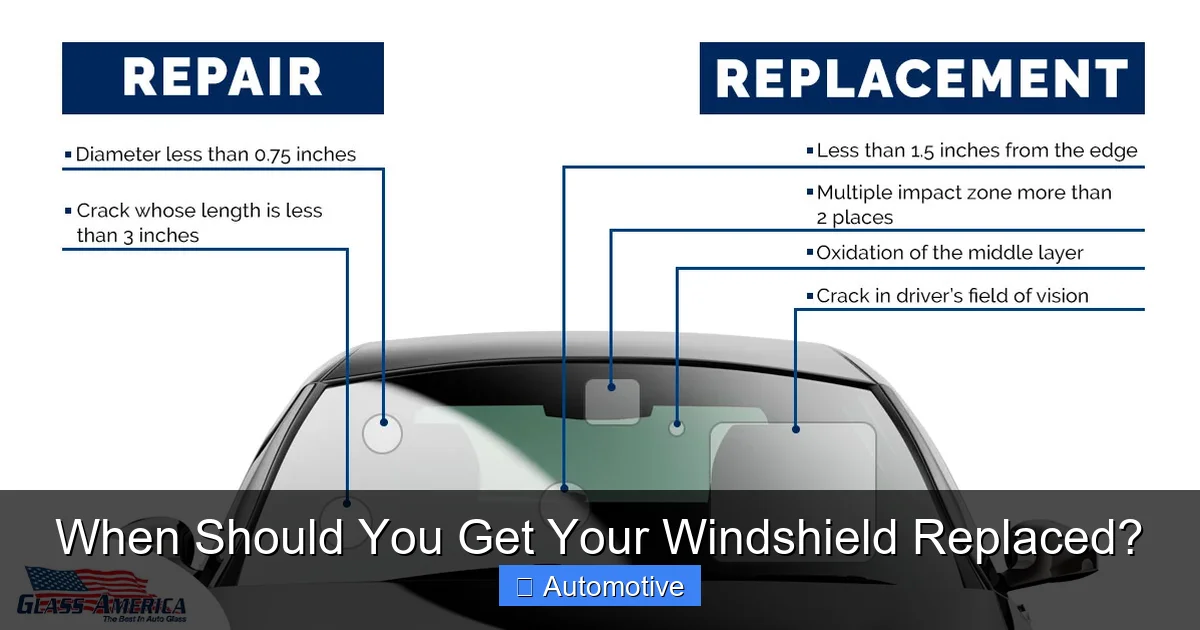
So how do you know when a repair won’t cut it? While some damage can be fixed, there are clear signs that your windshield needs to be replaced entirely. Ignoring these signs can put your safety at risk and may even lead to legal issues if your car fails inspection.
Cracks Longer Than 6 Inches
One of the most common rules of thumb is that any crack longer than 6 inches usually requires a full replacement. This is because long cracks significantly weaken the glass and are more likely to spread. Even if the crack seems stable now, the stress from driving can cause it to grow rapidly. For example, a 7-inch crack that starts near the edge can reach the opposite side of the windshield in just a few days.
Damage in the Driver’s Line of Sight
Your windshield is your window to the road. Any damage—chip or crack—that falls within your direct line of sight can distort your vision, especially at night or in bright sunlight. Glare from headlights or the sun can reflect off the damaged area, creating blind spots or halos that make it harder to see pedestrians, signs, or other vehicles.
Most auto glass professionals recommend replacing any windshield with damage in the driver’s viewing zone, which typically covers the area directly in front of the steering wheel. Even a small chip here can be distracting and dangerous.
Multiple Chips or Cracks
When your windshield has more than one damaged area, it’s a sign of structural weakness. Multiple chips or intersecting cracks create stress points that make the glass more likely to shatter. For instance, if you have three chips within a 12-inch radius, the cumulative damage can compromise the entire pane.
This is especially true if the damage is clustered near the edge. Edge damage is harder to repair because the glass is thinner there and more prone to spreading cracks.
Cracks Near the Edge
The edges of your windshield are critical to its structural integrity. They’re bonded to the car’s frame with strong adhesive, and any damage within 2 inches of the edge can weaken that bond. Edge cracks are more likely to spread quickly and are often impossible to repair effectively.
For example, a 3-inch crack starting at the top corner of your windshield may seem small, but it’s in a high-stress area. Over time, vibrations from driving can cause it to grow downward, eventually requiring a full replacement.
Deep or Penetrating Damage
If a chip or crack is deep enough that you can feel it with your fingernail or see layers of glass exposed, it’s likely more than surface-level damage. This type of injury often affects both the outer and inner layers of the laminated glass, reducing its strength and clarity.
Penetrating damage can also allow moisture and dirt to get trapped inside, leading to fogging, discoloration, or even mold growth over time.
Previous Repairs That Failed
Sometimes, a repaired chip or crack doesn’t hold. This can happen if the repair was done improperly, the damage was too severe, or the glass continued to experience stress. If you’ve had a repair and notice the crack growing or the resin leaking, it’s time to consider replacement.
Repeated repairs on the same area can also weaken the glass further, making it more prone to failure.
How Windshield Damage Affects Vehicle Safety
Visual guide about When Should You Get Your Windshield Replaced?
Image source: cartintlaw.com
Many drivers don’t realize how much their windshield contributes to their car’s overall safety. It’s not just a barrier—it’s a structural component that works with other systems to protect you in a crash.
Structural Integrity in Rollovers
In the event of a rollover accident, your windshield supports up to 40% of the vehicle’s roof strength. A damaged or weakened windshield may not hold up under the pressure, increasing the risk of roof collapse. This can lead to serious injuries or even fatalities.
For example, in a side-impact rollover, a strong windshield helps distribute the force across the frame. But if the glass is cracked or improperly installed, it can shatter or detach, compromising the entire structure.
Airbag Deployment
Your windshield plays a crucial role in how side airbags deploy. When a side airbag activates, it needs a solid surface to push against. The windshield provides that support, helping the airbag inflate correctly and cushion the occupant.
If the windshield is cracked or loose, the airbag may not deploy as intended. In some cases, it could even push the glass inward, causing additional injury. This is especially dangerous in high-speed collisions.
Passenger Safety and Ejection Risk
A properly installed windshield helps keep passengers inside the vehicle during a crash. It acts as a barrier that, when combined with seat belts and airbags, reduces the risk of ejection.
However, a damaged windshield is more likely to break apart on impact. This not only increases the chance of injury from flying glass but also makes it easier for occupants to be thrown from the vehicle.
Impact on Advanced Driver Assistance Systems (ADAS)
Modern cars often come equipped with ADAS features like lane departure warnings, automatic emergency braking, and adaptive cruise control. Many of these systems rely on cameras mounted behind the windshield.
If your windshield is damaged or replaced improperly, it can misalign these cameras, causing the systems to malfunction. For example, a cracked windshield might distort the camera’s view, leading to false alerts or failed braking. After a replacement, most vehicles require a recalibration of these systems to ensure they work correctly.
The Risks of Delaying Windshield Replacement
Putting off a windshield replacement might seem harmless at first, but the consequences can be serious—and costly.
Increased Risk of Shattering
A damaged windshield is more likely to shatter under stress. Whether it’s from a minor collision, a pothole, or even sudden temperature changes, a weakened pane can break unexpectedly. This can startle the driver, cause loss of control, or lead to injury from flying glass.
Legal and Inspection Issues
In many states, driving with a cracked or damaged windshield is illegal, especially if it obstructs the driver’s view. You could be pulled over and fined, or your vehicle could fail a safety inspection. Some states have specific laws about crack length and location, so it’s important to know your local regulations.
Higher Long-Term Costs
While replacing a windshield costs more upfront than a repair, delaying it can lead to bigger expenses later. A small crack that’s ignored can grow, requiring a full replacement anyway. In some cases, the damage can spread to the car’s frame or affect other components, increasing repair costs.
Additionally, if the damage leads to an accident, you could face liability issues, higher insurance premiums, or even legal action.
Reduced Resale Value
A damaged windshield can lower your car’s resale value. Buyers are often wary of vehicles with glass damage, fearing hidden issues or future repair costs. Even if the damage seems minor, it can be a red flag during inspections.
Windshield Repair vs. Replacement: Making the Right Choice
When you notice damage, the first question is usually: “Can it be fixed, or do I need a new windshield?” The answer depends on several factors, including the size, location, and type of damage.
When Repair Is Enough
Windshield repair is a quick, affordable solution for small chips and cracks. It involves injecting a special resin into the damaged area, which is then cured with UV light. The result is a nearly invisible fix that restores clarity and prevents further spreading.
Repairs are typically recommended when:
– The damage is smaller than a quarter.
– It’s not in the driver’s line of sight.
– There’s only one or two chips.
– The crack is less than 6 inches and not near the edge.
Most repairs take less than 30 minutes and cost between $50 and $150, depending on the severity.
When Replacement Is Necessary
Replacement is the only safe option when:
– The crack is longer than 6 inches.
– Damage is in the driver’s viewing area.
– There are multiple cracks or chips.
– The crack is near the edge.
– The glass is deeply damaged or has failed a previous repair.
A full replacement involves removing the old windshield, cleaning the frame, applying new adhesive, and installing a new OEM or aftermarket glass. The process usually takes 1–2 hours, and the adhesive needs time to cure—typically 30 minutes to an hour before driving.
Choosing the Right Glass
Not all windshields are created equal. Original Equipment Manufacturer (OEM) glass is made by the same company that supplied your car’s original windshield. It’s designed to meet exact specifications and often comes with a warranty.
Aftermarket glass is less expensive and widely available, but quality can vary. Some aftermarket options meet or exceed OEM standards, while others may not fit as well or last as long. When choosing, look for glass that meets DOT (Department of Transportation) safety standards.
How to Prevent Windshield Damage
While you can’t always avoid flying rocks or debris, there are steps you can take to reduce the risk of windshield damage.
Maintain a Safe Following Distance
Tailgating increases your chances of being hit by debris kicked up by the vehicle in front of you. Keeping a safe distance—especially on highways—gives you more time to react and reduces the impact force if something hits your windshield.
Avoid Extreme Temperature Changes
Sudden temperature shifts can stress glass and cause cracks to grow. Try to park in shaded areas during hot weather and avoid blasting the heater or AC immediately after starting your car in extreme temperatures.
Drive Carefully on Gravel Roads
Gravel, dirt, and construction zones are high-risk areas for windshield damage. Slow down and increase your following distance when driving on unpaved roads.
Inspect Your Windshield Regularly
Make it a habit to check your windshield during routine maintenance. Look for new chips, cracks, or signs of spreading damage. Early detection can save you from a costly replacement.
Use a Windshield Sunshade
A sunshade helps regulate the temperature inside your car, reducing thermal stress on the glass. It’s a simple, inexpensive way to protect your windshield from heat-related damage.
Conclusion: Don’t Wait—Act Now
Your windshield is more than just glass—it’s a vital part of your car’s safety system. Whether it’s a small chip or a long crack, damage should never be ignored. Knowing when to replace your windshield can prevent accidents, protect your passengers, and keep you compliant with the law.
If you notice any signs of damage, don’t wait. Contact a certified auto glass professional for an inspection. In many cases, your insurance will cover the cost, especially if you have comprehensive coverage. And with modern technology, replacement is faster and more reliable than ever.
Remember: a clear, strong windshield gives you peace of mind on every drive. Don’t let a small problem turn into a big hazard. When in doubt, replace it.
Frequently Asked Questions
Can a small chip turn into a crack?
Yes, even a tiny chip can grow into a crack due to temperature changes, road vibrations, or moisture. It’s best to address it quickly to prevent spreading.
Is it legal to drive with a cracked windshield?
It depends on your state’s laws. Many states prohibit cracks that obstruct the driver’s view or exceed a certain length. Check local regulations to avoid fines.
How long does a windshield replacement take?
Most replacements take 1–2 hours, but you should wait at least 30–60 minutes before driving to allow the adhesive to cure properly.
Will my insurance cover windshield replacement?
Many comprehensive auto insurance policies cover windshield replacement with little or no deductible. Contact your provider to confirm coverage.
Can I replace my windshield myself?
DIY kits exist, but professional installation is recommended. Improper replacement can compromise safety, airbag function, and ADAS calibration.
Do I need to recalibrate my car’s cameras after replacement?
Yes, if your vehicle has ADAS features like lane assist or automatic braking, the cameras must be recalibrated after windshield replacement to ensure accuracy.
