
Affordable Jump Starter

An affordable jump starter is a must-have tool for any driver, offering peace of mind during unexpected battery failures. These compact, portable devices can jump-start your vehicle without needing another car, and many come with extra features like USB charging and LED lights. With prices starting under $50, they’re a smart, cost-effective investment for roadside emergencies.
Key Takeaways
- Portable and convenient: Affordable jump starters are lightweight and easy to store in your glove box or trunk, making them ideal for on-the-go use.
- No second vehicle needed: Unlike traditional jumper cables, these devices work independently, so you don’t need another car to get back on the road.
- Multi-functional features: Many models include USB ports for charging phones, built-in flashlights, and even air compressors for added utility.
- Budget-friendly options available: You can find reliable jump starters for under $100, with some high-performing models priced even lower.
- Easy to use: Most affordable jump starters come with clear instructions and safety features like reverse polarity protection.
- Safe for all vehicle types: Whether you drive a compact car, SUV, or light truck, there’s an affordable jump starter designed for your engine size.
- Long shelf life with proper care: With regular charging and storage in a cool, dry place, these devices can last several years.
📑 Table of Contents
What Is an Affordable Jump Starter?
An affordable jump starter is a compact, battery-powered device designed to restart a vehicle with a dead or weak battery. Unlike traditional jumper cables that require a second running vehicle, these standalone units store electrical energy and deliver a powerful burst to your car’s battery when needed. They’re especially useful during cold weather, after leaving lights on, or when a battery simply reaches the end of its lifespan.
What makes these devices “affordable” isn’t just their low price tag—though many cost less than a tank of gas—but also their value. For under $100, you can own a tool that prevents towing fees, roadside assistance calls, and the frustration of being stranded. Modern affordable jump starters are built with advanced lithium-ion batteries, making them lighter, safer, and more efficient than older lead-acid models. They’re designed for everyday drivers who want reliability without overspending.
How Does It Work?
Jump starters work by storing electrical energy in an internal battery, typically lithium-ion, which is then transferred to your vehicle’s dead battery through clamps and cables. When you connect the jump starter’s positive (red) and negative (black) clamps to the corresponding terminals on your car battery, the device delivers a high-current surge that helps restart the engine.
Most affordable jump starters include built-in safety features such as spark-proof technology, reverse polarity alarms, and short-circuit protection. These features prevent damage to your vehicle’s electrical system and reduce the risk of injury. Some models even have digital displays that show battery level, voltage, and error messages, making them user-friendly for beginners.
Why “Affordable” Doesn’t Mean “Low Quality”
Many drivers assume that low-cost tools mean poor performance, but that’s not the case with today’s affordable jump starters. Thanks to advancements in battery technology and manufacturing, brands can now offer high-capacity, durable devices at competitive prices. For example, a $60 jump starter might deliver 1000 peak amps—enough to start most cars, SUVs, and small trucks—while including extras like USB charging ports and LED flashlights.
Affordable doesn’t mean you’re sacrificing safety or reliability. In fact, many budget-friendly models undergo rigorous testing and come with warranties ranging from one to three years. The key is knowing what to look for: peak amperage, battery capacity (measured in mAh), safety certifications, and customer reviews. With a little research, you can find a jump starter that performs like a premium model but fits your budget.
Benefits of Owning an Affordable Jump Starter
Having an affordable jump starter in your vehicle offers more than just the ability to restart a dead battery. It provides peace of mind, independence, and practical benefits that go beyond emergency use. Whether you’re commuting daily, taking a road trip, or simply want to be prepared, this small device can make a big difference.
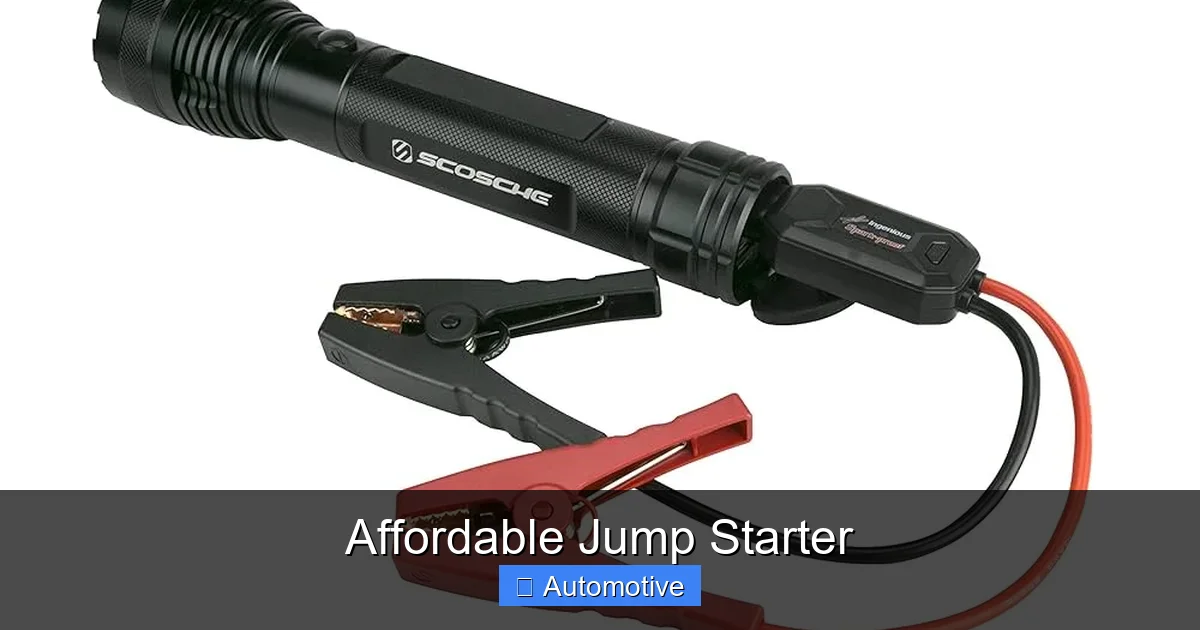
Visual guide about Affordable Jump Starter
Image source: m.media-amazon.com
Independence from Other Vehicles
One of the biggest advantages of a jump starter is that it eliminates the need for another running car. Traditional jumper cables require a second vehicle to provide the necessary power, which isn’t always available—especially in remote areas, parking lots, or late at night. With a portable jump starter, you can revive your battery on your own, anytime, anywhere.
Imagine being stranded in a grocery store parking lot with a dead battery. Instead of waiting for a Good Samaritan or calling a tow truck, you simply pull out your jump starter, connect the clamps, and restart your car in minutes. This independence saves time, money, and stress, making it a valuable tool for solo drivers, parents, and frequent travelers.
Cost Savings Over Time
While the upfront cost of an affordable jump starter may seem like an extra expense, it quickly pays for itself. A single tow truck call can cost $75–$150, and roadside assistance services often charge per use or require annual memberships. In contrast, a jump starter costs as little as $40 and can be used hundreds of times.
For example, if you use your jump starter just twice a year, that’s $20 per use—far cheaper than professional help. Over five years, you could save hundreds of dollars while also avoiding the inconvenience of waiting for help. Plus, many jump starters double as power banks, so you’re getting two tools in one.
Multi-Functional Use
Modern affordable jump starters are more than just battery boosters. Many come equipped with USB ports for charging smartphones, tablets, and other USB-powered devices. This is especially useful during long trips or power outages when your phone’s battery is critical for navigation or communication.
Some models also include built-in LED flashlights with multiple modes (steady, strobe, SOS), making them handy during nighttime emergencies or roadside repairs. A few even feature air compressors for inflating tires, adding another layer of utility. These extra functions increase the value of your purchase and make the jump starter a versatile emergency kit component.
Safety and Ease of Use
Affordable jump starters are designed with user safety in mind. Most include intelligent clamps that detect incorrect connections and emit audible or visual alerts. Features like reverse polarity protection prevent damage if you accidentally connect the clamps backward—a common mistake for first-time users.
Additionally, many devices have built-in surge protection to safeguard your vehicle’s electronics. Unlike older jump boxes that could overheat or leak acid, modern lithium-ion models are sealed, lightweight, and safe to store in your car year-round. Clear instruction manuals and color-coded clamps make setup quick and intuitive, even for those with little automotive experience.
Top Features to Look for in an Affordable Jump Starter
Not all jump starters are created equal, even within the affordable price range. To get the best value, it’s important to know which features matter most. Here’s what to prioritize when shopping for a budget-friendly jump starter that still delivers reliable performance.

Visual guide about Affordable Jump Starter
Image source: i.ytimg.com
Peak Amperage and Cranking Power
Peak amperage refers to the maximum current the jump starter can deliver in a short burst—this is what gets your engine turning. For most cars, a jump starter with 600–1000 peak amps is sufficient. SUVs and trucks may require 1000–1500 peak amps, especially in cold weather.
Look for models that also list “cranking amps” or “cold cranking amps” (CCA), which indicate how well the device performs in low temperatures. A jump starter with 400–600 CCA is ideal for winter conditions. Keep in mind that higher amperage doesn’t always mean better performance—efficiency and battery quality matter just as much.
Battery Capacity (mAh)
Battery capacity, measured in milliampere-hours (mAh), determines how many times you can use the jump starter before recharging. A higher mAh rating means longer runtime and more jump attempts. For example, a 12,000 mAh jump starter can typically jump a car 10–15 times on a full charge.
While capacity is important, it’s not the only factor. Some devices with lower mAh ratings use more efficient batteries and still perform well. Aim for a balance: a jump starter with at least 10,000 mAh should meet most drivers’ needs without being overly bulky.
Safety Features
Safety should be a top priority. Look for jump starters with the following protections:
- Reverse polarity protection: Alerts you if clamps are connected incorrectly.
- Spark-proof technology: Prevents sparks when connecting clamps.
- Overcharge and short-circuit protection: Safeguards the internal battery and your vehicle.
- Temperature control: Prevents overheating during use or charging.
These features not only protect your car but also reduce the risk of injury, especially for inexperienced users.
Portability and Design
An affordable jump starter should be easy to carry and store. Look for compact, lightweight designs that fit in your glove box, center console, or trunk. Many models come with carrying cases or built-in handles for convenience.
Consider the cable length—longer cables (around 12–18 inches) give you more flexibility when connecting to the battery. Also, check the weight: anything under 2 pounds is ideal for portability. Some ultra-compact models weigh less than a pound, making them perfect for small cars or motorcycle riders.
Additional Functions
Extra features can significantly enhance the value of your jump starter. USB ports (especially USB-C) allow you to charge devices on the go. A built-in flashlight with multiple modes is useful during nighttime emergencies. Some models even include:
- Digital displays for battery status
- Air compressors for tire inflation
- 12V DC outlets for powering small appliances
- Smartphone app connectivity for monitoring
While not essential, these features make the jump starter more versatile and practical for everyday use.
How to Use an Affordable Jump Starter Safely
Using a jump starter is simple, but following the correct steps ensures safety and effectiveness. Whether you’re a first-time user or just need a refresher, these guidelines will help you get your car running without risk.
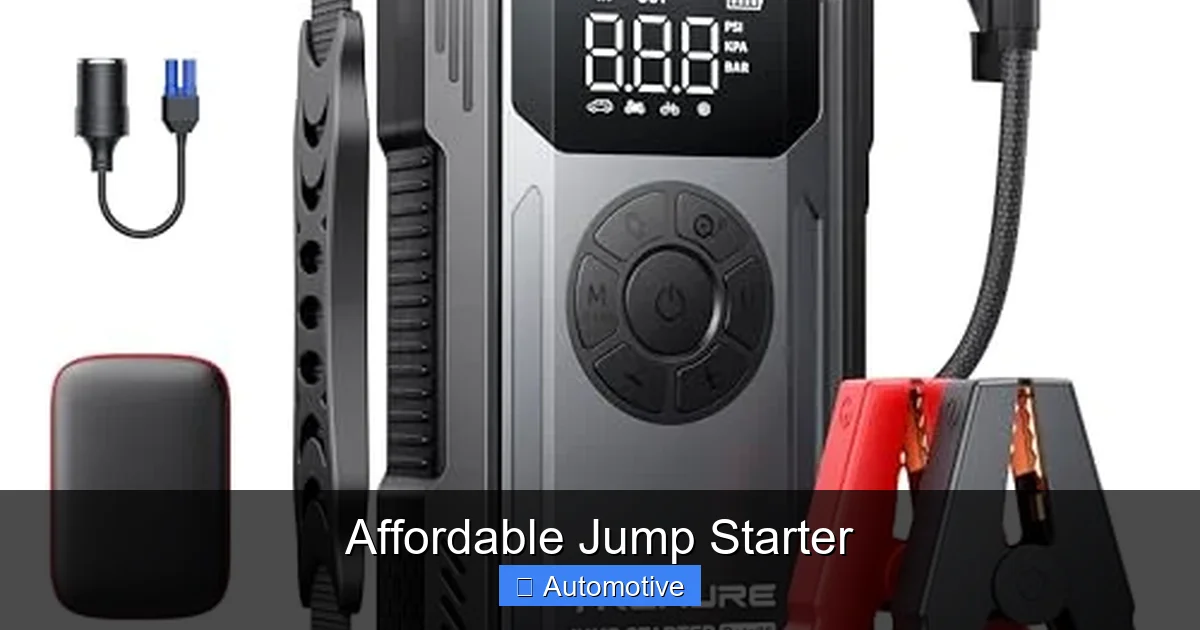
Visual guide about Affordable Jump Starter
Image source: m.media-amazon.com
Step-by-Step Instructions
- Turn off the engine and all electronics: Make sure your car is off, and remove the keys from the ignition. Turn off lights, radio, and air conditioning to reduce electrical load.
- Locate the battery: Open the hood and find the battery. Identify the positive (+) and negative (-) terminals. If the battery is covered, remove the cover carefully.
- Connect the clamps: Attach the red (positive) clamp to the positive terminal and the black (negative) clamp to the negative terminal. Ensure a secure connection—loose clamps can cause sparks or fail to transfer power.
- Power on the jump starter: Turn on the device. Some models require you to press a button or switch to activate the jump function.
- Start the engine: Try starting your car. If it doesn’t start immediately, wait 30–60 seconds and try again. Avoid cranking for more than 5 seconds at a time.
- Disconnect and recharge: Once the engine starts, disconnect the clamps in reverse order (black first, then red). Turn off the jump starter and recharge it as soon as possible.
Safety Tips
- Never connect the clamps backward—this can damage your vehicle and the jump starter.
- Do not use the jump starter near open flames or in wet conditions.
- Keep the device away from children and pets.
- Store the jump starter in a cool, dry place and recharge it every 3–6 months.
- If the battery is swollen, leaking, or damaged, do not use the jump starter—dispose of it safely.
What to Do If It Doesn’t Work
If your car still won’t start after using the jump starter, the issue may not be the battery. Check for loose connections, a faulty starter motor, or a blown fuse. In some cases, the battery may be too damaged to hold a charge and will need replacement. If you’re unsure, consult a mechanic or roadside assistance professional.
Best Affordable Jump Starter Models in 2024
With so many options on the market, choosing the right affordable jump starter can feel overwhelming. To help you decide, here are some top-rated models that balance price, performance, and features.
1. NOCO Boost Plus GB40
Priced around $80, the NOCO GB40 is a favorite among drivers for its reliability and compact design. It delivers 1000 peak amps and can jump-start cars, SUVs, and trucks up to 6.0L gas and 3.0L diesel engines. It includes USB ports, a built-in flashlight, and advanced safety features. Weighing just 2.4 pounds, it’s easy to store and use.
2. Tacklife T8
The Tacklife T8 offers excellent value at under $60. With 800 peak amps and 18,000 mAh capacity, it can jump-start most vehicles and charge devices multiple times. It features a digital display, LED flashlight, and multiple safety protections. Its rugged design makes it ideal for outdoor enthusiasts.
3. GOOLOO GP4000
For under $50, the GOOLOO GP4000 packs 4000 peak amps—more than enough for large vehicles. It includes USB-C fast charging, a bright LED light, and a compact design. Despite its power, it’s lightweight and comes with a carrying case. Great for drivers who want high performance on a budget.
4. Avapow A07
The Avapow A07 is a budget-friendly option at around $45. It delivers 1000 peak amps and includes dual USB ports, a flashlight, and reverse polarity protection. It’s ideal for small to mid-sized cars and comes with a one-year warranty. Users praise its ease of use and reliability.
5. DBPower 1200A
At just under $70, the DBPower 1200A offers 1200 peak amps and a 16,800 mAh battery. It includes a digital display, air compressor, and multiple charging ports. Its all-in-one design makes it a great choice for drivers who want extra functionality without spending a lot.
Maintenance and Care Tips
To keep your affordable jump starter working reliably for years, proper maintenance is essential. With a few simple habits, you can extend its lifespan and ensure it’s ready when you need it.
Regular Charging
Even when not in use, lithium-ion batteries slowly lose charge. To prevent depletion, recharge your jump starter every 3–6 months. Most models have indicator lights that show battery level—green means fully charged, red means low. Avoid letting the battery drop below 20% for long periods.
Proper Storage
Store your jump starter in a cool, dry place away from direct sunlight and extreme temperatures. Avoid leaving it in your car during summer heat or winter cold, as this can degrade the battery. A glove box or trunk storage bag is ideal.
Cleaning and Inspection
Periodically inspect the clamps and cables for dirt, corrosion, or damage. Wipe them clean with a dry cloth. Check the battery casing for cracks or swelling. If you notice any issues, stop using the device and contact the manufacturer.
Avoid Overuse
While jump starters are built for multiple uses, avoid draining the battery completely. After each jump, recharge the device promptly. Over time, deep discharges can reduce battery life. If you frequently need to jump your car, consider having the battery tested by a professional.
Conclusion
An affordable jump starter is a smart, practical investment for any driver. It offers peace of mind, saves money on towing and roadside assistance, and provides useful features beyond just jump-starting your car. With prices starting under $50 and models available for every vehicle type, there’s no reason to be unprepared for a dead battery.
When choosing a jump starter, focus on peak amperage, battery capacity, safety features, and additional functions like USB charging and flashlights. Brands like NOCO, Tacklife, and GOOLOO offer reliable options that deliver excellent value. Remember to maintain your device with regular charging and proper storage to ensure it’s always ready when you need it.
Don’t wait until you’re stranded in a parking lot or on a remote road. Add an affordable jump starter to your vehicle today and drive with confidence, knowing you’re prepared for whatever comes your way.
Frequently Asked Questions
How much does an affordable jump starter cost?
Most affordable jump starters range from $40 to $100, with some high-performing models available for under $60. Prices vary based on features, power output, and brand reputation.
Can an affordable jump starter work on trucks and SUVs?
Yes, many affordable jump starters are powerful enough to start SUVs and light trucks. Look for models with at least 1000 peak amps and 400+ cold cranking amps for larger engines.
How long does a jump starter battery last?
With proper care, the internal battery in a jump starter can last 3–5 years. Recharge it every 3–6 months and avoid extreme temperatures to maximize lifespan.
Do I need to recharge the jump starter after each use?
Yes, it’s best to recharge your jump starter as soon as possible after use. This ensures it’s ready for the next emergency and helps maintain battery health.
Can I use a jump starter in the rain?
While many jump starters are water-resistant, it’s not safe to use them in heavy rain or standing water. Always operate the device in dry conditions to avoid electrical hazards.
What if my car still won’t start after using a jump starter?
If the engine doesn’t start, the issue may be a faulty starter, alternator, or severely damaged battery. Check connections and consider having your vehicle inspected by a mechanic.
