
How Much Bleach to Sanitize Camper Water Tank

Sanitizing your camper water tank with bleach is essential for safe drinking water, but using the wrong amount can be dangerous or ineffective. This guide breaks down the exact bleach-to-water ratio, step-by-step instructions, and safety tips to ensure your RV’s fresh water system stays clean and healthy.
Key Takeaways
- Use unscented household bleach: Only chlorine-based, unscented bleach with 5-6% sodium hypochlorite is safe for water tank sanitation.
- Correct ratio is 1/4 cup per 15 gallons: For most camper tanks, mix 1/4 cup (4 tablespoons) of bleach for every 15 gallons of water capacity.
- Flush thoroughly after sanitizing: Rinse the tank and lines multiple times to remove bleach residue before using for drinking or cooking.
- Sanitize at least once per season: Regular sanitizing prevents bacteria, mold, and algae buildup in stagnant water systems.
- Test water before use: Use chlorine test strips to confirm safe levels (1-3 ppm) after sanitizing and flushing.
- Never mix bleach with other cleaners: Combining bleach with ammonia or acids creates toxic gases—use only water during the process.
- Protect yourself and your RV: Wear gloves and work in a ventilated area to avoid irritation and damage to plumbing components.
📑 Table of Contents
- Why Sanitizing Your Camper Water Tank Matters
- Understanding the Role of Bleach in Water Sanitization
- How Much Bleach to Sanitize Camper Water Tank: The Exact Formula
- Step-by-Step Guide to Sanitizing Your Camper Water Tank
- Safety Tips and Common Mistakes to Avoid
- How Often Should You Sanitize Your Camper Water Tank?
- Alternative Sanitizing Methods (and Why Bleach Is Still Best)
- Maintaining Clean Water Between Sanitizings
- Conclusion: Clean Water, Peace of Mind
Why Sanitizing Your Camper Water Tank Matters
You’ve packed your bags, mapped out your route, and loaded up the camper—ready for adventure. But have you thought about the water you’ll be drinking, cooking with, and showering in? The fresh water tank in your RV might look clean on the outside, but inside, it can harbor bacteria, mold, and algae, especially if it’s been sitting unused for weeks or months. That’s why sanitizing your camper water tank isn’t just a good idea—it’s a necessity for health and safety.
Over time, moisture and organic matter create the perfect breeding ground for microorganisms. Even if your water tastes fine, invisible contaminants like E. coli, Legionella, or biofilm can pose serious health risks. Sanitizing with bleach is one of the most effective, affordable, and widely recommended methods to kill these pathogens and keep your water system clean. But here’s the catch: too little bleach won’t do the job, and too much can leave harmful residues or damage your plumbing. Getting the balance right is key—and that’s exactly what this guide will help you do.
Understanding the Role of Bleach in Water Sanitization
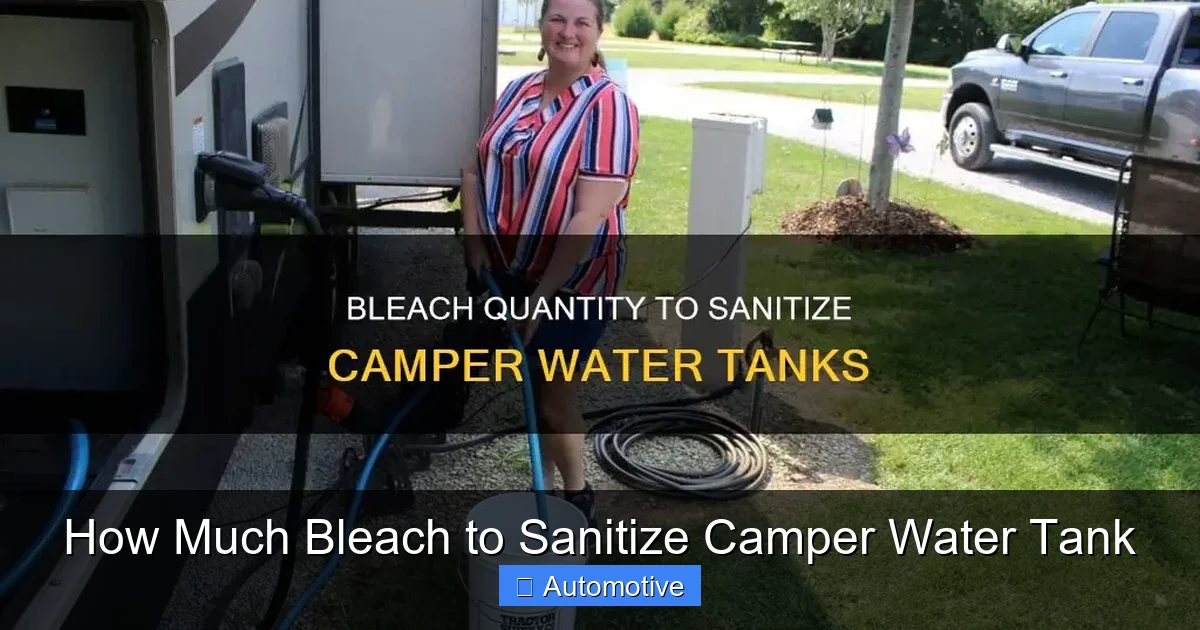
Bleach, specifically household chlorine bleach, is a powerful disinfectant that kills bacteria, viruses, and fungi by breaking down their cell walls. When used correctly, it’s safe for sanitizing potable water systems, including those in RVs and campers. But not all bleach is created equal. You need to use the right type, in the right amount, and follow proper procedures to ensure effectiveness and safety.
Visual guide about How Much Bleach to Sanitize Camper Water Tank
Image source: shunauto.com
What Type of Bleach Should You Use?
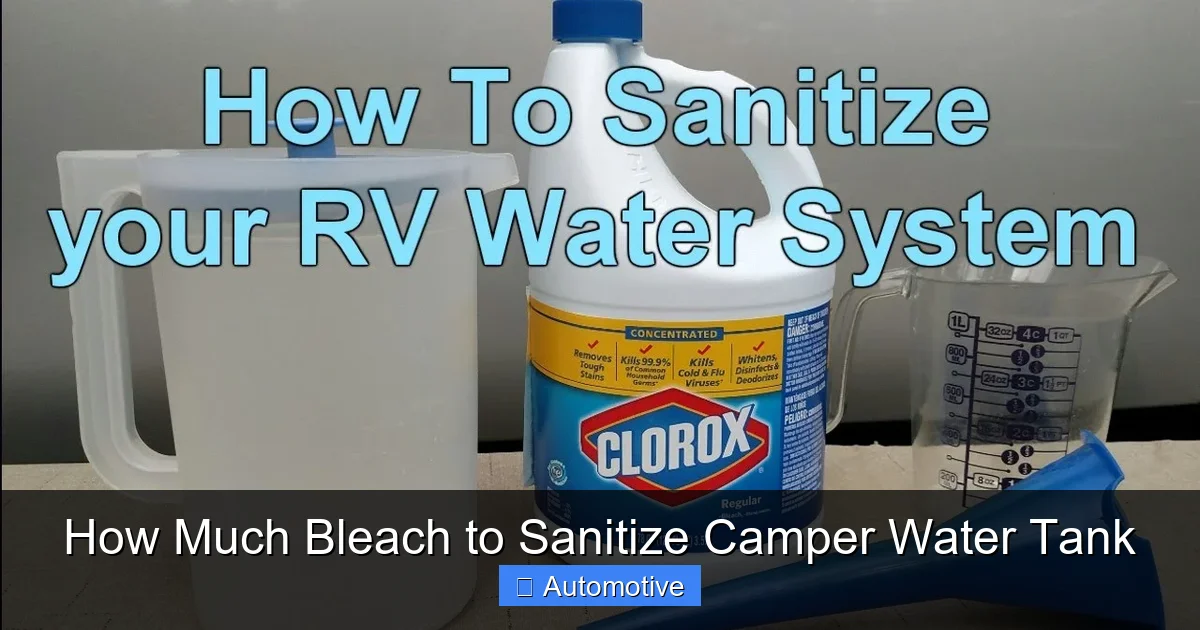
Only use unscented household bleach that contains 5-6% sodium hypochlorite. Avoid bleaches labeled “concentrated,” “ultra,” or “with additives” like fragrances, thickeners, or color-safe formulas. These may contain chemicals that are unsafe for drinking water or can leave residues that are hard to rinse out. Check the label—it should clearly state it’s suitable for disinfection and water treatment.
Why Sodium Hypochlorite Matters
Sodium hypochlorite is the active ingredient that kills germs. The concentration (usually 5.25% to 6%) determines how effective the bleach is. Lower concentrations may not sanitize properly, while higher ones (like industrial-strength bleach) can be too harsh and leave dangerous levels of chlorine in your system. Stick to standard household bleach for the best results.
How Bleach Works in Your Water System
When you add bleach to your camper’s water tank, it mixes with the water and begins killing microorganisms on contact. The chlorine also helps break down biofilm—a slimy layer that forms inside pipes and tanks, protecting bacteria from disinfectants. After sanitizing, the chlorine naturally dissipates over time, especially when exposed to air and sunlight, making the water safe to drink once properly flushed.
How Much Bleach to Sanitize Camper Water Tank: The Exact Formula
Now for the million-dollar question: How much bleach do you actually need? The answer depends on your camper’s water tank capacity. The general rule of thumb is 1/4 cup (4 tablespoons) of unscented bleach for every 15 gallons of water. This ratio ensures enough chlorine to sanitize without leaving toxic residues.
Visual guide about How Much Bleach to Sanitize Camper Water Tank
Image source: i.ytimg.com
Calculating the Right Amount for Your Tank
First, find your camper’s fresh water tank capacity. This is usually listed in the owner’s manual or on a sticker near the fill port. Common sizes range from 20 to 60 gallons, but some larger RVs can hold over 100 gallons. Once you know the capacity, use this simple formula:
- For every 15 gallons of water, add 1/4 cup (4 tbsp) of bleach.
For example:
- A 30-gallon tank = 2 × 1/4 cups = 1/2 cup of bleach
- A 45-gallon tank = 3 × 1/4 cups = 3/4 cup of bleach
- A 60-gallon tank = 4 × 1/4 cups = 1 cup of bleach
If your tank size isn’t a multiple of 15, round to the nearest quarter cup. For instance, a 25-gallon tank would need about 1/2 cup (since 25 is closer to 30 than 15). Avoid guessing—measure carefully using a liquid measuring cup or tablespoon.
Adjusting for Partial Tanks or Small Systems
Some campers have smaller auxiliary tanks or water heaters that also need sanitizing. For these, scale down the ratio proportionally. A 5-gallon water heater, for example, would need about 1.5 tablespoons of bleach (since 5 is one-third of 15 gallons). Always err on the side of caution—slightly more is better than too little, but never exceed double the recommended amount.
What If You’re Unsure of Your Tank Size?
No manual? No problem. You can estimate your tank size by filling it completely and noting how many gallons your water jug or pump dispenses. Alternatively, check online forums or manufacturer websites using your camper’s make and model. Many RV communities share tank specs, so a quick search might save you time.
Step-by-Step Guide to Sanitizing Your Camper Water Tank
Sanitizing your camper water tank isn’t complicated, but it does require careful attention to detail. Follow these steps to ensure a thorough and safe cleaning process.
Visual guide about How Much Bleach to Sanitize Camper Water Tank
Image source: camperadvise.com
Step 1: Empty the Tank Completely
Start by draining all water from your fresh water tank. Open all faucets (hot and cold) and let the water run until it stops. Don’t forget the outdoor shower, toilet, and any low-point drains. This removes stagnant water and makes room for the sanitizing solution.
Step 2: Prepare the Bleach Solution
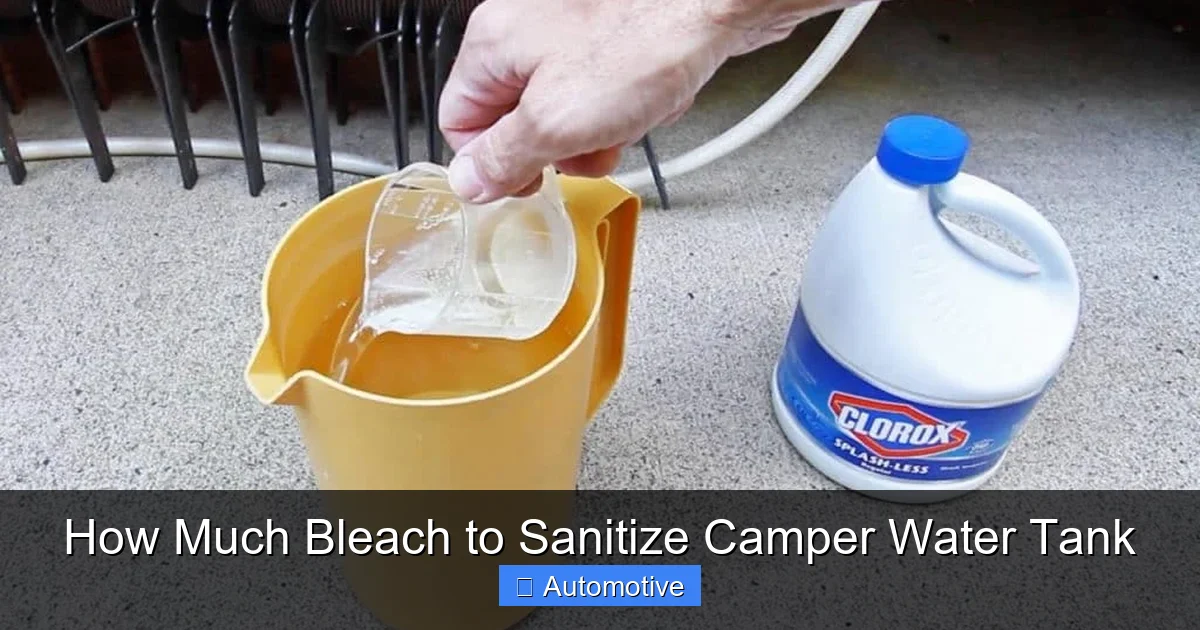
Measure the correct amount of bleach based on your tank size. Pour it directly into the tank through the fill port. Then, fill the tank about one-quarter full with fresh water. This helps distribute the bleach evenly. Never pour bleach into a full tank—it won’t mix properly and could leave untreated zones.
Step 3: Circulate the Solution
Turn on the water pump and run the bleach solution through all faucets, including the shower, toilet, and outdoor spigot. Let each faucet run for 10–15 seconds until you smell chlorine. This ensures the sanitizing solution reaches every part of the plumbing system.
Step 4: Let It Sit
Once all lines are flushed, turn off the pump and let the bleach solution sit in the tank and pipes for at least 4 hours, but preferably overnight. This gives the chlorine enough time to kill bacteria and break down biofilm. Avoid using any water during this time.
Step 5: Flush Thoroughly
After the soak period, drain the tank completely. Then refill it with fresh water and run all faucets again until the chlorine smell is gone. You may need to repeat this process 2–3 times. For extra peace of mind, use chlorine test strips to check the water. Safe drinking water should have a chlorine level of 1–3 parts per million (ppm). If it’s higher, continue flushing.
Step 6: Final Rinse and Use
Once the chlorine level is safe, your system is ready to use. Fill the tank with fresh, clean water and enjoy! Many RVers also add a capful of white vinegar to the final rinse to help neutralize any lingering bleach taste.
Safety Tips and Common Mistakes to Avoid
While sanitizing with bleach is generally safe, a few precautions can prevent accidents and ensure the best results.
Wear Protective Gear
Always wear gloves and work in a well-ventilated area. Bleach fumes can irritate your eyes, skin, and lungs. If you’re sanitizing indoors or in a confined space, open windows and use a fan.
Never Mix Bleach with Other Cleaners
This cannot be stressed enough: Never mix bleach with ammonia, vinegar, or other cleaning products. Combining bleach with ammonia creates toxic chloramine gas, which can cause breathing problems, chest pain, and even death. Vinegar and bleach produce chlorine gas—another dangerous compound. Use bleach only with water during the sanitizing process.
Avoid Over-Sanitizing
While it might seem like more bleach = cleaner water, overuse can damage rubber seals, gaskets, and plastic components in your plumbing. It can also leave a strong chemical taste that’s hard to remove. Stick to the recommended ratio and flush thoroughly.
Don’t Skip the Flush
Some people sanitize but forget to flush the system properly. Residual chlorine can affect the taste of your water and, in high amounts, may cause stomach discomfort. Always flush until the smell and test strips confirm safe levels.
Sanitize Before Long Trips and After Storage
Make sanitizing part of your pre-trip checklist, especially if your camper has been sitting unused. Water sitting in tanks for weeks can develop bacteria, even if it looked clean when you stored it. A quick sanitize ensures your first drink on the road is safe and refreshing.
How Often Should You Sanitize Your Camper Water Tank?
Frequency depends on how often you use your camper and how long water sits in the tank. As a general rule:
- Sanitize at least once per season if you use your camper regularly.
- Sanitize before and after long-term storage (e.g., winterizing).
- Sanitize after contamination events, such as a spilled drink, backflow incident, or if the water smells or tastes off.
If you’re a full-time RVer or use your camper frequently, consider sanitizing every 2–3 months. For occasional users, once or twice a year is usually sufficient. Keep a log in your camper to track when you last sanitized—this helps prevent forgetfulness and ensures consistent water quality.
Alternative Sanitizing Methods (and Why Bleach Is Still Best)
While bleach is the gold standard, some RVers explore alternatives like hydrogen peroxide, vinegar, or UV sterilizers. Here’s a quick comparison:
Hydrogen Peroxide
Effective at killing bacteria, but less stable than chlorine and can degrade quickly in sunlight. It also requires higher concentrations and longer contact times. Not recommended for routine use in RV tanks.
Vinegar
Great for descaling and removing mineral buildup, but not a strong disinfectant. Vinegar won’t kill most bacteria or viruses, so it’s best used as a supplementary cleaner, not a sanitizer.
UV Sterilizers
These devices use ultraviolet light to kill microbes as water passes through. They’re effective but expensive and require electricity. They also don’t sanitize the tank or pipes—only the water flowing through the unit. Best used in conjunction with periodic bleach sanitizing.
Bottom line: Bleach remains the most reliable, affordable, and widely recommended method for sanitizing camper water tanks. It’s proven, easy to use, and leaves a residual effect that continues to protect your system between cleanings.
Maintaining Clean Water Between Sanitizings
Sanitizing is just one part of the equation. To keep your water system clean between treatments, follow these best practices:
Use a Water Filter
Install a quality inline water filter at the tank inlet or at the faucet. This removes sediment, chlorine taste, and some contaminants, improving water quality and reducing the risk of introducing bacteria during refills.
Fill from Clean Sources
Only fill your tank from trusted water sources—avoid questionable spigots or hoses that may be contaminated. Use a dedicated RV water hose (not a garden hose) to prevent backflow and chemical leaching.
Keep the Tank Closed
Always keep the fill port covered to prevent debris, insects, or animals from entering. A loose cap can introduce contaminants that lead to bacterial growth.
Drain After Use
If you’re not using your camper for a week or more, drain the tank to prevent stagnation. Stagnant water is a breeding ground for bacteria, even in clean systems.
Inspect Regularly
Check your tank, hoses, and connections for leaks, cracks, or signs of mold. A small crack can let in dirt and bacteria, undoing all your sanitizing efforts.
Conclusion: Clean Water, Peace of Mind
Sanitizing your camper water tank with bleach is a simple yet vital step in maintaining a healthy, functional RV. By using the correct amount—1/4 cup per 15 gallons—and following a thorough process, you can eliminate harmful bacteria and enjoy safe, great-tasting water wherever your adventures take you. It’s a small investment of time that pays off in big ways: fewer stomach bugs, better-tasting coffee, and the confidence that your water system is clean and ready to go.
Remember, clean water isn’t just about taste—it’s about health, safety, and the overall enjoyment of your travels. Whether you’re boondocking in the desert or parked at a bustling campground, a properly sanitized water tank ensures you’re starting every day right. So grab your measuring cup, check your tank size, and give your camper the refresh it deserves. Your future self—and your taste buds—will thank you.
Frequently Asked Questions
Can I use scented or colored bleach to sanitize my camper water tank?
No, only unscented household bleach with 5-6% sodium hypochlorite should be used. Scented or colored bleaches contain additives that can leave harmful residues and are not safe for drinking water systems.
How long does it take for bleach to sanitize a camper water tank?
The bleach solution should sit in the tank and plumbing for at least 4 hours, but overnight (8–12 hours) is ideal for maximum effectiveness against bacteria and biofilm.
Is it safe to drink water after sanitizing with bleach?
Yes, as long as you flush the system thoroughly until the chlorine smell is gone and test strips show safe levels (1–3 ppm). Residual chlorine dissipates over time and is safe at low concentrations.
Can I sanitize my camper water tank with vinegar instead of bleach?
Vinegar is good for cleaning and descaling but does not effectively kill bacteria or viruses. It should not be used as a primary sanitizer—bleach is required for proper disinfection.
What if I accidentally use too much bleach?
Flush the system immediately with fresh water. Run all faucets until the chlorine smell fades and test the water. If levels are still high, repeat the flush. Avoid using the water until it’s safe.
How do I know if my camper water tank needs sanitizing?
Signs include a bad taste or smell, slimy residue in faucets, cloudy water, or gastrointestinal issues after drinking. Even if water looks clear, sanitize at least once per season as a preventive measure.