
Battery Charging Solutions

Battery charging solutions are essential for maintaining your vehicle’s performance and avoiding unexpected breakdowns. Whether you drive daily or store your car for long periods, understanding the right charging methods and tools can extend battery life and save you money. From smart chargers to solar options, this guide covers everything you need to keep your battery in top shape.
Key Takeaways
- Choose the right charger type: Trickle, smart, and fast chargers each serve different needs—match the charger to your vehicle and usage.
- Maintain optimal charge levels: Keeping your battery between 50% and 80% charge helps prolong its lifespan.
- Use smart chargers for safety: These automatically adjust voltage and current, preventing overcharging and damage.
- Consider solar chargers for eco-friendly options: Ideal for long-term storage or off-grid use, solar chargers offer sustainable power.
- Check battery health regularly: Use a multimeter or built-in diagnostics to monitor voltage and detect issues early.
- Store vehicles properly: Use a maintainer during long storage periods to prevent deep discharge.
- Avoid common mistakes: Never charge a frozen battery, and always disconnect negative terminals first when working on the system.
📑 Table of Contents
- Understanding the Importance of Battery Charging Solutions
- Types of Battery Chargers: Which One Is Right for You?
- How to Choose the Best Battery Charging Solution
- Step-by-Step Guide to Charging Your Car Battery Safely
- Common Battery Charging Mistakes to Avoid
- Maintaining Your Battery for Long-Term Health
- Conclusion: Invest in the Right Battery Charging Solution
Understanding the Importance of Battery Charging Solutions
Your car battery is the heart of your vehicle’s electrical system. It starts the engine, powers lights, runs infotainment systems, and supports safety features like airbags and ABS. Without a properly charged battery, your car simply won’t start—no matter how well the engine runs. That’s why battery charging solutions are not just a convenience; they’re a necessity for reliable transportation.
Many drivers assume that as long as their car starts, the battery is fine. But batteries degrade over time due to heat, cold, frequent short trips, and age. Even a healthy battery loses charge when the car sits unused for days or weeks. This is especially true for modern vehicles with advanced electronics that draw small amounts of power even when the engine is off. Without proper charging, your battery can drop below usable levels, leaving you stranded.
Battery charging solutions help prevent this. They ensure your battery stays charged, healthy, and ready to go. Whether you’re dealing with a dead battery, storing a classic car, or just want peace of mind, the right charging method makes all the difference.
Types of Battery Chargers: Which One Is Right for You?
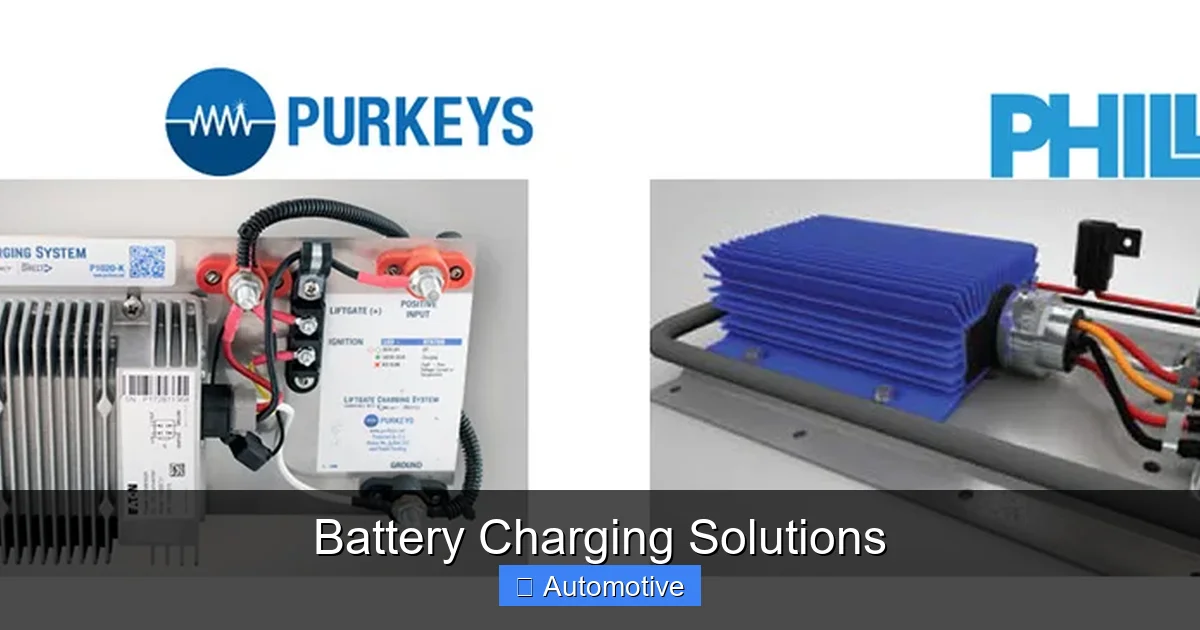
Visual guide about Battery Charging Solutions
Image source: maxonlift.com
Not all battery chargers are created equal. Different types serve different purposes, and choosing the right one depends on your vehicle, usage habits, and charging needs. Let’s break down the most common types of battery chargers and when to use them.
Trickle Chargers
Trickle chargers deliver a slow, steady charge to your battery over a long period. They’re ideal for maintaining charge in vehicles that aren’t used often—like weekend cars, motorcycles, or boats. Because they charge slowly, they’re less likely to overheat or damage the battery.
For example, if you own a vintage Mustang that you only drive in the summer, a trickle charger can keep the battery topped up during the winter months. Just plug it in once a month, and your battery will stay ready. However, trickle chargers aren’t designed for fast recovery. If your battery is completely dead, it could take 24 hours or more to recharge.
Smart Chargers (Intelligent Chargers)
Smart chargers are the gold standard for modern battery care. They use microprocessors to monitor the battery’s voltage, temperature, and charge level in real time. Based on this data, they automatically adjust the charging rate to prevent overcharging, undercharging, or overheating.
These chargers often include multiple charging modes—like “maintenance,” “recovery,” and “desulfation”—to handle different battery conditions. For instance, if your battery has been sitting at a low charge for weeks, a smart charger can safely bring it back to life without damaging the plates.
One popular example is the NOCO Genius series. These compact, user-friendly chargers can revive dead batteries, maintain charge during storage, and even work on lithium-ion batteries. They’re perfect for everyday drivers who want reliability without the hassle.
Fast Chargers (Boost Chargers)
Fast chargers deliver high current to recharge a battery quickly—sometimes in under an hour. They’re great for emergencies when you need to get back on the road fast. Many fast chargers also include jump-start functionality, so you can revive a dead battery without another vehicle.
However, fast charging generates heat and can stress the battery if used too often. It’s best reserved for occasional use, like when you accidentally leave your headlights on overnight. For daily charging, a smart or trickle charger is safer and more effective.
Solar Battery Chargers
Solar chargers use photovoltaic panels to convert sunlight into electricity, which is then used to charge your battery. They’re eco-friendly, portable, and perfect for off-grid use. If you live in a sunny area or store your vehicle outdoors, a solar charger can keep your battery topped up without plugging into an outlet.
For example, a 10-watt solar panel can maintain a 12V car battery with just a few hours of sunlight per day. Some models even include built-in regulators to prevent overcharging. While solar chargers aren’t powerful enough to revive a completely dead battery quickly, they’re excellent for long-term maintenance.
Portable Power Stations with Charging Capability
These all-in-one devices combine a large battery with multiple output ports, including 12V DC and AC outlets. They can charge your car battery, power tools, or run small appliances during a camping trip. Some even support solar input for recharging.
While not traditional battery chargers, portable power stations are a versatile solution for drivers who need backup power on the go. They’re especially useful for RVs, overlanders, or anyone who spends time away from electrical outlets.
How to Choose the Best Battery Charging Solution
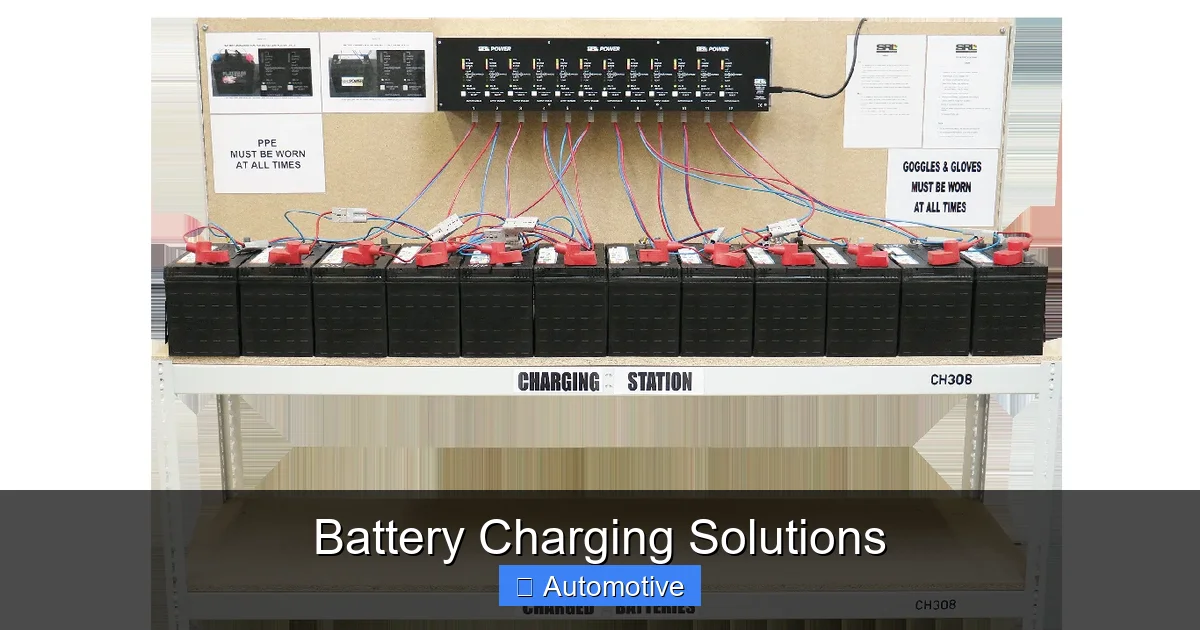
Visual guide about Battery Charging Solutions
Image source: srltraffic.ie
With so many options available, picking the right battery charging solution can feel overwhelming. But by considering a few key factors, you can narrow down your choices and find the perfect match for your needs.
Vehicle Type and Battery Size
Different vehicles use different battery types and sizes. A compact car might use a standard 12V lead-acid battery, while a heavy-duty truck could require a high-capacity AGM or lithium battery. Always check your owner’s manual or the battery label to confirm the voltage, capacity (measured in ampere-hours or Ah), and chemistry.
For example, a 12V 60Ah battery needs a charger that can deliver at least 6 amps to charge efficiently. Using a charger that’s too weak will take forever; one that’s too strong can damage the battery. Most modern smart chargers automatically detect battery type and adjust accordingly, making them a safe choice for most vehicles.
Usage Frequency and Storage Needs
How often you drive your car plays a big role in your charging needs. If you drive daily, your alternator usually keeps the battery charged. But if your car sits for days or weeks—like a second car, motorcycle, or classic vehicle—you’ll need a maintainer or trickle charger to prevent discharge.
For long-term storage (30 days or more), a smart maintainer is ideal. It keeps the battery at an optimal charge level without overcharging. Some models even include a “storage mode” that pulses the charge to prevent sulfation—a common cause of battery failure.
Charging Environment
Where you charge your battery matters. If you have access to a garage with electricity, a plug-in smart charger is convenient and reliable. But if you’re charging outdoors or in a remote location, a solar charger or portable power station might be better.
Also consider temperature. Batteries charge less efficiently in cold weather. Some smart chargers include temperature sensors and adjust the charge rate based on ambient conditions. If you live in a cold climate, look for a charger with cold-weather performance features.
Budget and Features
Battery chargers range from $20 for basic trickle models to $200+ for advanced smart chargers with diagnostics and Bluetooth connectivity. While it’s tempting to go cheap, investing in a quality charger can save you money in the long run by extending battery life and preventing breakdowns.
Look for features like reverse polarity protection, spark-proof clamps, and automatic shutoff. These safety features protect both you and your vehicle. If you want extra convenience, consider a charger with a built-in voltmeter or app integration so you can monitor your battery from your phone.
Step-by-Step Guide to Charging Your Car Battery Safely
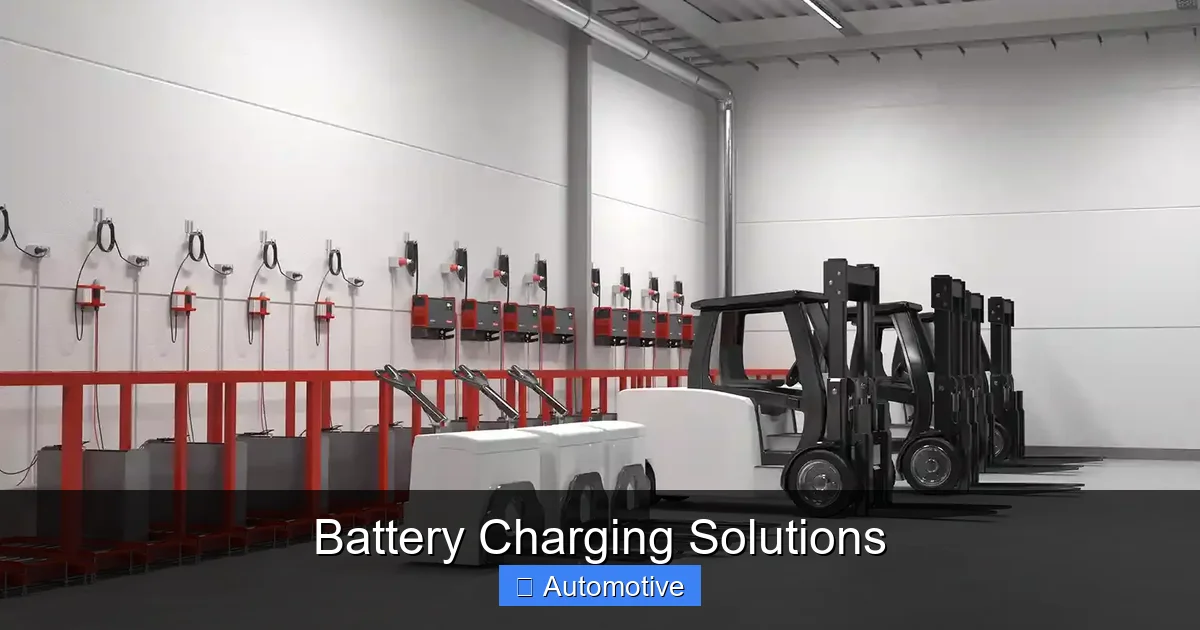
Visual guide about Battery Charging Solutions
Image source: fronius.com
Charging a car battery isn’t complicated, but it does require caution. Batteries contain sulfuric acid and produce flammable hydrogen gas, so safety should always come first. Follow these steps to charge your battery safely and effectively.
Step 1: Prepare Your Workspace
Park your vehicle in a well-ventilated area, away from open flames or sparks. Turn off the engine and remove the keys. If you’re working indoors, make sure the garage door is open for airflow. Wear safety glasses and gloves to protect your eyes and skin.
Step 2: Inspect the Battery
Check the battery for cracks, leaks, or swelling. If you see any damage, do not charge it—replace the battery instead. Also, make sure the terminals are clean and free of corrosion. Use a mixture of baking soda and water to clean any white or green buildup, then rinse with water and dry thoroughly.
Step 3: Connect the Charger
Always connect the charger to the battery before plugging it into the wall. Attach the red (positive) clamp to the positive terminal and the black (negative) clamp to the negative terminal. Never reverse the connections—this can damage the battery or cause a fire.
If your battery is in a hard-to-reach location, use a battery terminal adapter or extension cable. Some smart chargers come with quick-connect cables for easy setup.
Step 4: Set the Charging Mode
If your charger has multiple modes, select the appropriate one. For a dead battery, use “recovery” or “boost” mode. For maintenance, choose “float” or “maintenance” mode. Smart chargers will usually detect the battery condition automatically.
Set the charge rate based on your battery’s capacity. A general rule is to use a charge rate of 10% of the battery’s Ah rating. For a 60Ah battery, that’s 6 amps.
Step 5: Start Charging and Monitor
Plug in the charger and turn it on. Most smart chargers will display the charging progress on a screen. Let the charger run until it indicates the battery is fully charged. This can take anywhere from 2 to 24 hours, depending on the charger and battery condition.
Never leave a charger unattended for long periods. Check it periodically to ensure it’s working properly and not overheating.
Step 6: Disconnect and Test
Once charging is complete, unplug the charger from the wall before disconnecting the clamps. Remove the black clamp first, then the red. Start your vehicle to confirm the battery is working. Use a multimeter to check the voltage—a fully charged 12V battery should read around 12.6 to 12.8 volts.
Common Battery Charging Mistakes to Avoid
Even with the best intentions, it’s easy to make mistakes when charging a car battery. These errors can shorten battery life, damage your vehicle, or even cause injury. Here are the most common pitfalls and how to avoid them.
Overcharging the Battery
Leaving a charger connected too long can cause overcharging, which leads to overheating, water loss, and reduced battery life. This is especially true with older trickle chargers that don’t have automatic shutoff.
Solution: Use a smart charger with automatic voltage regulation. These devices stop charging when the battery reaches full capacity and switch to maintenance mode.
Charging a Frozen Battery
Never charge a frozen battery. The internal chemical reaction can’t occur properly, and the pressure buildup can cause the battery to explode.
Solution: Bring the battery to room temperature before charging. If you suspect it’s frozen, check for swelling or cracks. If in doubt, replace it.
Using the Wrong Charger
Using a charger that’s too powerful or incompatible with your battery type can cause damage. For example, charging a lithium battery with a lead-acid charger can be dangerous.
Solution: Always match the charger to your battery’s voltage and chemistry. When in doubt, choose a universal smart charger that detects battery type automatically.
Ignoring Safety Precautions
Failing to wear protective gear or working in a poorly ventilated area increases the risk of acid burns or explosions.
Solution: Always wear gloves and safety glasses. Work in a well-ventilated area, and keep sparks and flames away from the battery.
Not Maintaining the Battery
Even with regular charging, batteries need maintenance. Corroded terminals, low electrolyte levels (in non-sealed batteries), and sulfation can reduce performance.
Solution: Clean terminals regularly, check fluid levels if applicable, and use a desulfation mode if your charger has one.
Maintaining Your Battery for Long-Term Health
Charging is just one part of battery care. To get the most out of your battery, you need a comprehensive maintenance routine. Here’s how to keep your battery in peak condition year-round.
Regular Voltage Checks
Use a multimeter to check your battery voltage at least once a month. A healthy battery should read:
– 12.6–12.8 volts when fully charged and rested
– 13.7–14.7 volts when the engine is running (alternator charging)
– Below 12.4 volts indicates a partial discharge
– Below 12.0 volts means the battery is deeply discharged and may need replacement
Keep Terminals Clean
Corrosion on the terminals increases resistance and reduces charging efficiency. Clean them every 3–6 months with a wire brush and baking soda solution. Apply a thin layer of dielectric grease to prevent future buildup.
Drive Regularly
Short trips don’t give the alternator enough time to recharge the battery. If you only drive a few miles at a time, consider taking longer drives weekly or using a maintainer.
Use a Battery Maintainer During Storage
If you won’t be driving your car for more than two weeks, connect a smart maintainer. It will keep the battery charged without overcharging.
Protect from Extreme Temperatures
Heat accelerates chemical reactions that degrade the battery. Cold reduces its ability to deliver power. Park in a garage when possible, and consider a battery insulation wrap in winter.
Conclusion: Invest in the Right Battery Charging Solution
Your car battery is a critical component that deserves proper care. With the right battery charging solution, you can avoid unexpected breakdowns, extend battery life, and save money on replacements. Whether you choose a smart charger for daily use, a solar maintainer for storage, or a portable power station for emergencies, the key is consistency and safety.
Remember, not all chargers are equal. Match the charger to your vehicle, usage, and environment. Follow safe charging practices, maintain your battery regularly, and avoid common mistakes. By doing so, you’ll keep your car ready to go—no matter the season or situation.
Investing in a quality charging solution isn’t just about convenience—it’s about reliability, safety, and peace of mind. So take the time to choose wisely, and your battery will thank you with years of dependable service.
Frequently Asked Questions
Can I leave a battery charger connected overnight?
Yes, but only if it’s a smart charger with automatic shutoff. These devices stop charging when the battery is full and switch to maintenance mode. Avoid leaving trickle chargers connected for more than 24 hours unless they have safety features.
How long does it take to charge a car battery?
Charging time depends on the charger type and battery condition. A smart charger can recharge a dead battery in 2–6 hours, while a trickle charger may take 12–24 hours. Always follow the manufacturer’s recommendations.
Can I charge a car battery while it’s still in the vehicle?
Yes, most chargers are designed to work with the battery in place. Just make sure the engine is off and the charger is compatible with your vehicle’s electrical system.
What’s the difference between a charger and a maintainer?
A charger restores a dead or low battery to full charge, while a maintainer keeps a fully charged battery at optimal levels during storage. Many smart chargers include both functions.
Can I use a solar charger in winter?
Yes, but solar chargers work best in direct sunlight. In winter, snow and shorter days reduce efficiency. Use a higher-wattage panel or clear snow from the panel to improve performance.
How often should I charge my car battery?
If you drive regularly, your alternator keeps the battery charged. For infrequently used vehicles, charge or maintain the battery every 2–4 weeks to prevent deep discharge.