
How Long Does a Travel Trailer Last

Travel trailers typically last 10 to 20 years with proper care, but their lifespan depends on build quality, usage, and maintenance. High-end models from reputable brands can exceed 20 years, while budget units may show wear sooner. Regular upkeep and smart storage choices make all the difference.
Thinking about buying a travel trailer? You’re not alone. More people than ever are hitting the open road with their home-on-wheels in tow. Whether you’re planning weekend getaways, cross-country adventures, or full-time RV living, one big question always comes up: How long does a travel trailer last?
It’s a fair question. Travel trailers aren’t cheap—many cost as much as a small car or even a modest home. You want to know your investment will hold up over time. The good news? With the right care, a travel trailer can serve you well for well over a decade. But like any vehicle, its lifespan isn’t guaranteed. It depends on a mix of factors: how often you use it, where you store it, how well you maintain it, and even the brand and model you choose.
In this guide, we’ll break down everything you need to know about travel trailer longevity. We’ll look at average lifespans, what affects durability, and how you can stretch your trailer’s life as far as possible. Whether you’re a first-time buyer or a seasoned RVer looking to upgrade, this info will help you make smarter decisions and get the most out of your adventure rig.
Key Takeaways
- Lifespan Range: Most travel trailers last between 10 and 20 years, depending on materials, usage, and care.
- Build Quality Matters: Trailers from premium brands with aluminum frames, fiberglass exteriors, and sealed roofs last longer than budget models.
- Maintenance is Crucial: Regular inspections, roof sealing, and winterizing prevent costly damage and extend life.
- Usage Frequency Impacts Longevity: Trailers used seasonally or stored properly last longer than those exposed to constant weather and road stress.
- Storage Conditions Play a Role: Indoor or covered storage protects against UV rays, moisture, and temperature swings.
- Upgrades Can Refresh a Trailer: Replacing flooring, upholstery, and appliances can make an older trailer feel new again.
- Resale Value Declines Over Time: Even well-maintained trailers lose value after 10 years, but longevity doesn’t depend on market worth.
📑 Table of Contents
What Is the Average Lifespan of a Travel Trailer?
So, how long does a travel trailer last on average? Most experts agree that a well-maintained travel trailer can last between 10 and 20 years. That’s a pretty wide range, and for good reason—there’s no one-size-fits-all answer. Some trailers start showing serious wear after just 7 or 8 years, while others are still going strong at 25.
A lot depends on the quality of construction. High-end travel trailers from brands like Airstream, Grand Design, or Winnebago are built with durable materials and better engineering. These models often last 20 years or more with proper care. On the flip side, budget-friendly trailers from lesser-known manufacturers might use thinner walls, weaker frames, and less weather-resistant materials. These can start to deteriorate faster, especially if exposed to harsh climates.
Let’s look at a real-world example. A 2010 Airstream Flying Cloud, properly maintained and stored indoors during winter, could easily still be in great shape today—14 years later. Meanwhile, a similarly aged trailer from a budget brand might have issues like roof leaks, delaminated walls, or frame rust if it wasn’t cared for.
Another factor is how the trailer is used. A unit that’s pulled across the country every summer and stored outside year-round will face more stress than one used a few weekends a year and kept in a climate-controlled garage. The more miles it racks up and the more weather it endures, the faster wear and tear will set in.
But here’s the encouraging part: even older trailers can have a second life. With smart upgrades and consistent maintenance, many RVers keep their trailers functional and comfortable long past the 20-year mark. It’s not uncommon to see 25- or even 30-year-old trailers still hitting the road—especially if they’ve been loved and looked after.
Factors That Affect How Long a Travel Trailer Lasts
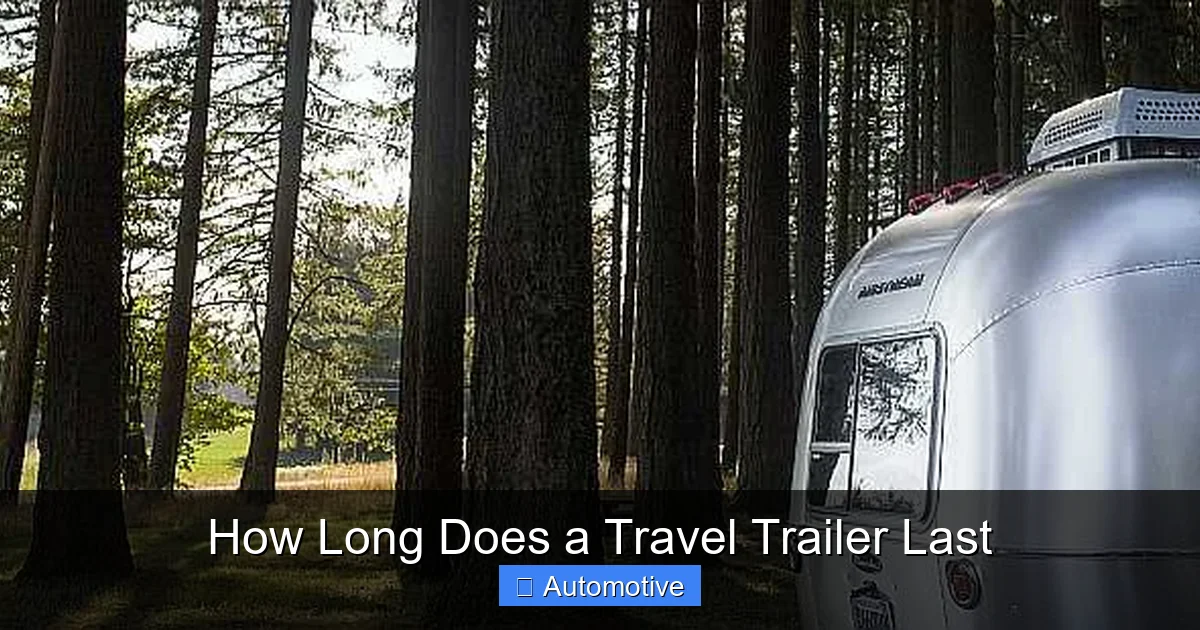
Visual guide about How Long Does a Travel Trailer Last
Image source: livingpioneer.com
Now that we know the average lifespan, let’s dig into what actually determines how long your travel trailer will last. It’s not just about age—it’s about how it’s built, used, and cared for. Several key factors play a role, and understanding them can help you protect your investment.
Build Quality and Materials
Not all travel trailers are created equal. The materials used in construction make a huge difference in durability. High-quality trailers often feature:
– Aluminum or steel frames that resist rust and bending
– Fiberglass or aluminum exterior walls that don’t rot or delaminate easily
– Sealed, insulated roofs (like rubber TPO or PVC) that prevent leaks
– Weather-resistant seals around windows, doors, and vents
Cheaper models might use wood frames, thin paneling, or poorly sealed roofs—materials that are more prone to water damage, mold, and structural issues over time.
For example, a Grand Design Reflection with a fully welded aluminum frame and fiberglass exterior will likely outlast a similar-sized trailer with a wood frame and laminated walls. The difference isn’t always obvious at first, but it shows up after years of exposure to sun, rain, and road vibrations.
Frequency and Type of Use
How often you use your trailer matters. A travel trailer that’s pulled 5,000 miles a year and used 30 weekends will experience more wear than one used 5 times a year for short trips. Constant movement puts stress on the frame, axles, tires, and suspension.
Also, where you drive plays a role. Rough roads, potholes, and off-grid trails can shake loose bolts, crack seals, and damage undercarriage components. If you’re a weekend warrior sticking to smooth highways, your trailer will likely last longer than someone tackling mountain passes or desert backroads regularly.
Climate and Weather Exposure
Weather is one of the biggest enemies of travel trailers. Sun, rain, snow, and temperature swings can all take a toll.
– UV rays fade paint, crack seals, and degrade rubber components
– Rain and moisture lead to leaks, mold, and rot—especially in roofs and walls
– Freezing temperatures can crack plumbing and damage seals if not winterized
– High humidity encourages mildew and corrosion
Trailers stored in dry, mild climates (like Arizona or Southern California) often last longer than those in humid, rainy areas (like the Pacific Northwest or the Southeast). But even in ideal climates, neglecting maintenance can shorten a trailer’s life.
Storage Conditions
Where you keep your trailer when it’s not in use is just as important as how you use it. Trailers stored outdoors uncovered are exposed to the elements 24/7. Over time, this leads to fading, roof damage, and pest infestations.
On the other hand, storing your trailer in a covered carport, garage, or RV storage facility can add years to its life. Indoor storage protects against sun, rain, snow, and temperature extremes. It also reduces the risk of theft and vandalism.
If indoor storage isn’t an option, a high-quality RV cover can help—but it’s not a perfect solution. Covers can trap moisture underneath if not fitted properly, leading to mold or rust. Still, it’s better than leaving your trailer completely exposed.
Maintenance Habits
This might be the single most important factor. A well-maintained trailer from a budget brand can outlast a neglected premium model. Regular upkeep prevents small issues from becoming big, expensive problems.
Key maintenance tasks include:
– Inspecting and resealing the roof every 6–12 months
– Checking and tightening bolts, screws, and fasteners
– Cleaning and lubricating slide-outs, hinges, and locks
– Winterizing plumbing systems in cold climates
– Checking tires for cracks and proper inflation
– Cleaning and treating exterior surfaces
We’ll dive deeper into maintenance later, but for now, just know this: consistency is key. Skipping annual roof inspections or ignoring a small leak can lead to major water damage down the line.
Signs Your Travel Trailer May Be Nearing the End of Its Life
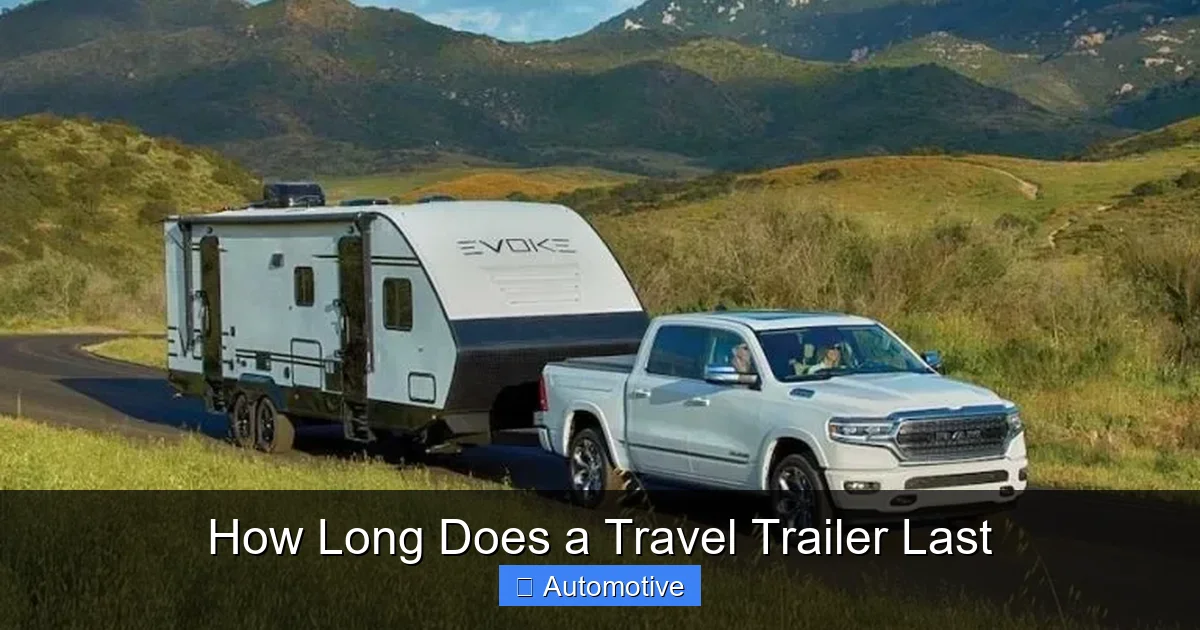
Visual guide about How Long Does a Travel Trailer Last
Image source: i2.wp.com
Even with great care, travel trailers don’t last forever. Eventually, wear and tear will catch up. But how do you know when it’s time to retire your rig? Here are some common signs that your trailer may be nearing the end of its useful life.
Structural Damage
One of the biggest red flags is structural damage. This includes:
– Cracks or soft spots in the floor (often a sign of water damage or rotting subfloor)
– Delamination of exterior walls (bubbling or separation of wall layers)
– Rust or corrosion on the frame, especially near the axles or hitch
– Sagging or uneven suspension
These issues can be expensive to fix—sometimes more than the trailer is worth. If the frame is compromised, it may not be safe to tow, no matter how nice the interior looks.
Chronic Roof Leaks
Roof leaks are common in older trailers, but if you’re constantly finding new leaks or resealing the same spots, it’s a sign of bigger problems. Over time, roof membranes can crack, seams can fail, and vents can deteriorate. If water has seeped into the walls or ceiling, it can cause mold, rot, and electrical issues.
A professional roof inspection can help determine if repairs are feasible or if a full roof replacement is needed. But if the damage is widespread, it might be more cost-effective to replace the trailer.
Electrical and Plumbing Failures
Older trailers often have outdated wiring and plumbing. If you’re experiencing frequent electrical shorts, blown fuses, or low water pressure, it could be due to aging systems. Replacing wiring or plumbing in a travel trailer is possible but can be invasive and costly—especially if walls need to be opened up.
Excessive Wear on Interior Components
While cosmetic wear doesn’t necessarily mean the trailer is done, excessive damage can affect livability. Think:
– Cracked or warped cabinetry
– Worn-out flooring that’s beyond repair
– Faded or torn upholstery that’s expensive to replace
– Appliances that no longer function reliably
If you’re spending more on repairs and upgrades than the trailer is worth, it might be time to consider an upgrade.
Decreased Towing Performance
If your trailer feels unstable, sways excessively, or puts too much strain on your tow vehicle, it could be a sign of suspension or frame issues. Older axles, worn-out shocks, or unbalanced loads can make towing unsafe.
Always have your trailer inspected by a professional if you notice changes in handling. Safety should always come first.
How to Extend the Life of Your Travel Trailer
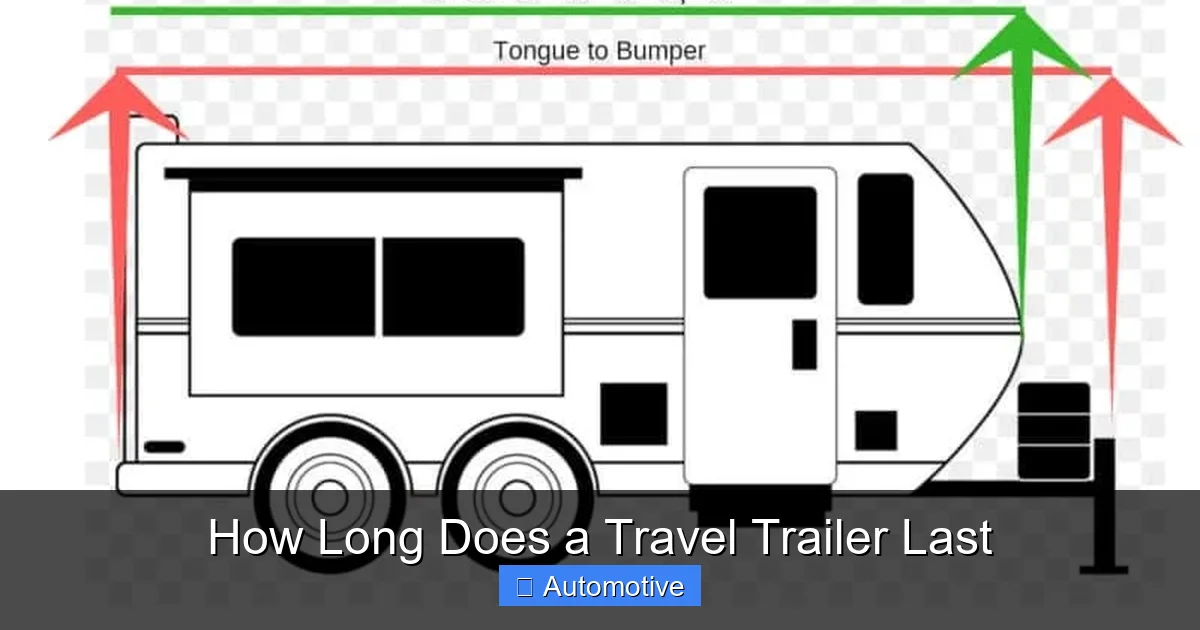
Visual guide about How Long Does a Travel Trailer Last
Image source: traveltrailerpro.com
The good news? You have a lot of control over how long your travel trailer lasts. With smart habits and regular care, you can add years—even decades—to its life. Here’s how.
Follow a Regular Maintenance Schedule
Create a checklist and stick to it. Here’s a basic annual maintenance routine:
– Spring: Inspect roof, reseal seams, check tires, test brakes, flush water system
– Summer: Clean exterior, check slide-outs, inspect awning, test appliances
– Fall: Winterize plumbing, check seals, inspect undercarriage, clean and store properly
– Winter: If stored outdoors, check cover, remove snow buildup, inspect for pests
Keeping a log of maintenance tasks helps you stay on track and can increase resale value.
Invest in Quality Upgrades
Upgrading key components can breathe new life into an older trailer. Consider:
– Replacing old flooring with waterproof vinyl or laminate
– Upgrading to LED lighting for better efficiency and longevity
– Installing a high-quality water filter and pressure regulator
– Adding solar panels to reduce reliance on campground power
These upgrades not only improve comfort but can also prevent future problems.
Use a High-Quality Cover or Store Indoors
If you can’t store your trailer indoors, invest in a breathable, UV-resistant RV cover. Make sure it’s properly secured and doesn’t trap moisture. Check under the cover periodically to ensure no condensation is building up.
Drive Smart and Tow Safely
How you tow affects your trailer’s lifespan. Always:
– Distribute weight evenly (60% forward of the axle)
– Use a weight distribution hitch if needed
– Avoid sudden stops and sharp turns
– Check tire pressure before every trip
Proper towing reduces stress on the frame and suspension.
Address Problems Immediately
Don’t ignore small issues. A tiny roof leak today can become a flooded ceiling tomorrow. Fixing problems early saves money and prevents bigger damage.
When to Consider Replacing Your Travel Trailer
Even with the best care, there comes a time when replacing your trailer makes more sense than repairing it. Here’s how to know when it’s time.
Repair Costs Exceed 50% of Value
A common rule of thumb: if repairs cost more than half the trailer’s current value, it’s probably not worth fixing. For example, if your 15-year-old trailer is worth $10,000 and needs $6,000 in structural repairs, it’s time to look at replacements.
Safety Concerns
If inspections reveal frame damage, brake failure, or electrical hazards, don’t risk it. Safety should always come first.
You’ve Outgrown It
Maybe your family has grown, or your travel style has changed. If your current trailer no longer meets your needs, upgrading can be a smart move—even if it’s still functional.
New Technology and Features
Newer trailers offer better insulation, smarter layouts, and advanced tech like solar readiness and smart monitoring systems. If these features matter to you, upgrading might be worth it.
Conclusion
So, how long does a travel trailer last? The answer isn’t set in stone—it depends on you. With quality construction, smart usage, and consistent maintenance, your trailer can last 15, 20, or even 25 years. But neglect, poor storage, and harsh conditions can cut that time in half.
The key is to treat your travel trailer like the valuable investment it is. Inspect it regularly, fix problems early, and store it properly. Do that, and you’ll enjoy countless adventures on the open road.
Whether you’re buying your first trailer or upgrading an old one, remember: longevity isn’t just about age—it’s about care. Take good care of your rig, and it will take good care of you.
Frequently Asked Questions
How long does a travel trailer last with proper maintenance?
With proper maintenance, a travel trailer can last 15 to 20 years or more. High-quality models from reputable brands may even exceed 25 years if well cared for and stored properly.
What is the biggest threat to a travel trailer’s lifespan?
Water damage is the biggest threat. Roof leaks, poor seals, and moisture buildup can lead to mold, rot, and structural damage over time, significantly shortening a trailer’s life.
Can a travel trailer last 30 years?
Yes, some travel trailers can last 30 years or more, especially if they’re well-built, rarely used, and stored indoors. Airstreams and other premium brands are known for their longevity.
How often should I reseal my travel trailer’s roof?
You should inspect and reseal your travel trailer’s roof every 6 to 12 months, or whenever you notice cracks, gaps, or wear in the sealant.
Does storing a travel trailer indoors really make a difference?
Yes, indoor storage can add 5 to 10 years to a trailer’s life by protecting it from UV rays, rain, snow, and temperature swings that cause wear and deterioration.
Is it worth repairing an old travel trailer?
It depends on the cost of repairs versus the trailer’s value. If repairs exceed 50% of its worth or involve major structural issues, replacement is usually the better option.
