
Is It Illegal to Sell an Expired Car Seat

Selling an expired car seat may not be explicitly illegal in all areas, but it poses serious safety risks and could violate consumer protection laws. Most manufacturers and safety experts strongly advise against it, as expired seats may fail in a crash.
Key Takeaways
- Car seats expire for safety reasons: Materials degrade over time, reducing protection in a crash.
- It may not be illegal everywhere: No federal law in the U.S. bans selling expired seats, but state or local laws might.
- Consumer protection laws apply: Selling a defective or unsafe product could lead to liability or fraud claims.
- Manufacturers warn against resale: Most brands state in manuals that expired seats should not be used or sold.
- Ethical concerns matter: Selling an expired seat puts children at risk and undermines public safety.
- Safer alternatives exist: Donate to certified programs or recycle properly instead of selling.
- Always check the expiration date: Look for a label on the seat—usually 6 to 10 years from manufacture.
📑 Table of Contents
Is It Illegal to Sell an Expired Car Seat?
When it comes to child safety, few topics spark as much concern—and confusion—as car seat expiration dates. Parents, caregivers, and secondhand shoppers often wonder: Is it actually illegal to sell an expired car seat? The short answer is: not necessarily, but it’s complicated. While there’s no federal law in the United States that explicitly criminalizes the sale of an expired car seat, doing so can still land you in hot water legally, ethically, and morally.
Car seats are not like canned goods or makeup—they’re life-saving devices designed to protect children in the event of a collision. Over time, the plastics, foams, and harness materials in car seats break down due to heat, sunlight, and general wear. This degradation can compromise the seat’s ability to absorb impact and keep a child secure. That’s why every major car seat manufacturer includes an expiration date, typically ranging from six to ten years from the date of manufacture.
So, while you might not face jail time for listing an expired car seat on Facebook Marketplace, you could be violating consumer protection laws, facing civil liability, or even contributing to a preventable injury. In this article, we’ll break down the legal landscape, safety concerns, manufacturer guidelines, and ethical implications of selling an expired car seat. Whether you’re a parent looking to declutter or a reseller trying to make a quick buck, understanding the full picture is essential.
Why Do Car Seats Expire?
Before diving into the legality of selling expired car seats, it’s important to understand why they expire in the first place. Unlike toys or strollers, car seats are engineered to meet strict federal safety standards and undergo rigorous crash testing. But like any product made from plastic, fabric, and metal, they don’t last forever.
Material Degradation Over Time
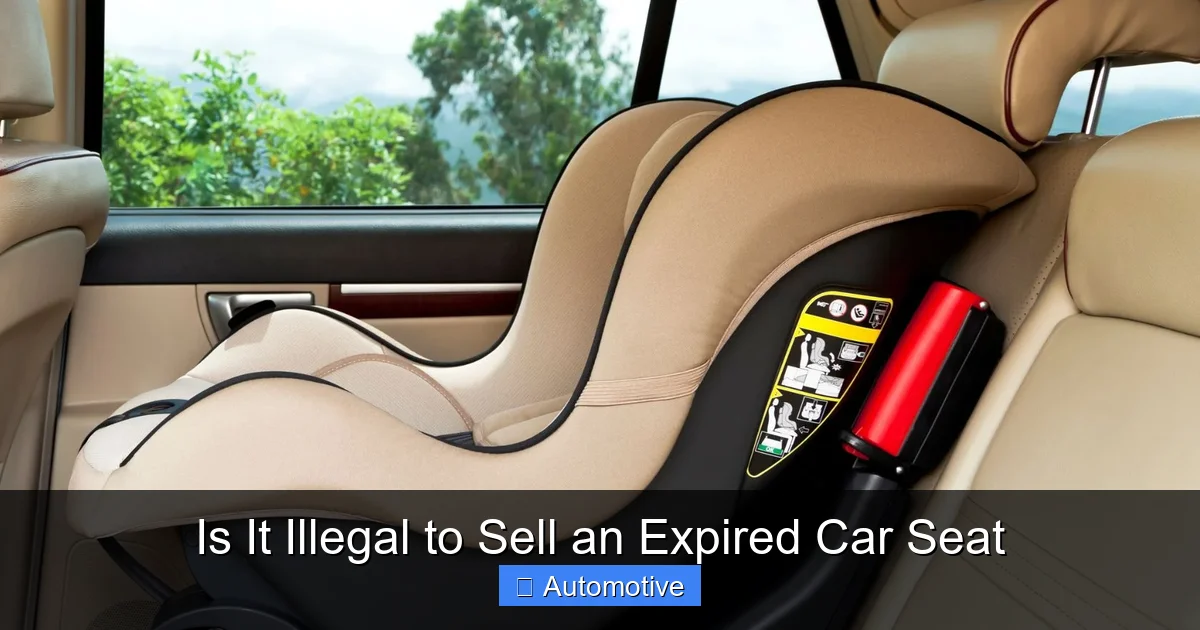
Car seats are exposed to extreme conditions—blazing heat in summer, freezing cold in winter, and constant UV exposure from sunlight. These elements cause plastics to become brittle, foam padding to break down, and harness webbing to weaken. Even if a seat looks fine on the outside, internal components may have deteriorated to the point where they can’t perform as intended during a crash.
Visual guide about Is It Illegal to Sell an Expired Car Seat
Image source: thecarplus.com
For example, the energy-absorbing foam in the headrest or side wings may lose its ability to compress and absorb impact. Similarly, the buckle mechanism—critical for keeping a child secured—might fail under stress if the plastic has become fragile. These failures aren’t always visible, which is why expiration dates are based on scientific testing and material science, not just appearance.
Changes in Safety Standards
Safety technology evolves rapidly. Car seats manufactured a decade ago may not meet current federal motor vehicle safety standards (FMVSS No. 213), which are updated regularly to reflect new research and crash data. For instance, newer seats often include improved side-impact protection, better harness systems, and enhanced compatibility with vehicle LATCH systems.
Selling an expired seat means potentially passing on outdated technology that doesn’t offer the same level of protection as modern models. Even if the seat passed all tests when new, it may not perform adequately under today’s safety expectations.
Recall and Repair Limitations
Another reason for expiration is the difficulty in tracking and repairing older seats. Manufacturers issue recalls for defects, but if a seat is too old, replacement parts may no longer be available. Additionally, the original owner may not be reachable, leaving future users unaware of critical safety issues.
For example, in 2019, a major car seat brand recalled over 600,000 seats due to a faulty harness adjuster. If you sell an expired seat from that batch without disclosing the recall, you could be putting a child in danger—and opening yourself up to legal trouble.
Legal Landscape: Is Selling an Expired Car Seat Illegal?
Now, let’s tackle the big question: Is it illegal to sell an expired car seat? The answer depends on where you live, how you sell it, and what you disclose.
Federal Laws in the United States
Currently, there is no federal law in the U.S. that explicitly prohibits the sale of an expired car seat. The National Highway Traffic Safety Administration (NHTSA) sets safety standards for car seats but does not regulate the resale of used or expired products. This means, technically, you can sell an expired seat online or in person without breaking federal law.
Visual guide about Is It Illegal to Sell an Expired Car Seat
Image source: thecarplus.com
However, this doesn’t mean you’re off the hook. Other laws may still apply, especially if the sale is misleading or dangerous.
State and Local Regulations
Some states and municipalities have stricter consumer protection laws that could come into play. For example, California’s Consumer Legal Remedies Act prohibits unfair or deceptive practices in sales. If you sell an expired car seat without disclosing its age or condition, you could be accused of fraud or misrepresentation.
In 2021, a California court ruled in a case where a parent sued a reseller after their child was injured in a crash involving a 12-year-old car seat. Although the seat wasn’t technically illegal to sell, the court found the seller liable for failing to warn about the expiration and potential risks. This highlights how state laws can impose liability even in the absence of a specific ban.
Liability and Civil Lawsuits
Even if no law is broken, selling an expired car seat can expose you to civil liability. If a child is injured or killed in a crash while using a seat you sold, the parents could sue you for negligence. Courts may consider whether you knew—or should have known—that the seat was unsafe.
For instance, if you listed a car seat on Craigslist with the description “barely used, great condition,” but failed to mention it expired three years ago, a jury might find that you misled the buyer. The emotional and financial consequences of such a lawsuit could be devastating.
Retailer and Platform Policies
While not laws, the policies of online marketplaces can effectively make selling expired seats “illegal” in practice. Platforms like eBay, Facebook Marketplace, and OfferUp often prohibit the sale of expired or recalled safety items, including car seats.
eBay, for example, explicitly bans the sale of car seats that are past their expiration date or have been recalled. Violating these terms can result in account suspension or removal of listings. So even if it’s not against the law, you may not be able to sell it online.
Manufacturer Guidelines and Warnings
One of the strongest arguments against selling expired car seats comes directly from the manufacturers themselves. Every major car seat brand—Graco, Chicco, Britax, Evenflo, and others—includes a clear warning in their user manuals: Do not use or sell this seat after the expiration date.
Expiration Labels and How to Find Them
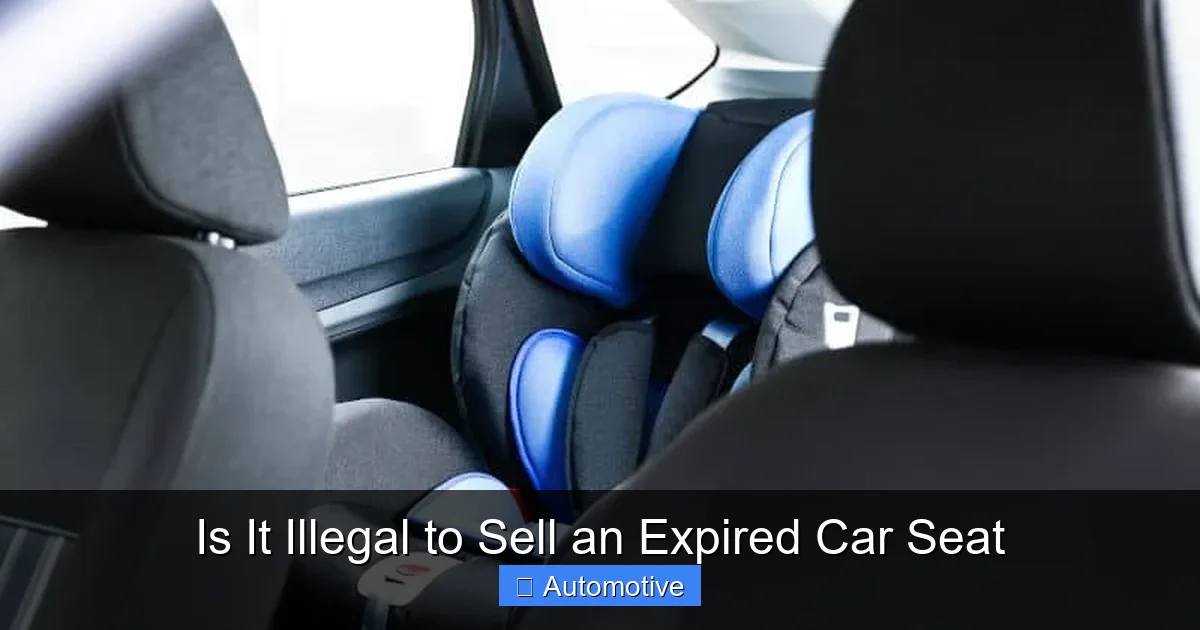
Most car seats have a label on the bottom or back that shows the manufacture date and expiration date. The expiration is typically six to ten years from the manufacture date, though some newer models now have ten-year expirations. For example, a seat made in January 2015 would expire in January 2025.
Visual guide about Is It Illegal to Sell an Expired Car Seat
Image source: carroar.com
It’s important to note that the expiration date is not a suggestion—it’s a safety cutoff. Manufacturers test seats under controlled conditions, but real-world exposure to heat, cold, and UV light accelerates wear. The expiration date accounts for this degradation.
What the Manuals Say
Let’s look at a few examples. Graco’s manual states: “Do not use this car seat after the expiration date printed on the label. The materials may degrade over time and the seat may not perform as designed in a crash.” Similarly, Britax warns: “Using this product beyond the expiration date could result in failure to protect your child in a crash.”
These warnings are not just legal disclaimers—they’re based on engineering and safety research. When you sell an expired seat, you’re essentially ignoring the manufacturer’s explicit instructions, which could void any implied warranty and increase your risk of liability.
Recall and Safety Campaigns
Manufacturers also use expiration dates to manage recalls and safety campaigns. If a defect is discovered in a certain model, they can target seats within a specific date range. Selling an expired seat outside this system makes it harder to ensure safety updates reach the end user.
For example, in 2020, a major recall affected car seats made between 2014 and 2018. If you sold a seat from 2013 that was just past its expiration, the new owner might never know about the recall—putting their child at risk.
Safety Risks of Using Expired Car Seats
Beyond legal and ethical concerns, the core issue is safety. An expired car seat is not just outdated—it’s potentially dangerous.
Reduced Crash Protection
Studies have shown that older car seats may not perform as well in crashes. A 2018 study by the University of Michigan Transportation Research Institute found that seats over six years old showed signs of material fatigue and reduced energy absorption. In simulated crashes, expired seats allowed greater head movement and higher risk of injury.
Imagine a child in a side-impact collision. A modern seat with intact foam and reinforced sides might absorb the force and keep the child safe. But an expired seat with brittle plastic and degraded padding could crack or fail, leading to serious injury.
Harness and Buckle Failures
The harness system is one of the most critical components of a car seat. Over time, the webbing can fray, the buckles can become stiff or sticky, and the adjustment mechanisms can wear out. These issues may not be obvious during a quick inspection.
For example, a parent might buckle their child in, only to find that the buckle doesn’t lock properly during a sudden stop. Or the harness might slip, allowing the child to move forward in a crash. These failures can turn a survivable accident into a tragedy.
Compatibility with Modern Vehicles
Even if the seat itself is intact, older models may not fit securely in newer cars. Vehicle seat designs, anchor points, and seatbelt systems have evolved. An expired seat might not latch properly or could shift during a crash due to poor compatibility.
This is especially true for seats that rely on the vehicle’s seatbelt for installation. Newer cars have advanced belt systems that may not work well with older seat designs, increasing the risk of improper installation.
Ethical and Moral Considerations
Beyond legality and safety, there’s a strong ethical argument against selling expired car seats. When you sell a used car seat, you’re entrusting a stranger’s child to a product you once relied on. If that product fails, the consequences are unimaginable.
The Responsibility of Care
Parents and caregivers make countless decisions to protect their children—from choosing organic food to installing smoke detectors. Selling an expired car seat undermines this culture of care. It shifts risk onto someone else, often without their full knowledge.
Consider this scenario: You sell a car seat to a young couple on a tight budget. They’re grateful for the discount and assume it’s safe because it looks fine. Six months later, they’re in a minor fender bender. The seat cracks, the harness slips, and their toddler suffers a concussion. Who’s to blame? While the crash was unavoidable, the seat’s failure was preventable.
Exploiting Financial Need
Many buyers of used car seats are low-income families who can’t afford new ones. Selling them an expired seat preys on their vulnerability. It’s not just unsafe—it’s exploitative.
Instead of selling, consider donating to organizations that provide car seats to families in need. Programs like Safe Kids Worldwide and local hospitals often accept gently used seats—as long as they’re not expired or recalled. This way, you help without compromising safety.
Setting a Poor Example
When parents see expired seats being sold online, it normalizes the practice. This can lead to a broader erosion of safety standards. If everyone starts ignoring expiration dates, the overall safety of child passengers declines.
We’ve seen this happen with other safety products—like helmets or life jackets—where expired items are resold until a tragic accident forces change. Let’s not wait for a headline to act.
What Should You Do Instead of Selling?
If you have an expired car seat, selling it isn’t your only option. In fact, there are safer, more responsible ways to handle it.
Recycle the Car Seat
Many communities offer car seat recycling programs. Retailers like Target and Walmart have partnered with recycling companies to safely dispose of expired seats. The plastic, metal, and fabric are separated and reused, keeping harmful materials out of landfills.
Check with your local waste management department or visit Earth911.com to find a recycling center near you. Some programs even offer discounts on new seats when you recycle an old one.
Donate to Certified Programs
If your seat is still within its expiration date and hasn’t been in an accident, consider donating it. Organizations like Safe Kids Worldwide, Cradles to Crayons, and local fire departments often accept used car seats for families in need.
Be honest about the seat’s age and condition. Most programs will inspect it before redistribution. If it’s expired, they’ll recycle it properly.
Destroy the Seat Before Disposal
If you must throw it away, destroy the seat first. Cut the harness straps, remove the padding, and break the plastic shell. This prevents someone from finding it and using it unknowingly.
You can also write “EXPIRED – DO NOT USE” in large letters on the seat before disposal. It’s a small step, but it could save a life.
Trade-In Programs
Some manufacturers and retailers offer trade-in programs. For example, Britax has a program where you can return an old seat (even if it’s expired) and receive a discount on a new one. This ensures the old seat is handled responsibly.
Conclusion
So, is it illegal to sell an expired car seat? The answer is nuanced. While there’s no federal law banning it outright, selling an expired car seat can still violate consumer protection laws, expose you to liability, and—most importantly—endanger a child’s life.
Car seats expire for a reason. Materials degrade, safety standards evolve, and manufacturers warn against use beyond a certain date. Ignoring these facts isn’t just risky—it’s irresponsible.
Instead of selling, consider recycling, donating, or trading in your expired seat. These options protect children, support families in need, and uphold the highest standards of safety and ethics.
When it comes to child safety, there’s no room for shortcuts. A few dollars saved today aren’t worth the potential cost tomorrow. Make the right choice—for your conscience, your community, and every child who rides in a car seat.
Frequently Asked Questions
Is it illegal to sell an expired car seat in the U.S.?
There is no federal law banning the sale of expired car seats, but state or local consumer protection laws may apply. Selling without disclosing the expiration could lead to legal liability.
How do I find the expiration date on a car seat?
Look for a label on the bottom or back of the seat. It usually shows the manufacture date and expiration date, typically 6 to 10 years later.
Can I donate an expired car seat?
No. Most donation programs only accept seats that are within their expiration date and have not been in an accident. Expired seats should be recycled or destroyed.
What happens if a child is injured in an expired car seat I sold?
You could be sued for negligence or misrepresentation, especially if you didn’t disclose the expiration date. Courts may hold you liable for selling an unsafe product.
Are all car seats required to have an expiration date?
Yes. Federal regulations require all car seats sold in the U.S. to have a clearly marked expiration or manufacture date.
Can I sell a car seat that was in a minor accident?
No. Even minor crashes can damage internal structures. Manufacturers recommend replacing any seat involved in a crash, regardless of visible damage.