
Sell Car License Plate

Selling a car license plate isn’t as simple as listing it online—it involves legal rules, state regulations, and smart pricing strategies. Whether you have a personalized plate with sentimental value or a rare combo, understanding the process ensures you get top dollar while staying compliant.
Key Takeaways
- Check your state’s laws first: Not all states allow private sales of license plates—some require you to surrender them or transfer ownership through official channels.
- Personalized plates hold more value: Custom plates with short words, names, or unique number patterns often sell for hundreds or even thousands of dollars.
- Document everything: Keep records of your plate’s history, registration, and any communications with buyers to avoid legal issues.
- Use trusted platforms: Sell on reputable sites like eBay, specialized plate marketplaces, or local classifieds—avoid shady buyers offering cash-only deals.
- Factor in transfer fees: Some states charge fees to officially transfer a plate to a new owner, which can affect your final profit.
- Be cautious with privacy: Avoid sharing your full name, address, or vehicle details publicly when listing your plate for sale.
- Consider timing: Demand for certain plates spikes during holidays, sports seasons, or pop culture trends—list strategically.
Key Takeaways
- Understanding sell car license plate: Provides essential knowledge
📑 Table of Contents
- Why Would You Want to Sell a Car License Plate?
- Understanding the Legal Side of Selling License Plates
- How Much Is Your License Plate Worth?
- Where and How to Sell Your License Plate
- The Transfer Process: What Happens After the Sale?
- Common Mistakes to Avoid When Selling a License Plate
- Tips to Maximize Your Sale Price
- Real-Life Examples of Successful Plate Sales
- Conclusion
Why Would You Want to Sell a Car License Plate?
You might be surprised how many people are actively looking to buy a car license plate—especially if it’s personalized or has a rare combination. Maybe you’ve upgraded your vehicle and no longer need the old plate. Or perhaps you inherited a plate with a cool phrase or lucky numbers and want to turn it into cash. Whatever your reason, selling a license plate can be a smart move—if done correctly.
Unlike selling a car, which involves paperwork, inspections, and negotiations over mileage and condition, selling a license plate is often simpler—but only if you follow the rules. Many people assume they can just take a photo, post it online, and wait for offers. But license plates are government-issued identifiers, not just decorative items. That means there are legal and procedural steps you must follow to sell one legally and safely.
In some cases, the plate itself isn’t the real value—it’s the *rights* to that plate that matter. For example, a personalized plate like “JOHN 1” or “LUCKY 7” can be transferred to a new vehicle, giving the buyer a unique identity on the road. This transferability is what makes certain plates desirable—and valuable.
Understanding the Legal Side of Selling License Plates
Visual guide about Sell Car License Plate
Image source: licenseplateideas.net
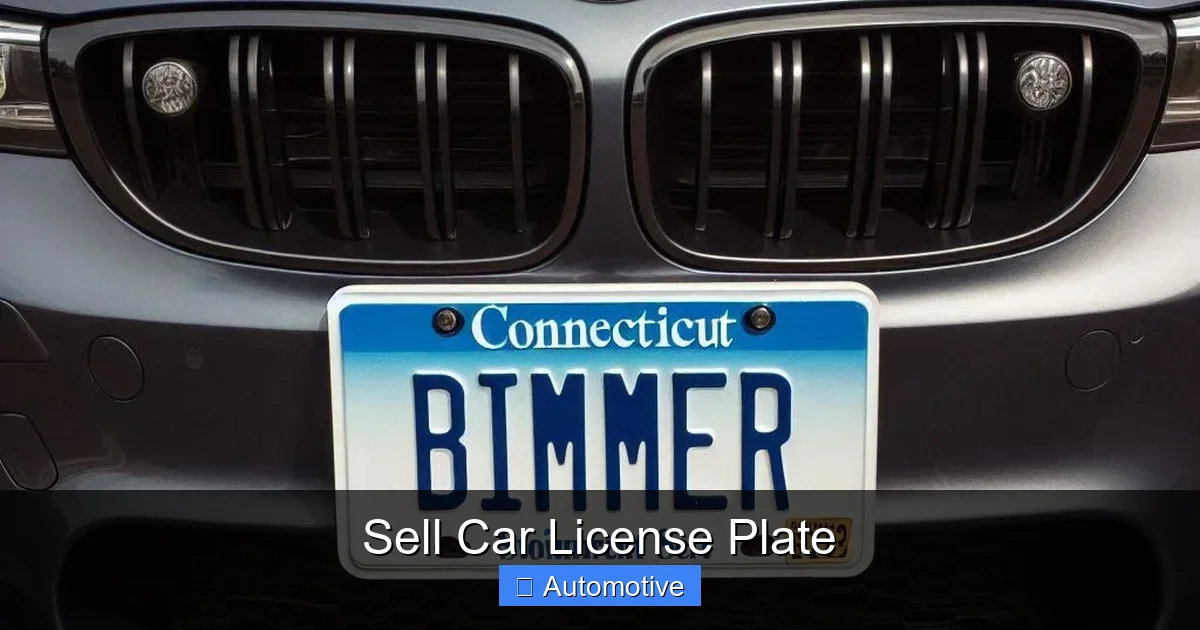
Before you list your plate on eBay or Facebook Marketplace, you need to understand the legal landscape. Laws vary widely by state, and what’s allowed in California might be illegal in Texas. In general, there are two types of license plates: standard issue and personalized (vanity) plates.
Standard plates are assigned by the Department of Motor Vehicles (DMV) and usually can’t be sold privately. Most states require you to return them when you sell your car or register a new one. However, personalized plates—those with custom text or numbers—are often treated differently. Because you paid extra for them and they’re tied to your name, some states allow you to sell or transfer them.
State-by-State Rules You Need to Know
Let’s break it down by a few key states:
– **California:** You can sell personalized plates, but the buyer must apply for a new registration and pay transfer fees. The plate stays with the vehicle unless you specifically request to keep it.
– **Florida:** Personalized plates can be transferred between vehicles or sold, but both parties must visit the DMV to complete the transfer.
– **New York:** You cannot sell a license plate outright. However, you can transfer a personalized plate to a family member or new vehicle under certain conditions.
– **Texas:** Personalized plates can be sold, but the new owner must re-register them and pay applicable fees. The original owner must notify the DMV.
– **Arizona:** Allows private sales of personalized plates, but the buyer must apply for a new registration within 30 days.
Always check your local DMV website or call them directly. Rules change, and misinformation can lead to fines or legal trouble.
What Happens If You Break the Rules?
Selling a plate illegally—like a standard government-issued plate—can result in penalties. You might face fines, lose your driving privileges, or even be accused of fraud if the plate is used improperly. Worse, if your sold plate ends up on a stolen car or involved in a crime, you could be held liable if you didn’t follow proper transfer procedures.
That’s why documentation is key. Keep copies of your DMV forms, bill of sale, and any communication with the buyer. This protects you if questions arise later.
How Much Is Your License Plate Worth?
Visual guide about Sell Car License Plate
Image source: c8.alamy.com
Now for the fun part: figuring out how much your plate is worth. The value of a license plate depends on several factors, including rarity, demand, and personal appeal.
Personalized Plates: The Big Money Makers
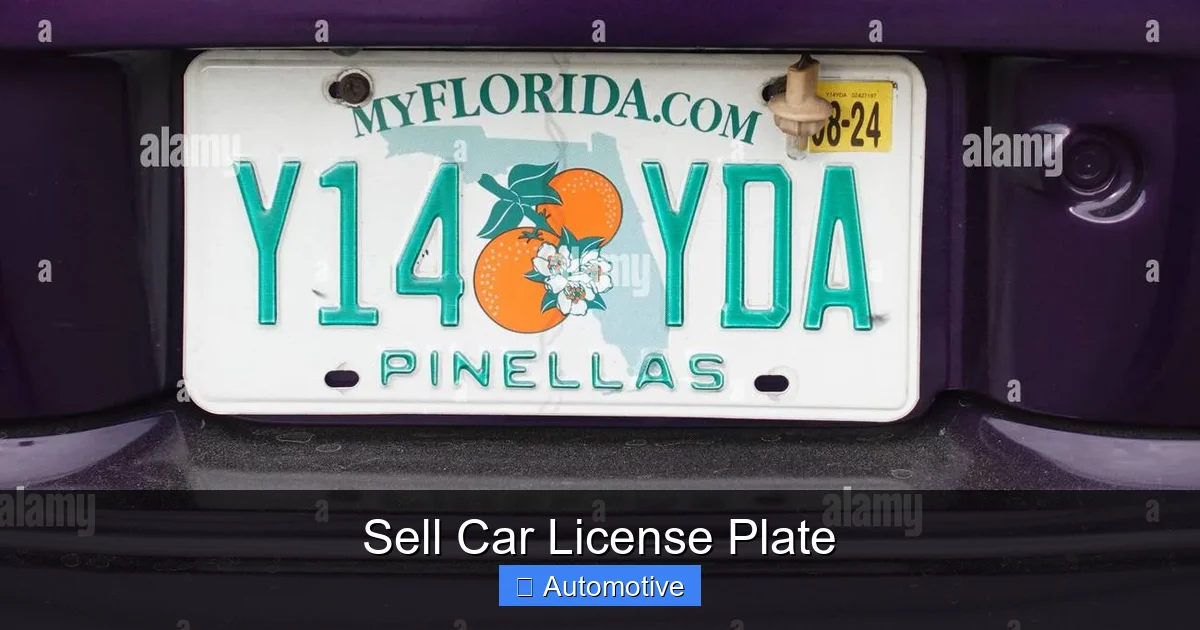
Personalized plates are where the real value lies. A plate like “BOB 1” or “CAT LUV” can sell for $500 to $5,000 or more, depending on the state and how desirable the combination is. Short words, names, or numbers that spell something meaningful tend to fetch the highest prices.
For example:
– “MIKE” – $1,200 (sold in Ohio)
– “8888” – $3,500 (sold in Nevada)
– “FREE” – $2,000 (sold in Florida)
Even plates with inside jokes or local references can be valuable to the right buyer. A plate that says “PHX” might not mean much in Chicago, but in Arizona, it could be a hot commodity.
Standard Plates: Rare But Possible
While most standard plates aren’t worth much, some can be valuable due to low numbers or historical significance. For instance, a plate with “1234” or “0001” in a state with high demand might sell for $100–$500. In some cases, vintage plates from the 1950s or 1960s are collected as memorabilia and can fetch hundreds at auction.
But be cautious: selling a standard plate without proper authorization is often illegal. Only proceed if your state allows it and you follow the correct transfer process.
How to Price Your Plate
To determine a fair price:
1. **Search recent sales** on eBay, Craigslist, or plate-specific sites like PlateTrader or MyPlates.
2. **Compare similar plates** in your state—same length, style, and demand level.
3. **Consider condition**—rust, scratches, or faded letters can reduce value.
4. **Factor in transfer costs**—if the buyer has to pay $100 to re-register, they may lowball your asking price.
A good rule of thumb: start 20–30% above your target price to allow room for negotiation.
Where and How to Sell Your License Plate
Visual guide about Sell Car License Plate
Image source: png.pngtree.com
Once you know your plate’s value and legal status, it’s time to sell. But where? And how?
Best Platforms to Sell License Plates
Here are the top places to list your plate:
– **eBay:** The most popular platform for selling license plates. Use clear photos, detailed descriptions, and set up an auction or fixed price. Be sure to select “Motors > Parts & Accessories > License Plates” as the category.
– **Facebook Marketplace:** Great for local sales. You can meet buyers in person (safely) and avoid shipping hassles. Use local groups like “[Your City] License Plate Buy/Sell.”
– **Craigslist:** Still effective, especially in larger cities. Post in the “For Sale > Auto Parts” section.
– **Specialized Plate Sites:** Websites like PlateTrader.com, MyPlates.com, or LicensePlateKing.com cater specifically to plate buyers and sellers. They often have built-in tools for pricing and transferring.
– **Reddit Communities:** Subreddits like r/licenseplate or r/for sale can connect you with enthusiasts.
Avoid selling on unverified apps or through private messages only. Scammers often target high-value plates with fake payment apps or phishing links.
Creating a Winning Listing
Your listing is your first impression. Make it count.
– **Take high-quality photos:** Show the front and back of the plate in good lighting. Include a close-up of the text and any damage.
– **Write a clear title:** Use keywords like “Personalized License Plate for Sale – ‘LUCKY 7’ – Florida Transferable.”
– **Describe the plate:** Mention the state, plate type (standard or personalized), condition, and whether it’s transferable.
– **Include keywords naturally:** Use phrases like “sell car license plate,” “vanity plate for sale,” or “personalized plate transfer” to help buyers find you.
– **Set a fair price:** Be transparent about your asking price and whether it’s negotiable.
– **Mention transfer process:** Explain how the buyer will get the plate legally—this builds trust.
Example listing:
> “Selling my personalized Florida license plate: ‘SUN 1’. Excellent condition, no rust or fading. Buyer must complete DMV transfer within 30 days. $800 OBO. Serious inquiries only.”
Safe Selling Practices
Safety should always come first.
– **Meet in public:** If selling locally, meet at a DMV, police station, or busy parking lot.
– **Use secure payment:** Prefer PayPal Goods & Services, Venmo with purchase protection, or cash in person. Avoid wire transfers or gift cards.
– **Don’t share personal info:** Never give out your home address, SSN, or vehicle title until the sale is complete.
– **Get a bill of sale:** Draft a simple document stating the plate number, sale price, date, and both parties’ names. Both should sign it.
The Transfer Process: What Happens After the Sale?
Selling the plate is only half the battle. The real work begins when it’s time to transfer ownership.
Step-by-Step Transfer Guide
1. **Notify the DMV:** In most states, you must inform the DMV that you’ve sold the plate. This may involve filling out a release form or updating your vehicle registration.
2. **Provide documentation to the buyer:** Give them the bill of sale, plate, and any DMV forms they’ll need.
3. **Buyer registers the plate:** The new owner must visit their local DMV, pay transfer fees (usually $10–$50), and register the plate to their vehicle.
4. **Confirm completion:** Once the buyer confirms the plate is active on their car, consider the sale complete.
Some states allow online transfers, while others require in-person visits. Check your DMV’s website for specifics.
What If the Buyer Doesn’t Transfer It?
This is a common concern. If the buyer fails to transfer the plate, it may still be linked to your name—and your insurance or registration. To protect yourself:
– Include a clause in the bill of sale stating the buyer must transfer within 30 days.
– Follow up with the buyer.
– If they don’t comply, contact the DMV to report the plate as sold.
Common Mistakes to Avoid When Selling a License Plate
Even experienced sellers make errors. Here’s what to watch out for:
– **Assuming all plates can be sold:** Double-check your state’s laws before listing.
– **Underpricing your plate:** Research recent sales to avoid leaving money on the table.
– **Ignoring transfer fees:** These can eat into your profit—factor them into your pricing.
– **Selling to unverified buyers:** Scammers often pose as collectors or use fake payment methods.
– **Not keeping records:** Without proof of sale, you could be liable for misuse.
– **Posting personal details online:** Avoid showing your address, car model, or full name in photos or descriptions.
Tips to Maximize Your Sale Price
Want to get the most cash for your plate? Try these pro tips:
– **Clean the plate:** Use soap, water, and a soft brush to remove dirt and grime. A shiny plate looks more valuable.
– **Highlight uniqueness:** Emphasize short words, low numbers, or local relevance in your listing.
– **Time your sale:** List during peak seasons—like summer or holiday gift-giving periods—when demand is higher.
– **Bundle with other items:** If you’re selling a car, consider including the plate as a bonus to sweeten the deal.
– **Be responsive:** Answer messages quickly and politely. Serious buyers appreciate fast communication.
Real-Life Examples of Successful Plate Sales
Let’s look at a few real cases to inspire your sale:
– **Case 1:** A man in Texas sold his personalized plate “TEX 1” for $2,200 on eBay. He included a video showing the plate on his truck and explained the DMV transfer process in detail. The buyer was a Texas pride enthusiast.
– **Case 2:** A woman in California listed her plate “LOVE” for $1,500. She used Facebook Marketplace and met the buyer at a DMV office to complete the transfer on the spot. The sale took less than a week.
– **Case 3:** A collector in Arizona sold a vintage 1965 plate with the number “001” for $450 on a niche plate forum. The buyer was restoring a classic car and needed an authentic plate.
These stories show that with the right approach, selling a license plate can be quick, safe, and profitable.
Conclusion
Selling a car license plate might seem like a small thing, but it can be a smart way to earn extra cash—especially if you have a personalized or rare plate. The key is to do your homework: understand your state’s laws, price your plate fairly, and use trusted platforms to connect with buyers.
Remember, this isn’t just about making a sale—it’s about doing it the right way. By following legal procedures, protecting your privacy, and communicating clearly, you can turn that old plate into profit without any headaches.
So, if you’ve been thinking about how to sell car license plate, now’s the time. Clean it up, snap some photos, and list it with confidence. You might be surprised how much someone is willing to pay for those few inches of metal.
Frequently Asked Questions
Can I sell my standard license plate?
In most states, standard government-issued plates cannot be sold privately. They must be returned to the DMV when you sell your vehicle or register a new one. Only personalized or vanity plates are typically eligible for private sale.
How do I transfer a personalized license plate to a buyer?
The buyer must visit their local DMV with the plate, bill of sale, and required fees to register it to their vehicle. You may need to notify your DMV that the plate has been sold to release liability.
What’s the average price for a personalized license plate?
Prices vary widely, but most personalized plates sell for $200 to $2,000. Highly desirable combinations like short names, low numbers, or meaningful words can fetch $3,000 or more.
Is it legal to sell a license plate online?
Yes, as long as your state allows private sales of personalized plates and you follow proper transfer procedures. Always check your local DMV rules before listing.
Can I sell a license plate if I still own the car?
It depends on your state. Some allow you to remove and sell the plate while keeping the car, while others require the plate to stay with the vehicle. Contact your DMV for guidance.
What should I do if my sold plate is used illegally?
If you followed proper transfer procedures and have a bill of sale, you’re generally not liable. Report the issue to your DMV and provide documentation to prove the plate was sold.