
Is It Legal to Sell Used Car Seats in California

Yes, it is legal to sell used car seats in California, but only if they meet strict safety criteria—such as being less than six years old, having no recalls, and showing no signs of damage or prior accidents. Sellers must also provide complete history and ensure compliance with federal safety standards to avoid liability and protect child passengers.
Key Takeaways
- Selling used car seats is legal in California if they meet safety standards.
- Check the manufacture date—seats over 6 years old should not be sold.
- Verify no recalls exist using the NHTSA database before listing.
- Disclose damage or prior crashes—selling unsafe seats can lead to liability.
- Remove labels and manuals only if replacing with current safety info.
- Follow CPSC guidelines to ensure compliance with child product safety rules.
📑 Table of Contents
- Is It Legal to Sell Used Car Seats in California
- Understanding California’s Laws on Used Car Seat Sales
- Safety Concerns: Why Selling Used Car Seats Is Tricky
- Best Practices for Selling a Used Car Seat in California
- Alternatives to Selling: Donating or Recycling
- What Buyers Should Know Before Purchasing a Used Car Seat
- Real-Life Example: A Cautionary Tale
- Data Table: Key Facts About Used Car Seats in California
- Final Thoughts: Safety First, Always
Is It Legal to Sell Used Car Seats in California
So, you’ve got a gently used car seat sitting in your garage, collecting dust since your little one outgrew it. You’re thinking, “Hey, maybe I can sell this and help another family save some money.” It’s a thoughtful idea—after all, car seats can be expensive, and passing one along feels both practical and kind. But before you snap a photo and list it online, there’s something important you need to know: Is it legal to sell used car seats in California?
The short answer? Yes, it’s legal—but with some serious caveats. California doesn’t outright ban the sale of used car seats, but the state does have strict safety regulations and consumer protection laws that make selling them responsibly a bit more complicated than just posting it on Facebook Marketplace. The real issue isn’t legality in the black-and-white sense—it’s about safety, liability, and doing the right thing for your child and others. After all, a car seat isn’t like selling a used stroller or high chair. It’s a critical piece of safety equipment designed to protect a child in the event of a crash. And when it comes to safety, cutting corners—even unintentionally—can have serious consequences.
Understanding California’s Laws on Used Car Seat Sales
California doesn’t have a specific law that says, “You cannot sell a used car seat.” But that doesn’t mean there are no rules. In fact, several state and federal regulations indirectly govern the sale of used car seats, especially when it comes to safety standards, labeling, and consumer protection. The key thing to understand is that while selling a used car seat isn’t illegal, selling one that doesn’t meet current safety standards—or one with a hidden defect—could land you in hot water.
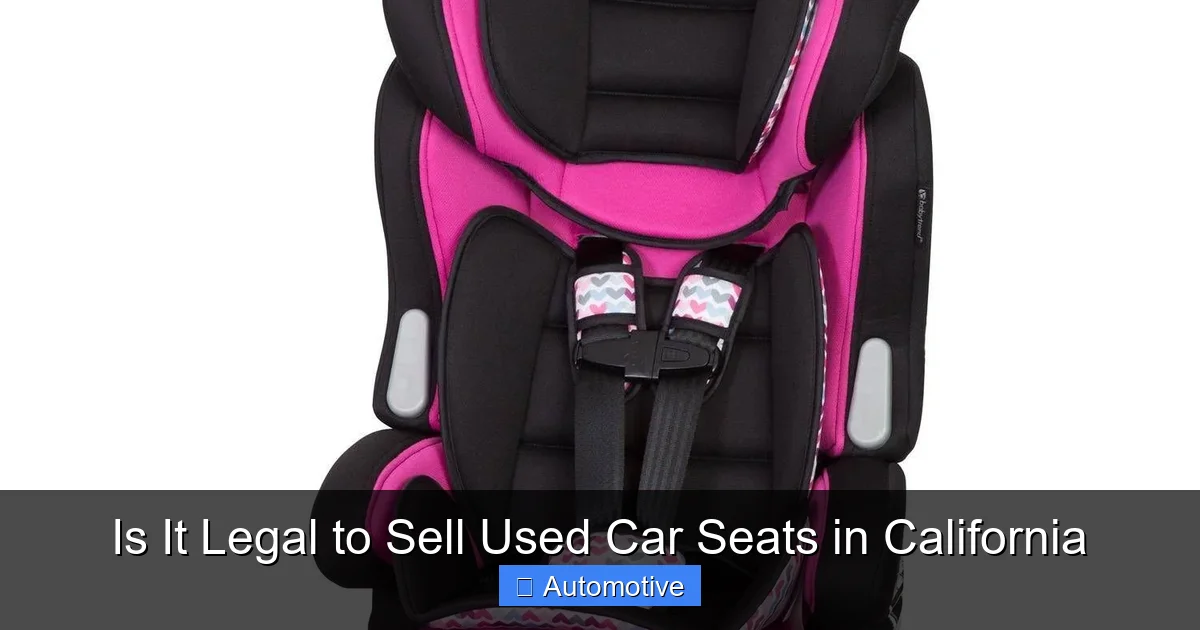
Visual guide about Is It Legal to Sell Used Car Seats in California
Image source: i.pinimg.com
California Vehicle Code and Safety Standards
Under the California Vehicle Code (CVC), all child restraint systems—including car seats—must meet federal safety standards set by the National Highway Traffic Safety Administration (NHTSA). These standards are outlined in Federal Motor Vehicle Safety Standard (FMVSS) No. 213. When you sell a used car seat, you’re essentially certifying that it still meets these standards, even if it’s no longer brand new. If the seat has been recalled, damaged, or expired, it no longer complies—and selling it could be considered a violation of consumer safety laws.
Consumer Protection and Liability Risks
Even if you’re not a business, selling a used car seat as a private individual can expose you to liability. If someone buys your seat and their child is injured in a crash because the seat was defective or improperly maintained, they could potentially sue you for negligence. While this is rare, it’s not impossible—especially if you knew (or should have known) the seat was unsafe but sold it anyway. California’s consumer protection laws are designed to protect buyers from misleading or dangerous products, and that includes used safety gear.
Retailers vs. Private Sellers: Different Rules Apply
Here’s an important distinction: retail stores in California are prohibited from selling used car seats. According to California Health and Safety Code Section 1596.95, any person or business that sells or leases child passenger restraint systems must ensure they are new and meet all current safety standards. This means stores like Target, Walmart, or even local baby boutiques cannot legally resell used car seats—even if they’re in perfect condition. However, private individuals (like you and me) are not bound by this law in the same way. That said, the ethical and safety responsibilities remain the same.
Safety Concerns: Why Selling Used Car Seats Is Tricky
Let’s be real—car seats aren’t just plastic and fabric. They’re engineered safety devices, and their effectiveness depends on more than just looking clean and intact. Over time, materials degrade, parts wear out, and invisible damage from past accidents can compromise their integrity. Selling a used car seat without full transparency about its history is not only risky—it’s potentially dangerous.
Visual guide about Is It Legal to Sell Used Car Seats in California
Image source: i.pinimg.com
Expiration Dates Matter—A Lot
Every car seat sold in the U.S. has an expiration date, usually stamped on the bottom or back of the seat. In California, it’s recommended (and often required by insurance companies) that car seats not be used beyond six to ten years from the manufacture date. Why? Because the plastic can become brittle, the harness straps may weaken, and the foam padding can degrade—all of which reduce the seat’s ability to protect a child in a crash. If your seat is expired, selling it is not just unwise—it’s irresponsible.
Accident History: The Hidden Danger
One of the biggest red flags with used car seats is whether they’ve been in a crash. Even minor accidents can cause internal damage that isn’t visible to the naked eye. The NHTSA recommends that any car seat involved in a moderate to severe crash should be replaced—even if it appears undamaged. If you’ve been in an accident and used the seat, you should not sell it. And if you’re buying a used seat, always ask: “Has this seat ever been in a crash?” If the seller doesn’t know or won’t say, walk away.
Recalls and Manufacturer Updates
Car seats are frequently recalled due to defects in harnesses, buckles, or structural components. Before selling a used seat, you must check the NHTSA website or the manufacturer’s site to see if your model has been recalled. If it has, and the issue hasn’t been fixed, you cannot legally or ethically sell it. Some recalls require you to contact the manufacturer for a free repair or replacement—so do your due diligence.
Best Practices for Selling a Used Car Seat in California
If you’ve decided to sell your used car seat, doing it the right way is crucial. It’s not just about following the law—it’s about protecting another family and doing your part to keep kids safe on the road. Here’s how to sell responsibly.
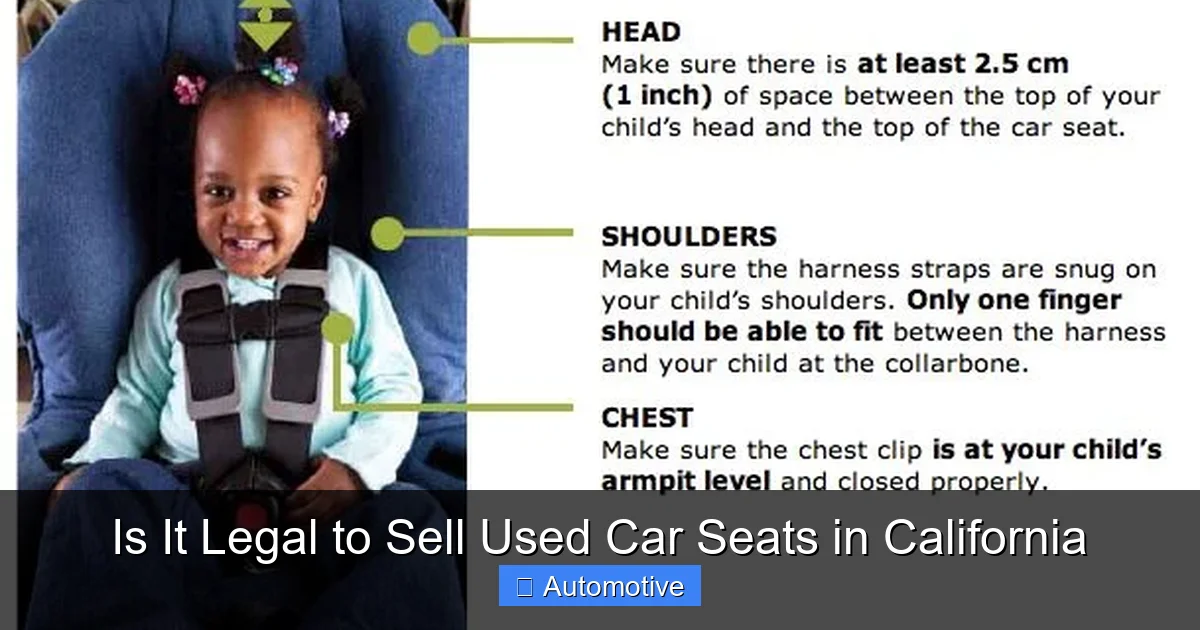
Visual guide about Is It Legal to Sell Used Car Seats in California
Image source: i.pinimg.com
Disclose Everything—Honestly and Clearly
When listing your car seat, be upfront about its condition, age, and history. Include the following in your description:
- Manufacture date and expiration date (usually found on a label)
- Model number and brand
- Whether it’s been in an accident (even a fender bender)
- Any recalls and whether they were addressed
- Signs of wear (frayed straps, cracked plastic, missing parts)
- Original packaging and instruction manual (if available)
For example: “Graco 4Ever DLX, manufactured March 2018, expires March 2026. Never in an accident. All recalls checked—none apply. Harness straps in excellent condition, base has minor scuffing. Includes manual and original box.”
Clean It Thoroughly—But Don’t Overdo It
Buyers want a clean seat, but avoid using harsh chemicals like bleach or ammonia, which can weaken fabrics and plastics. Instead, follow the manufacturer’s cleaning instructions—usually warm water and mild soap. Remove the cover (if possible) and wash it separately. Let everything air dry completely. A clean seat shows you cared for it, but over-cleaning can damage materials.
Set a Fair Price—and Be Realistic
Used car seats typically sell for 30–50% of their original price, depending on age and condition. A seat that’s two years old and in great shape might fetch $80–$120, while one that’s five years old or showing wear should be priced lower. Be honest about the value—buyers can research prices online, and overpricing will turn them away.
Choose the Right Platform
Where you sell matters. Avoid platforms that don’t allow detailed descriptions or photos. Facebook Marketplace, OfferUp, and Craigslist are popular, but make sure your listing includes all the safety info mentioned above. Some parents prefer local parenting groups or mom-to-mom sales where they can inspect the seat in person. Always meet in a public place and consider bringing a friend for safety.
Alternatives to Selling: Donating or Recycling
If your car seat is expired, damaged, or you’re unsure about its safety, selling might not be the best option. Instead, consider donating or recycling it—there are safe and responsible ways to give it a second life.
Donating to Charities and nonprofits
Many organizations accept used car seats, but only if they meet strict criteria. For example, Safe Kids California partners with local agencies to distribute car seats to low-income families—but they only accept seats that are less than six years old, never been in a crash, and have all original parts. Always call ahead to confirm their requirements.
Recycling Programs
When a car seat is truly beyond use, recycling is the greenest option. TerraCycle, in partnership with Graco and other brands, offers a free car seat recycling program. You can drop off your seat at participating retailers (like Buy Buy Baby or Target during special events) or mail it in. The plastic, metal, and fabric are broken down and reused, keeping waste out of landfills.
Trade-In Programs
Some retailers, like Target and Walmart, have offered car seat trade-in events in the past. During these promotions, you can bring in an old seat (any brand, any condition) and receive a discount on a new one. While not available year-round, it’s worth checking their websites or signing up for alerts.
What Buyers Should Know Before Purchasing a Used Car Seat
If you’re on the other side—looking to buy a used car seat—knowing what to look for can save you money and, more importantly, keep your child safe. Here’s a checklist to follow.
Verify the Expiration Date
Always ask for the manufacture date. If the seat is more than six years old, walk away. Even if it looks fine, the materials may have degraded.
Inspect for Damage
Look closely at the harness straps (no fraying or twists), buckles (should click securely), and shell (no cracks or stress marks). Press on the plastic—if it feels brittle or cracks easily, it’s unsafe.
Ask About Crash History
This is non-negotiable. If the seller doesn’t know or refuses to answer, don’t buy it. A seat that’s been in a crash—even a minor one—should be replaced.
Check for Recalls
Use the NHTSA’s recall lookup tool with the seat’s model number. If there’s an open recall, ask if it’s been fixed. If not, don’t buy it.
Test It in Your Car
If possible, bring the seat home and install it before finalizing the purchase. Make sure it fits securely in your vehicle and that the harness adjusts properly for your child.
Real-Life Example: A Cautionary Tale
Let’s say Maria bought a used car seat from a neighbor for $50. It looked clean, and the neighbor swore it had never been in an accident. But when Maria checked the label, she discovered the seat was manufactured in 2015—making it nine years old. She also found a small crack near the buckle that wasn’t visible at first glance. Thankfully, she returned it before using it. But if she hadn’t checked, her child could have been at risk. This story isn’t uncommon. It’s why transparency and vigilance matter.
Data Table: Key Facts About Used Car Seats in California
| Factor | Recommended Guideline | Why It Matters |
|---|---|---|
| Expiration Date | Do not use beyond 6–10 years from manufacture | Plastic degrades, reducing crash protection |
| Crash History | Never use a seat involved in a moderate/severe crash | Internal damage may not be visible |
| Recalls | Check NHTSA database before buying/selling | Defective parts can fail in a crash |
| Harness Condition | No fraying, twisting, or stiffness | Weak straps may not restrain child properly |
| Seller Disclosure | Full transparency about age, damage, and history | Protects buyer and reduces liability for seller |
Final Thoughts: Safety First, Always
So, is it legal to sell used car seats in California? Yes—but only if you do it responsibly. The law allows private individuals to sell used car seats, but the real responsibility lies in ensuring those seats are safe, unexpired, and fully disclosed. A car seat is not just a piece of baby gear; it’s a life-saving device. Selling one without care for its history or condition isn’t just risky—it’s a gamble with someone else’s child’s safety.
If you’re unsure about your seat’s condition, err on the side of caution. Donate it to a verified charity, recycle it through a certified program, or simply retire it. And if you do sell, be honest, be thorough, and prioritize safety over profit. At the end of the day, the goal isn’t just to clear out your garage—it’s to make sure every child rides safely, no matter whose seat they’re in.
Frequently Asked Questions
Is it legal to sell used car seats in California?
Yes, it is legal to sell used car seats in California, but there are important safety regulations you must follow. The car seat must not be expired, recalled, or damaged, and you must provide accurate information about its history to the buyer.
Can I sell a used car seat online in California?
Yes, you can sell a used car seat online in California through platforms like Craigslist or Facebook Marketplace. However, you must disclose any accidents the seat was involved in and ensure it meets current safety standards.
Are there restrictions on selling used car seats in California?
California law requires that used car seats not be sold if they are expired, have been in a crash, or have missing parts. Sellers must also avoid selling seats that have been recalled by the manufacturer.
Do I need to provide paperwork when selling a used car seat in California?
While not legally required, it’s highly recommended to provide the owner’s manual and proof of purchase when selling a used car seat in California. This helps assure buyers the seat hasn’t been recalled or compromised.
Can a used car seat be resold if it was in a minor accident?
No, even if the accident was minor, California safety guidelines strongly advise against reselling a car seat that has been in any crash. The structural integrity may be compromised, making it unsafe for future use.
What should I check before selling a used car seat in California?
Before selling, verify the car seat’s expiration date (usually 6–10 years from manufacture), check for recalls via the NHTSA website, and inspect for cracks or worn straps. Only sell if it’s in safe, usable condition.