
Do You Need Current Registration to Sell a Car

You do not always need current registration to sell a car, but requirements vary by state—some mandate valid registration at the time of sale, while others allow transfer with expired tags if the vehicle passes inspection. Always check your local DMV rules to avoid legal issues, as selling without proper documentation can delay the transfer and leave you liable.
Key Takeaways
- Registration status varies by state: Some states allow sale with expired registration, others require it current.
- Check your state’s DMV rules: Always verify local laws before listing your car for sale.
- Expired registration may deter buyers: A current registration builds trust and simplifies the transfer process.
- Renewing registration can increase value: A valid registration often makes your car more attractive to buyers.
- Private sales may have different rules: Dealerships might handle registration, but private sellers often need it current.
- Bill of sale is essential: Always provide a signed bill of sale, regardless of registration status.
📑 Table of Contents
- Do You Need Current Registration to Sell a Car
- Understanding Vehicle Registration Basics
- State-by-State Rules: Is Current Registration Required?
- The Role of the Title and Bill of Sale
- Practical Tips for Selling a Car with Expired Registration
- Common Mistakes to Avoid When Selling a Car
- How Buyers Are Affected by Expired Registration
- Data Table: Registration Requirements by State (Selected Examples)
- Final Thoughts: Can You Sell a Car Without Current Registration?
Do You Need Current Registration to Sell a Car
So, you’ve decided it’s time to part ways with your car. Maybe it’s been sitting in the driveway for months, or perhaps you’re upgrading to something newer and shinier. Whatever the reason, selling a car can feel like a big step—especially if you’re not sure what paperwork is actually required. One of the most common questions people ask is: Do I need current registration to sell a car? It’s a fair question, and honestly, the answer isn’t always straightforward. It depends on where you live, the condition of the vehicle, and who you’re selling it to.
I remember when my cousin tried to sell his old sedan last year. He had let the registration expire six months prior because he wasn’t driving it much. When a buyer showed interest, he panicked—was he even allowed to sell it? Turns out, in his state, he could still sell the car, but there were a few extra steps involved. That experience got me thinking: so many people are in the same boat, unsure of the rules and worried about making a mistake. The good news? In most cases, you can sell a car without current registration, but there are important caveats. This guide will walk you through everything you need to know—no legal jargon, no confusion—just clear, practical advice to help you sell your car smoothly and legally.
Understanding Vehicle Registration Basics
Before we dive into whether you need current registration to sell a car, let’s make sure we’re on the same page about what registration actually is. Think of your car’s registration as its official ID card with the state. It proves that your vehicle is legally allowed to be on the road and that you’ve paid the necessary taxes and fees. When you register a car, you get license plates and a registration sticker (usually displayed on your windshield or license plate), which needs to be renewed periodically—typically every one to two years, depending on your state.
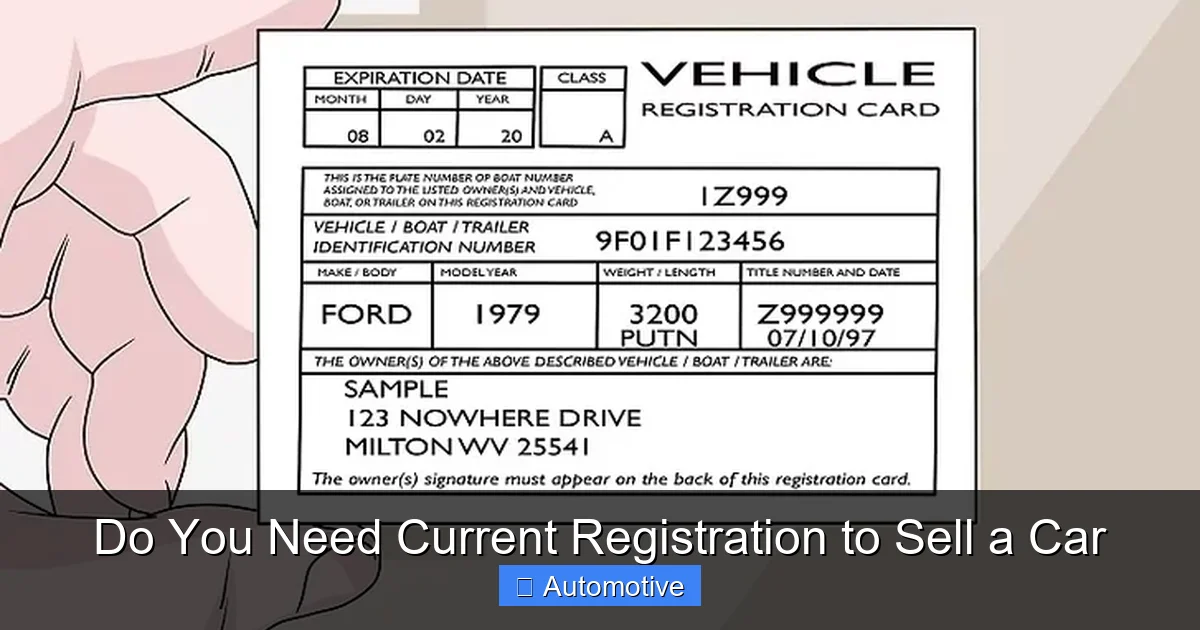
Visual guide about Do You Need Current Registration to Sell a Car
Image source: listcarbrands.com
What Registration Covers
Registration isn’t just about slapping a sticker on your windshield. It’s tied to several key responsibilities:
- Proof of ownership and legality: It confirms that the vehicle is registered to you and meets state safety and emissions standards.
- Insurance linkage: Most states require you to have valid auto insurance to register a car. The two go hand in hand.
- Tax compliance: Registration fees often include local taxes, and renewing ensures you’re up to date with state and county requirements.
- Law enforcement identification: Police use registration info to verify a vehicle’s status and ownership during traffic stops or investigations.
Now, here’s the thing: registration is tied to the current owner and the current use of the vehicle. If you’re no longer driving the car regularly, you might let the registration lapse. But that doesn’t automatically mean you can’t sell it. However, it does change the process a bit.
Why Registration Matters in a Sale
When you sell a car, the buyer will eventually need to register it in their name. If your registration is expired, they can’t legally drive it off the lot until they renew it—which means they’ll have to pay back fees, possible penalties, and maybe even get the car inspected. That’s a hassle, and some buyers might walk away because of it. On the flip side, having current registration can make your car more attractive. It shows the vehicle is roadworthy, insured, and up to date—basically, it’s ready to go.
Let’s say you’re selling a 2018 Honda Civic with expired registration. A buyer might still be interested, but they’ll factor in the cost and effort of renewing it. If your registration is current, they know they can drive it home the same day (after transferring ownership, of course). That small detail can make a big difference in how quickly your car sells—and how much you get for it.
State-by-State Rules: Is Current Registration Required?
Here’s where things get tricky: the rules vary widely from state to state. Some states are pretty relaxed about expired registration when selling a car, while others have strict requirements. Let’s break it down by region and highlight a few key examples.

Visual guide about Do You Need Current Registration to Sell a Car
Image source: static.wixstatic.com
States That Allow Sales with Expired Registration
In many states, you can sell a car with expired registration, as long as you’re the legal owner and the title is in your name. These states typically focus more on the title and bill of sale than on the registration status. Examples include:
- Texas: You can sell a car with expired registration, but the buyer will need to renew it before driving. The seller must provide a signed title and a valid ID.
- Florida: Expired registration doesn’t prevent a sale, but the buyer must register the vehicle within 30 days of purchase.
- Ohio: No requirement for current registration at the time of sale. The buyer handles registration upon transfer.
In these states, the emphasis is on transferring ownership properly. As long as you have a clear title and complete the necessary paperwork, you’re usually in the clear.
States with Strict Registration Requirements
Other states are more stringent. In some cases, you must have current registration to sell a car—or at least to complete certain steps in the process. For example:
- California: While you can sell a car with expired registration, the buyer cannot register it until the registration is current. This often means the seller must renew it first or the buyer pays back fees.
- New York: The vehicle must have a valid registration or a “non-operational” status. If it’s non-operational, the buyer must reinstate registration before driving.
- Illinois: Sellers are encouraged to have current registration, and some buyers may refuse to purchase without it due to transfer complications.
In these states, having current registration isn’t just a nice-to-have—it can be a dealbreaker. Buyers may assume the car has mechanical issues or hasn’t been maintained if the registration is expired.
What About “Non-Operational” Status?
Some states allow you to place a vehicle in “non-operational” status if you’re not driving it. This means you don’t have to pay registration fees or maintain insurance, but the car can’t be driven on public roads. If your car is in this status, you can usually still sell it—but you’ll need to disclose that to the buyer. They’ll have to reinstate registration and insurance before using it.
For example, in Arizona, you can declare a vehicle non-operational online. When selling, you’d provide the title and a bill of sale, and the buyer would handle the rest. It’s a smart move if you’re storing a car long-term but plan to sell it later.
The Role of the Title and Bill of Sale
While registration status is important, it’s not the only document that matters when selling a car. In fact, the title is often more critical. The title proves you own the vehicle and have the legal right to sell it. Without a clear title, the sale can’t proceed—no matter what the registration says.
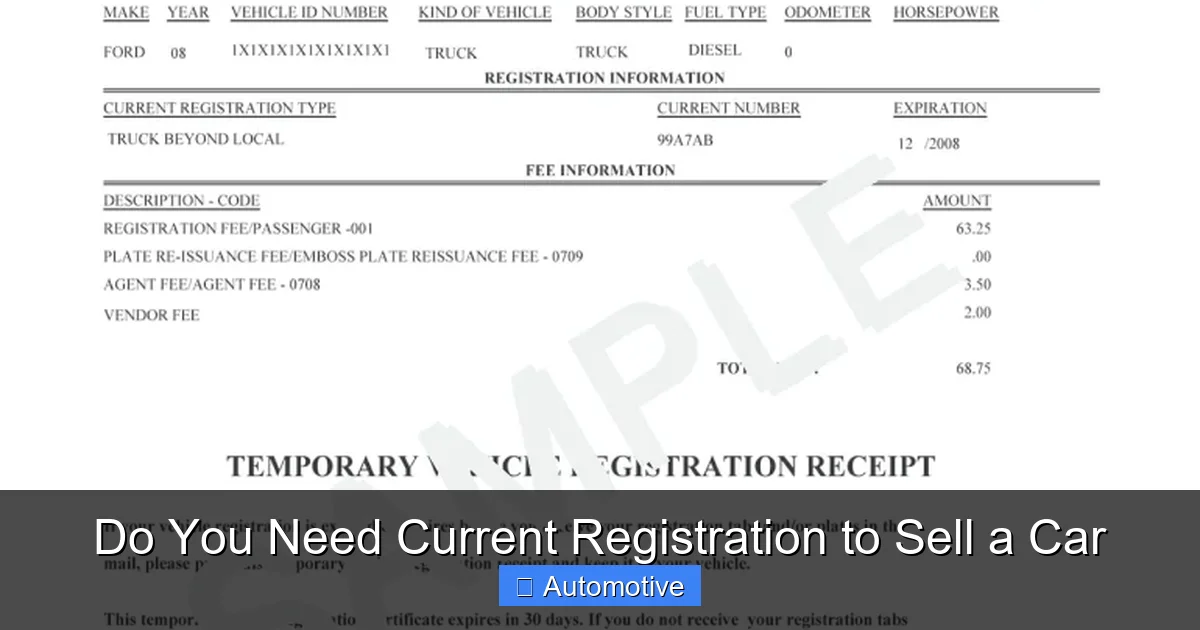
Visual guide about Do You Need Current Registration to Sell a Car
Image source: pdffiller.com
Why the Title Is Non-Negotiable
The title is like the car’s birth certificate. It lists the owner, vehicle identification number (VIN), and any liens (loans) against the car. When you sell, you’ll sign over the title to the buyer, who then takes it to the DMV to register the car in their name. If your title is lost or damaged, you’ll need to request a duplicate from your state’s DMV before selling.
Let’s say you’re selling a car with expired registration but a clean title. That’s usually fine. But if the title is missing or has errors (like a misspelled name), the sale could be delayed or denied. Always double-check your title before listing your car.
The Importance of a Bill of Sale
A bill of sale is a simple document that records the details of the transaction: seller and buyer names, vehicle info, sale price, and date. While not always legally required, it’s highly recommended. It protects both parties and can be used as proof of transfer if there’s ever a dispute.
Most states provide free bill of sale templates online. Include:
- Vehicle make, model, year, and VIN
- Sale price
- Date of sale
- Signatures of both parties
- Odometer reading (required in many states)
Even if your registration is expired, a completed bill of sale helps establish that the sale was legitimate and transparent.
Odometer Disclosure: Don’t Skip It
In most states, you’re required to disclose the vehicle’s mileage at the time of sale. This is usually done on the title or a separate odometer disclosure form. Rolling back an odometer or providing false info is a federal crime, so be honest. If your car has high mileage, it’s better to be upfront—buyers appreciate transparency.
Practical Tips for Selling a Car with Expired Registration
So, what do you do if your registration has expired and you want to sell your car? Don’t panic. With a little planning, you can still make the sale go smoothly. Here are some practical tips based on real-world experience.
Option 1: Renew the Registration Before Selling
The easiest way to avoid complications is to renew your registration before listing the car. This shows buyers the vehicle is roadworthy and up to date. It also allows them to drive it immediately after purchase (once they transfer ownership).
To renew, visit your local DMV or do it online if your state offers that option. You’ll need:
- Proof of insurance
- Vehicle inspection (if required)
- Payment for registration and any late fees
Yes, it costs money—but think of it as an investment. A car with current registration often sells faster and for a higher price. Plus, you avoid the hassle of explaining expired tags to every potential buyer.
Option 2: Disclose the Expired Registration Upfront
If you don’t want to renew, be honest about the expired registration in your listing. Say something like: “Registration expired in March 2024. Buyer will need to renew upon transfer.” This sets expectations and filters out buyers who aren’t prepared for the extra step.
Some buyers won’t mind—especially if they’re getting a good deal. Others might ask you to cover the renewal cost as part of the negotiation. Be prepared to compromise.
Option 3: Sell to a Dealer or Scrap Yard
If your car is old, damaged, or not worth much, consider selling it to a dealership or scrap yard. These buyers often don’t require current registration—they’re more interested in the vehicle’s parts or metal value. Just make sure you get a fair price and a proper receipt.
For example, my neighbor sold her 2005 minivan with expired registration to a local junkyard. They towed it away the same day and paid her $800. No DMV visits, no renewal fees—just cash in hand.
Option 4: Use a “Non-Operational” Status (If Available)
If your state allows it, declare the vehicle non-operational. This removes the need for registration and insurance while you’re not driving it. When you’re ready to sell, simply inform the buyer of the status. They’ll know they need to reinstate registration before using the car.
This is a great middle ground—you save money on fees, and the buyer knows exactly what they’re getting.
Common Mistakes to Avoid When Selling a Car
Even with the best intentions, it’s easy to make mistakes when selling a car—especially if registration is involved. Here are a few pitfalls to watch out for.
Selling Without a Title
This is a big one. Never sell a car without a title. If you’ve lost it, order a duplicate immediately. Some scammers try to buy cars with cash and no paperwork—don’t fall for it. Always verify the buyer’s identity and keep copies of all documents.
Not Disclosing Mechanical Issues
Just because registration is expired doesn’t mean you can hide problems. If your car has transmission issues, engine trouble, or frame damage, disclose it. Honesty builds trust and prevents legal trouble down the road.
Forgetting to Cancel Insurance
Once the sale is complete, cancel your insurance policy. Don’t wait—accidents can happen, and you don’t want to be liable. Most insurers require proof of sale (like a bill of sale) to process the cancellation.
Ignoring State-Specific Rules
Every state has its own rules. What works in Texas might not work in New York. Always check your state’s DMV website or call them directly for the most accurate info. Don’t rely on advice from friends in other states—it could cost you.
How Buyers Are Affected by Expired Registration
It’s not just sellers who need to think about registration—buyers do, too. If you’re on the buying side, here’s what to consider when looking at a car with expired registration.
Extra Costs and Hassle
Buying a car with expired registration means you’ll likely pay back registration fees, late penalties, and possibly inspection costs. In some states, you can’t even register the car until the previous registration is current. That could mean paying hundreds of dollars upfront.
Risk of Hidden Problems
An expired registration can be a red flag. It might mean the car hasn’t been driven in a while—or that the owner was avoiding inspections or emissions tests. Ask for maintenance records and consider getting a pre-purchase inspection.
Negotiation Leverage
Use the expired registration as a bargaining chip. Say, “I see the registration expired six months ago. I’ll need to renew it, so I’d like to adjust the price accordingly.” Most sellers will understand and may lower the price to close the deal.
Data Table: Registration Requirements by State (Selected Examples)
| State | Can You Sell with Expired Registration? | Buyer’s Responsibility | Notes |
|---|---|---|---|
| Texas | Yes | Must renew before driving | Seller provides title and ID |
| California | Yes, but buyer can’t register until current | Must pay back fees and renew | Renewal often required before transfer |
| Florida | Yes | Must register within 30 days | No penalty for seller |
| New York | Only if non-operational or current | Must reinstate registration | Non-operational status available |
| Ohio | Yes | Handles registration upon transfer | No requirement for current reg at sale |
Final Thoughts: Can You Sell a Car Without Current Registration?
So, do you need current registration to sell a car? The short answer is: not always—but it helps. In most states, you can legally sell a car with expired registration as long as you have a clear title and complete the proper paperwork. However, having current registration makes the process smoother, faster, and more appealing to buyers.
Think of it this way: selling a car is like handing over the keys to your home. You want the new owner to feel confident and prepared. Current registration is like leaving the lights on and the mailbox empty—it shows the place is cared for and ready for move-in. Expired registration? That’s like leaving the door unlocked and the fridge empty. It’s not illegal, but it raises questions.
Ultimately, the decision depends on your situation. If you’re selling a reliable, well-maintained car, renewing the registration could boost your sale price and speed up the process. If the car is old or damaged, selling it “as-is” with expired registration might be your best bet—just be transparent.
No matter what, do your homework. Check your state’s DMV website, gather your documents, and don’t rush the process. A little preparation goes a long way. And remember: whether your registration is current or not, selling a car should be a positive experience—not a stressful one. With the right approach, you’ll hand over those keys with confidence and maybe even a smile.
Frequently Asked Questions
Do you need current registration to sell a car?
Yes, in most states you need current registration to legally sell a car, as it proves ownership and that the vehicle is in good standing. Some states may allow a bill of sale or title transfer without active registration, but it’s best to check your local DMV rules.
Can I sell my car if the registration has expired?
While you may still sell a car with expired registration, many buyers and dealerships prefer a valid registration to ensure the vehicle is legally operable. You might need to renew it before the sale to complete the transfer smoothly.
Is a valid registration required for a private car sale?
In most cases, a valid registration is recommended for private car sales to verify the vehicle’s status and avoid complications. Some states require it for title transfer, so confirm your local regulations before listing your car.
What documents do I need to sell my car besides registration?
You’ll typically need the car’s title, a bill of sale, and possibly a release of liability form. Current registration strengthens your credibility as a seller and helps prove the vehicle isn’t flagged or impounded.
Can I transfer ownership without current registration?
Some states allow title transfer without active registration, especially if the car is being sold as non-operational. However, having current registration makes the process easier and more trustworthy for the buyer.
Does the buyer need to register the car after purchase?
Yes, the buyer must register the car in their name and obtain new tags, usually within a set time frame. Providing current registration at sale helps them complete this process without delays or penalties.
