
How to Sell a Project Car

Selling a project car doesn’t have to be stressful or confusing. With the right preparation, pricing, and marketing strategy, you can attract serious buyers and get a fair price—even if the car isn’t running. This guide walks you through every step, from cleaning up your ride to closing the deal with confidence.
Key Takeaways
- Know your car’s true value: Research similar models in similar condition using market data and tools like Hagerty or NADA to avoid overpricing or underselling.
- Be honest about the car’s condition: Full transparency builds trust with buyers and reduces the risk of disputes or returns after the sale.
- Clean and present the car well: Even a non-running project car looks more appealing when it’s tidy, organized, and free of debris.
- Choose the right sales platform: Online marketplaces like Bring a Trailer, eBay Motors, and Facebook Marketplace each attract different buyer types—pick the one that fits your car.
- Gather all documentation: Titles, repair history, receipts, and photos of past work help prove value and reassure buyers.
- Price competitively but leave room for negotiation: Set a realistic asking price slightly above your minimum to allow for haggling without losing profit.
- Prepare for test drives and inspections: Even if the car isn’t drivable, make it accessible for mechanical checks and offer to assist with loading if needed.
📑 Table of Contents
- Introduction: Why Selling a Project Car Can Be Rewarding
- Understanding What Makes a Project Car Valuable
- Preparing Your Project Car for Sale
- Writing a Compelling Listing
- Choosing the Right Sales Platform
- Pricing Your Project Car Competitively
- Handling Inquiries and Showings
- Closing the Sale
- Conclusion: Turning Your Project Car Into Cash
Introduction: Why Selling a Project Car Can Be Rewarding
Selling a project car might seem like a daunting task—especially if it’s been sitting in your garage for years, half-built or not running at all. But here’s the truth: there’s a strong market for project cars, and many buyers are actively searching for their next restoration challenge. Whether it’s a classic muscle car, a vintage import, or a rare European model, someone out there is dreaming of bringing it back to life.
The key is knowing how to present your car in the best possible light, even if it’s far from finished. Unlike selling a turnkey daily driver, selling a project car requires a different mindset. You’re not just selling metal and rubber—you’re selling potential. Buyers want to see value in what they’re purchasing, whether that’s rare parts, a solid chassis, or a unique model that’s hard to find. With the right approach, you can turn what feels like a burden into a profitable sale.
Understanding What Makes a Project Car Valuable
Visual guide about How to Sell a Project Car
Image source: projects.anomoz.com
Before you list your car, it’s essential to understand what buyers are really paying for. A project car isn’t valued the same way as a fully restored or running vehicle. Instead, buyers assess several key factors: rarity, condition of major components, completeness, and potential resale value after restoration.
For example, a 1969 Ford Mustang Boss 302 that’s not running but has matching numbers, original engine, and minimal rust will attract far more interest—and command a higher price—than a common sedan with missing parts and heavy corrosion. Even if both cars need work, the Mustang has inherent collector value that drives demand.
Another important factor is documentation. A project car with a clean title, service records, and receipts for parts already purchased tells buyers you’ve cared for it, even if it’s not finished. This transparency reduces perceived risk and increases buyer confidence.
Assessing Your Car’s Condition Honestly
It’s easy to fall into the trap of overestimating your car’s worth, especially if you’ve invested time and money into it. But buyers will do their own research, and overpricing can scare them away. Be brutally honest about the car’s condition. Is the engine seized? Are there major rust spots? Are interior parts missing? These details matter.
Create a checklist of the car’s current state:
– Engine: Running, seized, removed, or unknown?
– Transmission: Manual or automatic? Functional or not?
– Body: Rust locations, dents, paint condition
– Interior: Seats, dashboard, carpet, electronics—what’s intact?
– Title status: Clean, salvage, or missing?
This assessment will help you write an accurate description and set a fair price.
Researching Market Value
Don’t guess the price—research it. Use multiple sources to get a realistic range. Websites like Hagerty, NADA Guides, and Hemmings provide valuation tools for classic and collector cars. For more common models, check completed listings on eBay Motors or Bring a Trailer to see what similar cars have actually sold for.
For instance, if you’re selling a 1985 Toyota Supra, search for “1985 Toyota Supra project car sold” on eBay and filter by “sold listings.” You’ll see real-world prices, not just asking prices. This gives you a solid baseline.
Keep in mind that location can affect value. A rust-free car from Arizona will sell for more than the same model from Michigan, where salted roads cause corrosion. Mention your car’s climate history in your listing—it’s a selling point.
Preparing Your Project Car for Sale
Visual guide about How to Sell a Project Car
Image source: i.redd.it
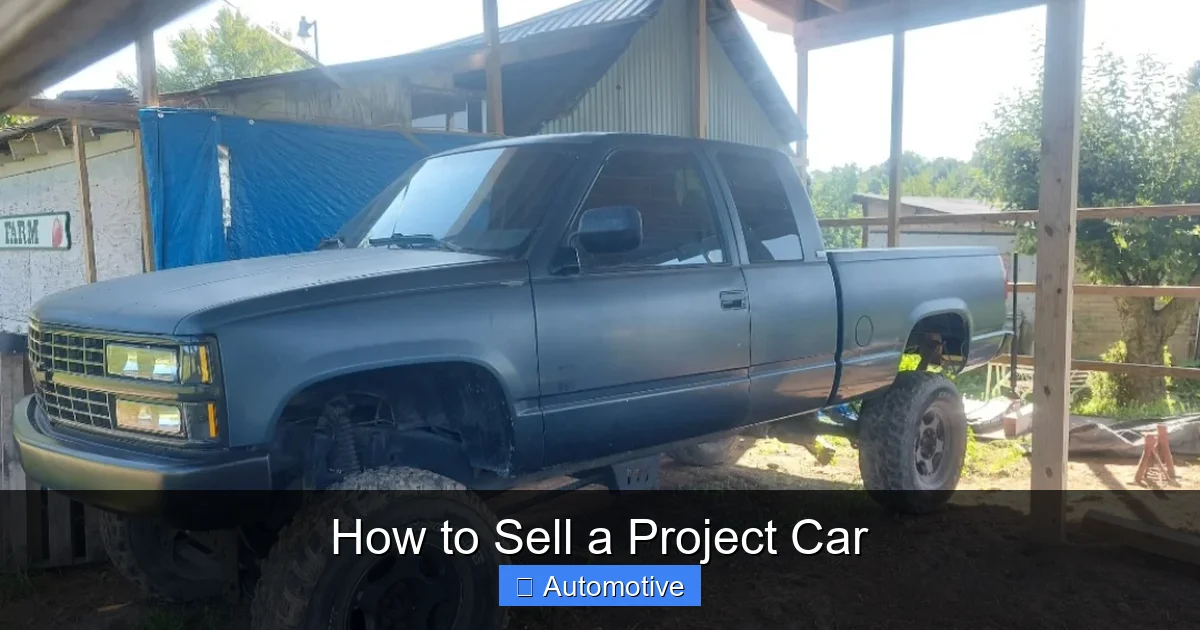
First impressions matter—even for a non-running car. A clean, well-organized project car looks more valuable and cared for than one covered in dust and clutter. Spend a weekend tidying up before listing.
Cleaning and Detailing
Start with a thorough cleaning. Wash the exterior, even if the paint is faded. Remove leaves, dirt, and debris from the wheel wells, under the hood, and in the trunk. Vacuum the interior, wipe down surfaces, and remove personal items. If the seats are torn, consider covering them with clean tarps or old blankets—just don’t hide major damage.
Don’t forget the engine bay. A degreaser and a brush can make a huge difference. Even if the engine isn’t running, a clean bay shows you’ve maintained the car. Use a tire shine product to make the wheels pop in photos.
Organizing Parts and Documentation
If you’ve collected parts over the years—carburetors, trim pieces, wiring harnesses—organize them in labeled boxes or bags. Take photos of each part and include them in your listing. This shows buyers you’ve already invested in the project and saves them time and money.
Gather all paperwork: the title, registration, repair manuals, receipts for parts or labor, and any photos of the car during previous work. A folder or binder with this information adds professionalism and builds trust.
Addressing Minor Repairs (Optional but Helpful)
You don’t need to finish the car to sell it, but small fixes can boost value. For example, if the headlights are cracked, replacing them is inexpensive and improves appearance. If the battery is dead, charge it so the car can at least turn over (even if it won’t start). These small touches signal that the car is closer to being drivable.
Avoid major repairs unless they significantly increase value. For instance, rebuilding an engine might cost $5,000 but only add $2,000 to the sale price. Focus on cosmetic and organizational improvements instead.
Writing a Compelling Listing
Visual guide about How to Sell a Project Car
Image source: silodrome.com
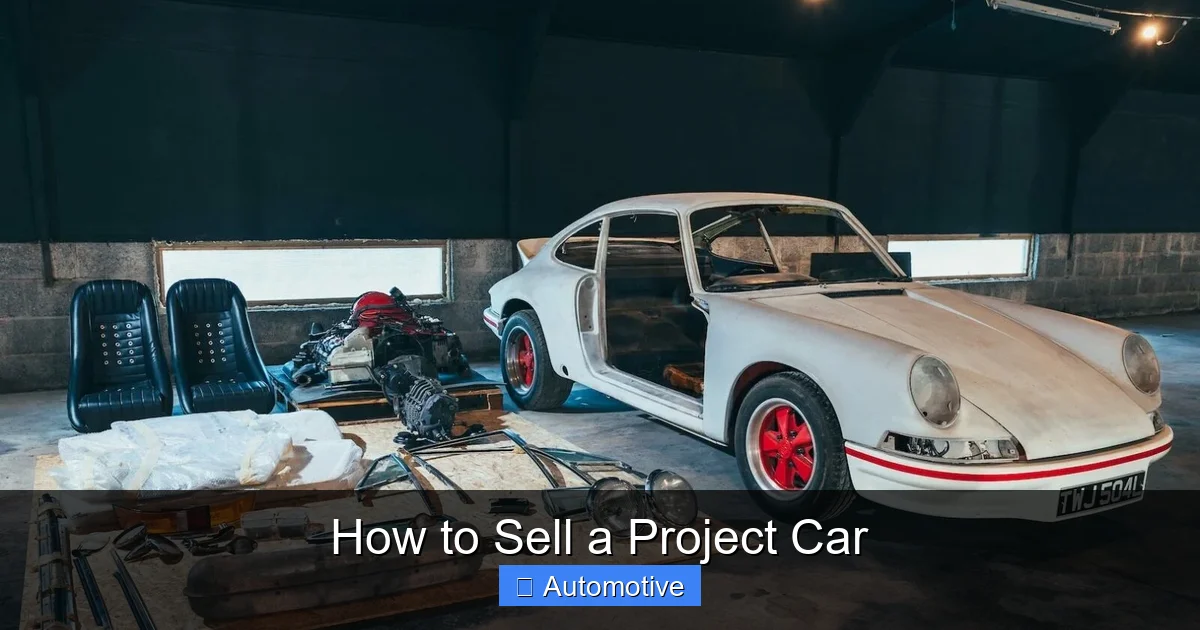
Your listing is your sales pitch. It needs to be clear, honest, and engaging. Buyers should be able to picture themselves working on the car after reading it.
Choosing the Right Title
Your title should include key details: year, make, model, and condition. For example:
“1972 Chevrolet Camaro Project Car – Numbers Matching, Minimal Rust, Clean Title”
Avoid vague titles like “Old Car for Sale” or “Project Car – Must Sell.”
Include keywords buyers might search for: “restoration project,” “barn find,” “non-running,” “classic car,” or “needs engine.” This helps your listing show up in search results.
Writing the Description
Start with a strong opening sentence that grabs attention. For example:
“This 1968 Dodge Charger has been in my family for 20 years and is ready for its next chapter.”
Then, go into detail:
– Explain the car’s history: How long have you owned it? Was it a daily driver? A weekend project?
– Describe the condition honestly: “Engine turns over but won’t start—likely needs carburetor rebuild.”
– Highlight positives: “Original 440 V8, factory air conditioning, rare color combo.”
– Mention included parts: “Comes with new radiator, rebuilt alternator, and full set of original hubcaps.”
– Note any flaws: “Floor pans have surface rust but no holes. Trunk has minor dent.”
Use short paragraphs and bullet points for readability. Avoid jargon unless your audience understands it (e.g., “matching numbers” is fine for classic car buyers).
Taking High-Quality Photos
Photos are critical. Most buyers won’t visit in person until they’re seriously interested, so your pictures need to tell the whole story.
Take photos in natural daylight, preferably outdoors. Avoid dark garages or rainy days. Shoot from multiple angles:
– Front, rear, and both sides
– Engine bay (clean and detailed)
– Interior (seats, dash, gauges)
– Undercarriage (to show rust or damage)
– Close-ups of flaws (rust spots, dents, missing parts)
Use a smartphone with good lighting—no need for professional gear. Take at least 15–20 photos. Include shots of the VIN, title, and any unique features.
Choosing the Right Sales Platform
Not all platforms are created equal. The best one for you depends on your car’s value, audience, and your sales goals.
Online Marketplaces
– eBay Motors: Great for reaching a wide audience. You can list for free or pay a fee for premium placement. The “Buy It Now” option works well for higher-priced cars.
– Bring a Trailer (BaT): Ideal for classic, collector, and enthusiast cars. Buyers here are serious and willing to pay top dollar. Listing fees apply, but the audience is highly targeted.
– Facebook Marketplace: Free and easy to use. Good for local sales and lower-priced projects. Be cautious of scams and meet in safe, public places.
– Craigslist: Still popular for local buyers. Free to list, but you’ll get more tire-kickers and lowball offers. Use clear photos and a detailed description to filter serious buyers.
Auction Sites vs. Private Sales
Auction sites like BaT or eBay can create bidding wars, especially for rare cars. But they also take a percentage of the sale (usually 5–10%). Private sales give you full control over price and terms, but require more effort to find buyers.
If your car is unique or has high demand, an auction might get you more money. For common models, a private sale on Facebook or Craigslist may be faster and cheaper.
Local Car Clubs and Forums
Don’t overlook niche communities. Join Facebook groups for your car’s make or model (e.g., “Ford Mustang Enthusiasts” or “VW Beetle Restorers”). Post your listing there—members are often looking for projects and can offer fair prices.
Forums like The H.A.M.B. (Hokey Ass Message Board) or specific brand forums (e.g., LS1Tech for GM cars) are also great places to connect with knowledgeable buyers.
Pricing Your Project Car Competitively
Pricing is both art and science. Set it too high, and no one will look. Set it too low, and you leave money on the table.
Start with Market Data
Use your research from earlier. If similar cars sold for $8,000–$10,000, price yours at $9,500 to allow room for negotiation. Avoid pricing at round numbers like $10,000 unless it’s a strong selling point.
Factor in Your Investment
You’ve likely spent money on parts, tools, or storage. But don’t expect to recoup every penny. The market values the car as-is, not what you’ve put into it. Focus on what buyers will pay, not what you’ve invested.
Consider the “As-Is” Discount
Non-running cars typically sell for 30–50% less than running examples. A $20,000 restored car might go for $10,000–$14,000 as a project. Be realistic.
Leave Room for Negotiation
Most buyers will try to negotiate. Price your car 5–10% above your minimum acceptable price. This gives you flexibility without losing profit.
Handling Inquiries and Showings
Once your listing goes live, expect questions. Be responsive and professional.
Answering Common Questions
Buyers will ask about:
– Why are you selling?
– Has it been in an accident?
– Are all parts included?
– Can it be towed?
Prepare answers in advance. Keep them honest and concise.
Arranging Safe Showings
Meet in public places or well-lit driveways. Bring a friend if possible. Don’t let strangers test drive a non-running car—offer to help load it onto a trailer instead.
If the car isn’t drivable, explain how it can be transported. Mention if you have a dolly or can assist with loading.
Allowing Inspections
Serious buyers may want a mechanic to inspect the car. Be open to this—it shows confidence in your listing. You can accompany them or provide contact info for a trusted shop.
Closing the Sale
When a buyer is ready to purchase, move quickly but carefully.
Finalizing the Price
If they negotiate, know your bottom line. Don’t rush to accept low offers unless you need a fast sale. Counteroffer if needed.
Completing the Paperwork
Sign over the title correctly. Most states require a bill of sale—download a template online. Keep a copy for your records.
If the title is lost, contact your DMV for a replacement before selling. Never sell a car without a clear title.
Payment and Transfer
Use secure payment methods: cash, cashier’s check, or bank transfer. Avoid personal checks or wire transfers from unknown sources.
Once payment clears, hand over the keys, title, and any documentation. Remove license plates (you may need them for your next car).
Conclusion: Turning Your Project Car Into Cash
Selling a project car doesn’t have to be a headache. With honesty, preparation, and the right strategy, you can attract serious buyers and get a fair price. Remember: you’re not just selling a car—you’re passing on a dream. Whether it’s a weekend warrior or a full restoration, someone out there is ready to bring it back to life.
Take the time to clean it up, document its history, and price it right. Choose the best platform for your car’s niche, and don’t rush the process. The right buyer will appreciate the effort you’ve put in—and pay you accordingly.
And when the deal is done, you’ll have cash in hand and one less project cluttering your garage. That’s a win in any book.
Frequently Asked Questions
How much can I realistically get for my project car?
The value depends on the make, model, condition, and market demand. Research sold listings for similar cars to get an accurate estimate. Most project cars sell for 30–70% of a restored version’s value.
Do I need to fix anything before selling?
You don’t need to complete the project, but minor cleaning, organizing parts, and fixing small issues (like headlights or a dead battery) can increase appeal and value.
Can I sell a project car without a title?
It’s not recommended. Most buyers won’t purchase a car without a clear title due to legal and registration risks. Contact your DMV to obtain a replacement title before listing.
Is it better to sell locally or online?
Online platforms reach more buyers, but local sales avoid shipping costs and allow in-person inspections. Choose based on your car’s value and your comfort level with meeting strangers.
What if my car doesn’t run at all?
That’s okay—many project cars don’t. Be upfront about the condition. Buyers often look for non-running cars because they’re cheaper and offer a blank slate for customization.
How long does it take to sell a project car?
It varies. Rare or desirable models can sell in days, while common cars may take weeks or months. Pricing competitively and using multiple platforms can speed up the process.