
Sell My Car to Dealers

Selling your car to dealers can be a quick and hassle-free way to get cash for your vehicle—especially if you’re buying a new one. With the right preparation and knowledge, you can maximize your trade-in value and avoid common pitfalls.
So, you’ve decided it’s time to part ways with your trusty old car. Maybe it’s got too many miles, or you’re ready for an upgrade. Whatever the reason, you’re probably wondering: “Should I sell my car to dealers?” It’s a smart question—and one that millions of car owners ask every year.
Selling your car to a dealership can be one of the easiest ways to offload your vehicle, especially if you’re planning to buy a new one at the same time. Dealers handle the paperwork, offer instant payment (or credit toward your next purchase), and often provide a seamless experience. But like any major financial decision, it pays to go in prepared. You don’t want to walk away feeling like you left money on the table—or worse, that you were taken advantage of.
The good news? With a little research, some elbow grease, and a clear strategy, you can sell your car to dealers confidently and get a fair price. This guide will walk you through everything you need to know—from understanding how dealers value cars to negotiating like a pro. Whether you’re trading in a sedan, SUV, or pickup truck, these tips will help you make the most of your sale.
Key Takeaways
- Know your car’s value: Use tools like Kelley Blue Book or Edmunds to research your vehicle’s market worth before approaching dealers.
- Clean and repair your car: A clean, well-maintained vehicle with minor repairs can significantly boost its trade-in value.
- Get multiple offers: Visit several dealerships or use online platforms to compare offers and negotiate better deals.
- Understand the difference between trade-in and private sale: Dealers offer convenience and speed, while private sales may yield higher prices but require more effort.
- Negotiate the total deal, not just the trade-in: Focus on the overall transaction price, including the new car cost and trade-in value, to avoid hidden markups.
- Bring all necessary documents: Have your title, registration, maintenance records, and loan payoff info ready to speed up the process.
- Watch out for lowball offers: Be cautious of dealers who undervalue your car—always get a second opinion.
📑 Table of Contents
Why Sell My Car to Dealers?
When it comes to selling a car, you’ve got options: private sale, online car-buying services, auctions, or selling directly to a dealership. Each has its pros and cons, but selling your car to dealers stands out for its convenience and speed.
One of the biggest advantages is simplicity. When you sell to a dealer, you don’t have to deal with strangers showing up at your house, scheduling test drives, or worrying about payment scams. You walk in, hand over the keys, and walk out—often with a check or credit toward your next vehicle. That’s a huge time-saver, especially if you’re already in the market for a new car.
Another benefit is tax savings in many states. When you trade in your car at a dealership, the trade-in value is often subtracted from the purchase price of your new vehicle before sales tax is calculated. For example, if you’re buying a $30,000 car and trading in a vehicle worth $10,000, you’ll only pay sales tax on $20,000—not the full $30,000. That can save you hundreds of dollars, depending on your state’s tax rate.
Dealers also handle the paperwork for you. Transferring ownership, canceling registration, and dealing with the DMV can be a headache. But when you sell to a dealer, they take care of all that behind the scenes. You don’t have to worry about releasing liability or filing forms—just sign and go.
And let’s not forget peace of mind. Reputable dealerships are licensed businesses with physical locations. If something goes wrong, you have recourse. That’s not always the case with private buyers or online platforms.
Of course, convenience comes at a cost. Dealers are in the business of making money, so they’ll typically offer less than what you might get in a private sale. But for many people, the trade-off is worth it. You’re paying for speed, safety, and simplicity—and that’s valuable.
How Dealers Value Your Car
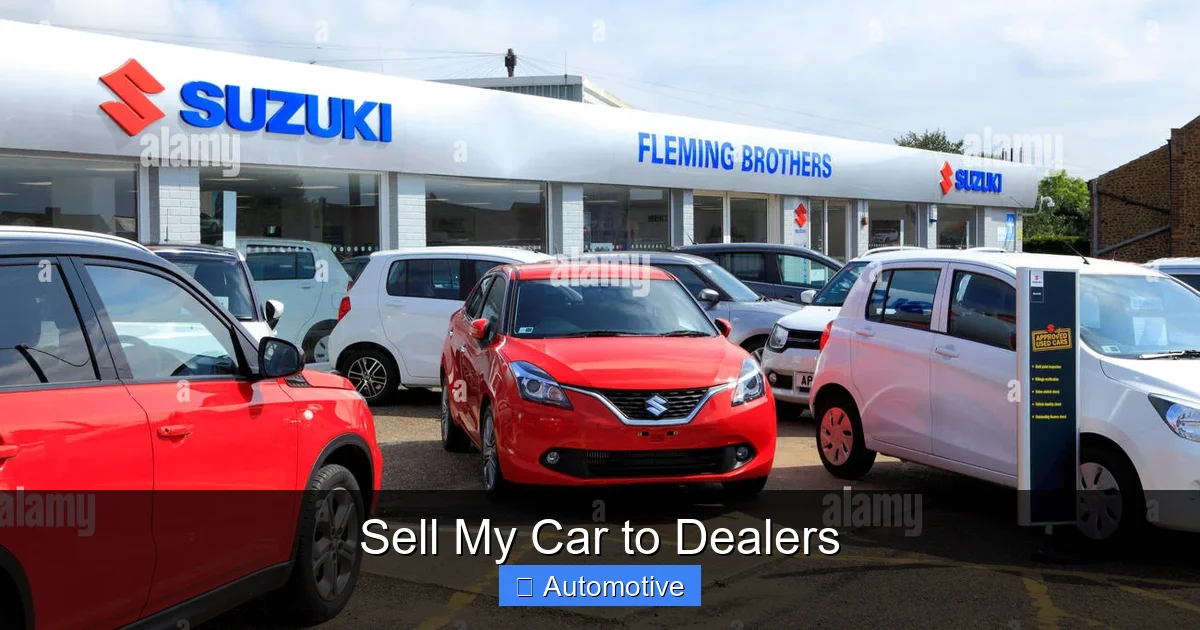
Visual guide about Sell My Car to Dealers
Image source: c8.alamy.com
Before you walk into a dealership and say, “I want to sell my car to dealers,” it helps to understand how they decide what your vehicle is worth. Dealers don’t just pull numbers out of thin air—they use a combination of market data, vehicle condition, and inventory needs to determine your car’s value.
Market Demand and Resale Potential
Dealers want cars they can resell quickly and profitably. So, they’ll pay more for vehicles that are in high demand—like fuel-efficient sedans, popular SUVs, or trucks in regions where they’re commonly used. If your car is a hot commodity, you’ll likely get a better offer.
On the flip side, if your car is outdated, has high mileage, or is a less popular model, the dealer may offer less. They know it could sit on their lot for months, costing them money in holding fees and depreciation.
Vehicle Condition and History
This is where your preparation pays off. Dealers will inspect your car thoroughly, looking for dents, scratches, interior wear, mechanical issues, and accident history. A clean, well-maintained car with a solid service record will score higher than one that looks neglected.
For example, a 2018 Honda Civic with 60,000 miles, regular oil changes, and no accidents will get a much better offer than the same model with 100,000 miles, a cracked windshield, and a history of transmission problems.
Kelley Blue Book and NADA Guides
Most dealers use pricing guides like Kelley Blue Book (KBB) or the National Automobile Dealers Association (NADA) guide to determine fair market value. These tools consider your car’s make, model, year, mileage, trim level, and condition to give a baseline estimate.
But here’s the catch: dealers often offer less than the “fair market value” listed in these guides. Why? Because they need to make a profit when they resell your car. So, if KBB says your car is worth $15,000, the dealer might offer $12,000–$13,000.
That’s why it’s crucial to know your car’s value before you negotiate. Use KBB, Edmunds, or Autotrader to get a realistic estimate. Then, you’ll know whether a dealer’s offer is fair or too low.
Trade-In vs. Cash Offer
Some dealers may offer you more if you’re trading in your car toward the purchase of a new one. This is because they’re making money on the new car sale, so they can afford to be more generous with your trade-in.
However, if you’re not buying a car, they may offer less in cash. Always ask whether the offer is contingent on purchasing a vehicle—and don’t feel pressured to buy just to get a better deal.
Preparing Your Car to Sell to Dealers
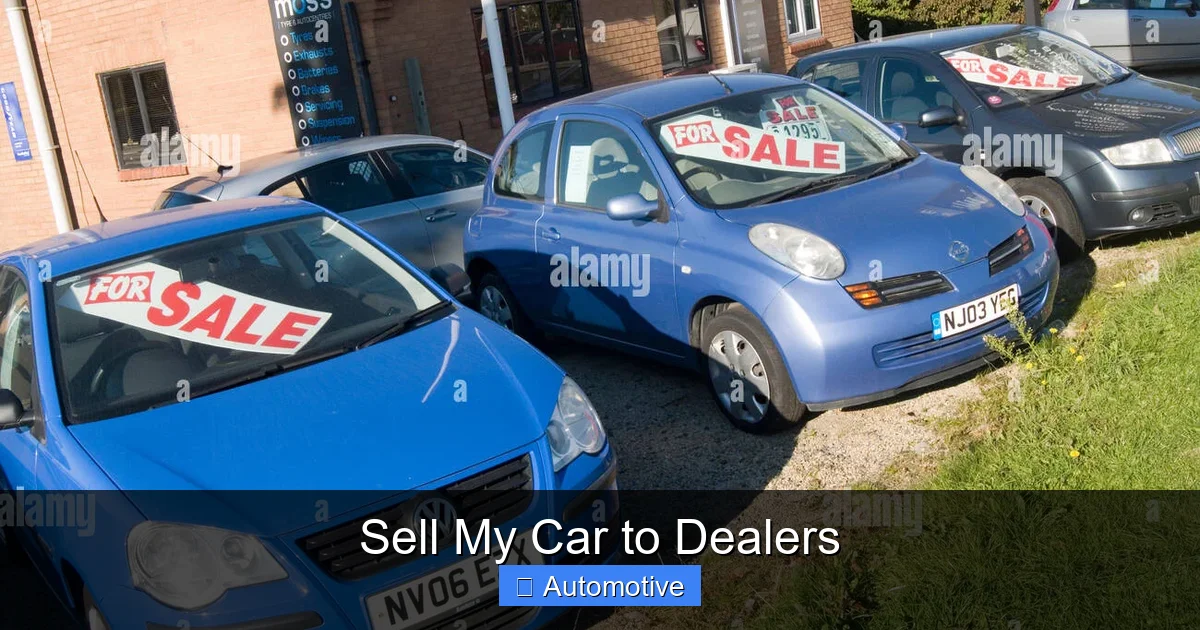
Visual guide about Sell My Car to Dealers
Image source: c8.alamy.com
You wouldn’t show up to a job interview in sweatpants, right? The same principle applies when selling your car to dealers. First impressions matter—and a clean, well-maintained vehicle can significantly increase your offer.
Clean It Inside and Out
Start with a thorough wash and wax. Remove any dirt, grime, or bird droppings from the exterior. Then, move inside. Vacuum the seats, carpets, and trunk. Wipe down dashboards, door panels, and cup holders. If your car has unpleasant odors, consider using an odor eliminator or having it professionally detailed.
A clean car shows the dealer that you’ve taken care of it—and that it’s likely in good mechanical condition too.
Fix Minor Issues
You don’t need to spend thousands on repairs, but addressing small problems can boost your value. Replace burnt-out light bulbs, fix cracked windshields, and patch up torn upholstery. Even something as simple as replacing worn floor mats can make a difference.
If your car needs major repairs—like a new transmission or engine work—it’s usually not worth fixing just for a trade-in. But for minor issues, the investment can pay off.
Gather Your Documents
Dealers will need several key documents to complete the sale:
– **Title:** This proves you own the car. If you still have a loan, the lender holds the title—so you’ll need to pay off the balance first or work with the dealer to handle the payoff.
– **Registration:** Shows the car is legally registered in your name.
– **Maintenance Records:** Receipts for oil changes, tire rotations, and major repairs can increase your car’s value.
– **Owner’s Manual and Extra Keys:** These are small details, but they show the dealer the car is complete and well-cared for.
– **Loan Payoff Information:** If you have an outstanding loan, bring the payoff amount and lender details. The dealer will often handle the payoff directly.
Having everything ready speeds up the process and shows the dealer you’re serious.
Remove Personal Items
Don’t forget to clear out your car before handing it over. Check the glove box, center console, trunk, and under the seats. You don’t want to leave behind important documents, sunglasses, or that half-eaten bag of chips from six months ago.
Getting the Best Offer When You Sell My Car to Dealers
Now that your car is ready, it’s time to get the best possible offer. Here’s how to maximize your trade-in value and avoid lowball deals.
Shop Around
Don’t settle for the first offer you get. Visit at least three different dealerships or use online tools like CarMax, Carvana, or Vroom to get quotes. Each dealer may value your car differently based on their inventory needs and market conditions.
For example, one dealer might need more SUVs and offer top dollar for your Ford Explorer, while another might already have a full lot and lowball you.
Negotiate the Total Deal
Here’s a common trick: dealers may offer you a great trade-in value but inflate the price of the new car to make up for it. Instead of focusing just on your trade-in, negotiate the total out-the-door price of the new vehicle.
Say you’re trading in a car worth $12,000 and buying a $25,000 car. The dealer might offer you $12,000 for your trade-in but charge $27,000 for the new car—netting you only $15,000 in value. But if you negotiate the new car down to $24,000, you’re better off—even if they reduce your trade-in to $11,500.
Always ask for a breakdown of the offer: new car price, trade-in value, taxes, fees, and any incentives.
Be Ready to Walk Away
If a dealer isn’t offering a fair price, don’t be afraid to leave. There are plenty of other dealerships—and online buyers—who might give you a better deal. Walking away shows you’re serious and not desperate to sell.
Consider Selling Online First
Before heading to a dealer, get an offer from an online car-buying service like Carvana, Vroom, or Shift. These companies often provide competitive cash offers based on your car’s details and photos.
You can then use that offer as leverage when negotiating with dealers. Say, “Carvana offered me $13,500. What can you do?” This puts you in a stronger position.
Common Pitfalls to Avoid
Even with the best preparation, it’s easy to make mistakes when selling your car to dealers. Here are some common pitfalls and how to avoid them.
Accepting the First Offer
It’s tempting to take the first deal that comes your way—especially if you’re in a hurry. But remember: dealers expect negotiation. If you accept immediately, they may assume you don’t know your car’s value.
Always get at least two or three offers before making a decision.
Not Knowing Your Car’s Value
Walking in blind is a recipe for disappointment. Spend 15 minutes researching your car’s value using KBB or Edmunds. Print out the estimate and bring it with you.
Ignoring the Fine Print
Read every document before signing. Make sure the trade-in value, payoff amount, and new car price are correct. Watch out for hidden fees or add-ons like extended warranties or paint protection.
Forgetting About Taxes and Fees
While trade-ins can save you on sales tax, other fees may apply. Ask the dealer for a full breakdown of all costs, including documentation fees, title fees, and registration.
Alternatives to Selling to Dealers
While selling your car to dealers is convenient, it’s not your only option. Depending on your goals, you might get more money—or a better experience—with other methods.
Private Sale
Selling privately typically yields the highest price. You’re cutting out the middleman, so you keep more of the profit. But it requires more work: listing the car, meeting buyers, handling test drives, and managing paperwork.
Online Car Buyers
Services like CarMax, Carvana, and Vroom offer quick, no-hassle sales. You get an online quote, schedule a pickup or drop-off, and receive payment within days. Offers are usually fair, though not as high as private sales.
Auctions
If your car is rare, classic, or in high demand, an auction might get you top dollar. But this method is best for experienced sellers and may involve fees.
Final Tips for a Smooth Sale
– **Be honest about your car’s condition.** Lying about accidents or mechanical issues can backfire.
– **Bring a friend.** A second opinion can help you stay calm and focused during negotiations.
– **Time it right.** Dealers may offer more at the end of the month or quarter when they’re trying to meet sales goals.
– **Stay calm and confident.** You’re in control. Don’t let high-pressure tactics sway you.
Conclusion
Selling your car to dealers doesn’t have to be stressful or confusing. With the right preparation, research, and negotiation skills, you can walk away with a fair deal and a smile on your face.
Remember: the key to success is knowing your car’s value, cleaning it up, getting multiple offers, and negotiating the total deal—not just the trade-in. Whether you’re upgrading to a new ride or just ready to move on, selling to a dealer can be a smart, convenient choice.
So go ahead—take that first step. Research your car’s worth, gather your documents, and walk into that dealership with confidence. Your next great deal is waiting.
Frequently Asked Questions
How much will a dealer pay for my car?
Dealers typically offer 10% to 20% less than private sale prices because they need to resell it for a profit. The exact amount depends on your car’s make, model, condition, mileage, and market demand.
Can I sell my car to a dealer if I still owe money on it?
Yes, but the dealer will pay off your loan first. If your car is worth more than what you owe (positive equity), you’ll get the difference. If you owe more than it’s worth (negative equity), you’ll need to pay the difference or roll it into a new loan.
Do I have to buy a car to sell my car to a dealer?
No, many dealers will buy your car outright for cash, even if you’re not purchasing a vehicle. However, trade-in offers may be higher when you’re buying a new car.
How long does it take to sell my car to a dealer?
The process usually takes 30 minutes to an hour if you have all your documents ready. Payment is often immediate, either as a check or credit toward a new purchase.
What if the dealer lowballs my car?
Don’t accept the first offer. Get quotes from other dealers or online buyers, then use those as leverage to negotiate a better deal.
Is it better to sell privately or to a dealer?
Selling privately usually gets you more money, but it takes more time and effort. Selling to a dealer is faster and easier, making it ideal if you value convenience over maximum profit.
