
Sell Car Washington State

Selling a car in Washington State doesn’t have to be complicated. Whether you’re upgrading, downsizing, or just ready for a change, this guide walks you through every step—from pricing your vehicle to finalizing the paperwork—so you can sell car Washington State with confidence and get the best possible deal.
So, you’re ready to sell car Washington State—congratulations! Whether your ride has served you well for years or you’re just ready for something newer, faster, or more fuel-efficient, selling a car can feel overwhelming at first. But it doesn’t have to be. With the right preparation, knowledge, and a little patience, you can turn that old vehicle into cash—safely, legally, and for a fair price.
Washington State has its own set of rules and best practices when it comes to selling a car, and understanding them can save you time, money, and headaches. From knowing what paperwork you need to how to avoid scams, this guide covers everything you need to know. Whether you’re in Seattle, Spokane, Tacoma, or a small town in the Cascade foothills, the process is largely the same—but local market conditions can affect your sale. For example, SUVs and trucks tend to move faster in rural areas, while fuel-efficient sedans are in higher demand in urban centers like Bellevue or Redmond.
In this comprehensive guide, we’ll walk you through every step of selling your car in Washington State—from pricing it right to handing over the keys. We’ll cover private sales, trade-ins, online options, legal requirements, and even tips for negotiating with buyers. By the end, you’ll feel confident and ready to sell car Washington State like a pro.
Key Takeaways
- Know your car’s value: Use tools like Kelley Blue Book or Edmunds to research fair market pricing based on your vehicle’s make, model, year, mileage, and condition.
- Prepare your paperwork: Gather the title, vehicle history report, maintenance records, and a completed Notice of Transfer and Release of Liability form.
- Choose the right selling method: Decide between private sale, trade-in, or selling to a dealership or online car buyer for speed, convenience, or maximum profit.
- Advertise effectively: Take high-quality photos, write a clear description, and list your car on trusted platforms like Craigslist, Facebook Marketplace, or Autotrader.
- Complete the sale legally: Sign over the title correctly, remove license plates, and notify the DOL within 10 days to avoid liability.
- Avoid common scams: Be wary of fake checks, overpayment schemes, and buyers who refuse to meet in person.
- Consider timing: Spring and summer are peak seasons for car sales in Washington, but you can sell year-round with the right strategy.
📑 Table of Contents
Why Sell Your Car in Washington State?
There are plenty of reasons people decide to sell their cars. Maybe you’re upgrading to a newer model, switching to an electric vehicle (EV), or simply no longer need a second car. Others sell because their vehicle is aging, repairs are piling up, or they’re moving out of state. Whatever your reason, selling a car in Washington State offers several advantages—especially if you time it right and do your homework.
One of the biggest benefits of selling in Washington is the strong used car market. Thanks to a growing population, thriving tech industry, and high demand for reliable transportation, used cars—especially well-maintained ones—sell quickly. Cities like Seattle and Bellevue have high vehicle turnover, meaning there’s always someone looking for a good deal. Plus, Washington doesn’t have a state sales tax on private vehicle sales, which can make your car more attractive to buyers compared to states with hefty taxes.
Another advantage is the ease of transferring ownership. Washington’s Department of Licensing (DOL) has streamlined the process, and with the right paperwork, you can complete a sale in a single afternoon. However, it’s important to note that while private sales are tax-free, dealerships do charge sales tax on trade-ins and purchases—so keep that in mind if you’re trading up.
When Is the Best Time to Sell?
Timing can make a big difference in how quickly your car sells and how much you get for it. In Washington, the best time to sell is typically in the spring and early summer (March through June). During this period, people are more active, roads are clear, and buyers are looking to upgrade before summer road trips. Convertibles, SUVs, and trucks tend to move faster in spring, while fuel-efficient cars are popular year-round.
Fall and winter can be slower, especially in regions with heavy rain or snow, like the Olympic Peninsula or the Cascades. However, if you’re selling a 4WD vehicle or a reliable commuter car, you might still find buyers—especially if your price is competitive. Avoid listing during major holidays like Thanksgiving or Christmas, when people are focused on family and travel, not car shopping.
How Market Conditions Affect Your Sale
The used car market in Washington fluctuates based on supply, demand, and economic factors. For example, during the pandemic, used car prices soared due to supply chain issues and high demand. While prices have stabilized somewhat, well-maintained vehicles with low mileage still command strong offers.
If you’re selling a hybrid or electric vehicle, you may have an edge—Washington offers incentives for clean vehicles, and EV adoption is growing rapidly. In fact, the state aims to phase out gas-powered cars by 2030, so EVs and hybrids are in high demand. On the flip side, older gas-guzzlers or high-mileage vehicles may take longer to sell unless priced very competitively.
How to Determine Your Car’s Value
Visual guide about Sell Car Washington State
Image source: images.template.net
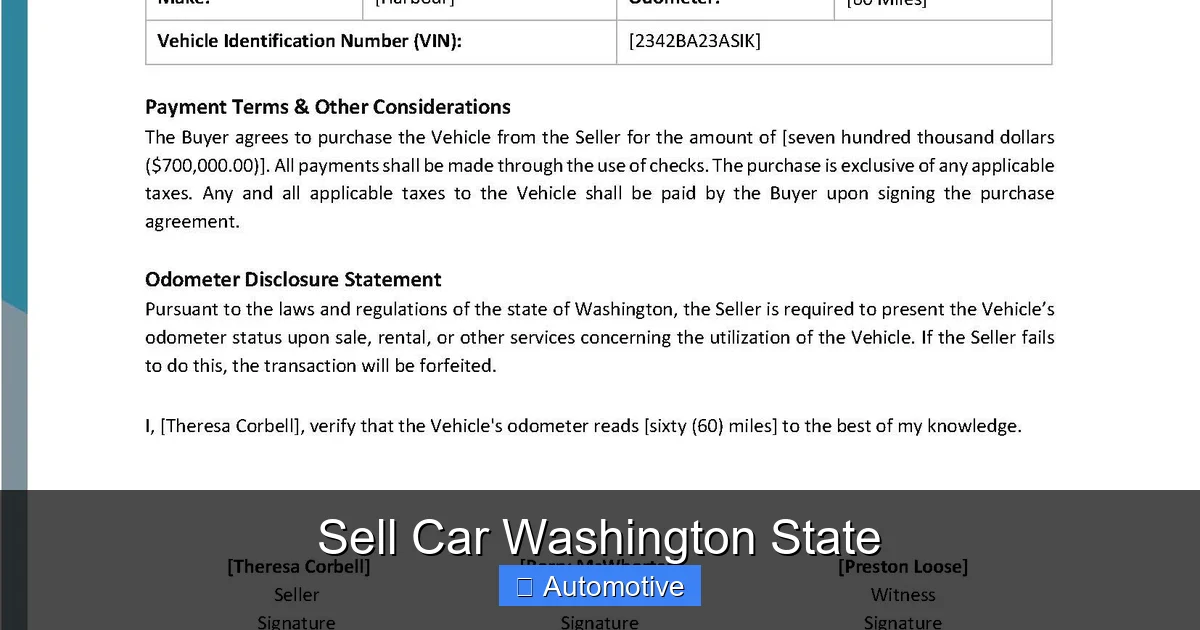
Before you list your car, you need to know what it’s worth. Pricing it too high can scare off buyers; pricing it too low means leaving money on the table. The key is to research thoroughly and set a fair, competitive price.
Start by using trusted valuation tools like Kelley Blue Book (KBB), Edmunds, or NADA Guides. These platforms ask for details like your car’s make, model, year, mileage, condition, and optional features. They’ll give you a range—typically “trade-in value” and “private party value.” Since you’re selling privately, focus on the private party value, which is usually higher.
Factors That Affect Your Car’s Value
Several factors influence how much your car is worth:
- Mileage: Lower mileage generally means higher value. A car with under 12,000 miles per year is considered low-mileage.
- Condition: A well-maintained car with no dents, scratches, or mechanical issues will sell for more. Interior cleanliness matters too—consider a professional detail.
- Service history: Buyers love cars with full maintenance records. If you’ve kept receipts for oil changes, brakes, or major repairs, highlight them.
- Market demand: Popular models like Toyota Camrys, Honda Accords, or Ford F-150s sell faster and for more money.
- Location: Prices can vary by region. A truck might sell for more in Eastern Washington than in Seattle, where compact cars are preferred.
Adjusting for Your Car’s Specifics
Once you have a baseline value, adjust it based on your car’s unique features. For example, if your car has a premium sound system, leather seats, or a sunroof, you can price it slightly higher. Conversely, if it needs new tires, has a check engine light on, or has high mileage, you’ll need to lower the price accordingly.
It’s also smart to check local listings on Craigslist, Facebook Marketplace, or Autotrader to see what similar cars are selling for in your area. This gives you a real-world sense of the market. If you see a 2018 Honda CR-V with 60,000 miles listed for $22,000, and yours has 70,000 miles and a minor dent, you might price yours at $20,500 to stay competitive.
Preparing Your Car for Sale
Visual guide about Sell Car Washington State
Image source: formspal.com
First impressions matter—especially when selling a car. A clean, well-presented vehicle not only attracts more buyers but also justifies a higher price. Think of it like staging a house: you want it to look its best.
Start with a thorough cleaning. Wash the exterior, wax it if possible, and clean the windows inside and out. Vacuum the interior, wipe down surfaces, and remove any personal items like old receipts, air fresheners, or kids’ toys. Consider using a fabric cleaner on seats and carpets to remove stains and odors. If your car has a musty smell, an ozone treatment or professional detailing can help.
Addressing Minor Repairs
You don’t need to rebuild the engine, but fixing small issues can boost your car’s appeal. Replace burnt-out bulbs, fix wiper blades, and top off fluids. If your tires are worn, consider replacing them—buyers will notice. A fresh oil change and new air filter can also make a difference, especially if you include the receipt as proof of maintenance.
Avoid major repairs unless they’re deal-breakers. For example, if your transmission is slipping or the check engine light is on, you’ll need to disclose it—and it may lower your price. But if it’s just a cracked mirror or a loose trim piece, a $50 fix could be worth it.
Gathering Your Paperwork
Having all your documents ready speeds up the sale and builds trust with buyers. Here’s what you’ll need:
- Vehicle Title: This is the most important document. Make sure it’s signed and free of liens. If you’ve lost it, request a duplicate from the DOL.
- Vehicle History Report: Use Carfax or AutoCheck to get a report showing accidents, ownership history, and service records. Buyers appreciate transparency.
- Maintenance Records: Gather receipts for oil changes, brake jobs, tire replacements, and any major repairs.
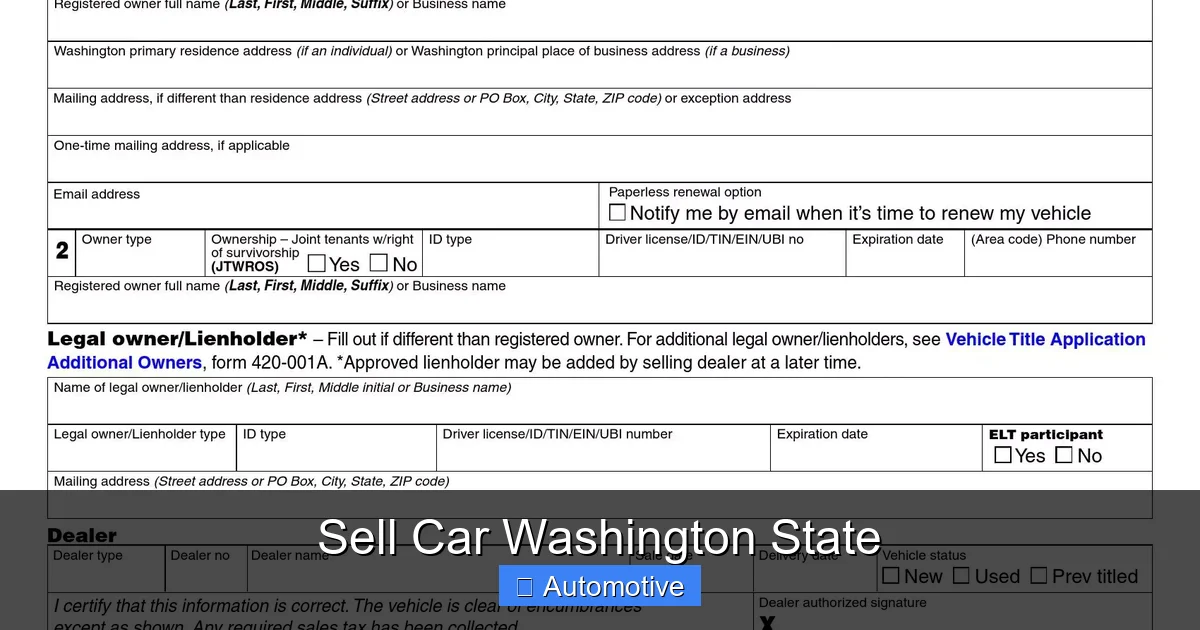
- Notice of Transfer and Release of Liability: This form protects you from liability after the sale. You can download it from the DOL website.
- Odometer Disclosure: Required for vehicles under 10 years old. You’ll need to sign a statement confirming the mileage.
Choosing How to Sell Your Car
Visual guide about Sell Car Washington State
Image source: i.pinimg.com
There are several ways to sell car Washington State, each with pros and cons. Your choice depends on how quickly you want to sell, how much effort you’re willing to put in, and how much money you want to make.
Private Sale
Selling privately typically yields the highest return. You set the price, negotiate directly with buyers, and avoid dealer fees. However, it requires more work—photographing the car, writing a listing, responding to inquiries, and meeting potential buyers.
To maximize your chances, list your car on multiple platforms: Craigslist, Facebook Marketplace, Autotrader, and even local community boards. Write a clear, honest description that highlights key features, recent maintenance, and why you’re selling. Include high-quality photos from multiple angles—outside, inside, engine bay, and trunk.
Trade-In at a Dealership
Trading in your car is the easiest option. You drive in, get an offer, and apply it toward a new purchase. Dealerships handle all the paperwork, and you avoid the hassle of advertising and meeting strangers.
The downside? You’ll usually get less money than a private sale. Dealers need to resell your car for a profit, so they lowball offers. However, if you’re buying a new car, the trade-in value can be rolled into the deal, and you may save on sales tax (in Washington, you only pay tax on the difference between the new car price and trade-in value).
Selling to an Online Car Buyer
Companies like CarMax, Carvana, and Vroom offer quick, no-hassle sales. You enter your car’s details online, get an instant offer, and schedule a pickup or drop-off. These services are great if you need to sell fast or don’t want to deal with strangers.
Offers are often lower than private sales, but the convenience can be worth it. Just be sure to compare offers from multiple companies to get the best deal.
Creating an Effective Listing
Your listing is your car’s first impression—make it count. A great listing includes a compelling title, detailed description, and high-quality photos.
Start with a clear title like “2019 Toyota RAV4, Low Miles, Clean Title, Excellent Condition.” Avoid vague terms like “nice car” or “runs great.” Instead, be specific: “Only 45,000 miles, one owner, all scheduled maintenance completed at dealership.”
In the description, mention key features: engine size, transmission type, fuel economy, safety features, and any upgrades. Be honest about flaws—buyers appreciate transparency. Include why you’re selling (e.g., “upgrading to an EV”) to build trust.
Photography Tips
Take photos in good lighting—early morning or late afternoon works best. Shoot from multiple angles: front, back, sides, interior, dashboard, and engine. Clean the car first, and remove personal items. If possible, take photos in a clean, uncluttered area.
Pricing Strategy
Price your car competitively—usually 5–10% below similar listings to attract quick interest. You can always negotiate, but don’t lowball yourself. If your car has unique features or low mileage, justify a higher price.
Completing the Sale Safely and Legally
Once you find a buyer, it’s time to close the deal—safely and legally.
Meeting the Buyer
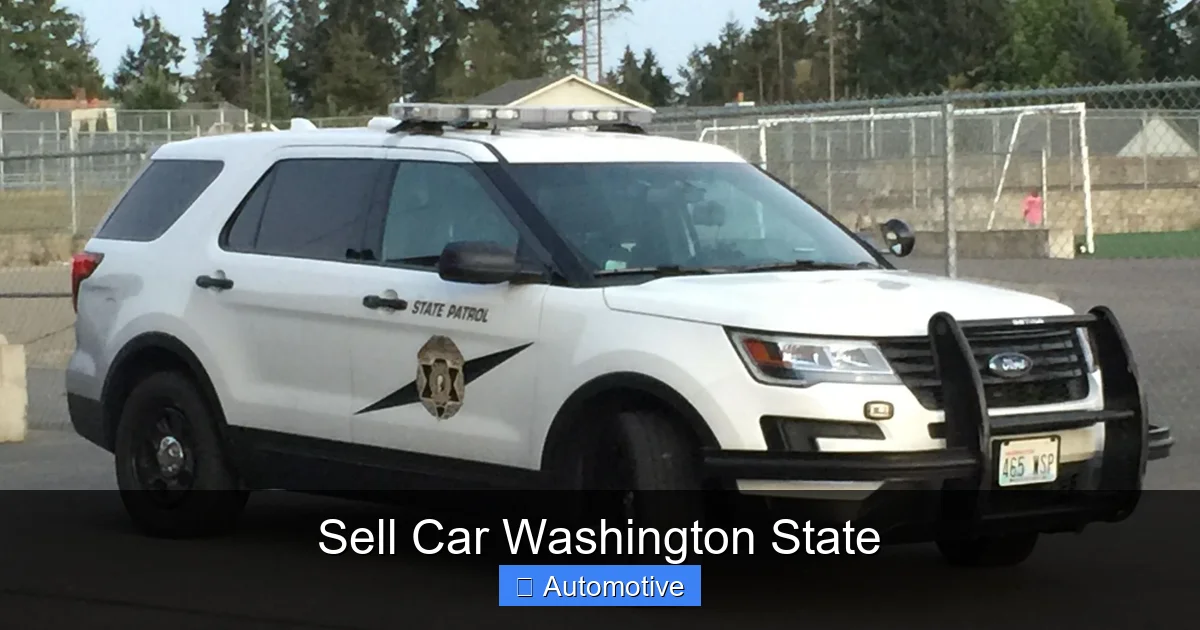
Always meet in a public, well-lit place like a police station parking lot or busy shopping center. Bring a friend if possible, and never share your home address. Test drives should be short and supervised.
Payment Methods
Accept cash, cashier’s check, or bank transfer. Avoid personal checks—they can bounce. If using a cashier’s check, verify it at the bank before handing over the keys.
Transferring Ownership
Sign the title over to the buyer, including the sale price and odometer reading. Both parties should keep a copy. The buyer must register the car with the DOL within 15 days.
Notifying the DOL
Within 10 days of the sale, submit the Notice of Transfer and Release of Liability to the DOL. This protects you from liability if the buyer gets a ticket or causes an accident.
Avoiding Scams and Pitfalls
Unfortunately, car scams are common. Watch out for:
- Overpayment scams: Buyers send a check for more than the agreed price and ask for the difference back. The check bounces, and you lose money.
- Fake buyers: Scammers claim to be interested but never show up or ask for personal information.
- Wire transfer requests: Never send money or personal info via wire transfer.
Always verify payment and meet in person. Trust your instincts—if something feels off, walk away.
Final Thoughts
Selling a car in Washington State can be a smooth, profitable experience if you prepare properly. From pricing your vehicle to finalizing the paperwork, every step matters. By following this guide, you’ll sell car Washington State with confidence, avoid common pitfalls, and get the best possible deal.
Whether you choose a private sale, trade-in, or online buyer, the key is to be informed, organized, and cautious. Take your time, do your research, and don’t rush into a deal that doesn’t feel right. With the right approach, you’ll be driving away with cash in hand and a clear conscience.
Frequently Asked Questions
Do I need a smog check to sell my car in Washington State?
No, Washington State does not require a smog or emissions test for private vehicle sales. However, if your car is newer than 1975 and you’re registering it in certain counties, it may need an emissions test.
Can I sell my car if I still owe money on it?
Yes, but you’ll need to pay off the loan first or arrange for the buyer to assume it. Most buyers prefer a clear title, so it’s best to settle the loan before selling.
How long does it take to sell a car in Washington State?
It depends on the method and market conditions. Private sales can take a few days to several weeks, while trade-ins or online buyers can close in one day.
What happens if I don’t notify the DOL after selling my car?
You could be held liable for tickets, tolls, or accidents caused by the new owner. Always submit the Notice of Transfer and Release of Liability within 10 days.
Can I sell my car without a title?
No, the title is required to transfer ownership. If you’ve lost it, request a duplicate from the Washington DOL for a small fee.
Is it better to sell privately or trade in?
Private sales usually yield more money, but trade-ins are faster and easier. Choose based on your priorities—profit vs. convenience.
