
Sell Car to Dmv

Selling a car to the DMV isn’t a common option, but it can be a smart move in certain situations—like when your vehicle is damaged, non-running, or you’re dealing with legal or financial issues. This guide walks you through the process, requirements, and alternatives so you can make an informed decision.
Key TakeAways
- DMV doesn’t typically buy cars directly: Most DMVs don’t purchase vehicles, but they can help facilitate the sale or disposal of certain cars, especially salvage or abandoned ones.
- Salvage titles and totaled vehicles: If your car has a salvage title or was declared a total loss by insurance, the DMV may assist in transferring ownership or recycling it.
- Legal and financial reasons matter: You might need to sell or surrender your car to the DMV due to repossession, divorce, or court orders.
- Check your state’s rules: Each state has different policies on vehicle disposal, titling, and DMV involvement—always verify local regulations.
- Alternatives exist: Consider selling to junkyards, donating, or using online platforms instead of relying solely on the DMV.
- Paperwork is critical: Proper documentation, including the title, registration, and release forms, is essential when dealing with the DMV.
- Environmental compliance: The DMV often ensures that vehicles are disposed of safely, especially those with hazardous materials.
📑 Table of Contents
- Understanding What It Means to Sell a Car to the DMV
- When Should You Consider Selling Your Car to the DMV?
- How to Sell or Surrender Your Car to the DMV: Step-by-Step Guide
- State-by-State Differences: What You Need to Know
- Alternatives to Selling Your Car to the DMV
- Common Mistakes to Avoid
- Environmental and Legal Considerations
- Final Thoughts: Is Selling to the DMV Right for You?
Understanding What It Means to Sell a Car to the DMV
When most people think about selling a car, they picture listing it online, meeting a buyer, and handing over the keys. But what if your car is damaged, non-running, or tied up in legal trouble? In those cases, you might hear about selling your car to the DMV. But what does that really mean?
First, it’s important to clarify: the Department of Motor Vehicles (DMV) doesn’t typically buy cars like a dealership or private buyer would. Instead, the DMV plays a regulatory role—handling titles, registrations, and vehicle records. However, in certain situations, the DMV can become involved in the process of selling or disposing of a vehicle, especially if it’s no longer roadworthy or legally compliant.
For example, if your car has been declared a total loss by your insurance company, the DMV may require you to surrender the title and issue a salvage certificate. In some states, the DMV works with licensed salvage yards or recyclers to ensure the vehicle is properly disposed of. This process can feel like “selling” your car to the DMV, even though the agency itself isn’t the buyer.
Another scenario is when a vehicle is abandoned or repossessed. In these cases, the DMV may assist in transferring ownership to a new party or ensuring the car is legally removed from your name. While you won’t get a check from the DMV, this process can help you avoid fines, liability, or ongoing registration fees.
So, while you can’t walk into a DMV office and say, “I want to sell my car to you,” the DMV can be a key player in helping you legally and safely part with a vehicle that’s no longer usable or wanted. Understanding your state’s specific rules and procedures is the first step toward a smooth experience.
When Should You Consider Selling Your Car to the DMV?
Visual guide about Sell Car to Dmv
Image source: printablebillofsale.org
Not every car owner will need to interact with the DMV in this way, but there are several situations where it makes sense to explore this option. Let’s break down the most common scenarios where selling or surrendering your car to the DMV becomes necessary or beneficial.
Your Car Is a Total Loss
If your vehicle has been involved in an accident and your insurance company declares it a total loss, the DMV will likely require you to surrender the original title. This is because the car can no longer be legally driven on public roads without extensive repairs and re-inspection. Once the title is surrendered, the DMV issues a salvage title, which allows the vehicle to be sold for parts or rebuilt—but only under strict regulations.
In this case, you’re not selling the car directly to the DMV, but the agency plays a central role in the process. You’ll need to work with your insurance company and possibly a salvage yard to complete the sale. The DMV ensures that the title is properly transferred and that the vehicle is no longer registered in your name.
Your Car Is Non-Running or Abandoned
If your car has been sitting in your driveway for months—or even years—and won’t start, it might be time to consider getting rid of it. Leaving a non-running vehicle on your property can lead to fines, especially if it’s considered an eyesore or environmental hazard. Some cities have ordinances against abandoned vehicles, and the DMV may be involved in the removal process.
In these cases, you might work with your local DMV or law enforcement to have the car towed and processed. While the DMV won’t pay you for the vehicle, they can help ensure it’s disposed of legally. You may also be able to sell it to a junkyard or scrap metal dealer, who will handle the DMV paperwork on your behalf.
You’re Going Through a Divorce or Legal Dispute
Divorce can get messy, especially when it comes to shared assets like cars. If you and your spouse can’t agree on who gets the vehicle, a court may order the car to be sold, with proceeds divided between both parties. In some cases, the DMV may be involved in transferring the title or ensuring the vehicle is removed from both names.
Similarly, if you’re involved in a legal dispute—such as a lawsuit or bankruptcy—the court might require you to surrender certain assets, including your car. The DMV will handle the title transfer and update their records accordingly.
You’re Facing Repossession
If you’ve fallen behind on car payments and your lender is threatening repossession, you might want to consider voluntarily surrendering the vehicle. This is sometimes called a “voluntary repossession” or “voluntary surrender.” While it still affects your credit, it can be less damaging than a forced repossession.
In this process, you return the car to the lender, who then sells it to recover the loan balance. The DMV is notified of the change in ownership, and your name is removed from the title and registration. This prevents you from being held liable for future issues with the vehicle.
You’re Moving Out of State or Country
If you’re moving to another state or country and can’t take your car with you, you’ll need to either sell it or surrender it. Some states require you to cancel your registration and surrender your license plates before you leave. The DMV can guide you through this process and ensure your vehicle is properly deregistered.
In some cases, you might donate the car to a charity or sell it to a junkyard. The DMV will still need to be notified of the transfer of ownership, even if you’re not receiving payment.
How to Sell or Surrender Your Car to the DMV: Step-by-Step Guide
Visual guide about Sell Car to Dmv
Image source: freeforms.com
Now that you understand when it might make sense to involve the DMV, let’s walk through the actual process. While it varies slightly by state, the general steps are similar across the country. Here’s how to sell or surrender your car to the DMV—or through their system—safely and legally.
Step 1: Determine Your Vehicle’s Status
Before doing anything, figure out what condition your car is in. Is it drivable? Is it a total loss? Is it abandoned? Your next steps will depend on the answer.
– If the car is still in working condition, you may be better off selling it privately or trading it in.
– If it’s damaged or non-running, you’ll likely need to go through the salvage or junk process.
– If it’s been repossessed or ordered surrendered by a court, follow the lender’s or court’s instructions.
Step 2: Gather Required Documents
The DMV will require several documents to process your request. These typically include:
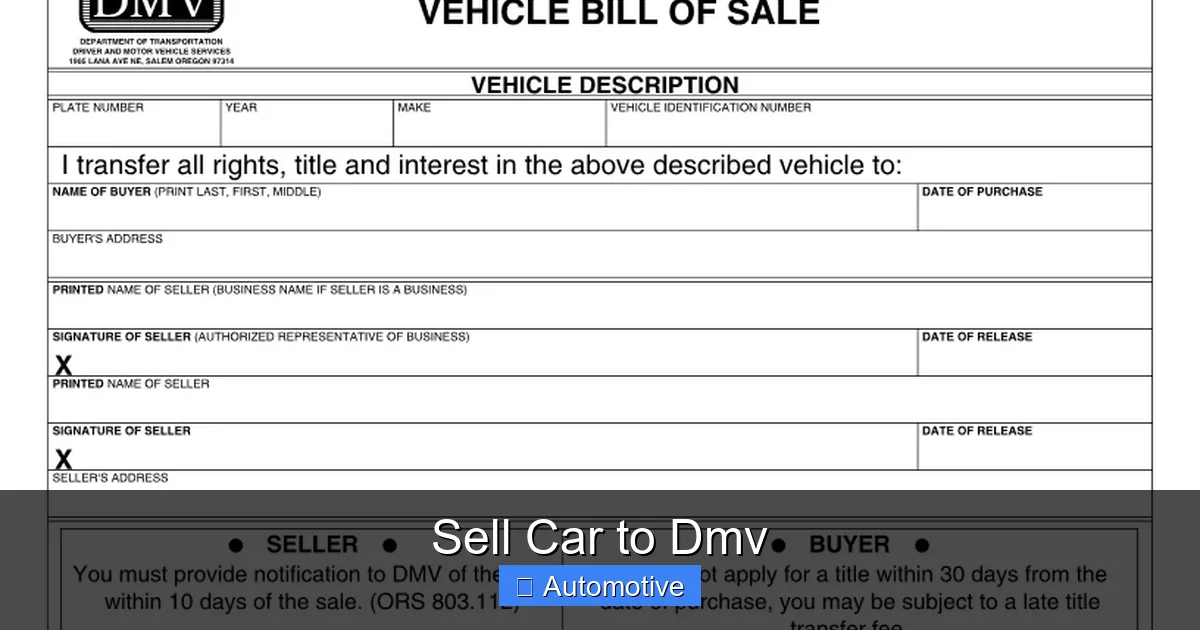
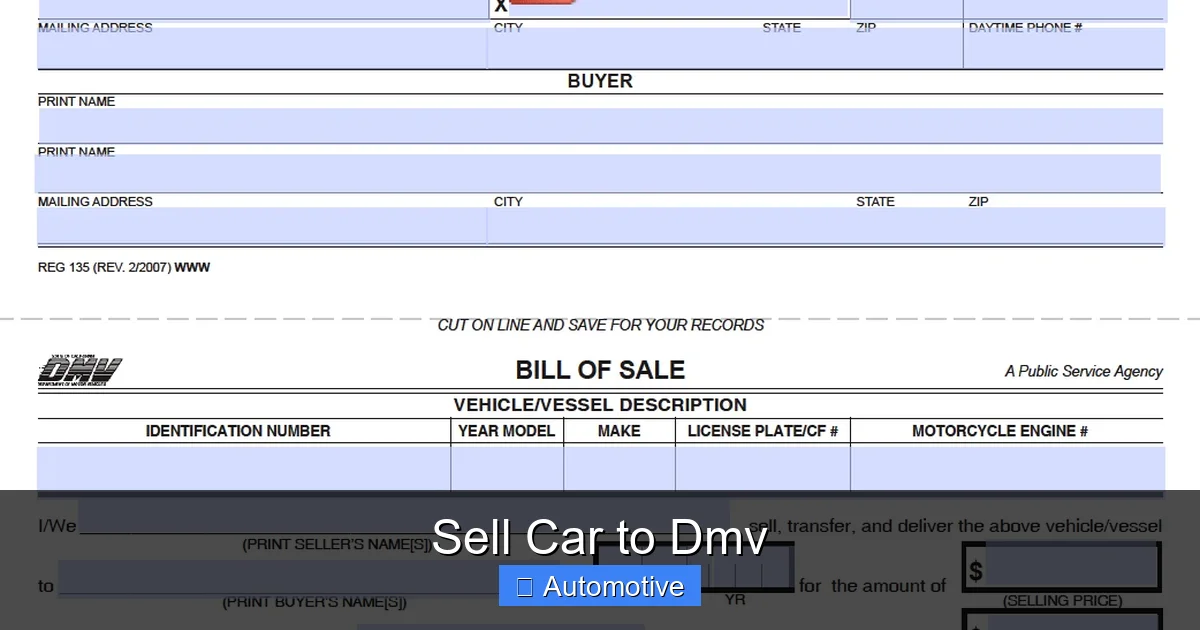
– The original vehicle title (signed over to the new owner or surrendered)
– Current registration
– Valid ID (driver’s license or state ID)
– Odometer disclosure statement (if applicable)
– Release of liability form (available on most DMV websites)
– Proof of insurance cancellation (if applicable)
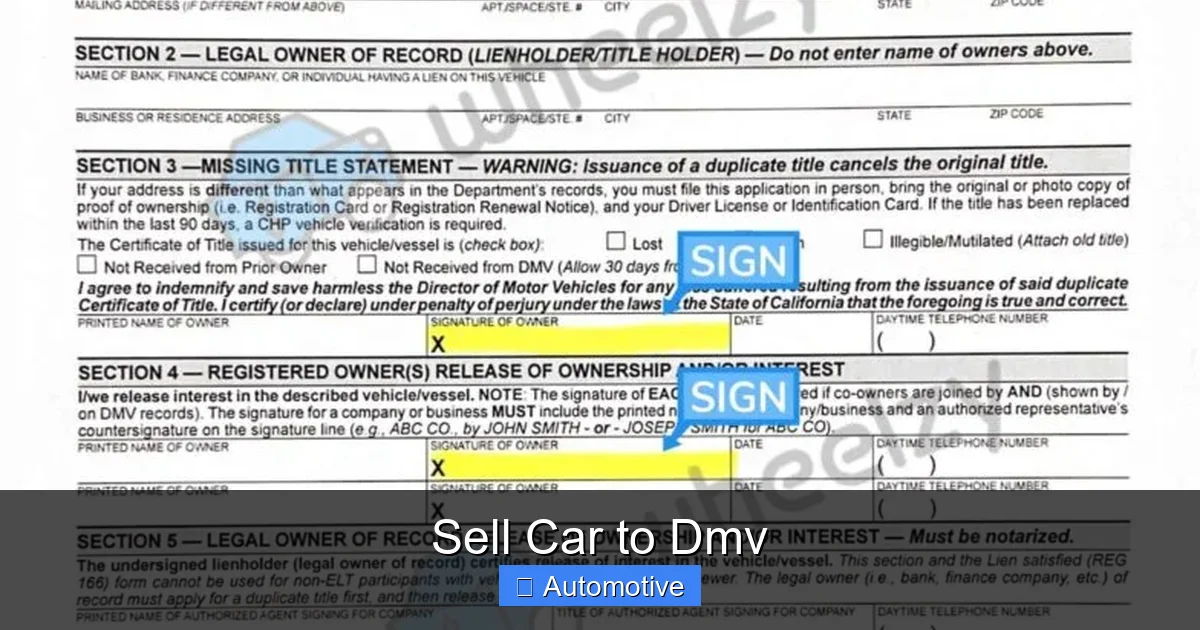
If you don’t have the title, you’ll need to apply for a duplicate before proceeding. Some states allow you to do this online or by mail.
Step 3: Contact Your Local DMV
Visit your state’s DMV website or call your local office to find out the specific requirements for your situation. Some states allow you to submit forms online, while others require an in-person visit.
Ask about:
– Whether the DMV accepts vehicle surrenders
– Required forms and fees
– Whether you need a licensed salvage dealer or junkyard to handle the physical transfer
– How long the process takes
Step 4: Transfer Ownership or Surrender the Title
If you’re selling the car to a junkyard or salvage dealer, they will usually handle the title transfer for you. They’ll pay you (if the car has scrap value) and then submit the paperwork to the DMV.
If you’re surrendering the car directly (e.g., due to repossession or court order), you’ll need to sign over the title and submit a release of liability form. This protects you from future tickets, accidents, or fines related to the vehicle.
Step 5: Cancel Registration and Insurance
Once the DMV processes your paperwork, cancel your vehicle registration and insurance. Most states require you to return your license plates to the DMV or destroy them.
Keep copies of all documents for your records. You may need them if there’s a dispute later.
Step 6: Confirm the Process Is Complete
Check your state’s DMV website or call to confirm that your vehicle has been removed from your name. This ensures you’re no longer liable for the car.
State-by-State Differences: What You Need to Know
Visual guide about Sell Car to Dmv
Image source: selljunkcarfastlosangeles.com
Not all DMVs operate the same way. Each state has its own rules about vehicle titles, salvage processes, and disposal. Here are a few examples to illustrate the differences.
California
In California, if your car is declared a total loss, you must surrender the title to the DMV and obtain a salvage certificate. The vehicle can then be sold to a licensed dismantler or rebuildable salvage buyer. The DMV requires a “Total Loss Statement” from the insurance company.
Texas
Texas allows owners to sell non-running vehicles to licensed salvage dealers. The dealer handles the title transfer and submits a “Salvage Vehicle Title Application” to the DMV. Owners must also file a “Notice of Sale” online within 30 days.
New York
New York requires a “Salvage Certificate” for vehicles declared total losses. The DMV also mandates that certain vehicles be inspected before they can be rebuilt and re-registered. Abandoned vehicles may be towed by the city and processed through the DMV.
Florida
Florida has strict rules about flood-damaged vehicles. If your car was submerged, it must be branded as a “Flood Vehicle” on the title. The DMV requires disclosure when selling, and the vehicle cannot be re-registered in some cases.
Illinois
In Illinois, you can sell a non-running car to a scrap yard, but you must provide a “Certificate of Purchase” and ensure the yard is licensed. The DMV tracks these transactions to prevent fraud.
Always check your state’s DMV website for the most up-to-date information. Rules can change, and local offices may have additional requirements.
Alternatives to Selling Your Car to the DMV
While the DMV can help in certain situations, it’s not your only option. In fact, there are often better ways to get rid of your car—especially if you want to get some money back. Here are some alternatives to consider.
Sell to a Junkyard or Scrap Yard
If your car is non-running or damaged, junkyards and scrap yards will often buy it for parts or metal. They’ll tow it for free and handle the DMV paperwork. You’ll get paid based on the weight of the car and current scrap prices.
Tip: Call several yards to compare offers. Some may pay more for certain makes or models.
Donate to Charity
Many charities accept car donations, even if the vehicle doesn’t run. In return, you may receive a tax deduction. The charity will handle the towing and DMV transfer.
Make sure the charity is reputable and provides a receipt for your donation.
Sell Online
Platforms like Craigslist, Facebook Marketplace, or OfferUp allow you to sell your car directly to a buyer. Even if it’s not running, some people look for project cars or parts.
Be honest about the condition and include plenty of photos.
Trade-In at a Dealership
If your car still has some value, consider trading it in at a dealership. They’ll assess its worth and apply it toward a new purchase. The dealer handles the DMV paperwork.
This is easiest if the car is drivable and in decent condition.
Use a Car Buying Service
Companies like CarMax, Carvana, or Vroom buy used cars—even non-running ones. They offer quick quotes and handle the title transfer.
These services are convenient but may offer less than private sale.
Common Mistakes to Avoid
Selling or surrendering a car through the DMV can be confusing. Here are some common mistakes to avoid:
– Not surrendering the title: Always sign over the title or surrender it to the DMV. Keeping it could leave you liable.
– Failing to file a release of liability: This form protects you from future issues. Don’t skip it.
– Selling without checking state rules: Each state has different requirements. Don’t assume the process is the same everywhere.
– Leaving plates on the car: Return or destroy your license plates to avoid fines.
– Not canceling insurance: Keep paying for insurance on a car you no longer own? That’s a waste of money.
Environmental and Legal Considerations
When you sell or surrender a car, you’re not just getting rid of a vehicle—you’re also dealing with environmental and legal responsibilities.
Cars contain hazardous materials like motor oil, coolant, battery acid, and refrigerants. Improper disposal can harm the environment. The DMV and licensed recyclers ensure these materials are handled safely.
Legally, you’re responsible for the car until the title is transferred and the DMV confirms the change. If someone else gets into an accident with your old car and you didn’t file a release of liability, you could be held liable.
That’s why proper documentation is so important. Keep copies of everything.
Final Thoughts: Is Selling to the DMV Right for You?
Selling a car to the DMV isn’t a typical transaction, but it can be the right choice in specific situations. If your vehicle is totaled, abandoned, or tied up in legal issues, the DMV can help you navigate the process safely and legally.
However, if your goal is to get money for your car, you’ll likely have better luck selling it to a junkyard, donating it, or using an online platform. The DMV’s role is more about regulation than purchasing.
The key is to understand your options, follow your state’s rules, and protect yourself with proper paperwork. Whether you’re dealing with a salvage title, repossession, or just a car that won’t start, the DMV can be a helpful partner—if you know how to work with them.
Take the time to research, ask questions, and make informed decisions. Your future self will thank you.
Frequently Asked Questions
Can I sell my car directly to the DMV?
No, the DMV does not buy cars directly. However, they can help facilitate the sale or disposal of vehicles, especially if they are damaged, non-running, or involved in legal matters.
What happens if I don’t surrender my car to the DMV?
If you fail to properly transfer ownership or surrender the title, you may remain liable for the vehicle. This could lead to fines, tickets, or legal issues if the car is involved in an accident or used illegally.
Do I get paid when I surrender my car to the DMV?
No, the DMV does not pay you for surrendering your car. However, you may receive payment if you sell the vehicle to a junkyard or salvage dealer who then works with the DMV.
How long does the DMV process take?
The process varies by state but typically takes 1–4 weeks. It depends on how quickly you submit paperwork and whether the DMV requires additional inspections or documentation.
Can I surrender my car if I still owe money on it?
Yes, but you’ll need to work with your lender. Voluntary repossession may be an option, and the DMV will be notified once the lender sells the vehicle.
What if I lost my car title?
You’ll need to apply for a duplicate title through your state’s DMV before you can sell or surrender the vehicle. Most states allow this online, by mail, or in person.
